
Investing is a powerful engine for wealth creation, offering individuals the opportunity to grow their capital beyond what traditional savings accounts can provide. In an economic landscape where inflation can erode purchasing power, strategically deploying your money into various assets becomes not just a luxury, but a necessity for securing your financial future. However, the world of investing can seem complex and intimidating to the uninitiated. This comprehensive guide will demystify the process, providing a clear roadmap on how to invest effectively to make money, cultivate lasting wealth, and achieve your financial aspirations.
Understanding the Fundamentals of Investing
Before diving into specific investment vehicles, it’s crucial to establish a solid foundation of understanding. Investing isn’t about getting rich quick; it’s about making informed decisions, understanding risk, and committing to a long-term strategy.
Defining Investment Goals and Risk Tolerance
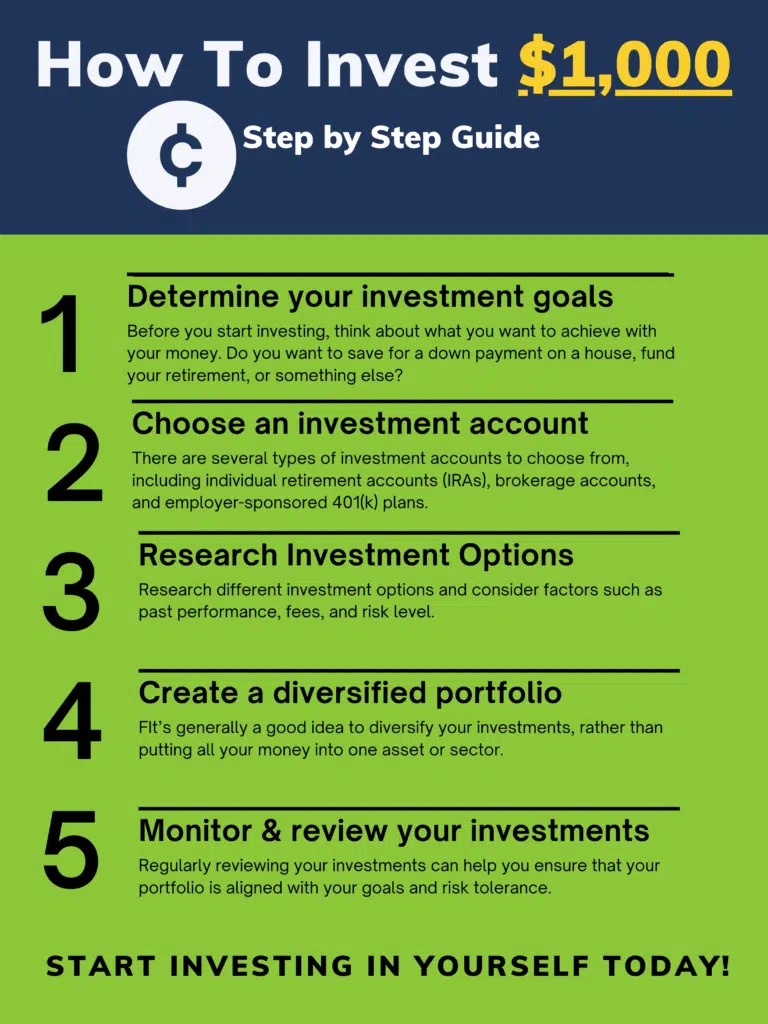
Every successful investment journey begins with clearly defined goals. Are you saving for retirement, a down payment on a house, your children’s education, or simply aiming for financial independence? Your goals will dictate your investment horizon and the level of risk you’re willing to undertake. Risk tolerance, your psychological comfort level with potential fluctuations in your investment value, is equally critical. A high-risk tolerance might lead you to more volatile assets with higher potential returns, while a low-risk tolerance would favor more conservative options. Understanding your personal risk profile is paramount to avoid making impulsive decisions during market downturns.
The Power of Compounding and Time Horizon
Albert Einstein is often credited with calling compound interest the eighth wonder of the world, and for good reason. Compounding allows your initial investment, plus the accumulated earnings, to generate further earnings. The longer your money remains invested, the more significant the effect of compounding becomes. This underscores the importance of starting early. Even small, consistent contributions over a long period can accumulate into substantial wealth thanks to the exponential growth fueled by compounding. Your time horizon—the length of time you plan to keep your money invested—directly influences the types of investments you should consider. Longer horizons generally allow for greater exposure to growth-oriented assets, as there’s more time to recover from market volatility.
Diversification: Spreading Your Risk
Diversification is a cornerstone of prudent investing. It’s the strategy of spreading your investments across various asset classes, industries, and geographies to minimize risk. The adage “don’t put all your eggs in one basket” perfectly encapsulates this principle. If one investment performs poorly, the others might compensate, thus smoothing out overall portfolio returns. A diversified portfolio might include a mix of stocks, bonds, real estate, and potentially alternative assets, ensuring that your financial well-being isn’t overly reliant on the performance of a single asset class or company.
Navigating Common Investment Avenues
Once you have a grasp of the fundamentals, the next step is to explore the various avenues available for investing your money. Each option carries its own risk-reward profile and is suited for different investment objectives.
Stocks: Ownership in Public Companies
Stocks represent ownership shares in a public company. When you buy a stock, you become a part-owner of that company. Stocks offer the potential for capital appreciation (when the stock price increases) and sometimes provide regular income through dividends. While stocks historically offer higher returns than other asset classes over the long term, they also come with higher volatility. Individual stocks can be risky, but investing in a diversified basket of stocks, perhaps through mutual funds or ETFs, can mitigate some of this risk.
Bonds: Lending to Governments and Corporations
Bonds are essentially loans made to governments or corporations. When you buy a bond, you are lending money to the issuer in exchange for regular interest payments and the return of your principal at maturity. Bonds are generally considered less risky than stocks and provide a more stable stream of income, making them a popular choice for conservative investors or those nearing retirement who prioritize capital preservation. Their returns are typically lower than stocks, but their stability helps balance a portfolio.
Mutual Funds and ETFs: Diversified Portfolios Made Easy
For many investors, especially beginners, mutual funds and Exchange-Traded Funds (ETFs) offer an accessible way to achieve diversification without needing to research individual stocks or bonds.
-
Mutual Funds: Professionally managed portfolios of stocks, bonds, or other securities. When you invest in a mutual fund, your money is pooled with that of other investors, and a fund manager invests it according to the fund’s stated objectives.
-
ETFs: Similar to mutual funds in that they hold a basket of assets, but they trade on stock exchanges like individual stocks. They often have lower expense ratios than mutual funds and offer greater trading flexibility. Both options provide instant diversification and professional management, simplifying the investment process.
Real Estate: Tangible Assets with Income Potential
Investing in real estate involves purchasing physical properties, such as residential homes, commercial buildings, or vacant land. Real estate can generate returns through rental income, capital appreciation (when the property value increases), and tax benefits. It’s a tangible asset that can serve as a hedge against inflation. However, real estate investing typically requires significant capital, involves ongoing management, and can be illiquid (difficult to sell quickly). Alternatives like Real Estate Investment Trusts (REITs), which are companies that own, operate, or finance income-producing real estate, offer a more liquid and accessible way to gain real estate exposure.
Alternative Investments: Exploring Beyond the Mainstream
Beyond traditional stocks, bonds, and real estate, a variety of alternative investments exist for sophisticated investors or those looking to further diversify. These might include commodities (e.g., gold, oil), private equity, hedge funds, peer-to-peer lending, or even cryptocurrencies. While some alternatives offer high potential returns, they often come with higher risk, less liquidity, and require specialized knowledge. For most beginners, it’s advisable to stick to more conventional assets before exploring these complex options.
Strategic Approaches to Maximizing Returns
Understanding what to invest in is only half the battle; knowing how to approach your investments strategically is equally vital for maximizing returns and navigating market fluctuations.
Dollar-Cost Averaging: Mitigating Volatility

Dollar-cost averaging (DCA) is a powerful strategy, particularly for long-term investors. It involves investing a fixed amount of money at regular intervals, regardless of market conditions. When prices are high, your fixed amount buys fewer shares; when prices are low, it buys more. Over time, this averages out your purchase price, reducing the risk of making a large investment at an inopportune peak. DCA removes emotional decision-making from investing and ensures consistent participation in the market.
Reinvesting Dividends and Earnings
Many stocks and mutual funds pay out dividends or distribute earnings to their shareholders. A simple yet effective strategy to accelerate wealth growth is to reinvest these distributions back into the same investment. This compounds your returns even faster, as the newly purchased shares generate their own dividends or earnings, creating a snowball effect over time. This is especially potent in tax-advantaged accounts like IRAs or 401(k)s, where the reinvested amounts grow tax-free until withdrawal.
Long-Term vs. Short-Term Investing Philosophies
A core tenet for most successful investors is adopting a long-term perspective. While short-term trading can yield quick profits, it’s also incredibly risky, time-consuming, and often leads to losses for inexperienced traders. Long-term investing, typically defined as holding assets for several years or even decades, allows you to ride out market volatility, benefit from compounding, and capitalize on the overall upward trend of well-managed economies and companies. This approach emphasizes patience and discipline over chasing fleeting trends.
The Role of Financial Advisors and Robo-Advisors
For those who feel overwhelmed or lack the time and expertise to manage their investments, professional help is available.
-
Financial Advisors: Offer personalized advice, help you define goals, assess risk, create a comprehensive financial plan, and manage your portfolio. They are particularly valuable for complex financial situations or for those who prefer a human touch.
-
Robo-Advisors: Automated, algorithm-driven platforms that provide investment management services at a lower cost. They typically build and manage diversified portfolios based on your risk tolerance and goals, making them an excellent choice for beginner investors or those with simpler needs.
Essential Considerations for Sustainable Growth
Beyond the mechanics of investing, several critical considerations ensure your investment journey is sustainable, tax-efficient, and aligned with your broader financial health.
Managing Taxes on Investments
Taxes can significantly impact your net returns. Understanding tax-advantaged accounts like 401(k)s, IRAs (Traditional and Roth), and 529 plans (for education savings) is crucial. These accounts offer tax deferral or tax-free growth, allowing your investments to compound more efficiently. Additionally, being aware of capital gains taxes (long-term vs. short-term) and strategies like tax-loss harvesting can help optimize your after-tax returns. Consulting with a tax professional or financial advisor is highly recommended to develop a tax-efficient investment strategy.
Staying Informed and Avoiding Emotional Decisions
The financial markets are constantly evolving, driven by economic data, geopolitical events, and company performance. Staying informed through reputable financial news sources, analyst reports, and economic indicators is important, but it’s equally important to filter out the noise. Perhaps most critically, avoid making investment decisions based on emotions like fear and greed. Panic selling during market downturns or chasing hot stocks during bull markets often leads to poor outcomes. Stick to your pre-defined investment plan and remember that market fluctuations are a normal part of investing.
Regular Portfolio Review and Adjustment
Your financial situation, goals, and risk tolerance are not static; they evolve over time. Therefore, regularly reviewing and, if necessary, rebalancing your investment portfolio is essential. This might involve adjusting your asset allocation to align with your current stage of life, selling underperforming assets, or taking profits from overperforming ones to bring your portfolio back to its target diversification. A review typically occurs annually or whenever significant life events occur.
Emergency Funds and Debt Management: A Prerequisite
Before aggressively investing, ensure you have a robust financial safety net. An emergency fund, typically 3-6 months’ worth of living expenses saved in an easily accessible account (like a high-yield savings account), is crucial. It prevents you from having to sell investments prematurely during unexpected financial crises. Similarly, high-interest debt, such as credit card debt, should generally be paid off before substantial investing begins, as the interest charged on such debt often outweighs potential investment returns. A solid foundation of financial stability is the bedrock of successful investing.
Starting Your Investment Journey
Taking the first step is often the hardest, but with the right approach, you can confidently begin your investment journey.
Setting Up an Investment Account
To start investing, you’ll need an investment account. Common options include:
-
Brokerage Accounts: For individual stock, bond, ETF, and mutual fund trading.
-
Retirement Accounts (401(k), IRA): Tax-advantaged accounts specifically designed for retirement savings.
-
Robo-Advisor Platforms: Offer automated, low-cost investment management.
Research different providers, considering factors like fees, investment options, customer service, and user interface, to find one that best suits your needs.
Recommended Starting Strategies for Beginners
For those just beginning, simplicity and consistency are key:
-
Start Small, Start Now: Don’t wait until you have a large sum. Begin with what you can afford, even if it’s just $50 or $100 per month, and leverage dollar-cost averaging.
-
Focus on Diversified Funds: ETFs or low-cost index mutual funds that track broad markets (like the S&P 500) are excellent starting points. They offer instant diversification and strong historical returns.
-
Prioritize Retirement Accounts: Maximize contributions to your 401(k) (especially if there’s an employer match) and IRA. The tax advantages and long-term compounding potential are immense.
-
Educate Yourself Continuously: Read books, follow reputable financial blogs, and take online courses. The more you understand, the more confident and effective an investor you will become.

Continuous Learning and Adaptation
The world of finance is dynamic, and successful investors are lifelong learners. Markets change, new investment products emerge, and economic conditions shift. Stay curious, review your strategies regularly, and be prepared to adapt your approach as your knowledge grows and your circumstances change. The journey of investing to make money is a marathon, not a sprint, characterized by informed decision-making, discipline, and a commitment to continuous improvement. By embracing these principles, you can systematically build wealth and achieve your financial dreams.
aViewFromTheCave is a participant in the Amazon Services LLC Associates Program, an affiliate advertising program designed to provide a means for sites to earn advertising fees by advertising and linking to Amazon.com. Amazon, the Amazon logo, AmazonSupply, and the AmazonSupply logo are trademarks of Amazon.com, Inc. or its affiliates. As an Amazon Associate we earn affiliate commissions from qualifying purchases.