
Investing in the stock market can often feel like navigating a complex labyrinth of data, tickers, and terminology. However, for many modern investors, the path to building long-term wealth has been simplified by the convergence of two powerful tools: the S&P 500 index and the Robinhood trading platform. By combining the historical reliability of America’s largest companies with the user-friendly interface of a mobile-first brokerage, individual investors can take control of their financial future with just a few taps on a screen.
The S&P 500 is widely considered the gold standard for measuring the health of the U.S. stock market. It tracks the performance of 500 of the largest publicly traded companies in the United States, representing approximately 80% of the total market capitalization of the U.S. equities market. For those looking to move beyond simple savings accounts and into the realm of wealth generation, understanding how to leverage Robinhood to access this index is a fundamental skill.
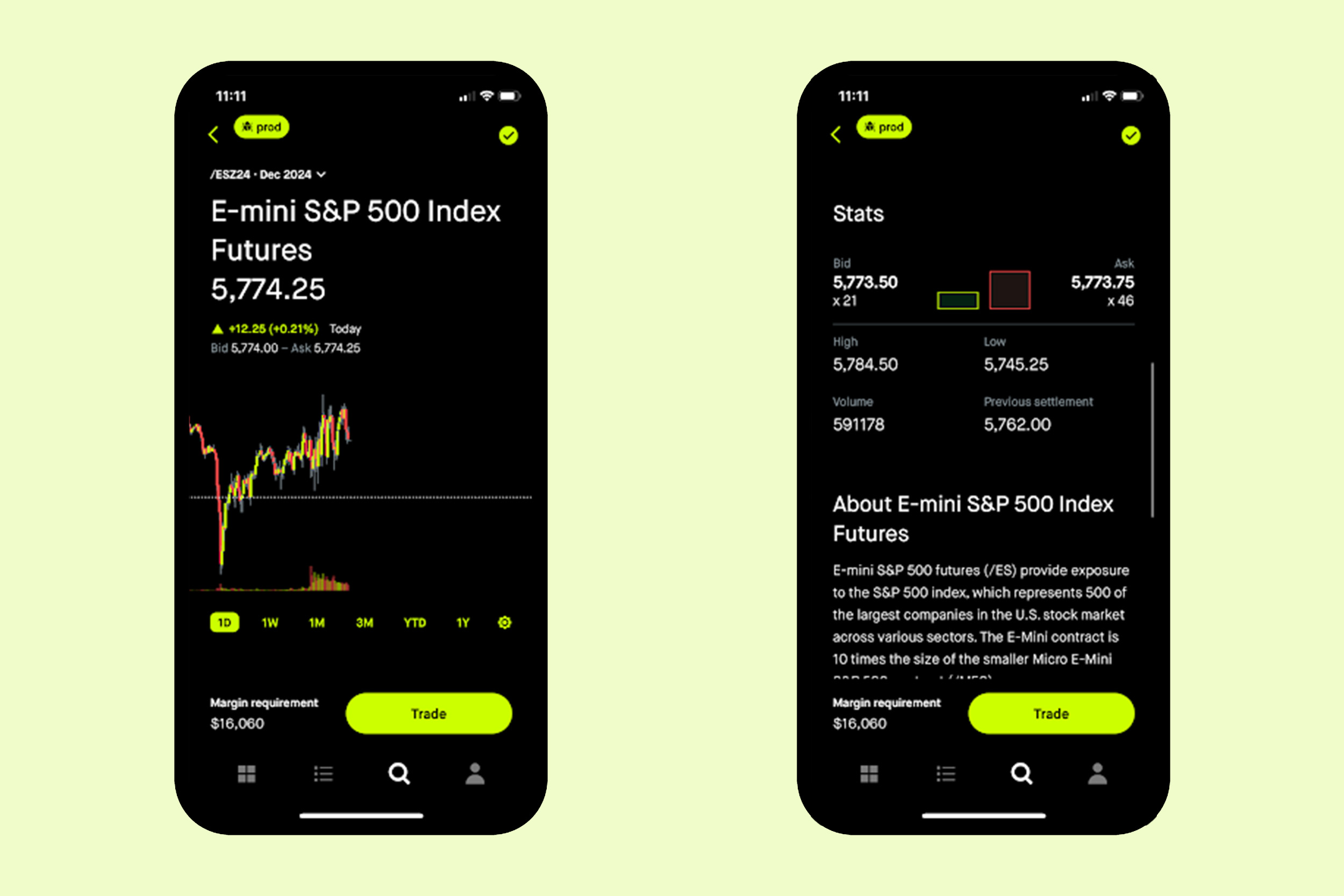
Understanding the S&P 500 Index
Before executing a trade, it is crucial to understand exactly what you are buying. The S&P 500 (Standard & Poor’s 500) is not a single stock, but a market-capitalization-weighted index. This means that larger companies like Apple, Microsoft, and Amazon have a more significant impact on the index’s performance than smaller companies within the list.
Why the S&P 500 is a Staple for Investors
The primary appeal of the S&P 500 lies in its inherent diversification. When you invest in the index, you are effectively buying a small piece of 500 different businesses across various sectors, including technology, healthcare, finance, and consumer staples. Historically, the S&P 500 has provided an average annual return of approximately 10% before inflation. While past performance is never a guarantee of future results, this consistent growth over decades has made it the cornerstone of retirement portfolios and institutional investments alike.
The Role of ETFs in Index Investing
You cannot “buy” the S&P 500 directly because it is an index—a mathematical measurement. Instead, investors buy Exchange-Traded Funds (ETFs) that are designed to track the index. These funds hold shares in all 500 companies in the same proportions as the index. On Robinhood, these ETFs trade just like individual stocks, making them highly liquid and easy to manage.
Setting Up Your Robinhood Account for Success
Robinhood revolutionized the brokerage industry by introducing commission-free trading and a simplified user experience. To invest in the S&P 500, you must first ensure your account is properly configured and funded.
Account Registration and Verification
If you haven’t already, you will need to download the app and complete the registration process. This involves providing personal information, such as your Social Security Number, to comply with federal regulations. Once your identity is verified, you can link a bank account. Robinhood uses secure services like Plaid to facilitate these connections, allowing for “Instant Deposits” so you can begin investing immediately without waiting several days for funds to clear.
Choosing Between a Cash and Margin Account
Robinhood offers different account types. A standard cash account allows you to trade with the money you have deposited. A margin account (Robinhood Gold) allows you to borrow money from the brokerage to purchase securities. For most long-term S&P 500 investors, a standard cash account is preferable, as it avoids the risks and interest costs associated with debt-leveraged investing.
How to Find and Purchase S&P 500 ETFs on Robinhood

Once your account is funded, the next step is identifying the specific fund you wish to purchase. Since there are several ETFs that track the S&P 500, you should choose one that fits your budget and offers a low expense ratio.
Identifying Popular S&P 500 Tickers
On the Robinhood search bar, you can look for the following widely respected ETFs:
-
VOO (Vanguard S&P 500 ETF): Known for its extremely low expense ratio, VOO is a favorite among long-term investors who want to keep more of their returns.
-
SPY (SPDR S&P 500 ETF Trust): This is the oldest and most liquid S&P 500 ETF. While its expense ratio is slightly higher than VOO, it is the standard for high-volume traders.
-
IVV (iShares Core S&P 500 ETF): Offered by BlackRock, this fund is another low-cost leader that mirrors the index with high precision.
Executing the Trade: Step-by-Step
-
Search: Type the ticker symbol (e.g., “VOO”) into the search icon at the bottom of the Robinhood app.
-
Analyze: Review the price chart, stats, and analyst ratings provided on the stock’s page.
-
Trade: Tap the “Trade” button and then select “Buy.”
-
Select Order Type: By default, Robinhood uses “Market Orders,” which buy the stock at the current market price. For more control, you can tap the order type in the top right corner and select a “Limit Order,” which allows you to specify the maximum price you are willing to pay.
-
Enter Amount: You can choose to buy in “Shares” or “Dollars.” One of Robinhood’s best features is fractional shares, meaning if a share of VOO costs $450 and you only have $50, you can still buy $50 worth of the fund.
-
Review and Swipe: Confirm your details and swipe up to submit the order.
Advanced Strategies for S&P 500 Investing
Simply buying shares is the first step, but implementing a disciplined strategy can significantly enhance your long-term wealth accumulation.
Implementing Dollar-Cost Averaging (DCA)
Market timing is notoriously difficult, even for professionals. Instead of trying to “buy the dip,” many successful investors use Dollar-Cost Averaging. This involves investing a fixed amount of money at regular intervals (e.g., $200 every Friday) regardless of the market price. Robinhood facilitates this through its “Recurring Investment” feature. Over time, this strategy lowers the average cost per share, as you naturally buy more shares when prices are low and fewer when prices are high.
Enabling Dividend Reinvestment (DRIP)
Most companies in the S&P 500 pay dividends. When the ETF receives these dividends, it distributes them to you. On Robinhood, you can enable the Dividend Reinvestment Plan (DRIP). Instead of receiving the dividend as cash in your brokerage account, Robinhood will automatically use that cash to buy more fractional shares of the ETF. This triggers the power of compounding, as your increasing number of shares produces even more dividends in the future.
Risks and Long-Term Considerations
While the S&P 500 is considered a relatively safe equity investment compared to individual “penny stocks” or volatile cryptocurrencies, it is not without risk.
Managing Market Volatility
The stock market moves in cycles. There will be years where the S&P 500 gains 20% and years where it loses 10% or more. The key to successful S&P 500 investing is a long-term horizon. Historically, the index has recovered from every major downturn, including the 2008 financial crisis and the 2020 pandemic crash. Investors must possess the emotional fortitude to hold through periods of “red” in their portfolio.
The Importance of Portfolio Diversification
While the S&P 500 offers great diversification within the U.S. large-cap market, it does not include small-cap companies, international stocks, or bonds. As your portfolio grows on Robinhood, you might consider balancing your S&P 500 holdings with other ETFs, such as those tracking the Nasdaq-100 (QQQ) for more tech exposure or total international stock market funds (VXUS).
Understanding Expense Ratios and Taxes
Every ETF has an expense ratio—an annual fee charged by the fund manager to cover administrative costs. Funds like VOO have an expense ratio of around 0.03%, meaning you pay only $3 for every $10,000 invested. Additionally, be aware of tax implications. If you hold your S&P 500 ETF in a standard brokerage account, you will owe capital gains tax when you sell your shares for a profit. However, if you use a Robinhood IRA (Individual Retirement Account), you may benefit from significant tax advantages, depending on whether you choose a Traditional or Roth structure.
Investing in the S&P 500 via Robinhood is one of the most effective ways for the average person to participate in the growth of the global economy. By choosing a low-cost ETF, automating your investments, and maintaining a long-term perspective, you can turn the complexities of the financial markets into a straightforward engine for personal wealth.
aViewFromTheCave is a participant in the Amazon Services LLC Associates Program, an affiliate advertising program designed to provide a means for sites to earn advertising fees by advertising and linking to Amazon.com. Amazon, the Amazon logo, AmazonSupply, and the AmazonSupply logo are trademarks of Amazon.com, Inc. or its affiliates. As an Amazon Associate we earn affiliate commissions from qualifying purchases.