
Investing in cryptocurrencies has transitioned from a niche interest to a significant component of modern finance, attracting individuals and institutions alike. What began with Bitcoin in 2009 has blossomed into a sprawling ecosystem of thousands of digital assets, each with unique features and potential. While the allure of rapid returns is undeniable, the cryptocurrency market is also characterized by extreme volatility and inherent risks. This guide aims to provide a professional, insightful, and engaging roadmap for individuals looking to navigate this dynamic investment landscape responsibly, focusing purely on the financial aspects and strategies involved.
Understanding the Crypto Landscape Before You Invest
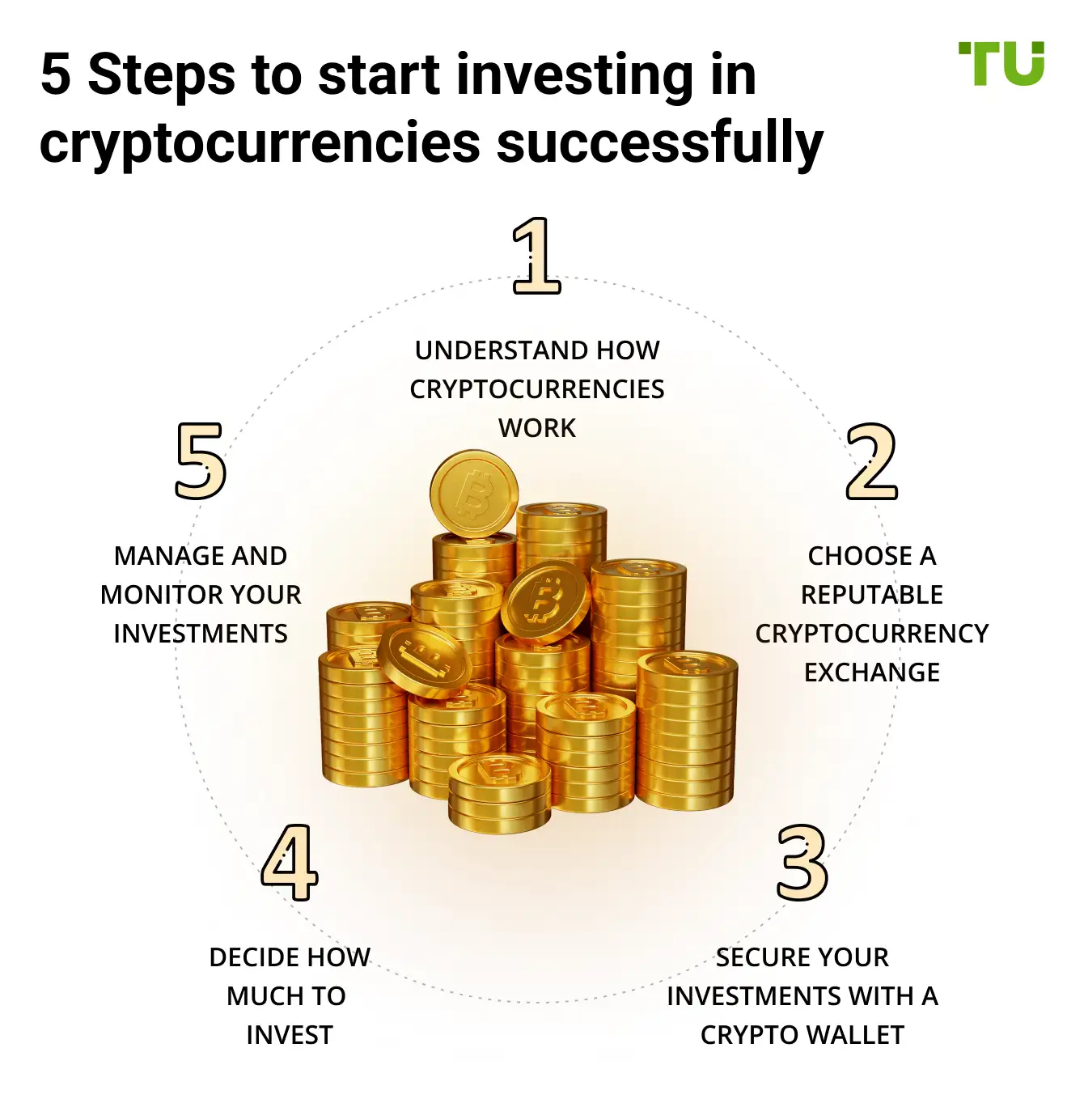
Before committing capital, a foundational understanding of what cryptocurrencies are, how they function, and the unique challenges they present is paramount. This initial phase is crucial for informed decision-making and risk mitigation.
What Are Cryptocurrencies?
At their core, cryptocurrencies are decentralized digital or virtual currencies secured by cryptography, making them nearly impossible to counterfeit or double-spend. The defining characteristic is their operation on a technology called blockchain—a distributed, immutable ledger maintained by a network of computers. This decentralization means no single entity, like a bank or government, controls the network, offering a significant departure from traditional financial systems. While Bitcoin remains the most prominent example, “altcoins” (alternative coins) like Ethereum, Ripple, Cardano, and Solana offer diverse functionalities, from smart contracts and decentralized applications (dApps) to faster transaction speeds and lower fees. Understanding these underlying technologies and their proposed use cases is the first step in identifying potential investment opportunities.
Key Characteristics and Volatility
The cryptocurrency market is renowned for its high volatility. Prices can fluctuate wildly within short periods, driven by factors such as market sentiment, regulatory news, technological advancements, macroeconomic conditions, and even social media trends. This volatility presents both substantial opportunities for significant gains and considerable risks for substantial losses. Unlike traditional stocks or bonds, which derive value from established companies or government stability, many cryptocurrencies’ value is speculative, based on future adoption, utility, and network effects. Investors must acknowledge and be prepared for this inherent market characteristic. Furthermore, the 24/7 nature of crypto trading means there are no “market close” periods, requiring investors to stay informed and potentially adjust strategies around the clock.
Common Misconceptions and Risks
Several misconceptions and risks commonly surround cryptocurrency investing. Firstly, not all digital assets are created equal; many lack real-world utility or robust development teams, making them susceptible to pump-and-dump schemes. Secondly, while blockchain technology itself is secure, the platforms and methods used to interact with it (exchanges, wallets) can be vulnerable to hacks, phishing, or user error. Losing private keys or falling victim to a scam can result in irreversible loss of funds. Regulatory uncertainty is another significant risk; governments worldwide are still developing frameworks for cryptocurrencies, and unforeseen regulations could impact market dynamics. Lastly, the technical complexity can be daunting for newcomers, leading to mistakes in asset management or transaction execution. Educating oneself about these pitfalls is as important as understanding the potential rewards.
Setting Up Your Crypto Investment Journey
Once you grasp the basics, the next step involves preparing for actual investment. This includes defining your financial objectives, selecting suitable platforms, and understanding the practicalities of funding your investment.
Defining Your Investment Goals and Risk Tolerance
Before making any investment, clearly define your financial goals and honestly assess your risk tolerance. Are you looking for long-term growth, short-term speculation, or passive income through staking? Cryptocurrencies are generally considered high-risk, high-reward assets. If you are risk-averse, allocating a small percentage of your portfolio (e.g., 1-5%) to established cryptocurrencies might be appropriate. Conversely, if you have a higher risk tolerance and a deeper understanding, you might explore a broader range of altcoins. Never invest more than you can afford to lose, as capital loss is a real possibility in this volatile market. Aligning your investment strategy with your personal financial situation and comfort level is paramount to sustainable investing.
Choosing the Right Cryptocurrency Exchange
The cryptocurrency exchange serves as your gateway to the market. Selecting the right exchange is a critical decision based on several factors:
- Security: Prioritize exchanges with robust security measures, including two-factor authentication (2FA), cold storage for a majority of funds, and a strong track record against hacks.
- Fees: Understand the fee structure, which can include trading fees, deposit/withdrawal fees, and network fees. These can vary significantly between platforms.
- Available Cryptocurrencies: Ensure the exchange lists the cryptocurrencies you are interested in investing in. Larger exchanges offer a wider selection, while smaller ones might specialize.
- Ease of Use: A user-friendly interface is important, especially for beginners. Look for clear navigation, simple trading tools, and accessible customer support.
- Liquidity: High liquidity ensures you can buy and sell assets quickly at fair market prices.
- Regulatory Compliance: Choose exchanges that comply with local financial regulations, as this often provides an extra layer of consumer protection.
Popular exchanges include Coinbase, Binance, Kraken, and Gemini, each with its unique strengths and target audience. Conduct thorough research and read reviews before making a choice.
Funding Your Account
Once you’ve chosen an exchange and completed the necessary identity verification (KYC – Know Your Customer), you’ll need to fund your account. Common methods include:
- Bank Transfer (ACH/SEPA): Often the most cost-effective method, but can take a few business days for funds to clear.
- Debit/Credit Card: Funds are usually available instantly, but often come with higher fees.
- Wire Transfer: Faster than ACH for larger amounts, but can incur higher bank fees.
- Peer-to-Peer (P2P) Trading: Some exchanges allow direct trading with other users, offering alternative payment methods, but requires caution.
- Depositing Existing Crypto: If you already own cryptocurrency on another platform or wallet, you can transfer it to your chosen exchange.
Always double-check transaction details, addresses, and fees before confirming any transfer.
Navigating Investment Strategies and Portfolio Management
With your account set up, the focus shifts to strategic investment and ongoing portfolio management. This involves understanding different approaches and managing the tax implications.
Diversification in Crypto
Just as with traditional investments, diversification is a cornerstone of prudent crypto investing. While it might be tempting to put all your capital into the latest trending altcoin, spreading your investment across multiple cryptocurrencies can mitigate risk. A common strategy involves allocating a significant portion (e.g., 50-70%) to established, large-cap cryptocurrencies like Bitcoin and Ethereum, which have demonstrated resilience and adoption. The remaining portion can be diversified into promising mid-cap and small-cap altcoins that address different market needs or offer innovative solutions (e.g., DeFi protocols, Layer 2 solutions, privacy coins). The goal is to avoid over-reliance on a single asset’s performance and potentially capture growth from various segments of the market. However, be mindful of over-diversification, which can dilute returns and make portfolio management cumbersome.
Dollar-Cost Averaging (DCA) Explained
Given the extreme volatility of the crypto market, timing the market perfectly is notoriously difficult, if not impossible. Dollar-Cost Averaging (DCA) is a highly effective strategy that mitigates this risk. DCA involves investing a fixed amount of money at regular intervals (e.g., weekly, monthly) regardless of the asset’s price. When prices are high, your fixed investment buys fewer units; when prices are low, it buys more. Over time, this strategy averages out your purchase price, reducing the impact of short-term price fluctuations and psychological biases. DCA helps prevent making large, ill-timed investments at market peaks and encourages a disciplined, long-term approach to accumulating assets. It’s particularly well-suited for volatile markets like crypto.
Understanding Different Investment Approaches
Beyond simple buying and holding, the crypto space offers several advanced investment approaches:
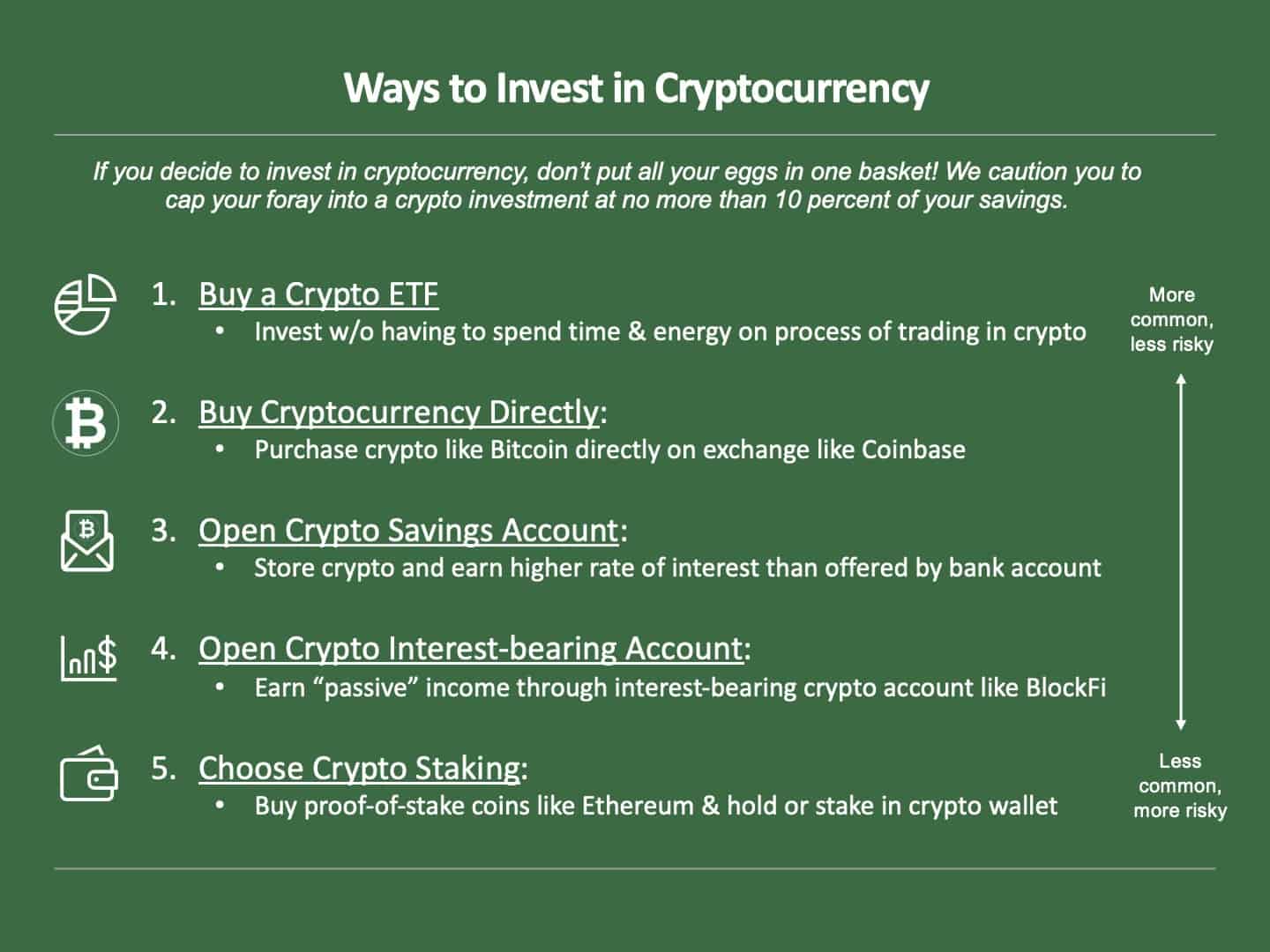
- HODLing (Hold On for Dear Life): This is a long-term strategy where investors buy cryptocurrencies and hold them for an extended period, often years, disregarding short-term price movements. It’s based on the belief that the value of the asset will appreciate significantly over time.
- Trading: Short-term trading involves frequently buying and selling cryptocurrencies to profit from price swings. This requires significant market analysis, technical knowledge, and a high tolerance for risk.
- Staking: Many proof-of-stake (PoS) cryptocurrencies allow holders to “stake” their coins to support the network’s operations and earn rewards (new coins) in return. This is a form of passive income.
- Yield Farming/Liquidity Providing: In decentralized finance (DeFi), users can provide liquidity to decentralized exchanges or lending protocols and earn fees or governance tokens. This offers high potential returns but also carries significant risks like impermanent loss and smart contract vulnerabilities.
- Lending/Borrowing: Centralized exchanges and DeFi platforms allow users to lend out their crypto for interest or borrow against their holdings.
Each approach comes with its own risk profile and requires different levels of engagement and knowledge.
Tax Implications of Crypto Investing
A critical, often overlooked aspect of crypto investing is understanding the tax implications. In many jurisdictions, cryptocurrencies are treated as property for tax purposes, not currency. This means capital gains tax may apply when you sell, trade, or otherwise dispose of your crypto for a profit. Taxable events can include:
- Selling crypto for fiat currency.
- Trading one cryptocurrency for another.
- Using crypto to purchase goods or services.
- Earning rewards from staking or yield farming.
It is essential to keep meticulous records of all your crypto transactions, including purchase dates, acquisition costs, sale dates, and sale prices. Consult with a qualified tax professional who specializes in cryptocurrency to ensure compliance with local tax laws and optimize your tax strategy. Ignoring tax obligations can lead to significant penalties.
Essential Security Measures and Best Practices
The decentralized nature of cryptocurrencies places a greater burden of security on the individual investor. Protecting your assets is paramount.
Wallet Security: Hot vs. Cold Wallets
Choosing the right type of wallet is crucial for securing your crypto assets:
- Hot Wallets: Connected to the internet (e.g., exchange wallets, mobile wallets, desktop wallets). They offer convenience for frequent trading but are more susceptible to online threats. Use hot wallets only for funds you actively trade or a small portion of your overall holdings.
- Cold Wallets (Hardware Wallets): Offline devices (e.g., Ledger, Trezor) that store your private keys securely, isolated from the internet. They are considered the most secure option for long-term storage of significant crypto holdings. Always buy hardware wallets directly from the manufacturer to avoid tampering.
Regardless of the wallet type, always back up your seed phrase (a series of words that can restore your wallet) and store it securely offline, away from prying eyes and potential damage. Never share your seed phrase with anyone.
Protecting Your Exchange Account
Your exchange account is a primary target for malicious actors. Implement the following security measures:
- Two-Factor Authentication (2FA): Enable 2FA on all your exchange accounts using an authenticator app (like Google Authenticator or Authy) rather than SMS-based 2FA, which can be vulnerable to SIM swap attacks.
- Strong, Unique Passwords: Use complex, unique passwords for each exchange account and never reuse passwords. Consider using a reputable password manager.
- Whitelisting Withdrawal Addresses: Many exchanges allow you to whitelist specific wallet addresses for withdrawals, preventing funds from being sent to unauthorized addresses even if your account is compromised.
- Beware of Phishing: Always verify the URL of the exchange before logging in. Phishing websites mimic legitimate sites to steal your credentials. Never click on suspicious links in emails or messages.
- Regular Security Audits: Periodically review your account activity for any unauthorized transactions or login attempts.
Due Diligence and Research
Blindly investing based on hype or social media recommendations is a recipe for disaster. Thorough due diligence is non-negotiable:
- Read Whitepapers: Understand the project’s technology, problem it aims to solve, and roadmap.
- Research the Team: Investigate the developers, advisors, and their backgrounds. A strong, experienced team is a positive indicator.
- Community and Development: Assess the project’s community engagement, transparency, and ongoing development activity (e.g., GitHub commits).
- Use Cases and Adoption: Evaluate whether the cryptocurrency has a viable use case, potential for real-world adoption, and a sustainable economic model.
- Market Cap and Liquidity: Consider the market capitalization (total value of all coins in circulation) and liquidity to understand its market standing and ease of trading.
Avoiding Common Scams
The crypto space is unfortunately rife with scams. Be vigilant against:
- Phishing Scams: Fake websites, emails, or messages designed to steal your private keys or login credentials.
- Pump-and-Dump Schemes: Coordinated efforts to artificially inflate the price of a low-liquidity coin through deceptive promotions, only for insiders to sell off at the peak, leaving others with worthless assets.
- Fake ICOs/Projects: Projects that promise unrealistic returns, lack clear whitepapers or credible teams, and disappear after collecting funds.
- Impersonation Scams: Individuals posing as support staff, celebrities, or reputable figures to solicit funds or private information.
- Malware: Malicious software designed to steal crypto by monitoring clipboard data or keylogging.
Always be skeptical of anything that sounds too good to be true and verify information from multiple reputable sources.
The Future of Crypto Investing and Continuous Learning
The cryptocurrency market is in a constant state of evolution. Staying informed and adaptable is key to long-term success.
Staying Informed with Market Trends and Regulations
The crypto landscape is highly dynamic, with new technologies emerging, market trends shifting, and regulatory environments evolving rapidly. Continuously educate yourself by following reputable crypto news sources, industry analyses, research papers, and regulatory updates from financial authorities. Understand that market sentiment can change quickly, driven by geopolitical events, technological breakthroughs, or shifts in institutional adoption. Staying informed allows you to adapt your investment strategy, identify new opportunities, and mitigate potential risks stemming from unforeseen changes.
The Evolving Role of Decentralized Finance (DeFi)
Decentralized Finance (DeFi) represents a significant paradigm shift within the crypto ecosystem, aiming to recreate traditional financial services—like lending, borrowing, trading, and insurance—using blockchain technology without intermediaries. DeFi platforms offer unprecedented opportunities for passive income through yield farming, liquidity providing, and staking. However, DeFi is also a complex and nascent sector, often involving higher risks related to smart contract vulnerabilities, impermanent loss, and regulatory uncertainty. Understanding the fundamentals of DeFi and its various protocols can unlock advanced investment avenues for those willing to commit to deeper research and risk assessment.

Long-Term Outlook and Innovation
Despite its volatility, many believe in the long-term potential of cryptocurrencies and blockchain technology to fundamentally reshape global finance and various industries. Innovations continue to emerge, from improvements in scalability and security (e.g., Layer 2 solutions, sharding) to new applications in areas like NFTs (Non-Fungible Tokens), metaverse, and Web3. Investing in cryptocurrencies is not just about asset appreciation; it’s also an investment in cutting-edge technology and a vision for a more decentralized future. A long-term perspective, combined with ongoing education and a willingness to adapt, positions investors to navigate the inevitable market cycles and capitalize on the sustained growth and innovation within this revolutionary sector.
In conclusion, investing in cryptocurrencies offers a compelling blend of opportunity and challenge. By thoroughly understanding the underlying technology, meticulously planning your investment strategy, diligently managing risks, and prioritizing robust security measures, individuals can confidently approach this transformative financial frontier. Remember, patience, continuous learning, and a disciplined approach are your greatest assets in the volatile yet promising world of digital finance.
aViewFromTheCave is a participant in the Amazon Services LLC Associates Program, an affiliate advertising program designed to provide a means for sites to earn advertising fees by advertising and linking to Amazon.com. Amazon, the Amazon logo, AmazonSupply, and the AmazonSupply logo are trademarks of Amazon.com, Inc. or its affiliates. As an Amazon Associate we earn affiliate commissions from qualifying purchases.