
For the discerning traveler, American Express Membership Rewards points are more than just a loyalty currency; they are a gateway to unparalleled travel experiences. Whether it’s an urgent business trip, a spontaneous weekend getaway, or that dream international first-class journey, understanding how to leverage your Amex points for flights is a critical financial skill. The seemingly simple question, “how many points for an American Express flight?”, unveils a complex, yet rewarding, world of redemption strategies, dynamic valuations, and strategic financial planning. This article dives deep into demystifying Amex flight redemptions, providing insights into maximizing the value of your hard-earned points, and transforming them into tangible travel benefits.
Understanding the Value of Your American Express Membership Rewards Points
The foundational step in optimizing your Amex flight redemptions is to grasp the inherent, yet often variable, value of a Membership Rewards point. Unlike a fixed currency, the purchasing power of an Amex point fluctuates significantly based on how you choose to redeem it. This dynamic valuation is what sets Amex points apart and, simultaneously, makes strategic redemption a vital financial consideration for cardholders.
The Dynamic Nature of Amex Point Valuation
At its core, an Amex Membership Rewards point doesn’t have a universal cash equivalent. While some redemption options might offer a straightforward 0.6 cents per point (e.g., statement credits) or 0.7 cents per point (some gift cards), flight redemptions via the Amex Travel Portal typically provide a consistent 1 cent per point value. However, the true potential for value maximization lies in transferring points to Amex’s extensive network of airline loyalty partners, where values can soar to 2 cents, 3 cents, or even higher per point, especially for premium cabin international travel. This variability means that calculating “how many points” isn’t just about a number, but about the effective cash value those points represent for your specific travel goal. Smart financial management dictates always seeking the highest return on your points investment.
Different Redemption Avenues and Their Implied Value
American Express offers a spectrum of redemption avenues, each with its own implicit value proposition. Understanding these differences is paramount to making financially astute decisions for your travel.
- Amex Travel Portal (Flights): This is often the most straightforward option. When booking flights directly through the Amex Travel portal, you typically receive 1 cent per point. For example, a $300 flight would cost 30,000 points. While consistent and easy, it often represents a baseline value.
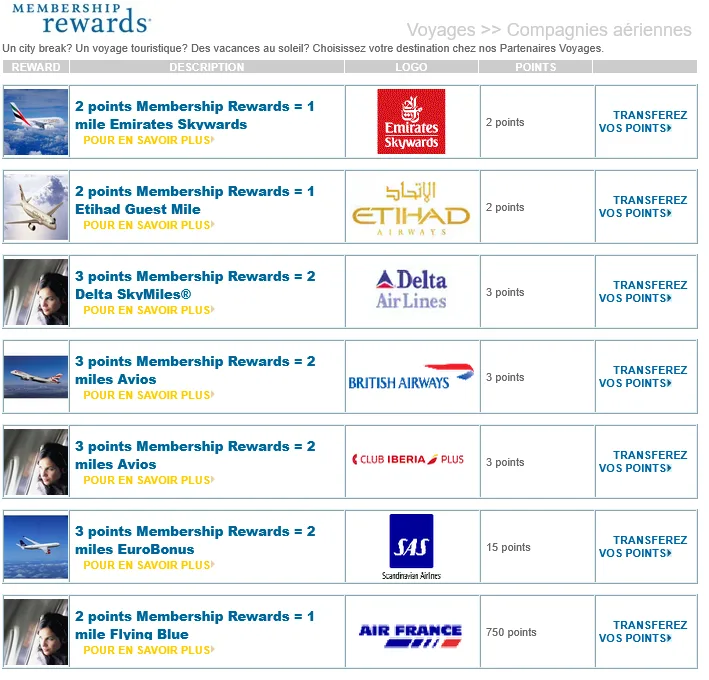
- Airline Transfer Partners: This is where the magic often happens. Amex allows you to transfer your Membership Rewards points to a variety of airline frequent flyer programs (e.g., Delta SkyMiles, British Airways Avios, Singapore Airlines KrisFlyer, ANA Mileage Club). The value here is not fixed; instead, it depends on the specific airline program’s award chart, the route, the cabin class, and award availability. Premium cabin bookings, in particular, can yield extraordinary value, often far exceeding the 1 cent per point you’d get via the Amex Travel Portal.
- Hotel Transfer Partners: Similar to airlines, Amex partners with hotel chains like Marriott Bonvoy and Hilton Honors. While these can be useful for accommodation, the point transfer ratios and resulting value are generally less favorable than airline transfers for flights.
- Gift Cards, Statement Credits, Merchandise: These options generally offer the lowest per-point value, often ranging from 0.5 to 0.7 cents per point. From a financial perspective, these are considered suboptimal redemptions if your primary goal is travel.
The core financial lesson here is to prioritize redemptions that offer the highest per-point value, with airline transfers usually topping the list for flights, followed by direct bookings through the Amex Travel Portal.
The Amex Travel Portal: A Direct Approach to Flight Redemption
For many Amex cardholders, the Amex Travel Portal is the first and most accessible avenue for redeeming points for flights. It offers a user-friendly interface and a predictable redemption rate, making it a reliable choice for various travel needs.
How Amex Travel Works for Flights
The Amex Travel Portal functions much like any other online travel agency (OTA) such as Expedia or Kayak. You can search for flights from a wide array of airlines, compare prices, and then choose to pay for your booking entirely with points, a combination of points and cash, or solely with a linked Amex card.
When you opt to “Pay with Points” for flights, American Express applies a fixed redemption rate of 1 cent per point. This means if a flight costs $500, you will need 50,000 Membership Rewards points to cover the full fare. The process is straightforward:
- Log into your American Express account.
- Navigate to the “Travel” section and select “Flights.”
- Enter your desired departure and destination, dates, and number of passengers.
- Browse the available flights. The portal will display both the cash price and the equivalent points needed.
- Select your preferred flight and proceed to checkout, where you can choose your payment method (full points, points + cash, or credit card).
This simplicity is a significant advantage, particularly for those who prefer not to delve into the complexities of airline award charts and transfer ratios.
Pros and Cons of Booking Through Amex Travel
Like any financial tool, using the Amex Travel Portal for flights comes with its own set of advantages and disadvantages that savvy cardholders should weigh.
Pros:
- Simplicity and Convenience: The booking process is intuitive and similar to standard online flight bookings. You don’t need to navigate individual airline loyalty programs.
- No Blackout Dates: As long as a flight is commercially available for cash purchase, you can book it with points through Amex Travel. This means you aren’t restricted by limited “award availability” that often plagues airline loyalty programs.
- Fixed Value (1 cent per point): While not the highest potential value, it’s a consistent and predictable return on your points. This eliminates guesswork and provides clarity on the financial outlay.
- Works for Any Airline: You aren’t limited to Amex’s transfer partners; you can book flights on virtually any airline that appears in the search results.
- Earn Airline Miles and Status: Flights booked through Amex Travel typically count as revenue flights, meaning you will earn airline miles and elite status credits (if applicable) for your journey, which is often not the case with award bookings via transfer partners.
Cons:
- Suboptimal Value: The fixed 1 cent per point value is often lower than what can be achieved by strategically transferring points to airline partners for premium cabin redemptions. This represents an opportunity cost for your points.
- Limited Flexibility (Post-Booking): Changes or cancellations might be subject to Amex Travel’s policies in addition to the airline’s, potentially adding a layer of complexity or fees.
- No Access to Exclusive Award Space: You won’t have access to special award seats that are only available through an airline’s own frequent flyer program.
For those prioritizing ease and certainty, especially for economy flights or when award space is scarce, the Amex Travel Portal is a perfectly viable and financially sound option. However, for maximum value, particularly for aspirational travel, a different strategy comes into play.
Maximizing Value: Leveraging Amex Transfer Partners for Flight Bookings
The true power of American Express Membership Rewards points is unleashed when you strategically transfer them to one of Amex’s numerous airline loyalty program partners. This method, while requiring a bit more research and flexibility, offers the potential for significantly higher per-point value, particularly for business and first-class travel.
The Strategic Advantage of Airline Transfer Partners
When you transfer your Amex points to an airline’s frequent flyer program, your Membership Rewards points are converted into that airline’s specific miles or points (e.g., 1,000 Amex points become 1,000 Delta SkyMiles, though ratios can vary). These airline miles can then be redeemed for flights directly through the airline’s award program.
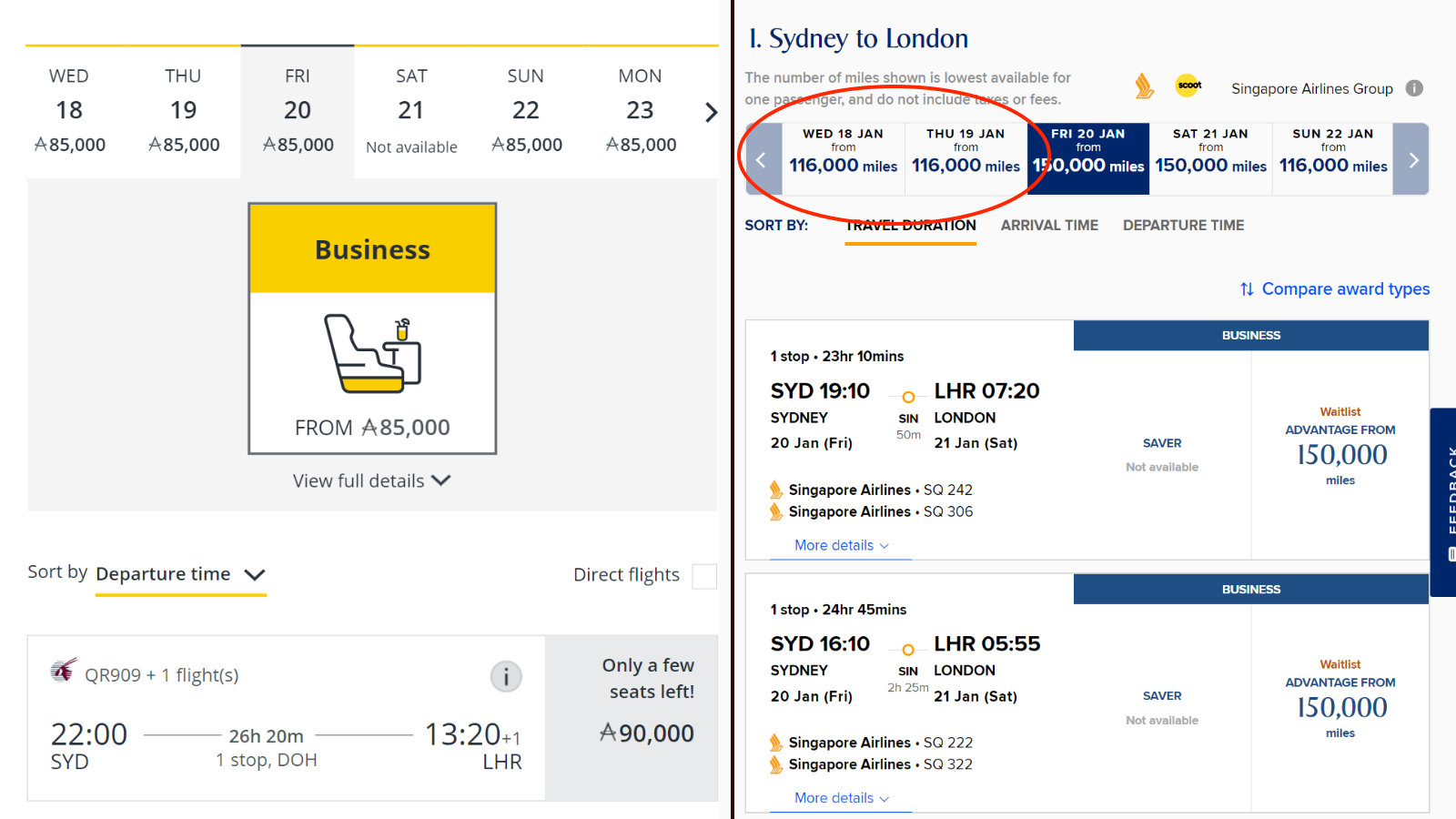
The key advantage here is the potential for outsized value. While a $5,000 business class ticket might cost 500,000 points via the Amex Travel Portal (at 1 cent/point), transferring those same points to an airline partner could allow you to book that exact flight for, say, 70,000 or 100,000 miles. In this scenario, your points are effectively worth 5-7 cents each, representing a monumental financial gain. This strategy is particularly powerful for long-haul international flights in premium cabins, where cash prices are prohibitively high.
Key American Express Airline Transfer Partners and Their Sweet Spots
American Express boasts a robust lineup of airline transfer partners, each offering unique opportunities for point maximization. Understanding their “sweet spots” – specific routes or cabin classes where redemption values are exceptionally high – is crucial for strategic financial planning.

- Delta SkyMiles: A direct partner, but often yields lower per-point value due to dynamic pricing. Still useful for domestic flights or when other options aren’t available, but rarely a “sweet spot” for maximizing value.
- British Airways Avios: Excellent for short-haul flights (under 650 miles) on British Airways or their partners like American Airlines, especially in economy or even business class due to distance-based award charts. Can also be good for certain long-haul flights with low fuel surcharges.
- ANA Mileage Club: Renowned for incredible value on round-the-world itineraries and premium cabin flights to Japan and beyond. Requires booking round-trip, but the mileage requirements can be significantly lower than other programs for complex itineraries.
- Singapore Airlines KrisFlyer: A go-to for aspirational premium cabin travel on Singapore Airlines’ award-winning routes, including their famous Suites Class. Award availability can be tight, but the value is often exceptional.
- Air Canada Aeroplan: A flexible program with numerous Star Alliance partners, often offering reasonable rates for flights to Europe and Asia. Also has a favorable policy regarding fuel surcharges.
- Virgin Atlantic Flying Club: Often has “flash sales” and good redemption rates for certain routes, particularly on partners like ANA for premium cabins or Delta for specific routes.
The financial strategy here involves actively researching these partners’ award charts, understanding their alliance networks (Star Alliance, Oneworld, SkyTeam), and identifying routes where mileage requirements are low relative to the cash cost of the ticket.
The Art of Finding Award Availability and Calculating Points Needed
Successfully leveraging transfer partners requires patience, flexibility, and a methodological approach to finding award availability.
- Flexibility is Key: Award space, especially for premium cabins, is limited and often released far in advance or very close to departure. Being flexible with your travel dates and even destinations can greatly increase your chances.
- Search Multiple Partner Sites: Don’t just check one airline. If you want to fly to Europe, for example, search award space on United (via Aeroplan), Lufthansa (via ANA), and British Airways (via Avios), all of which can be booked with Amex points. Tools like AwardHacker, Google Flights (for cash prices), and specific airline award search engines (e.g., United.com for Star Alliance, BritishAirways.com for Oneworld) are invaluable.
- Understand Award Charts: Each airline program has an award chart that dictates how many miles are needed for a specific route and cabin class. Some are region-based, others distance-based, and increasingly, many are dynamically priced, making pre-calculation challenging but still possible to estimate.
- Account for Taxes and Fees: While you’re using points for the “fare,” you’ll almost always need to pay cash for government taxes and airport fees. Some airlines (notably British Airways) levy significant fuel surcharges on award tickets, which can substantially increase your cash outlay. Always factor these into your financial equation.
- Transfer Points Prudently: Point transfers are almost always irreversible. Only transfer points once you have confirmed award availability and are ready to book, as transfer times can vary (from instant to several days).
By mastering this process, “how many points” becomes a calculable and strategically optimized figure, ensuring you extract maximum financial value from your American Express Membership Rewards.
Strategic Considerations for Amex Flight Redemptions
Beyond the mechanics of redemption, effective financial management of your American Express points involves broader strategic thinking. It’s about aligning your travel goals with your point balance and understanding the long-term implications of your choices.
Assessing Your Travel Goals and Point Balance
Before initiating any redemption, a crucial financial assessment is needed:
- What is your travel goal? Are you looking for the cheapest possible economy flight for a domestic trip? Or are you saving for an aspirational first-class international journey? Your goal directly dictates the optimal redemption strategy.
- What is your current point balance? A smaller balance might be best used for economy flights through the Amex Travel Portal or short-haul transfers. A larger balance opens the door to premium cabins via transfer partners.
- Are you flexible? High-value redemptions often require flexibility with dates and even destinations. If your travel dates are rigid, the Amex Travel Portal might be your most reliable, albeit less valuable, option.
- What’s your financial timeline? Are you redeeming points for immediate travel, or are you accumulating for a future trip? Holding points for an extended period carries the risk of devaluations by airline partners or Amex itself.
A clear understanding of these factors will guide you toward the most financially efficient use of your points.
Avoiding Common Pitfalls and Hidden Costs
Even with a solid strategy, several pitfalls can diminish the financial effectiveness of your Amex point redemptions:
- Irreversible Transfers: As mentioned, point transfers to airline partners are generally final. If your plans change or award space disappears, those miles are stuck in that airline’s program. Always confirm availability before transferring.
- High Fuel Surcharges: Some airlines, particularly British Airways and Lufthansa, are notorious for levying substantial fuel surcharges on award tickets. Always check the total cash cost (taxes + fees + surcharges) before committing your points. Sometimes, a “cheaper” award redemption in points might end up being more expensive in cash than a different option.
- Dynamic Pricing: More and more airlines are moving towards dynamic award pricing, meaning the number of miles required for a flight can vary wildly based on demand, date, and other factors, much like cash tickets. This makes finding “sweet spots” harder but not impossible.
- Cancellation/Change Fees: While paying with points, you are still subject to the airline’s cancellation and change policies, which can involve fees in cash or miles. Factor these potential costs into your financial risk assessment.
- Point Expiration: While Amex Membership Rewards points generally don’t expire as long as your account is open and in good standing, transferred airline miles might have their own expiration policies. Be aware of these to avoid losing your investment.
The Role of Amex Card Benefits and Annual Fees
The value derived from American Express flights must also be considered in the context of your specific Amex card’s annual fee and associated benefits. A premium card like The Platinum Card® from American Express comes with a high annual fee, but also offers substantial travel credits (e.g., airline fee credit, Uber credit, hotel credit), lounge access, and elite status perks.
When calculating the true value of “how many points for an American Express flight,” you should implicitly consider:
- Offsetting Annual Fees: Do the travel credits and lounge access you utilize effectively reduce the net annual fee, thereby making your points “cheaper” to earn?
- Enhanced Travel Experience: Do benefits like travel insurance, car rental insurance, or hotel elite status enhance your trip, adding a layer of financial protection and comfort that wouldn’t be present otherwise?
- Point Earning Rates: Different cards earn points at different rates for various spending categories. Are you using the optimal card for your spending to maximize point accumulation?
The overall financial strategy isn’t just about the redemption rate but the holistic value proposition of your Amex relationship.
Making the Smart Choice: Amex Flight Redemption Scenarios
Ultimately, the best way to determine “how many points for an American Express flight” is to assess your individual scenario and apply the most financially advantageous redemption strategy.
Scenario 1: The Budget-Conscious Economy Traveler
For someone primarily focused on getting from point A to point B as cheaply as possible in economy class, the decision often boils down to convenience vs. marginal value.
- Amex Travel Portal: Often the easiest option, offering a predictable 1 cent per point value for any commercially available flight. Great for last-minute bookings or when flexibility is low.
- Transfer Partners (Economy): Can sometimes yield slightly better than 1 cent per point for specific short-haul flights (e.g., British Airways Avios for domestic flights) or when an airline partner has a favorable award sale. Requires more effort to search for availability.
- Recommendation: For simplicity and reliability, the Amex Travel Portal is often sufficient. For those willing to put in the effort, check a few key transfer partners for potentially better value on specific routes.
Scenario 2: The Aspiring Business Class Flyer
This is where Amex points truly shine and offer the most significant financial leverage.
- Transfer Partners: Almost always the superior option. Research specific airline partners (e.g., ANA, Singapore Airlines, Air Canada Aeroplan) that offer aspirational business or first-class redemptions at a fraction of the cash cost. You might need 70,000-150,000 points for an international business class ticket that would cost $4,000-$8,000 in cash, yielding 4-10 cents per point in value.
- Amex Travel Portal (Premium Cabins): Generally not recommended for premium cabins unless absolutely necessary (e.g., a critical last-minute trip where no award space exists). Paying 500,000+ points for a business class ticket that could be had for far fewer via transfer partners is a significant financial misstep.
- Recommendation: Focus almost exclusively on transfer partners. Be flexible with dates and routes, and be prepared to book well in advance.
Scenario 3: The Last-Minute Spontaneous Trip
Last-minute travel presents unique challenges for point redemptions.
- Amex Travel Portal: Often the most reliable. Since it books revenue tickets, as long as a cash ticket is available, you can book it with points at 1 cent per point.
- Transfer Partners: Can be a gamble. While some airlines release award space closer to departure, it’s not guaranteed, especially for popular routes or premium cabins. Dynamic pricing might also make last-minute awards very expensive in miles.
- Recommendation: Start with the Amex Travel Portal for speed and certainty. If you have extreme flexibility and a strong understanding of airline award release patterns, a quick check with transfer partners might yield a surprise gem, but proceed with caution.
In conclusion, the question “how many points for an American Express flight?” has no single answer. It is a dynamic financial puzzle, solved by understanding the varying valuations of your points, judiciously choosing between the Amex Travel Portal and strategic transfer partners, and aligning your redemption strategy with your personal travel and financial goals. By approaching your Amex Membership Rewards points with insight and a forward-thinking mindset, you can unlock extraordinary value and transform them into unforgettable travel experiences.
aViewFromTheCave is a participant in the Amazon Services LLC Associates Program, an affiliate advertising program designed to provide a means for sites to earn advertising fees by advertising and linking to Amazon.com. Amazon, the Amazon logo, AmazonSupply, and the AmazonSupply logo are trademarks of Amazon.com, Inc. or its affiliates. As an Amazon Associate we earn affiliate commissions from qualifying purchases.