
For the modern consumer, a vehicle is often one of the most significant financial investments second only to a home. However, the true cost of vehicle ownership extends far beyond the initial purchase price or the monthly loan payment. Car insurance represents a critical pillar of personal finance, serving as a sophisticated risk management tool designed to protect your net worth from the catastrophic financial fallout of accidents, theft, or litigation.
Insuring a car is not merely a box to check to satisfy legal requirements; it is a strategic financial decision. Understanding how to navigate the complexities of premiums, deductibles, and coverage limits is essential for anyone looking to optimize their personal budget while maintaining a robust safety net.

Understanding the Fundamentals of Car Insurance as a Financial Safeguard
To effectively insure a car, one must first view insurance through the lens of risk mitigation. At its core, an insurance policy is a contract where you transfer the risk of a potential financial loss to an insurance company in exchange for a premium. Within the “Money” niche, this is known as capital preservation.
The Role of Liability Coverage in Wealth Protection
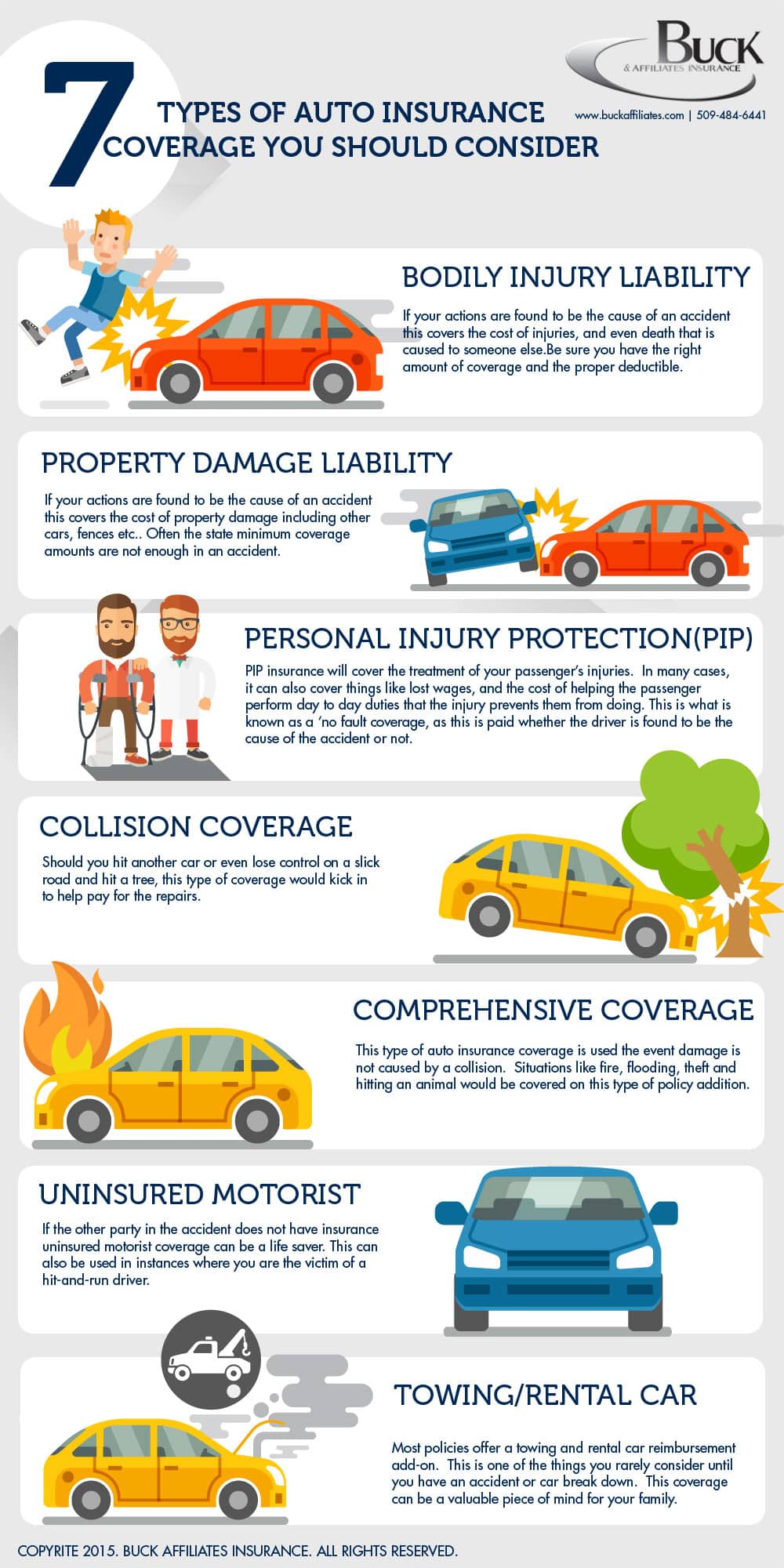
Liability coverage is perhaps the most vital component of a policy for those with accumulated assets. If you are found at fault in an accident, your liability coverage pays for the other party’s medical bills and property damage. Without adequate limits, an injured party could sue you directly, putting your savings, home, and future earnings at risk. Financial advisors often recommend “umbrella policies” or high liability limits (such as 100/300/100) to ensure that a single mistake on the road does not lead to a total financial wipeout.
Comprehensive vs. Collision: Evaluating Risk and Reward
While liability protects others, collision and comprehensive coverage protect your own asset. Collision coverage pays to repair or replace your vehicle after a crash, regardless of fault. Comprehensive coverage handles non-collision events, such as theft, fire, or natural disasters. From a financial perspective, the decision to carry these coverages often depends on the “ACV” or Actual Cash Value of the car. If the annual cost of the insurance plus your deductible exceeds the value of the vehicle, it may be financially prudent to “self-insure” by dropping these coverages and setting aside an emergency fund instead.
Personal Injury Protection and Medical Payments
Medical costs in the United States can be exorbitant. Personal Injury Protection (PIP) and Medical Payments (MedPay) cover healthcare costs for you and your passengers. In the context of personal finance, these coverages act as a secondary layer to your health insurance, often covering gaps such as high health insurance deductibles or lost wages due to injury.
The Financial Roadmap: Steps to Securing the Right Policy
The process of insuring a car requires a methodical approach to ensure you are receiving the best value for your capital. It is a marketplace transaction that demands due diligence and a clear understanding of your personal financial statement.
Assessing Your Net Worth and Coverage Needs
Before shopping for a quote, conduct a mini-audit of your finances. How much could you afford to pay out of pocket tomorrow if your car was totaled? If the answer is “not much,” you need a lower deductible and higher coverage. Conversely, if you have a healthy emergency fund, you can opt for higher deductibles to lower your monthly fixed costs. Your coverage should be proportional to your net worth; the more you have to lose, the more protection you should buy.
Comparing Quotes: Beyond the Premium
The cheapest premium is not always the best financial move. When comparing quotes from different carriers, look at the insurer’s financial stability ratings (from agencies like A.M. Best) and their claims satisfaction scores. A low-cost policy from a company that disputes every claim can end up costing you thousands more in the long run. Use online aggregators, but also consider contacting independent agents who can shop across multiple carriers to find the most competitive rates for your specific risk profile.
Evaluating Deductibles: Finding the Balance
The deductible is the amount you pay out of pocket before insurance kicks in. Increasing your deductible from $500 to $1,000 can often reduce your comprehensive and collision premiums by 15% to 30%. This is a classic “Money” strategy: by assuming a bit more of the small-scale risk yourself, you save significant capital on the recurring cost of the policy. However, only choose a high deductible if your liquid savings can comfortably cover that amount in the event of a claim.
Strategic Ways to Lower Your Premiums and Optimize Your Budget
Optimizing your car insurance is a continuous process of finding efficiencies. Just as you would look for ways to reduce investment fees or interest rates on a loan, you should look for “leakage” in your insurance spending.
Leveraging Discounts and Bundling Financial Products
One of the most effective ways to reduce costs is through “bundling.” Insurance companies favor customers who hold multiple policies with them, such as renters, homeowners, and auto insurance. This “multi-line” discount can shave significant percentages off your total bill. Additionally, look for affinity discounts based on your profession, alma mater, or memberships in organizations like AAA or AARP.
The Impact of Credit Scores on Insurance Costs
In many jurisdictions, your credit-based insurance score is a major factor in determining your premium. Actuarial data suggests a strong correlation between financial responsibility (credit management) and driving safety. Improving your credit score by paying down debt and ensuring on-time payments can lead to a direct reduction in your insurance premiums over time. This highlights the interconnectedness of all aspects of personal finance.
Telematics and Usage-Based Insurance
For those who drive infrequently or exhibit safe driving habits, telematics—using a plug-in device or smartphone app to track driving behavior—can offer substantial savings. This “pay-how-you-drive” model is a data-driven approach to personal finance, allowing the insurer to price your risk more accurately rather than relying on broad demographic averages. If you are a low-mileage driver, you might even consider “pay-per-mile” insurance, which treats insurance more like a variable cost than a fixed one.
Managing Your Policy as a Long-Term Financial Asset
Once you have secured insurance, your job is not finished. A car insurance policy requires active management to ensure it continues to align with your evolving financial goals and life circumstances.
Annual Reviews and Market Comparisons
Life is dynamic. You might get married, move to a safer zip code, or pay off a car loan—all of which can lower your insurance costs. Make it a habit to review your policy annually. If you have recently paid off a vehicle, you can remove the “Gap Insurance” (which covers the difference between the car’s value and the loan balance), instantly lowering your premium. Furthermore, the insurance market is highly competitive; shopping your rate every 12 to 18 months ensures you aren’t paying a “loyalty penalty” as a long-term customer.
Handling Claims Without Compromising Your Financial Stability
Not every accident warrants an insurance claim. If you have a minor “fender bender” and the repair cost is only slightly above your deductible, it may be financially wiser to pay for the repairs out of pocket. Filing a claim can lead to premium surcharges that last for three to five years, often costing you more in total than the initial repair bill. Understanding the “break-even point” of a claim is a critical skill in financial self-management.
Transitioning Policies During Major Life Events
Major life milestones—buying a home, starting a business, or retiring—should trigger a re-evaluation of your auto insurance. For instance, if you start using your personal vehicle for business purposes or side hustles (like ride-sharing), your standard personal policy may not cover you. Failing to disclose this to your insurer could lead to a denied claim, creating a massive financial liability. Always ensure your policy reflects the current reality of your financial and professional life.
In conclusion, insuring a car is a foundational element of a sound financial plan. By understanding the underlying mechanics of coverage, strategically shopping for value, and aggressively managing costs through discounts and credit improvements, you can transform a mandatory expense into a sophisticated tool for wealth protection. In the realm of money management, it is not just about how much you earn, but how well you protect what you have already built. Professional car insurance management is your first line of defense in that ongoing journey.
aViewFromTheCave is a participant in the Amazon Services LLC Associates Program, an affiliate advertising program designed to provide a means for sites to earn advertising fees by advertising and linking to Amazon.com. Amazon, the Amazon logo, AmazonSupply, and the AmazonSupply logo are trademarks of Amazon.com, Inc. or its affiliates. As an Amazon Associate we earn affiliate commissions from qualifying purchases.