
The evolution of modern infrastructure has moved rapidly away from manual labor and physical currency toward automated, high-speed data exchanges. In the realm of transportation technology, the SunPass Mini represents a pinnacle of efficient, low-cost Radio Frequency Identification (RFID) hardware. For Florida motorists and frequent travelers, understanding how to install and integrate this device into their digital lives is more than just a matter of convenience; it is a gateway to the broader Internet of Things (IoT) ecosystem that governs modern transit.
This guide provides an exhaustive technical walkthrough for the SunPass Mini, focusing on the hardware specs, the precision required for installation, and the digital synchronization necessary for seamless toll road operation.
Understanding the Hardware: The RFID Technology Behind SunPass Mini
Before proceeding with the physical installation, it is essential to understand the technology housed within the SunPass Mini. Unlike its larger counterpart, the SunPass PRO, the Mini is a passive RFID transponder. This means it does not contain an internal battery. Instead, it draws energy from the electromagnetic field emitted by the toll gantry’s reader to transmit its unique identification data.
What is the SunPass Mini?
The SunPass Mini is a thin, flexible sticker containing an integrated circuit and an antenna. It is designed for permanent application to a vehicle’s windshield. Because it lacks a battery, it is significantly thinner and more affordable than active transponders, making it an ideal choice for the “Smart City” initiative where millions of data points are tracked simultaneously.
How RFID Communication Works in Toll Systems
When your vehicle passes under a toll gantry, the gantry’s antenna sends out a radio signal. The SunPass Mini’s internal antenna captures this signal, uses the energy to power its microchip, and reflects a modified signal back to the reader—a process known as backscatter. This exchange happens in milliseconds, even at highway speeds. For this high-speed data handshake to occur without failure, the physical placement of the transponder is critical to avoid signal attenuation or interference.
Preparation and Pre-Installation Configuration
A common mistake is attempting to install the hardware before the software side of the equation is resolved. In the world of tech-driven transit, hardware is only as good as the database entry it is linked to.
Digital Account Setup and Activation
Before peeling the adhesive backing off your SunPass Mini, you must register the device ID on the SunPass website or mobile app. The device features a unique 13-digit number.
- Account Creation: Visit the official SunPass portal and create a user profile.
- Device Linking: Enter the 13-digit ID found on the Mini’s packaging or the sticker itself.
- Vehicle Association: You must link the transponder to your vehicle’s make, model, and license plate. This serves as a secondary verification system. If the RFID fails to read for any technical reason, the “Toll-By-Plate” cameras will recognize your vehicle and deduct the funds from your SunPass account rather than sending an invoice by mail.
Cross-Checking Vehicle Compatibility
While the SunPass Mini is compatible with most passenger vehicles, certain high-end automobiles and those with specific aftermarket modifications may face technical hurdles. Some luxury vehicles utilize “Athermal” or “Infrared Reflecting” (IRR) windshields to keep the cabin cool. These windshields contain a metallic layer that acts as a Faraday cage, blocking RFID signals. If your tech-spec sheet for your vehicle mentions a “heat-shielding” windshield, you may need to install a bumper-mounted transponder instead of the Mini.
Step-by-Step Hardware Installation Guide
The physical installation of the SunPass Mini is a one-time process. Because the device is designed to be destroyed upon removal (to prevent theft and fraudulent use), precision is paramount.
Selecting the Optimal Transponder Placement
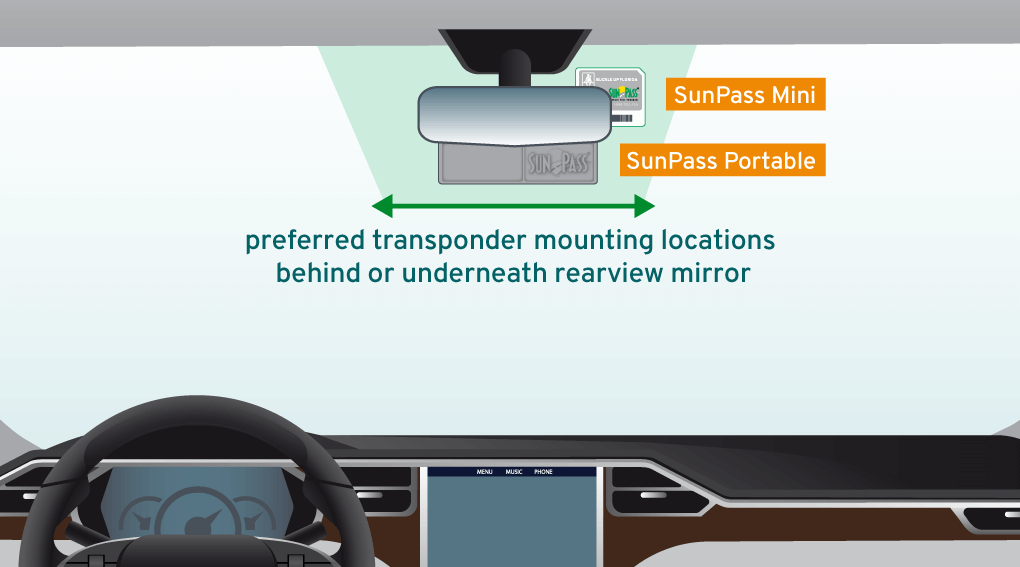
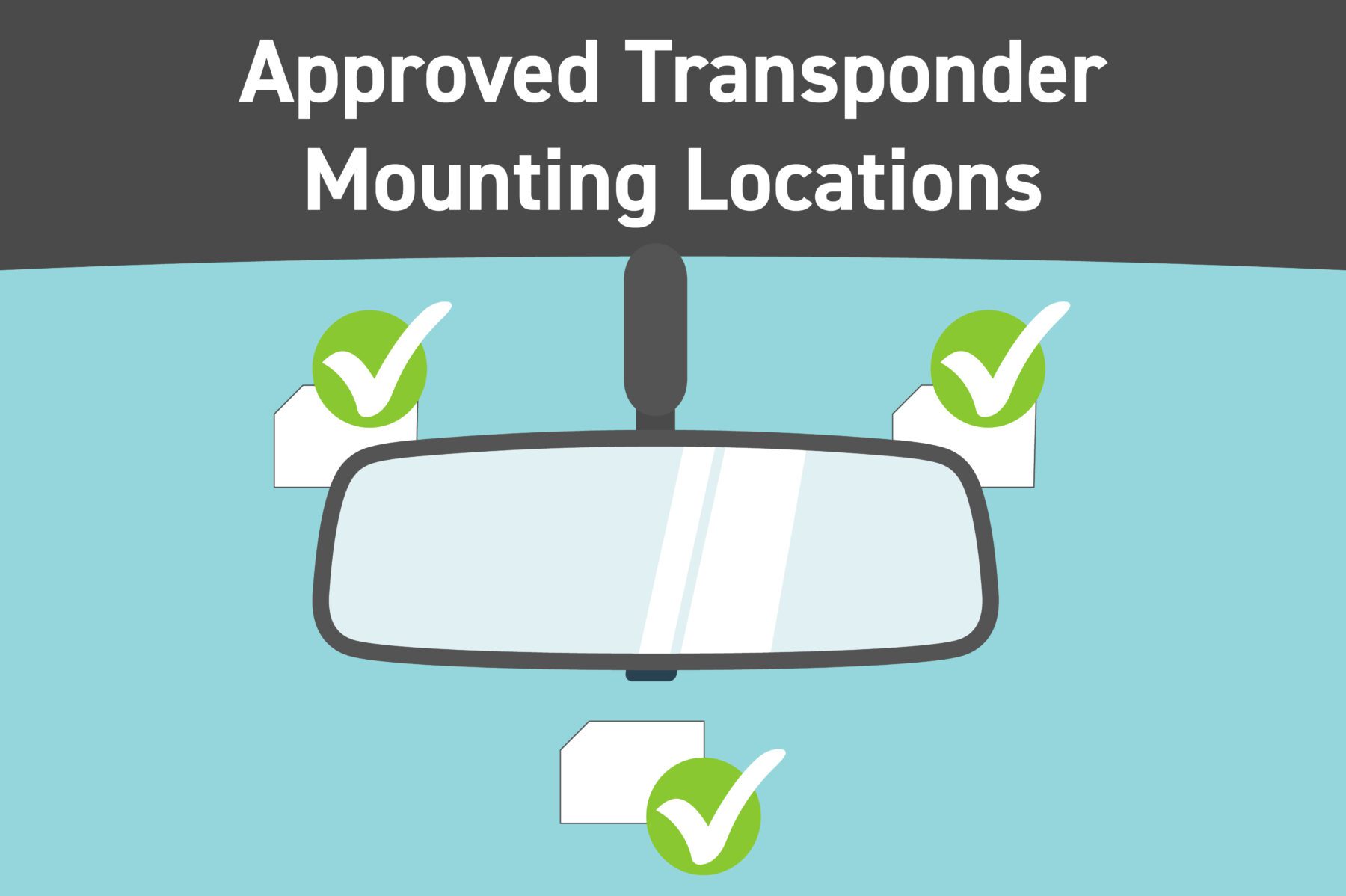
For the gantry readers to “see” your device, it must be placed in a specific “window” of the windshield. The standard recommendation is to place it on the interior of the windshield, at least two inches to the right or left of the center-mounted rearview mirror.
- Vertical Clearance: Ensure it is at least two inches below the top edge of the windshield.
- Obstruction Check: If your windshield has a “frit” (the black dotted pattern around the edges or the mirror), try to avoid placing the transponder directly on the densest part of the pattern, as the carbon or metallic content in the frit can occasionally interfere with the signal.
Surface Preparation for Maximum Adhesion
The SunPass Mini uses a high-bond adhesive designed to withstand the extreme temperatures of a Florida dashboard.
- Clean the Area: Use isopropyl alcohol (70% or higher) and a lint-free cloth to clean the interior glass. Oils from fingerprints or residue from glass cleaners with “anti-fog” additives can prevent the adhesive from bonding correctly.
- Dry Completely: Ensure the glass is bone-dry before application. Any trapped moisture can bubble under the sticker, potentially damaging the delicate RFID antenna over time.
The Permanent Bonding Process
Once the spot is chosen and cleaned:
- Peel: Remove the backing from the SunPass Mini. Avoid touching the adhesive side with your fingers.
- Align: Hold the sticker by the edges. Ensure it is level; while the orientation doesn’t strictly affect the radio waves, a crooked installation can be a visual distraction.
- Press: Press the sticker firmly against the glass. Start from the center and move outward to eliminate any air bubbles.
- Cure: Allow the adhesive to cure for 24 hours before subjecting the vehicle to extreme vibration or cleaning the interior glass.
Troubleshooting and Signal Integrity
Even with a perfect installation, various environmental and technical factors can influence the performance of your SunPass Mini.
Avoiding Interference from Metallic Tints
Many tech-focused drivers opt for aftermarket window tints. It is vital to ensure that any tint applied to the windshield is “ceramic-based” rather than “metallic-based.” Metallic tints act as a shield against radio frequencies. If you have a metallic tint strip at the top of your windshield, the SunPass Mini must be installed below that strip to maintain a clear line of sight to the toll gantry.
Managing Multiple RFID Devices
In the age of smart garages, gated communities, and multi-state travel, your windshield might be home to several RFID tags. “Signal Collision” is a real technical phenomenon where two devices operating on similar frequencies interfere with one another. To prevent this, maintain a minimum of 2–3 inches of “clear space” around your SunPass Mini. If you are also using a national transponder like an E-ZPass (non-PRO version), ensure they are on opposite sides of the rearview mirror.
The Future of Connected Tolling and IoT Integration
The SunPass Mini is part of a larger trend toward Interoperable Transportation Systems (ITS). Understanding the tech today prepares you for the infrastructure of tomorrow.
E-ZPass Interoperability and Regional Tech Expansion
The hardware inside the SunPass Mini is increasingly capable of communicating with regional partners. Florida has expanded its technical footprint to include interoperability with E-ZPass states (largely through the SunPass PRO, though the Mini remains the standard for regional Florida tech). This integration is handled via back-end server communication, where the Florida “SunPass” cloud talks to the “E-ZPass” cloud to verify your credentials in real-time.

Digital Account Management via Mobile Apps
The true power of the SunPass Mini is unlocked through its software companion. The SunPass mobile app provides real-time data analytics for your travel. You can monitor toll expenses, set up “Auto-Replenish” (which uses an API to pull funds from your bank when your balance hits a threshold), and manage vehicle changes. This digital ecosystem ensures that the hardware on your windshield remains a “set it and forget it” piece of tech, allowing the software to handle the complexities of financial transactions and data logging.
In conclusion, installing a SunPass Mini is a simple physical task that requires a sophisticated understanding of RFID physics and digital account management. By following these technical guidelines—ensuring clean surface contact, avoiding metallic interference, and properly syncing your digital profile—you ensure that your vehicle remains a seamless node in the ever-growing network of smart transportation. As Florida continues to lead the way in automated tolling, the SunPass Mini remains the most efficient hardware bridge between the driver and the road.
aViewFromTheCave is a participant in the Amazon Services LLC Associates Program, an affiliate advertising program designed to provide a means for sites to earn advertising fees by advertising and linking to Amazon.com. Amazon, the Amazon logo, AmazonSupply, and the AmazonSupply logo are trademarks of Amazon.com, Inc. or its affiliates. As an Amazon Associate we earn affiliate commissions from qualifying purchases.