
In the digital age, where communication and documentation are paramount, Microsoft Word stands as an undisputed titan. For decades, it has been the go-to word processing software, enabling individuals, students, professionals, and businesses alike to craft everything from simple letters to complex reports with unparalleled ease and sophistication. Whether you’re a budding writer, a busy student, a small business owner, or an enterprise professional, having Microsoft Word readily available on your system is often a fundamental requirement for productivity and professional output.
This comprehensive guide will walk you through the entire process of installing Microsoft Word, ensuring a smooth and successful setup. We’ll cover everything from understanding its enduring value and preparing your system to navigating the installation steps and troubleshooting common issues. By the end, you’ll not only have Word up and running but also a deeper appreciation for how this powerful tool integrates into and enhances your digital workflow, contributing to your tech-savvy brand and even positively impacting your financial efficiency.

Understanding Microsoft Word and Its Enduring Value
Before diving into the technicalities of installation, it’s beneficial to reflect on why Microsoft Word continues to hold such a dominant position in the software landscape. Its widespread adoption is not merely a matter of legacy but a testament to its robust feature set, intuitive design, and universal compatibility.
The Undisputed Standard in Document Creation
Microsoft Word isn’t just a word processor; it’s an ecosystem for document creation. From basic text formatting to advanced layout designs, mail merges, citation management, and collaborative editing, Word offers an extensive suite of tools. Its interface, familiar to millions, allows users to easily transition between tasks, whether it’s drafting a quick memo or formatting a thesis with intricate section breaks and table of contents. The sheer breadth of its capabilities makes it suitable for almost any document-related task, setting a high benchmark that many competitors strive to match. This ubiquitous presence means that sharing documents created in Word usually guarantees accurate rendering across different systems, eliminating compatibility headaches that can often plague cross-platform collaborations.
Why Microsoft Word Remains Essential Today
In an era of cloud-based alternatives and open-source solutions, one might ask if Word still holds its ground. The answer is a resounding yes, particularly when considering the broader implications for productivity, personal branding, and even financial acumen. For professionals, meticulously crafted documents reflect attention to detail and professionalism, bolstering their personal and corporate brand. Whether it’s a well-formatted proposal, a polished resume, or an impactful marketing brief, Word provides the tools to present information clearly and compellingly.
From a productivity standpoint, Word’s integration with the broader Microsoft 365 ecosystem (formerly Office 365) – including OneDrive, Outlook, Excel, and PowerPoint – creates a seamless workflow. Documents can be stored in the cloud, accessed from any device, and collaborated on in real-time. This interconnectedness saves invaluable time and reduces friction in team projects. For businesses, this translates directly into financial benefits: increased efficiency, reduced errors, and a more streamlined document management process contribute to the bottom line. Students benefit from powerful research tools, citation managers, and collaborative features that streamline group projects and academic writing. In essence, Word is not just about typing; it’s about empowering effective communication and enhancing output quality across all sectors.
Preparing for Installation: Prerequisites and Purchase Options
Before you embark on the installation journey, a little preparation goes a long way. Ensuring your system meets the necessary requirements and understanding the various licensing options will prevent potential frustrations and help you make an informed decision that aligns with your needs and budget.
System Requirements: Ensuring Compatibility
Microsoft Word, as part of the Microsoft Office suite or Microsoft 365, has specific system requirements to ensure optimal performance. While these requirements are generally modest for modern computers, it’s always wise to double-check. Typically, you’ll need:
- Operating System: A recent version of Windows (Windows 10, Windows 11) or macOS (the three most recent versions are usually supported). Older operating systems might not be compatible or might only support older versions of Office.
- Processor: A 1.6 GHz or faster, 2-core processor (PC) or an Intel processor (Mac).
- Memory (RAM): 4 GB RAM (or 2 GB RAM for 32-bit for PC; 4 GB for Mac) is generally recommended for smooth operation, especially when working with large documents or multiple applications simultaneously.
- Hard Disk Space: At least 4 GB of available disk space for installation on PC, or 10 GB for Mac. Ensure you have sufficient free space to avoid installation errors.
- Display: A screen resolution of 1280 x 768 or higher.
- Graphics: DirectX 9 or later, with WDDM 2.0 or higher for Windows 10 (or WDDM 1.3 or higher for Windows 10 Anniversary Update).
- Internet Connection: Required for downloading, activation, and accessing cloud services.
- Microsoft Account: Essential for activation and managing your subscriptions.
Verifying these specifications beforehand will save you from compatibility issues and ensure a seamless installation process, allowing you to maximize the benefits of the software immediately.
Choosing Your Microsoft Word License: Microsoft 365 vs. One-Time Purchase
Microsoft offers two primary ways to acquire Word: through a Microsoft 365 subscription or as a one-time purchase of a perpetual license (e.g., Office Home & Student, Office Home & Business). Understanding the distinctions is crucial for both functionality and financial planning.
-
Microsoft 365 (Subscription-Based): This is the more popular and often recommended option for most users. Microsoft 365 operates on a subscription model (monthly or annual) and includes not just Word, but the entire suite of Office applications (Excel, PowerPoint, Outlook, OneNote, Publisher, Access) and additional benefits.
- Pros: Always includes the latest versions of the apps, cloud storage (1 TB OneDrive per user), Skype minutes, advanced security features, and the ability to install on multiple devices (PC/Mac, tablets, phones). It’s ideal for those who want constant updates and cloud integration.
- Cons: Requires an ongoing subscription fee.
- Financial Angle: While an ongoing cost, the comprehensive features, cloud storage, and multi-device access can offer significant return on investment (ROI) in terms of productivity and collaboration, especially for families, small businesses, and individuals needing flexibility. It’s often more cost-effective over time than buying multiple one-time licenses for different devices.
-
One-Time Purchase (Perpetual License): This option, often branded as “Office Home & Student” or “Office Home & Business,” provides a single license for a specific version of Word (and other apps if included) that you own outright.
- Pros: No recurring subscription fees. You own the software version indefinitely.
- Cons: Only includes that specific version of the software; no future feature updates (only security updates). Typically licensed for a single PC or Mac. Does not include cloud storage or other Microsoft 365 subscription benefits.
- Financial Angle: A higher upfront cost but no recurring expenses. This might be suitable for users with very stable needs, who prefer to avoid subscriptions, and who do not require the latest features or cloud integration. However, the lack of updates means you might need to purchase a new version every few years to stay current, which could accumulate costs over time.
For most users, especially those keen on leveraging the latest technology trends and maximizing productivity across multiple devices, Microsoft 365 offers superior flexibility and value. Consider your long-term needs, device usage, and budget before making a choice.
Setting Up Your Microsoft Account
A Microsoft account is not just a login credential; it’s the gateway to your Office experience. It’s used to:
- Download: Access the Office installer after purchase.
- Activate: Link your Word license to your identity.
- Manage Subscriptions: View billing, change plans, and add users if you have a Microsoft 365 Family plan.
- Access Cloud Services: Integrate with OneDrive for document storage and real-time collaboration.
If you don’t already have one, creating a Microsoft account is straightforward and free. Simply visit account.microsoft.com and follow the prompts. Ensure you use an email address you regularly access, as this will be tied to your valuable software license.
Step-by-Step Installation Process
With the prerequisites met and your license chosen, you’re ready for the core task: installing Microsoft Word. The process is designed to be user-friendly, guiding you through each stage with clear prompts.
Downloading the Microsoft Office Installer
- Go to the Official Microsoft Website: Open your web browser and navigate to
account.microsoft.com/services. This is the central hub for managing your Microsoft products. - Sign In: Use the Microsoft account associated with your purchased Word license or Microsoft 365 subscription.
- Locate Your Product: Once signed in, look for your Office product or Microsoft 365 subscription under the “Services & Subscriptions” section.
- Initiate Download: Click the “Install” button. This will usually present an option to “Install Office” or “Download and install Word” (if purchased separately). Follow the on-screen instructions. You might be asked to choose a language and version (32-bit or 64-bit). For most modern systems, the 64-bit version is recommended. The installer file (typically named
Setup.exeorOfficeSetup.exe) will then begin downloading to your computer.
Executing the Installation
Once the installer file has been downloaded:
- Locate the Installer: Open your Downloads folder or the location where your browser saves downloaded files.
- Run the Installer: Double-click the
Setup.exefile. If prompted by User Account Control (UAC), click “Yes” to allow the app to make changes to your device. - Installation Progress: A window will appear, indicating that Office is installing. This process is largely automated. You’ll see a progress bar and sometimes an animation showing the various Office applications being installed. This step might take several minutes, depending on your internet speed and system performance, as the installer fetches the necessary files from Microsoft’s servers. Avoid interrupting the process or shutting down your computer during this time.
- Completion Notification: Once the installation is complete, you’ll receive a message stating, “You’re all set! Office is installed now.” You can then click “Close.”
Activating Your Microsoft Word License
After installation, the final crucial step is activation. This links your installed software to your purchased license, ensuring full functionality.
- Launch Microsoft Word: Search for “Word” in your Windows Start menu or macOS Applications folder and open the application.
- Sign In to Activate: Upon the first launch, Word will likely prompt you to sign in. Use the same Microsoft account that you used to purchase or subscribe to Office.
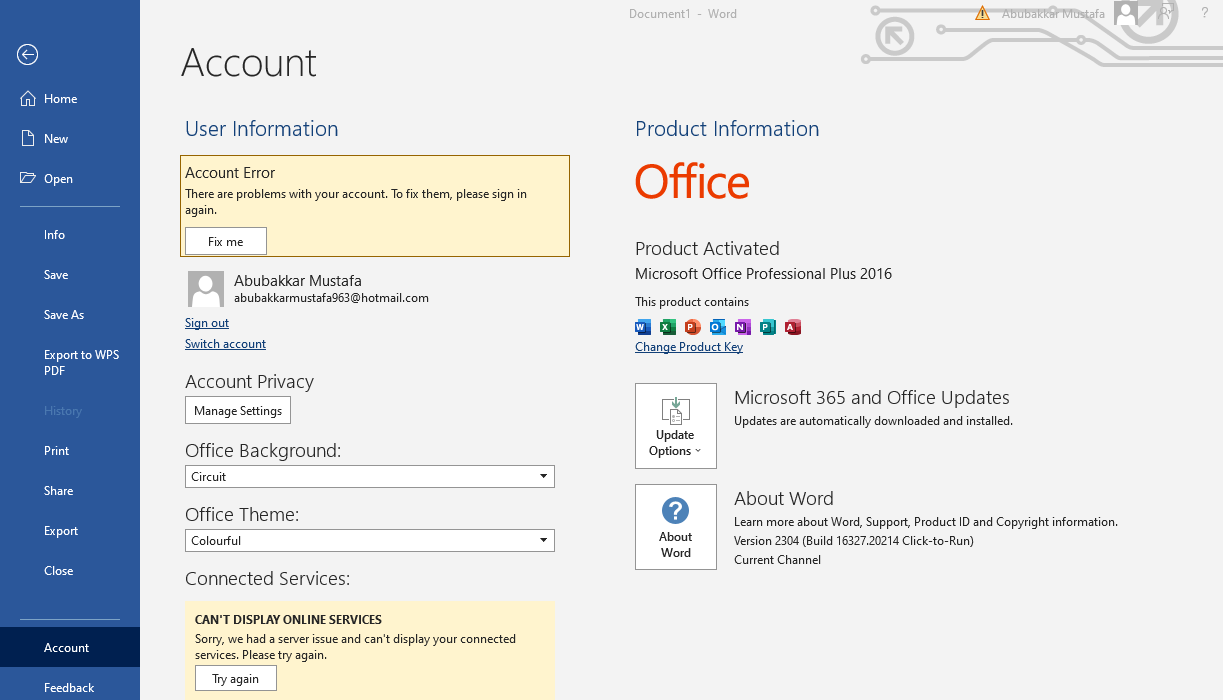
- Follow On-Screen Prompts: Word will verify your account and license. If you have a valid subscription or one-time purchase linked to that account, it will activate automatically. You might see a confirmation message, “This product is activated.”
- Accept Terms and Conditions: You may be asked to accept the Microsoft Office License Agreement. Read through it and click “Accept” to proceed.
If activation doesn’t happen automatically or you encounter issues, there might be options to activate by phone or through an activation troubleshooter. Ensure your internet connection is stable during this phase.
Post-Installation and Troubleshooting Common Issues
Successfully installing Word is a major step. However, a few additional considerations post-installation and awareness of common troubleshooting tips can further enhance your experience.
First Launch and Customization Tips
When you open Word for the first time, you might be greeted with a welcome screen or a quick tour of new features. Take a moment to explore:
- Templates: Word offers a vast library of templates for various document types (resumes, reports, newsletters). Utilizing these can save time and ensure a professional look.
- Interface Customization: You can customize the Quick Access Toolbar at the top of the window with frequently used commands. You can also personalize options like themes and background colors via File > Options.
- Sign-in Status: Double-check that you’re signed in to your Microsoft account within Word (you can usually see your profile picture or initials in the top right corner). This ensures access to cloud documents and collaborative features.
Keeping Word Updated for Optimal Performance
Microsoft regularly releases updates for Word (and the entire Office suite) to introduce new features, improve performance, and address security vulnerabilities. Keeping your software updated is vital.
- Microsoft 365: If you have a Microsoft 365 subscription, updates are typically automatic. You can manually check for updates by opening any Office app, going to File > Account > Update Options > Update Now.
- One-Time Purchase: For perpetual licenses, major feature updates are not provided, but security updates are. These are usually managed through your operating system’s update mechanism (Windows Update for PC).
Regular updates ensure you have the most secure and feature-rich version of Word, enhancing both your productivity and digital security.
Addressing Common Installation Problems
While the installation process is generally smooth, issues can arise. Here are some common problems and their solutions:
-
“Something went wrong” or Installation Fails:
- Check Internet Connection: A stable connection is crucial for downloading the installation files.
- Temporarily Disable Antivirus/Firewall: Security software can sometimes interfere with installations. Remember to re-enable them afterward.
- Disk Space: Ensure you have enough free disk space as mentioned in the system requirements.
- Run as Administrator: Right-click the
Setup.exefile and select “Run as administrator.” - Clear Previous Office Installations: Use the Microsoft Support and Recovery Assistant (SaRA) tool to thoroughly uninstall any remnants of previous Office versions before attempting a fresh install.
-
Activation Issues (e.g., “Product Unlicensed,” “Can’t activate Office”):
- Verify Microsoft Account: Ensure you’re signed in with the correct Microsoft account that holds your license.
- Internet Connection: Activation requires an active internet connection.
- Check Subscription Status: For Microsoft 365, log into
account.microsoft.com/servicesto ensure your subscription is active and not expired. - Run Office as Administrator: Sometimes, launching Word as administrator can resolve activation glitches.
- Office Troubleshooter: Utilize the activation troubleshooter within the Microsoft Support and Recovery Assistant tool.
-
Word is Slow or Crashing:
- System Requirements: Re-verify your system meets the minimum requirements, especially RAM.
- Updates: Ensure Word is fully updated.
- Add-ins: Faulty or incompatible add-ins can cause instability. Try starting Word in Safe Mode (hold Ctrl while launching) to see if the issue persists, then disable add-ins if it resolves.
- Repair Office: Go to Control Panel > Programs and Features (Windows) or Applications (Mac), find Microsoft Office, and choose the “Change” or “Repair” option.
By systematically addressing these common issues, you can quickly get back to leveraging Word for your productivity needs.
Maximizing Your Microsoft Word Experience
With Word successfully installed, the journey shifts from setup to maximization. Beyond basic typing, Word offers a plethora of features that can significantly enhance productivity, refine your digital brand, and streamline your professional life.
Unleashing Productivity with Advanced Features
Microsoft Word is a powerhouse designed to do much more than just type words. Leveraging its advanced features can transform how you create and manage documents:
- Styles and Themes: Beyond basic formatting, using styles ensures consistent document appearance, making editing faster and improving readability. Themes allow for quick changes to the entire document’s aesthetic, which is excellent for maintaining brand consistency across various reports and presentations.
- Collaboration Tools: With Microsoft 365, co-authoring documents in real-time with colleagues is seamless. Track Changes, comments, and document version history facilitate efficient teamwork, crucial for modern, distributed workforces.
- Reference and Citation Management: For academic writers and researchers, Word’s built-in tools for citations, bibliographies, and indexing save hours of manual formatting, adhering to various style guides (APA, MLA, Chicago).
- Mail Merge: A game-changer for businesses and organizations, mail merge allows you to personalize mass communications (letters, emails, labels) using data from a spreadsheet, significantly improving outreach efficiency and personal touch.
- Accessibility Checker: Word includes an accessibility checker that identifies issues making documents difficult for people with disabilities to read, promoting inclusivity and broadening your audience reach.
Integrating Word into Your Digital Workflow
Word’s true power comes from its integration within a broader digital ecosystem, especially with Microsoft 365:
- Cloud Storage with OneDrive: Saving documents directly to OneDrive means they’re accessible from any device, anywhere. It also enables automatic saving, preventing data loss, and facilitating seamless collaboration.
- Outlook Integration: Easily attach Word documents to emails or create new documents directly from Outlook.
- PowerPoint and Excel Synergy: Copying and pasting content (charts, tables, text) between Word, Excel, and PowerPoint often maintains formatting, simplifying the creation of comprehensive reports and presentations.
- OneNote Integration: Link Word documents to OneNote notebooks for comprehensive note-taking and project management.
This interconnectedness elevates Word from a standalone application to a central component of a highly efficient digital workflow, allowing you to focus on content creation rather than administrative hurdles.

The ROI of a Robust Word Processor
Investing in powerful software like Microsoft Word, especially through a Microsoft 365 subscription, often yields a strong return on investment (ROI) that touches both professional reputation (Brand) and financial well-being (Money).
- Enhanced Professionalism and Brand Image: High-quality, well-formatted documents project professionalism and attention to detail. This strengthens your personal brand and the corporate identity of your business, which can indirectly lead to better client relationships and opportunities.
- Increased Productivity and Time Savings: The advanced features mentioned above significantly reduce the time spent on formatting, corrections, and administrative tasks. This time can be redirected to more strategic or revenue-generating activities. For a business, saved time directly translates to saved money.
- Seamless Collaboration and Reduced Errors: Collaborative tools minimize back-and-forth emails and ensure everyone is working on the latest version of a document, reducing errors and fostering efficiency. This minimizes project delays and rework, positively impacting project budgets and timelines.
- Access to Latest Technology and Security: With Microsoft 365, you always have the most current version of Word with the latest features and security patches. This protects your data, ensures compatibility, and keeps you competitive in a rapidly evolving tech landscape.
In conclusion, installing Microsoft Word is more than just adding software to your computer; it’s about equipping yourself with a powerful tool that underpins modern digital productivity. By following this guide, you’ll not only ensure a smooth installation but also set the stage to leverage Word’s full potential, enhancing your professional output, streamlining your workflows, and ultimately contributing to your success in an increasingly interconnected world.
aViewFromTheCave is a participant in the Amazon Services LLC Associates Program, an affiliate advertising program designed to provide a means for sites to earn advertising fees by advertising and linking to Amazon.com. Amazon, the Amazon logo, AmazonSupply, and the AmazonSupply logo are trademarks of Amazon.com, Inc. or its affiliates. As an Amazon Associate we earn affiliate commissions from qualifying purchases.