
In the evolving landscape of social media, digital privacy and the management of one’s online persona have become paramount concerns for users. Instagram, as a leading platform for visual content, records a significant amount of user activity, including the posts one chooses to “like.” While Instagram offers various privacy settings, the specific ability to universally hide a comprehensive list of all posts you have liked from other users is not a direct, standalone feature. Understanding the platform’s architecture and leveraging its existing tools, however, can provide a strategic approach to managing this aspect of your digital footprint in 2024.
Navigating Instagram’s Like Visibility Features
Instagram’s design inherently promotes engagement and interaction, where “likes” serve as a fundamental metric. However, the platform has also introduced features aimed at giving users more control over their experience, albeit with specific limitations.
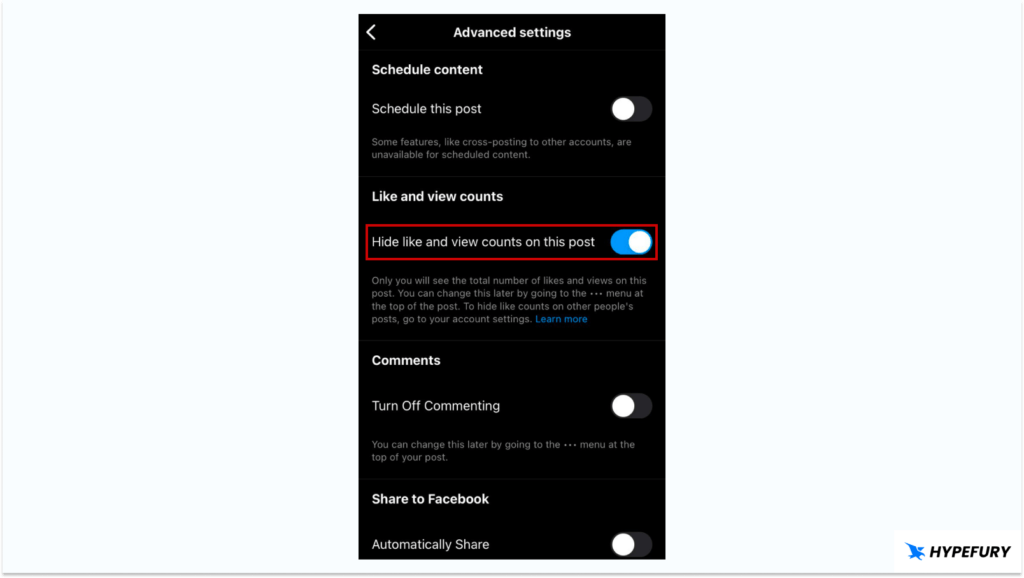
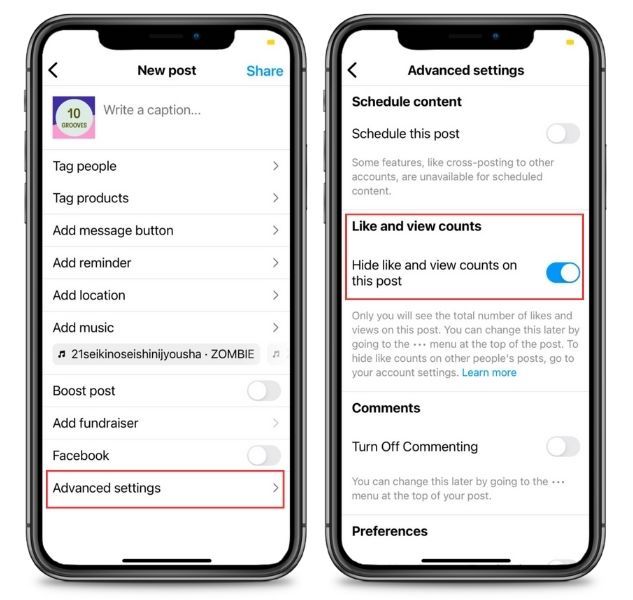
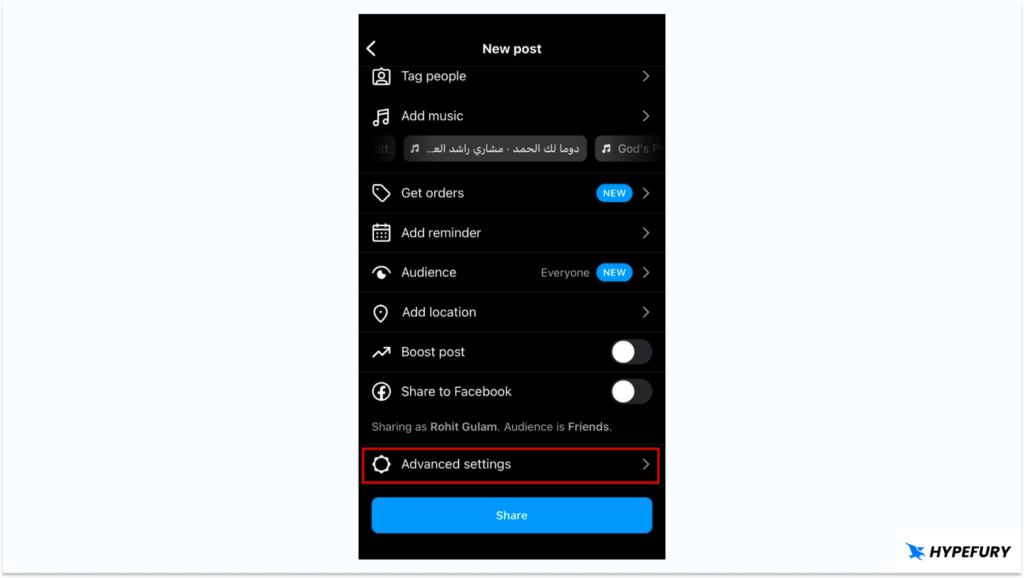
The Nuance of “Hiding Like Counts”
A common misconception revolves around Instagram’s “Hide like counts” feature. This particular setting, when enabled, prevents others from seeing the total number of likes on your own posts. It also allows you to hide like counts on other people’s posts that you view in your feed, thereby reducing social pressure and focusing on content rather than popularity metrics. Crucially, this feature does not obscure the fact that you personally liked a post, nor does it remove your like from the list of people who have liked that specific post, which is visible to the post’s author and anyone who clicks to see the full list of likers. The intent here is to de-emphasize the quantitative aspect of engagement, not to mask individual user actions.
Understanding Your Digital Footprint on Instagram
Every interaction on Instagram—liking, commenting, saving, sharing—contributes to your digital footprint. When you like a post, your username is added to the list of users who have liked that particular piece of content. This list is accessible to the creator of the post and any user who taps on the “X others liked this” text beneath a post. For public accounts, this visibility is broad. For private accounts, only your approved followers can see your likes if they navigate to a post you’ve interacted with. Therefore, fully “hiding” what you’ve liked necessitates either retracting those likes or significantly restricting who can view your profile and, by extension, your interactions.
Strategies for Managing Your Liked Content
Given Instagram’s current features, directly hiding a comprehensive list of all posts you’ve ever liked from public or even follower view is not possible without undertaking specific, active measures for each individual like. However, several strategies can help manage or obscure this information.
The Direct Approach: Unliking Posts
The most straightforward and effective method to “hide” that you liked a particular post is to simply unlike it. When you unlike a post, your username is immediately removed from its list of likers, and the action is effectively reversed. There are no notifications sent to the post’s author when a like is removed. This method is effective for specific posts you no longer wish to be associated with, or for managing your visible engagement history on a per-post basis.
To unlike a post:
- Navigate to the specific post you wish to unlike.
- Tap the heart icon, which will change from red (liked) to white (unliked).
This process must be done manually for each post. For users with extensive liking habits, this can be a time-consuming endeavor, highlighting the importance of mindful engagement.
Leveraging Account Privacy Settings
Setting your Instagram profile to “Private” significantly impacts who can view your activity, including the posts you’ve liked. When your account is private:
- Only your approved followers can see your posts.
- Only your approved followers can see who you follow and who follows you.
- Your likes on public posts will still be visible to the author of that public post and anyone who can view that public post and clicks to see the list of likers. However, for users who don’t follow you, your profile icon and username will be less accessible, thereby reducing the likelihood of them finding your liked content via exploration.
- Your likes on posts from private accounts will only be visible to individuals who are followers of both your private account and the private account whose post you liked.
While a private account does not universally hide your likes, it acts as a strong gatekeeper, restricting general access to your profile and making it significantly harder for non-followers to scrutinize your activity.
Auditing Your ‘Posts You’ve Liked’ Section
Instagram provides a dedicated section where you can review all the posts you have liked. This feature is primarily for your own record-keeping and allows for efficient management of your past engagement. Regularly auditing this section is crucial for anyone seeking to manage their visible likes.
To access your ‘Posts You’ve Liked’ section:
- Open your Instagram app.
- Go to your profile by tapping your profile picture in the bottom right corner.
- Tap the three horizontal lines (menu icon) in the top right corner.
- Select “Your activity.”
- Tap on “Interactions.”
- Select “Likes.”
Here, you will see a chronological list of all the posts you have liked. From this view, you can:
- Filter and Sort: Utilize filters to narrow down posts by author or date, helping you locate specific interactions.
- Bulk Unlike (Limited): While Instagram does not offer a true “select all” or bulk unlike feature for more than a few posts at a time directly from this section, you can tap on “Select” in the top right, choose multiple posts, and then tap “Unlike” at the bottom. This feature is usually limited to around 100 posts at a time, making it a partial solution for mass unliking. For thousands of likes, it remains a repetitive task.
Regularly reviewing this section allows you to identify and unlike any posts that no longer align with your desired online persona or privacy preferences.
Proactive Liking: A Mindful Approach to Engagement
In 2024, the most effective long-term strategy for managing what you’ve liked is a proactive and mindful approach to engagement. Before tapping the heart icon, consider the implications of that action:
- Public Visibility: Understand that for public accounts, your like will be visible to a broad audience.
- Association: Your likes can create an associative link between your profile and the content you engage with. This forms part of your broader digital identity.
- Digital Footprint: Every like contributes to the data trail of your online activity, which can be analyzed by third parties (if permissions are granted by the post’s author) or simply remain part of your user history.
By being intentional about what you like, you reduce the future need for extensive clean-up.
Addressing Common Misconceptions and Third-Party Tools
The desire to control one’s digital footprint has led to the proliferation of various claims and tools, some of which are misinformed or carry significant risks.
The Distinction Between Hiding Your Own Post’s Likes and Your Activity
It’s crucial to reiterate the difference between Instagram’s official “Hide like counts” feature, which pertains to your posts, and the user’s desire to conceal their own liking activity. The former is a readily available privacy control. The latter requires active management of individual interactions or broad account privacy settings. Instagram, by design, promotes transparency in individual engagement to foster community, making a universal “hide my likes from others” button for all past activity contradictory to this core principle.
The Risks of Unofficial Applications
Numerous third-party applications or services claim to offer enhanced Instagram privacy features, including the ability to bulk-unlike posts or hide your liking activity. Users should exercise extreme caution when considering such tools:
- Security Risks: Granting access to your Instagram account credentials (username and password) to an unofficial app can compromise your account security, leading to unauthorized access, spamming, or even account theft.
- Violation of Terms of Service: Using third-party apps that automate actions or circumvent Instagram’s intended functionality often violates Instagram’s Terms of Service. This can lead to temporary account suspensions or even permanent bans.
- Limited Effectiveness: Many of these tools are unreliable, quickly become outdated with Instagram’s API changes, or simply do not deliver on their promises.
For these reasons, relying on Instagram’s built-in features and manual management remains the safest and most recommended approach.
Instagram’s Commitment to User Privacy (and its limitations for this specific request)
Instagram continually updates its privacy features in response to user feedback and regulatory requirements. These updates typically focus on data control, messaging privacy, and options for reducing exposure to unwanted content. While the platform offers robust controls over who can see your profile and who can interact with your posts, the ability to selectively hide individual “like” actions from a public list, without unliking the post, remains an area where current features are limited. This design choice reflects a balance between user privacy and the platform’s core function as a network built on visible social interaction.
The Evolving Landscape of Social Media Privacy in 2024
The conversation around digital privacy is dynamic, with users increasingly demanding more granular control over their data and online interactions.
User Demand for Granular Control
As digital identities become more complex, the demand for precise controls over specific actions, such as likes, comments, and shares, is growing. Users seek the ability to curate their past activity, not just their current visibility. While platforms like Instagram have made strides in offering more privacy options, the journey toward comprehensive user control over every aspect of one’s digital footprint is ongoing. The ideal scenario for many would be a dashboard allowing for universal archival or private flagging of past interactions without necessarily deleting them.
Anticipated Platform Updates
While no specific announcements have been made regarding a universal “hide what I liked” feature, Instagram and its parent company, Meta, frequently experiment with new privacy settings and user experience enhancements. Future updates could potentially include:
- More advanced filtering and bulk management options within the ‘Posts You’ve Liked’ section.
- Time-based visibility settings for interactions, allowing likes to automatically become private after a certain period.
- Enhanced audience selection for interactions, similar to how posts can be shared with specific audiences.
For now, the approach to managing liked content on Instagram in 2024 requires a combination of thoughtful engagement, judicious use of privacy settings, and manual action to maintain a digital footprint that aligns with individual preferences and privacy goals. Staying informed about Instagram’s official announcements and security best practices is essential for navigating the complexities of social media privacy.
aViewFromTheCave is a participant in the Amazon Services LLC Associates Program, an affiliate advertising program designed to provide a means for sites to earn advertising fees by advertising and linking to Amazon.com. Amazon, the Amazon logo, AmazonSupply, and the AmazonSupply logo are trademarks of Amazon.com, Inc. or its affiliates. As an Amazon Associate we earn affiliate commissions from qualifying purchases.