
Understanding Google Pay: A Modern Financial Tool
In an increasingly digital economy, the way we manage and conduct financial transactions has undergone a profound transformation. Google Pay stands as a quintessential example of this evolution, serving as a robust digital wallet and payment system designed to streamline personal finance. Far more than just an app, it represents a significant shift towards a more convenient, secure, and integrated approach to spending, saving, and managing money. For anyone navigating the complexities of modern personal finance, understanding how to effectively utilize tools like Google Pay is no longer a luxury but a fundamental necessity.
What is Google Pay?
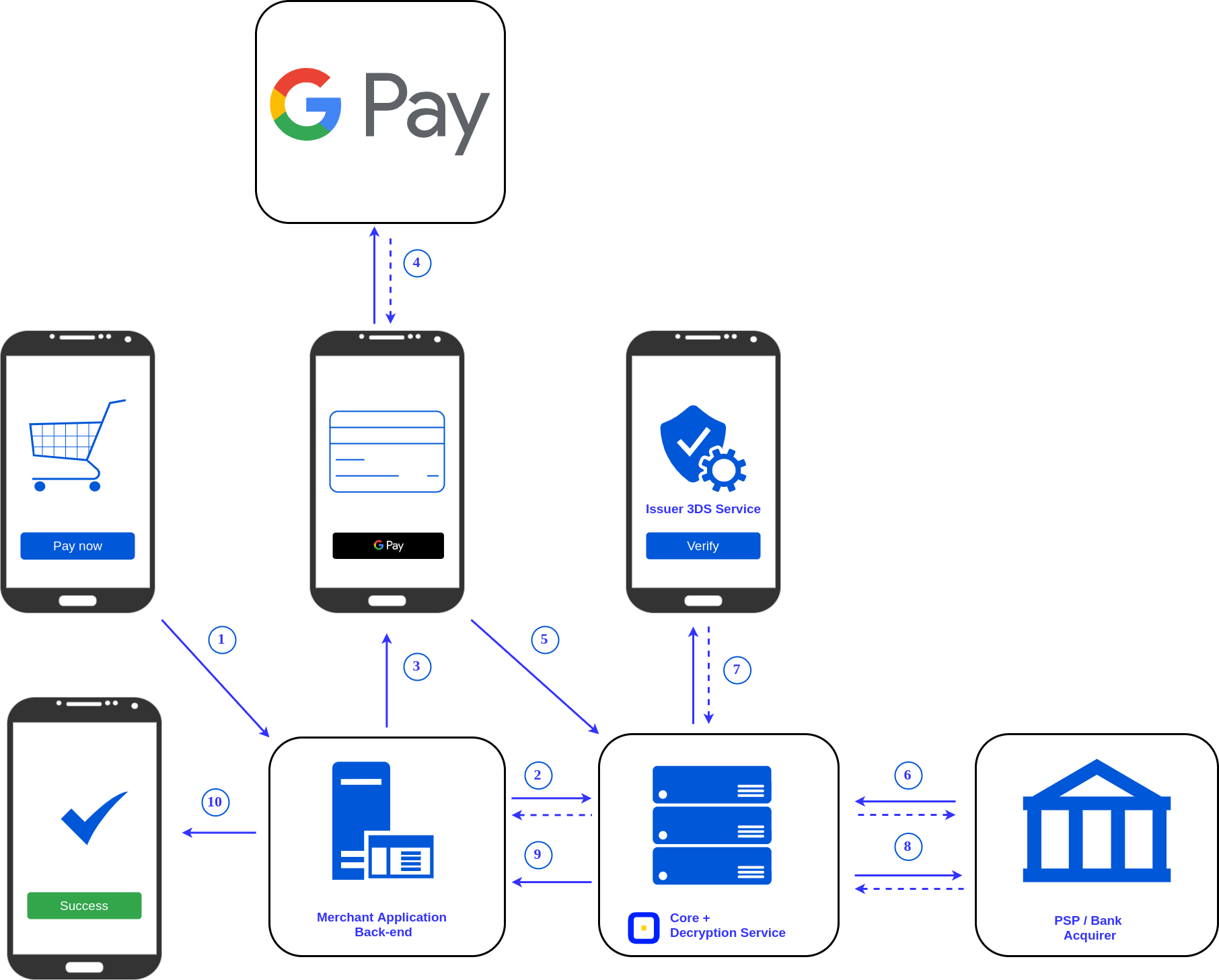
At its core, Google Pay is a digital payment service developed by Google that enables users to make secure payments in stores, within apps, and on the web using a variety of devices, including smartphones, smartwatches, and tablets. It aggregates payment methods – credit cards, debit cards, bank accounts, and loyalty programs – into a single, easily accessible platform. From a financial perspective, Google Pay functions as a highly efficient intermediary, facilitating transactions by transmitting encrypted payment information without ever exposing your actual card details to merchants. This inherent layer of security is a cornerstone of its appeal, offering peace of mind in an era rife with data breaches and identity theft concerns. Its utility extends beyond mere payment processing, acting as a personal finance hub that helps individuals keep track of their spending and manage various financial interactions from a unified interface. For the financially savvy, it offers a distinct advantage in simplifying daily monetary exchanges, freeing up mental bandwidth for broader financial planning and investment strategies.
The Evolution of Digital Wallets
The concept of a digital wallet has evolved significantly, moving from nascent online payment gateways to sophisticated, multi-functional financial tools. Early iterations were often clunky, platform-specific, or lacked comprehensive security features. However, as mobile technology advanced and consumer demand for instant, frictionless transactions grew, services like Google Pay emerged to bridge the gap between traditional banking and the digital lifestyle. This evolution reflects a broader trend in personal finance: the increasing integration of technology to enhance accessibility, transparency, and control over one’s money. Digital wallets have become instrumental in fostering financial inclusion, allowing individuals to manage funds and make payments even without direct access to traditional banking infrastructure or physical cards. They represent a pivotal step towards a cashless society, offering efficiencies and security measures that often surpass those of physical currency or conventional plastic cards, thereby redefining the very nature of financial transactions for millions globally.
Setting Up Google Pay for Seamless Transactions
The true power of Google Pay lies in its ease of setup and the robust security protocols that underpin every transaction. For individuals keen on optimizing their personal finance toolkit, integrating Google Pay is a straightforward process that unlocks a world of expedited and secure financial interactions. Getting started involves a few key steps that prioritize both convenience and the utmost protection of your financial data, ensuring that your digital wallet is both ready for use and resilient against threats.
Adding Payment Methods: Cards, Bank Accounts, and More
The foundation of your Google Pay experience is the aggregation of your various payment methods. To begin, you typically download the Google Pay app from your device’s app store or access it via a compatible web browser. Once installed, the process of adding financial instruments is intuitive. You can link credit cards and debit cards by either scanning them with your device’s camera or manually entering the card details. This typically involves inputting the card number, expiration date, and CVV. For enhanced security and verification, your bank or card issuer may require an additional step, such as entering a one-time password sent to your registered phone number or email, or a quick call to customer service. Beyond cards, Google Pay often allows you to link bank accounts directly for peer-to-peer transfers or certain online payments, significantly broadening its utility. Furthermore, integrating loyalty cards, gift cards, and transit passes means that your entire wallet contents can be digitized, minimizing the need to carry physical items. This consolidation not only declutters your physical wallet but centralizes various financial touchpoints into a single, easily manageable application, offering a comprehensive overview of your spending power and associated benefits.
Ensuring Financial Security and Privacy
Google Pay’s commitment to financial security and privacy is a paramount feature, designed to instill confidence in users making digital transactions. A cornerstone of its security architecture is tokenization. When you add a payment card, Google Pay doesn’t store your actual card number on your device or share it with merchants. Instead, it creates an encrypted, unique virtual account number (a token) that represents your card information. This token is used for transactions, meaning that even if a merchant’s system were compromised, your actual card details would remain safe. This robust tokenization dramatically reduces the risk of credit card fraud.
Beyond tokenization, Google Pay employs several layers of protection:
- Device Security: To use Google Pay for in-store purchases, your device typically needs to be unlocked using a PIN, pattern, fingerprint, or facial recognition. This ensures that even if your device is lost or stolen, unauthorized access to your payment methods is prevented.
- Data Encryption: All your payment information is encrypted and stored on Google’s secure servers, which are protected by multiple layers of security.
- Fraud Monitoring: Google continuously monitors for suspicious activity and employs advanced fraud detection systems to identify and prevent unauthorized transactions.
- Privacy Controls: Google Pay offers granular privacy settings, allowing users to control what information is shared and how their data is used. This empowers individuals to make informed decisions about their financial data.
These rigorous security measures are critical for anyone managing their personal finances digitally. They provide a vital safeguard against financial crime and offer peace of mind, making Google Pay a trustworthy tool for everyday spending.
Maximizing Your Financial Experience with Google Pay
Leveraging Google Pay effectively means harnessing its diverse functionalities to streamline daily financial interactions, enhance convenience, and even unlock additional financial benefits. Its versatility makes it an invaluable asset in a modern financial toolkit, adapting to various purchasing scenarios and personal finance needs.
In-Store and Online Payments: Convenience Redefined
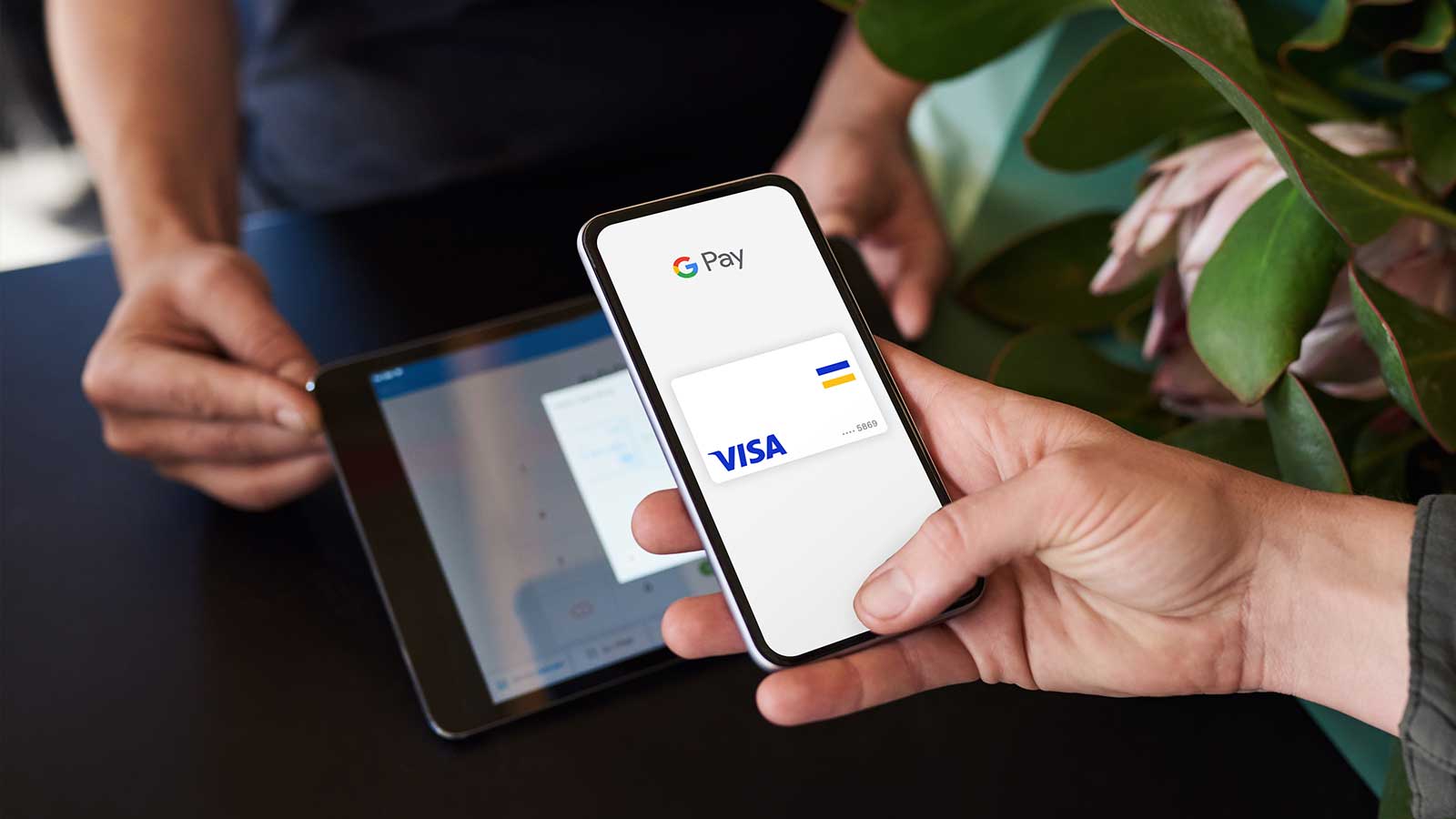
The primary utility of Google Pay in a personal finance context is its ability to facilitate swift and secure payments both in physical stores and across the digital landscape. For in-store purchases, Google Pay utilizes Near Field Communication (NFC) technology. At compatible terminals (look for the Google Pay or contactless payment symbol), simply tap your unlocked device, and the payment is processed almost instantly. This eliminates the need to fumble for cards, remember PINs for physical cards, or handle cash, significantly speeding up checkout times. From a financial management perspective, this convenience encourages more disciplined spending by providing instant digital receipts and reducing reliance on cash, which can be harder to track.
Online, Google Pay integrates seamlessly into countless e-commerce platforms and apps. When checking out, you’ll often see a “Pay with Google Pay” button. Clicking this allows you to complete a purchase with a single tap, using a pre-selected payment method, without needing to manually input card numbers, shipping addresses, or billing information. This not only saves time but also enhances security by not directly exposing your card details to every online vendor. For savvy consumers, this streamlined process minimizes friction, making online shopping more efficient and less prone to abandoned carts, which can be a psychological barrier to timely financial decisions.
Peer-to-Peer Transfers: Managing Personal Finances
Beyond merchant transactions, Google Pay also offers robust peer-to-peer (P2P) payment capabilities. This feature allows users to send and receive money directly from friends, family, or other individuals. This is particularly useful for splitting bills, contributing to group expenses, or simply sending money quickly without the need for bank transfers or cash exchanges. P2P transfers are typically linked to your bank account or a debit card, ensuring prompt processing.
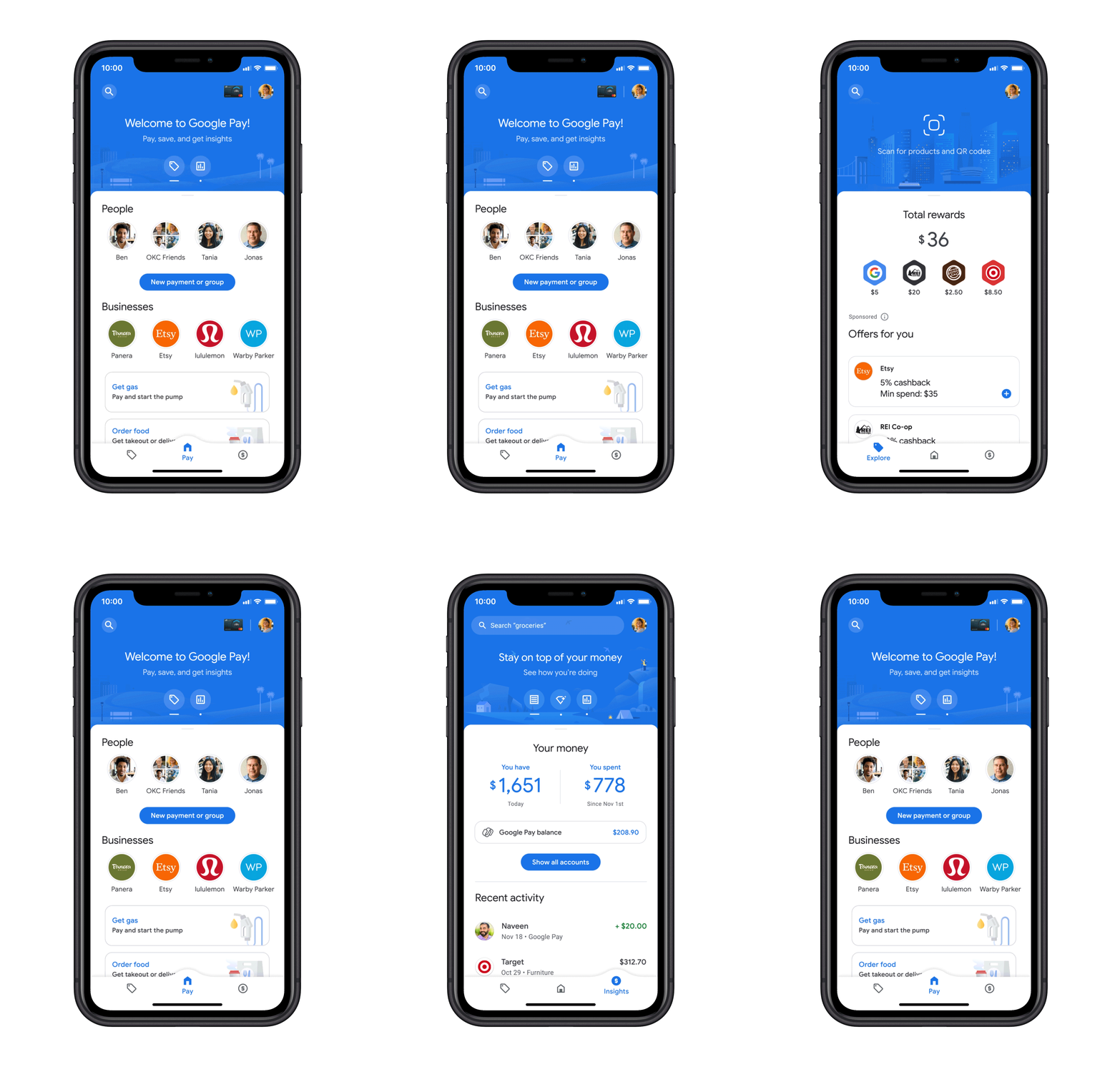
For personal financial management, this functionality is incredibly valuable:
- Budgeting: Easily reconcile shared expenses without complex calculations or IOUs.
- Debt Management: Settle small debts instantly, maintaining clear financial relationships with others.
- Emergency Funds: Quickly transfer funds in urgent situations.
The P2P feature reinforces Google Pay’s position as a comprehensive financial tool, extending its utility beyond simple purchasing to include more nuanced aspects of personal monetary interactions. It provides a transparent and traceable method for informal financial exchanges, which can be critical for maintaining accurate personal financial records.
Loyalty Programs and Rewards: Financial Benefits
Another compelling aspect of Google Pay is its ability to integrate loyalty programs, gift cards, and rewards schemes directly into the digital wallet. Instead of juggling numerous physical cards or remembering various membership numbers, you can store them all within the Google Pay app. When making a purchase at a participating merchant, your loyalty program can be automatically applied, ensuring you never miss out on points, discounts, or special offers.
This integration offers tangible financial benefits:
- Maximized Savings: Automatically apply rewards and discounts at the point of sale, enhancing your purchasing power.
- Convenient Access: All your loyalty cards are in one place, making it easy to track and utilize accumulated rewards.
- Reduced Clutter: Eliminates the need for a bulky physical wallet filled with plastic cards.
By centralizing these elements, Google Pay helps consumers derive maximum value from their spending, effectively turning everyday purchases into opportunities for savings and rewards. This thoughtful integration aligns perfectly with principles of prudent personal finance, allowing users to stretch their budgets further without additional effort.
Google Pay’s Role in Personal Financial Management
Google Pay is more than just a payment facilitator; it is an active participant in a user’s broader financial ecosystem. Its features are designed to complement and enhance personal financial management strategies, offering insights and efficiencies that contribute to better budgeting, spending habits, and overall financial health.
Tracking Spending and Budgeting Support
One of the most valuable, albeit often underutilized, aspects of Google Pay for personal finance is its transaction history. Every purchase made through the app, whether in-store or online, is logged and accessible. This creates a digital record of your spending, which can be incredibly useful for budgeting and financial analysis. Instead of manually recording transactions or waiting for bank statements, users can review their Google Pay activity to:
- Categorize Spending: Gain a clearer picture of where money is being spent across different categories (e.g., groceries, dining, entertainment).
- Identify Spending Patterns: Recognize trends in expenditure, allowing for adjustments to habits or budgets.
- Reconcile Accounts: Easily compare Google Pay transactions with bank statements to ensure accuracy and prevent discrepancies.
While Google Pay itself doesn’t offer sophisticated budgeting tools like some dedicated personal finance apps, its detailed transaction log provides the raw data necessary for effective budgeting. Many users integrate this data into their preferred budgeting software or spreadsheets, turning Google Pay into a powerful data collection engine for their financial planning. This level of visibility is crucial for maintaining financial discipline and achieving long-term financial goals.
Reducing Physical Cash Dependency
The reliance on physical cash carries inherent disadvantages, including the risk of loss, theft, and the difficulty in tracking expenditures. Google Pay significantly reduces this dependency by providing a secure and convenient alternative for nearly all types of transactions. Embracing a less cash-reliant approach offers several financial benefits:
- Enhanced Security: Digital transactions are less susceptible to physical theft and offer stronger fraud protection.
- Improved Record-Keeping: Every digital transaction leaves a clear trail, making expense tracking and tax preparation simpler.
- Greater Convenience: No need to visit ATMs or carry exact change, streamlining daily financial activities.
For those striving for tighter financial control, moving away from cash ensures that a comprehensive digital footprint of their spending is created, fostering greater accountability and transparency in their personal finances.
Cross-Border Transactions and Accessibility
Google Pay’s global reach and multi-currency support also make it a beneficial tool for individuals engaging in international travel or cross-border financial activities. While direct international transfers might be limited depending on the region and linked bank, the ability to use your cards digitally in foreign countries (where accepted) with potentially better exchange rates than cash or direct card swipes can represent a significant financial advantage. Furthermore, as an accessible platform, Google Pay lowers barriers to entry for digital payments, benefiting a wider demographic, including those who may not have traditional credit cards but possess debit cards or bank accounts. This broad accessibility supports financial inclusion and empowers more individuals to participate in the digital economy securely.
Future of Payments: Google Pay and Beyond
The trajectory of digital payments indicates a continuous evolution, with Google Pay poised to remain a central player while adapting to emerging technologies and consumer demands. Its ongoing development reflects a broader industry push towards more integrated, intelligent, and secure financial ecosystems.
Integration with Other Financial Services
The future of Google Pay will likely see even deeper integration with a wider array of financial services. This could include enhanced links with personal finance management (PFM) apps, allowing for automatic categorization of spending, personalized financial insights, and goal tracking directly within the Google Pay ecosystem or via seamless data transfer. Imagine Google Pay becoming a central hub that not only facilitates payments but also provides real-time budget updates, investment suggestions based on spending habits, or automated savings transfers. Furthermore, integration with banking platforms could evolve to offer more sophisticated features, such as instant loan applications, credit score tracking, or even direct deposit functionalities, transforming it into a holistic financial dashboard rather than just a payment app. Such integrations would significantly enhance its value as a comprehensive personal financial tool, empowering users with more control and knowledge over their money.
The Broader Impact on Consumer Spending Habits
As digital wallets like Google Pay become more ubiquitous, their influence on consumer spending habits will only grow. The frictionless nature of these payments can lead to increased spending due to reduced cognitive effort at checkout, but simultaneously, the detailed transaction records provide unprecedented visibility into spending patterns. This dual effect means that while convenience might encourage more frequent purchases, the analytical tools available can also foster greater financial mindfulness. Consumers will increasingly rely on these platforms for instant gratification combined with retrospective financial analysis, potentially leading to more informed purchasing decisions and more effective budgeting over time. The shift away from cash and physical cards also means that security concerns around physical theft diminish, allowing consumers to focus more on strategic financial planning and less on transactional logistics. Ultimately, Google Pay and its contemporaries are not just changing how we pay, but fundamentally reshaping our relationship with money, moving towards a more transparent, integrated, and potentially more financially responsible future.
aViewFromTheCave is a participant in the Amazon Services LLC Associates Program, an affiliate advertising program designed to provide a means for sites to earn advertising fees by advertising and linking to Amazon.com. Amazon, the Amazon logo, AmazonSupply, and the AmazonSupply logo are trademarks of Amazon.com, Inc. or its affiliates. As an Amazon Associate we earn affiliate commissions from qualifying purchases.