
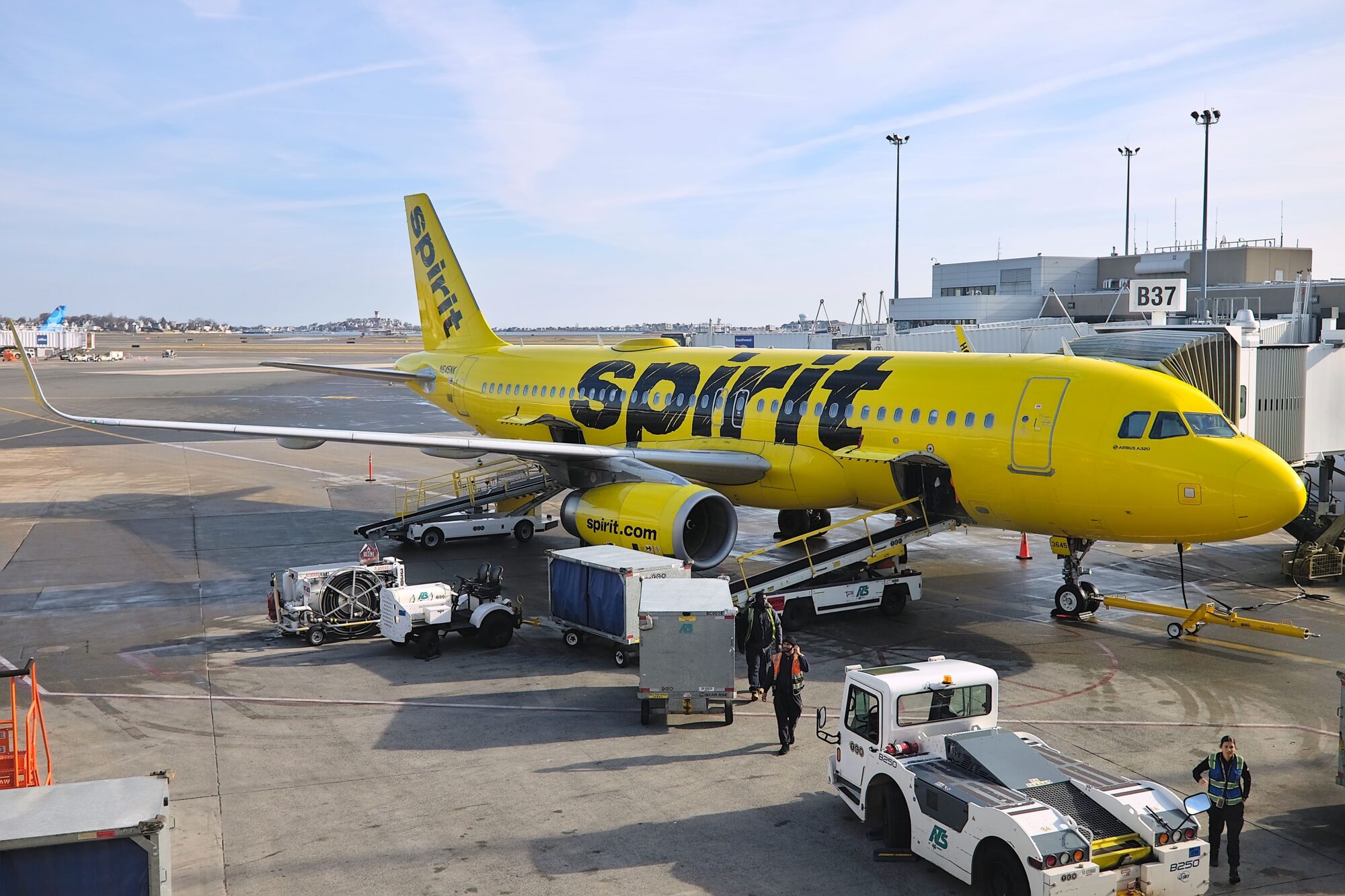
In the fiercely competitive airline industry, the concept of “reliability” extends far beyond mere on-time performance; it is a foundational pillar of a brand’s corporate identity, a critical component of its marketing narrative, and ultimately, a determinant of its financial success. For an airline like Spirit, which has carved out a distinct niche as an ultra-low-cost carrier (ULCC), the question of reliability becomes particularly nuanced. It’s not just about flights departing and arriving as scheduled; it’s about how that operational performance aligns with—or diverges from—the brand’s value proposition, how it shapes customer perception, and what it means for long-term brand equity. This article delves into the multi-faceted nature of Spirit Airlines’ reliability, examining it through the lens of brand strategy, corporate identity, and customer relationship management, rather than solely as an operational metric.
The Core of Airline Brand Reliability: Beyond On-Time Performance
At its heart, airline brand reliability is a promise—a commitment from the brand to its customers that their expectations, both explicit and implicit, will be met. While operational efficiency is undeniably a major component, it is but one facet of a broader brand narrative that encompasses customer experience, trust, and reputation. For a brand like Spirit, whose identity is deeply intertwined with its ultra-low-cost model, understanding this broader definition is crucial.
Operational Metrics as Brand Indicators (Punctuality, Cancellations, Lost Baggage)
From a foundational brand perspective, operational metrics like on-time performance (OTP), flight cancellation rates, and baggage handling efficiency are not just internal performance indicators; they are outward expressions of a brand’s commitment to its customers. When a flight is consistently late or cancelled, it erodes the customer’s trust, not just in that specific flight, but in the airline brand as a whole. Spirit, like all airlines, is subject to public scrutiny through various aviation data sources, which track these metrics. For a ULCC, slight deviations from industry averages can be amplified in customer perception, precisely because the brand’s core offering is often perceived as minimal. If the core promise of getting from A to B cheaply is undermined by frequent delays, the perceived value proposition collapses, damaging the brand’s corporate identity. Marketing efforts attempting to highlight affordability become hollow if the basic product delivery is inconsistent. The brand is then forced into a defensive posture, mitigating negative perceptions rather than building positive associations. Each delay or lost bag becomes a tangible representation of a brand failing to deliver on a fundamental aspect of its service, even if that service is stripped down. This creates a challenging environment for building a consistent and positive brand image.
Customer Experience as a Pillar of Brand Trust
Beyond the cold hard data of operational metrics, customer experience forms the emotional and psychological bedrock of brand trust. For Spirit, this means navigating the delicate balance between delivering an ultra-low-cost service and ensuring that the customer’s journey, even without frills, is not overtly negative. Reliability, in this context, extends to the consistency of the customer journey: clear communication about expectations, efficient check-in processes, and a perception of care, however basic. If the brand repeatedly disappoints customers through inconsistent service, confusing policies, or a perception of indifference, it severely impacts trust. Trust is a cornerstone of brand loyalty and repeat business. When customers feel unheard or unvalued, regardless of the price point, they are likely to seek alternatives. This negative experience, amplified through word-of-mouth and social media, becomes part of the brand’s informal identity, often overshadowing any positive marketing messages. A brand that consistently fails to deliver a consistent, albeit basic, customer experience struggles to build the emotional connection necessary for sustained brand loyalty.
The Intangible Aspect: Brand Reputation and Word-of-Mouth
Perhaps the most potent aspect of brand reliability is its impact on reputation and the powerful, uncontrolled narrative of word-of-mouth. In the digital age, individual experiences, both positive and negative, are instantly globalized through social media, online review platforms, and forums. A single negative experience related to reliability—a last-minute cancellation, an egregious delay, or a customer service mishap—can quickly morph into a viral sensation, etching itself into the public consciousness as part of the brand’s identity. For Spirit, where price is the primary driver, any perceived failing in reliability risks reinforcing a “you get what you pay for” stereotype in the worst possible way. This informal feedback loop is a continuous audit of the brand’s reliability promise. A brand with a strong reputation for reliability enjoys a degree of goodwill and resilience; customers are more forgiving of occasional missteps. Conversely, a brand perceived as unreliable constantly battles an uphill struggle, where every operational challenge reinforces existing negative stereotypes. This constant battle against a self-fulfilling prophecy of unreliability makes it incredibly difficult for Spirit to pivot its brand narrative or attract customers who prioritize consistency above all else. The brand’s corporate identity becomes inextricably linked to its operational track record, making it challenging to differentiate on any other attribute besides price.
Spirit Airlines’ Brand Strategy: The Ultra-Low-Cost Model and its Reliability Perception
Spirit Airlines has intentionally positioned itself within the ultra-low-cost carrier (ULCC) segment, a brand strategy that emphasizes rock-bottom fares by unbundling virtually every aspect of the travel experience. This distinct corporate identity, centered on “Bare Fares,” naturally shapes customer expectations and, consequently, the perception of its reliability. The very essence of the ULCC model presents unique challenges and opportunities for defining and communicating brand reliability.
The Value Proposition: Low Fares at What Brand Cost?
Spirit’s primary brand promise is undeniable: incredibly low base fares. This value proposition is powerful and attracts a specific segment of travelers who prioritize cost above all else. However, this strategy inherently creates a delicate balancing act. When a brand sells itself predominantly on price, customers may implicitly or explicitly accept certain trade-offs. The “cost” to the brand, in terms of perception, often comes in the form of reduced service expectations, but critically, not necessarily reduced reliability expectations. While customers might anticipate smaller seats or paying for carry-on luggage, they generally still expect to arrive at their destination safely and on time. When operational reliability falters, it directly undermines the core value proposition. If a cheap flight consistently turns into a missed connection, an overnight stay, or a significant delay, the “value” quickly dissipates. The brand’s corporate identity then risks shifting from “affordable travel” to “unreliable budget travel,” a far less appealing proposition. This tension between an aggressive low-fare strategy and the basic expectation of reliable transportation is a constant challenge for Spirit’s brand managers. It forces the brand to perpetually justify its model, sometimes at the expense of building deeper, more positive customer relationships.
Unbundling Services: Shaping Customer Expectations and Brand Image
The unbundling of services—charging separately for seat selection, checked bags, carry-on bags, snacks, and even water—is a cornerstone of Spirit’s brand strategy and a key differentiator of its ULCC corporate identity. This approach is designed to keep base fares extremely low, giving customers the perception of choice and control over their expenses. From a brand perspective, unbundling is a double-edged sword. On one hand, it reinforces the “pay for what you use” mantra, appealing to budget-conscious travelers. On the other hand, it can lead to customer frustration and a perception of being “nickel-and-dimed,” particularly if these additional costs are not transparently communicated upfront. This directly impacts how reliability is perceived. If a customer has paid extra for everything and then experiences a significant delay or cancellation, the anger is compounded. The brand image suffers because the customer feels they paid for every small amenity, only to be let down on the fundamental service. The success of this strategy hinges on managing expectations. Spirit’s brand communications must be exceptionally clear about what is included in the base fare and what is not. Any ambiguity can lead to customer dissatisfaction, which then colors their perception of the airline’s overall reliability, regardless of its actual operational statistics. It’s a marketing challenge to make customers feel like they’re getting a deal, not being exploited, especially when their journey is disrupted.
Communicating the “No Frills” Brand: Transparency vs. Frustration
Effective communication is paramount for any brand, but especially for one operating under a “no frills” model like Spirit. The brand’s corporate identity needs to be unequivocally clear about its limitations and its strengths. Spirit’s marketing attempts to be transparent about its model, often using humor and direct language to manage expectations. However, there’s a fine line between transparency and inadvertently generating frustration. When flights are delayed or cancelled, the communication around these events becomes a critical moment for the brand. Is information timely, accurate, and empathetic? Or does it reinforce a perception of indifference, further damaging the brand’s reliability image? A common critique of ULCCs, including Spirit, revolves around customer service in times of disruption. If the brand’s communication during a crisis is perceived as inadequate or unhelpful, it amplifies negative feelings and solidifies the perception of unreliability, even if the operational cause was external (e.g., weather). Marketing efforts must therefore not only sell the “Bare Fare” but also pre-emptively manage the inevitable challenges that come with air travel, ensuring that customers feel supported even when things go wrong. Failing to do so can quickly turn a budget-conscious traveler into a disgruntled former customer, severely impacting the brand’s reputation and long-term viability. The brand’s identity is continually shaped by these interactions, often more so than by its initial marketing campaigns.
Impact of Perceived Reliability on Spirit’s Corporate Identity and Market Position
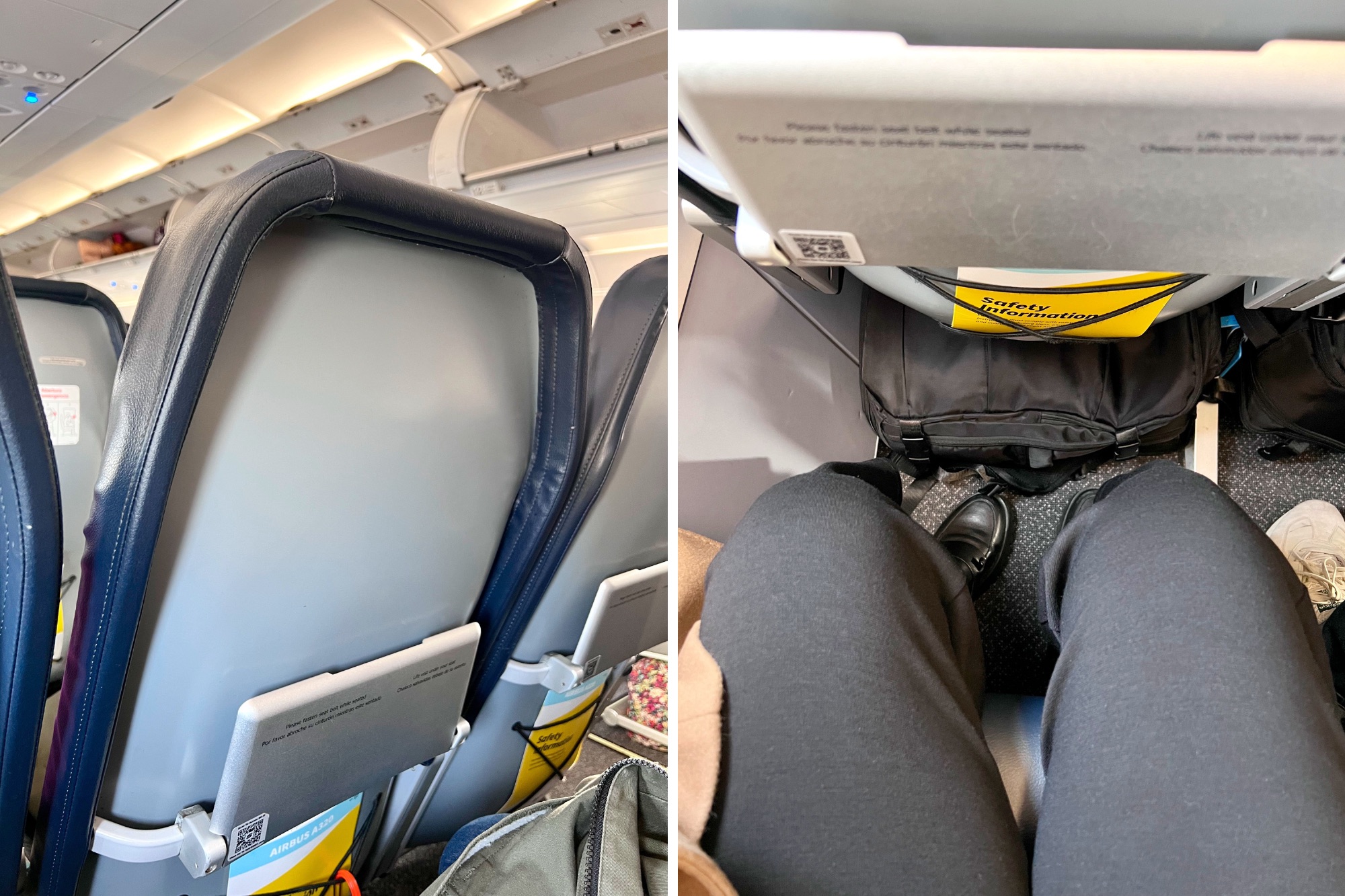
The perception of reliability is not merely a transient customer sentiment; it deeply embeds itself into a brand’s corporate identity and dictates its long-term market position. For Spirit Airlines, operating in a highly competitive sector, how reliable it is perceived to be directly influences its brand equity, customer loyalty, and even its ability to withstand industry challenges.
Brand Equity in a Highly Competitive Sector
Brand equity, which represents the commercial value derived from consumer perception of the brand name of a particular product or service, is particularly fragile in the airline industry. Every operational decision, every customer interaction, and every marketing message contributes to or detracts from this equity. For Spirit, with its distinct ULCC corporate identity, building positive brand equity around reliability is an uphill battle. While its low fares generate transactional value, consistent reliability (or lack thereof) profoundly impacts the emotional and perceived value. A brand with strong reliability equity can command a premium, or at the very least, maintain a steady customer base even when competitors offer similar prices. A brand perceived as unreliable, however, struggles to establish this depth of value. It finds itself perpetually competing on price alone, which is a race to the bottom. This means that Spirit’s marketing must constantly reinforce the value proposition of low cost, but simultaneously work to mitigate any negative perceptions of its operational performance, a difficult task. The overall corporate identity becomes synonymous with the inherent risks and trade-offs of budget travel, limiting its ability to expand its appeal to a broader segment of the market that values consistency and peace of mind.
Customer Loyalty and Repeat Purchase Behavior
Customer loyalty is the holy grail for any brand, representing the pinnacle of successful brand strategy. For an airline, loyalty translates into repeat bookings, reduced marketing spend, and stable revenue streams. Perceived reliability is a primary driver of this loyalty. If customers consistently experience delays, cancellations, or a lack of transparent communication, their willingness to rebook with Spirit diminishes significantly, regardless of the initial low fare. They may view their first flight as an acceptable experiment, but not a reliable long-term solution. Spirit’s challenge is to convert one-time, price-driven customers into loyal advocates. This conversion is heavily dependent on delivering a consistent, albeit basic, service that meets fundamental reliability expectations. When reliability falters, the brand’s ability to foster emotional connections with its customers is severely hampered. Loyalty programs, while useful, cannot overcome a fundamental lack of trust in the core product delivery. Marketing efforts aimed at building loyalty must therefore go beyond highlighting price, focusing instead on demonstrating improved operational consistency and customer support during disruptions. Without this, Spirit risks being seen as a transient option rather than a trusted carrier, impacting its long-term brand health and market stability.
Social Media and Online Reviews: The Unfiltered Brand Narrative
In the digital age, social media and online review platforms act as powerful, unfiltered barometers of brand perception. Every delay, every baggage mishap, and every customer service interaction can become a public spectacle, shaping the brand’s narrative in real-time. For Spirit, where reliability is often questioned, these platforms can amplify negative experiences, reinforcing a corporate identity sometimes associated with compromise and frustration. A flurry of negative reviews regarding operational reliability can quickly overshadow any positive marketing messages, effectively hijacking the brand’s intended narrative. Brands no longer control their story in isolation; customers are co-creators of brand identity. Spirit must actively monitor and engage with these online conversations, not just as a customer service channel, but as a critical component of its brand management strategy. Ignoring or inadequately addressing these public criticisms allows a negative reliability narrative to fester, eroding brand equity and making it harder to attract new customers. The sheer volume and immediacy of social media feedback mean that the perception of reliability is constantly being shaped by the collective experience of its passengers.
Crisis Management and Brand Resilience
Operational disruptions are an inevitable part of the airline business, whether due to weather, mechanical issues, or air traffic control. How a brand responds to these crises is a defining moment for its corporate identity and its resilience in the face of adversity. For Spirit, given its often-questioned reliability, effective crisis management is paramount. This involves transparent and timely communication, proactive solutions for affected passengers, and empathetic customer service. A poorly handled crisis related to reliability can inflict lasting damage on the brand’s reputation, making it exponentially harder to rebuild trust. Conversely, a well-managed crisis, even amidst significant operational challenges, can demonstrate a brand’s commitment to its customers and its capacity to learn and adapt. Such resilience can actually enhance brand perception by showcasing a brand that, despite its budget model, cares about its passengers. Spirit’s brand strategy must incorporate robust crisis communication plans that not only address immediate operational issues but also protect and, ideally, strengthen its brand identity in the long run. This is a critical marketing function that goes beyond traditional advertising, focusing on genuine customer care and reputation safeguarding.
Strategies for Enhancing Brand Reliability and Perception at Spirit
To evolve its brand identity and strengthen its market position, Spirit Airlines must adopt a multi-pronged approach that goes beyond operational fixes and delves into strategic brand management. Enhancing perceived reliability requires a commitment to customer experience, transparent communication, and a long-term vision for brand evolution.
Investing in Operational Improvements and Communication
At the foundation of improved brand reliability are genuine operational enhancements. This means investing in fleet maintenance, optimizing scheduling, improving ground crew efficiency, and leveraging technology for better real-time decision-making. These are not just cost centers; they are brand investments. When Spirit can tangibly demonstrate improved on-time performance and reduced cancellations, it provides the undeniable evidence necessary to shift customer perceptions. However, operational improvements alone are insufficient; they must be coupled with superior communication. During disruptions, proactive, clear, and empathetic communication is crucial. Leveraging SMS, app notifications, and airport announcements to keep passengers informed, providing realistic updated timelines, and outlining available assistance options are vital. This transparency helps manage expectations and reduces frustration, even if the disruption itself is unavoidable. Effective communication acts as a buffer, preventing operational glitches from fully eroding brand trust. By actively showcasing improvements and communicating proactively, Spirit can start to change the narrative from “unreliable budget airline” to “improving value airline,” gradually building a more positive corporate identity.
Marketing the Journey, Not Just the Destination: Rebranding Reliability
Spirit’s marketing strategy has historically focused on the allure of low fares and the destination. To enhance reliability perception, the brand needs to broaden its narrative to include the journey itself. This doesn’t mean promising a luxury experience, but rather focusing on the evolving promise of a consistent, hassle-free, and transparent travel process within the ULCC framework. Marketing campaigns could highlight Spirit’s efforts in operational efficiency, customer service improvements, or innovations designed to streamline the travel experience. It’s about rebranding reliability not as a premium add-on, but as an increasingly integral, albeit basic, part of the “Bare Fare” package. This requires a shift from purely transactional marketing to a more relationship-focused approach. Spirit could use testimonials from satisfied customers who attest to positive experiences, or showcase behind-the-scenes efforts to ensure smooth operations. The goal is to gradually redefine the brand’s corporate identity to include an expectation of functional reliability, rather than just price. This means a marketing strategy that is not just about attracting new customers, but also about reassuring existing ones that their choice is a reliable one for their budget.
Nurturing Brand Advocates and Managing Dissatisfaction
Every airline will inevitably have dissatisfied customers, but how these instances are managed significantly impacts brand perception. Spirit needs a robust strategy for addressing complaints, resolving issues, and, most importantly, turning potentially negative experiences into opportunities for brand recovery. This means empowering customer service representatives, streamlining complaint resolution processes, and offering genuine solutions. Beyond issue resolution, cultivating brand advocates is essential. Satisfied customers who have experienced improved reliability or exceptional service can become powerful, organic marketers for Spirit. Encouraging positive reviews, facilitating sharing on social media, and actively engaging with positive feedback can help counteract negative narratives. By creating channels for positive customer expression, Spirit can leverage the power of social proof to bolster its brand image. This approach strengthens the brand’s corporate identity from the ground up, built on authentic positive experiences rather than solely on promotional messaging. It’s about recognizing that every customer interaction is a brand-building opportunity.
Long-term Brand Evolution: Balancing Cost and Customer Trust
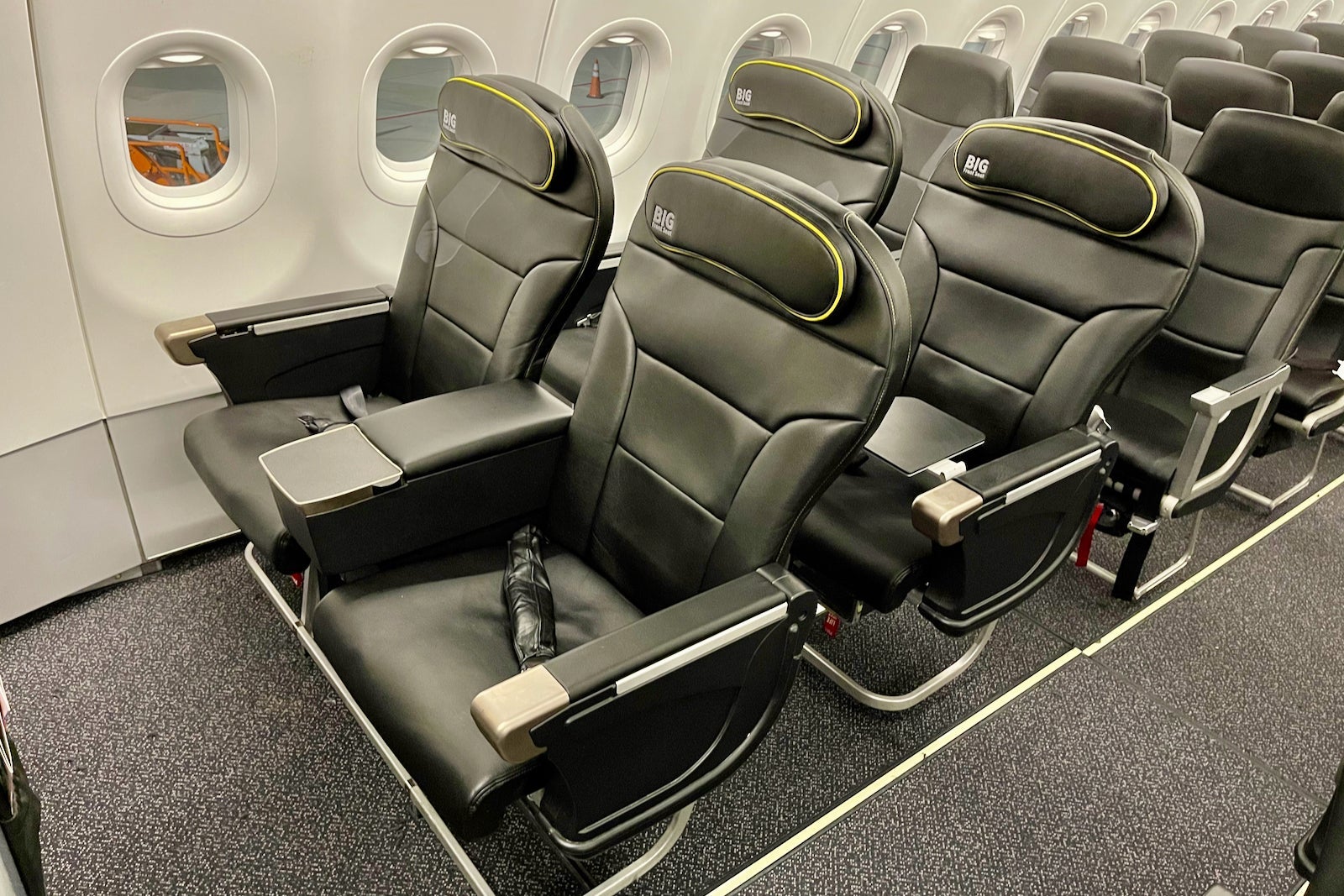
Ultimately, Spirit Airlines’ long-term brand evolution hinges on its ability to strike a sustainable balance between its core low-cost strategy and the fundamental need for customer trust in its reliability. This doesn’t necessarily mean abandoning its ULCC model, but rather demonstrating continuous improvement and a genuine commitment to operational consistency. The brand must evolve its corporate identity to reflect a sophisticated understanding that even budget travelers value peace of mind. This might involve strategic investments in specific customer-facing technologies, partnerships to enhance ground operations, or even nuanced adjustments to its unbundling strategy that improve the overall perceived value without significantly compromising its cost advantage. The future of Spirit’s brand lies in proving that “bare fares” don’t have to mean “barely reliable.” By consistently delivering on its operational promises while maintaining its cost-effective model, Spirit can build enduring brand equity, foster deeper customer loyalty, and secure a more robust and resilient market position for the years to come. This ongoing process of aligning brand strategy with customer experience will define its success.
aViewFromTheCave is a participant in the Amazon Services LLC Associates Program, an affiliate advertising program designed to provide a means for sites to earn advertising fees by advertising and linking to Amazon.com. Amazon, the Amazon logo, AmazonSupply, and the AmazonSupply logo are trademarks of Amazon.com, Inc. or its affiliates. As an Amazon Associate we earn affiliate commissions from qualifying purchases.