
In an increasingly cashless world, credit cards have become an indispensable financial tool, offering convenience, security, and a pathway to building a strong financial future. Among the various credit card networks, Visa stands out as one of the most widely accepted globally, making a Visa credit card a prime choice for many consumers. Whether you’re looking to build your credit history, earn rewards, or simply manage your daily expenses with greater flexibility, understanding how to obtain and responsibly use a Visa credit card is a crucial step in your personal finance journey. This comprehensive guide will demystify the process, from preparation to application and beyond, ensuring you approach credit card acquisition with confidence and a clear strategy.
Understanding What a Visa Credit Card Offers
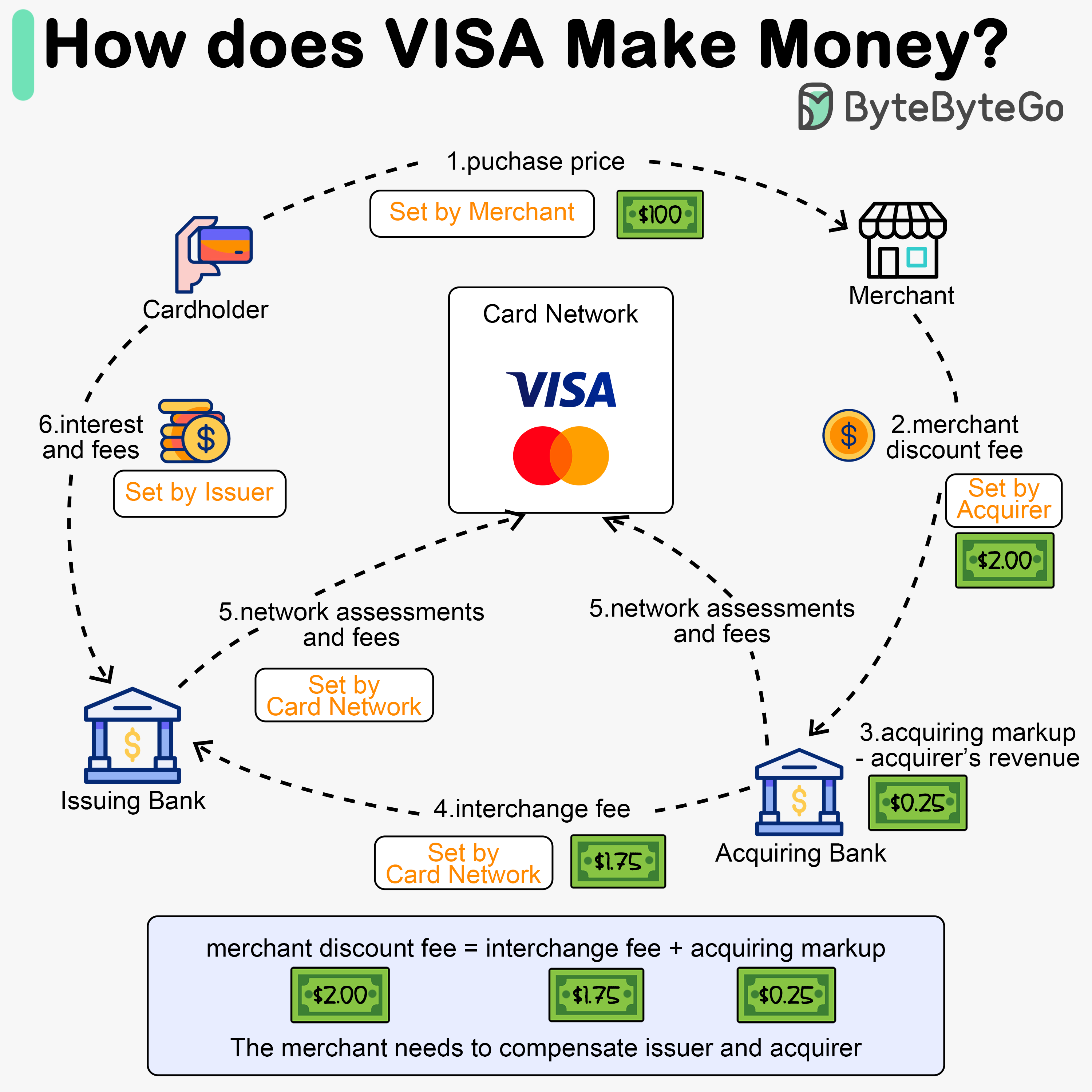
Before diving into the application process, it’s essential to grasp the fundamental nature of a Visa credit card and its role in your financial ecosystem. A Visa card isn’t issued by Visa itself, but by banks and financial institutions that leverage Visa’s payment network. This distinction is critical because while Visa provides the robust infrastructure for transactions, the terms, interest rates, rewards programs, and fees are all set by the issuing bank.
The Global Acceptance of Visa
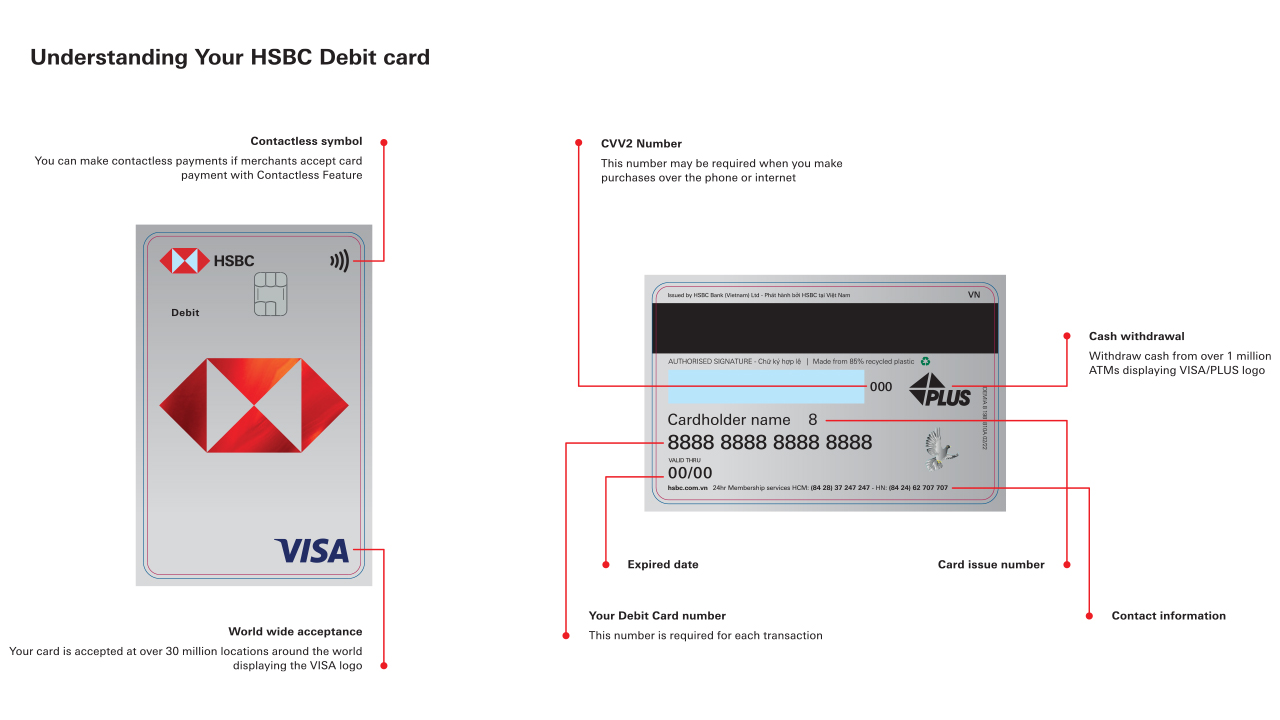
One of Visa’s most compelling attributes is its unparalleled global acceptance. With a presence in over 200 countries and territories, Visa cards are accepted at tens of millions of merchant locations worldwide, both physical and online. This extensive network means that whether you’re shopping at your local grocery store, booking a flight online, or traveling internationally, your Visa card is likely to be a reliable payment method. This widespread acceptance offers peace of mind and unparalleled convenience, reducing the need to carry large amounts of cash and simplifying cross-border transactions. For anyone seeking a versatile financial tool, Visa’s reach is a significant advantage, making it a cornerstone of modern commerce.
Key Benefits and Features
Visa credit cards come with a diverse array of benefits and features that cater to various consumer needs. These can range from practical conveniences to substantial financial advantages, depending on the specific card product.
Firstly, fraud protection is a standard feature across almost all Visa cards. With “Zero Liability” policies, cardholders are typically not held responsible for unauthorized charges made with their account information. This robust security layer protects your money and personal data, offering a vital safeguard against scams and identity theft.
Secondly, many Visa cards offer attractive rewards programs. These can include cashback on purchases, travel points redeemable for flights and hotels, or points tailored to specific spending categories like groceries or gas. For savvy consumers, these rewards can translate into significant savings or valuable perks over time.
Beyond rewards, Visa cards often include extended warranties on purchased items, travel accident insurance, car rental collision damage waiver, and even concierge services on premium cards. These additional benefits add considerable value, providing a safety net and enhancing convenience for cardholders. Understanding the specific benefits offered by a particular Visa card is crucial for maximizing its utility and ensuring it aligns with your lifestyle and spending habits.
Differentiating Visa from Other Networks
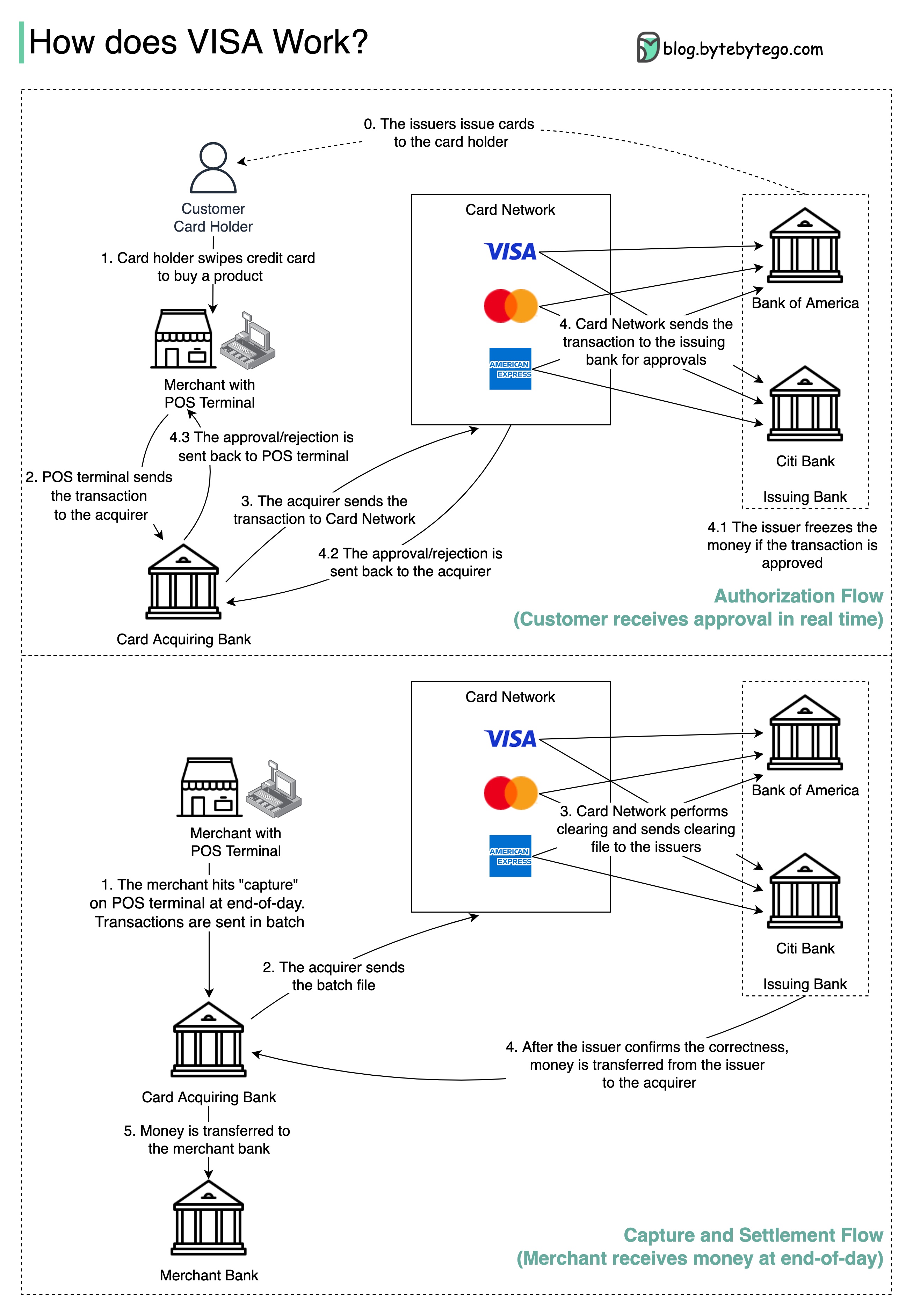
While often used interchangeably with “credit card,” Visa is distinct from other major payment networks like Mastercard, American Express, and Discover. The primary difference lies in the breadth of their acceptance and their business models. Visa and Mastercard operate primarily as payment processors, partnering with banks to issue cards. American Express and Discover, on the other hand, often act as both the issuer and the network, meaning they have more direct control over card terms and benefits but typically have a slightly smaller acceptance footprint, particularly internationally, compared to Visa and Mastercard. For the consumer, the choice often comes down to specific card benefits, issuer preferences, and acceptance at frequently visited merchants. However, for sheer ubiquity and ease of use, Visa remains a top contender, making it a reliable choice for the vast majority of transactions.
Preparing for Your Visa Credit Card Application
Applying for a credit card isn’t something to do on a whim. Thorough preparation can significantly increase your chances of approval and help you select the card that best fits your financial profile. This involves understanding your current financial standing and the various card options available.
Assessing Your Creditworthiness
The cornerstone of any credit card application is your creditworthiness, primarily reflected in your credit score and credit report. Lenders use these tools to gauge your reliability as a borrower. A higher credit score (typically FICO or VantageScore) indicates a lower risk, making you more attractive to issuers and potentially qualifying you for better cards with lower interest rates and richer rewards.
Begin by obtaining a free copy of your credit report from each of the three major credit bureaus (Experian, Equifax, and TransUnion) through AnnualCreditReport.com. Review it meticulously for any errors or discrepancies, as these can negatively impact your score. If you find errors, dispute them immediately. Familiarize yourself with factors that influence your score: payment history, credit utilization (how much credit you’re using versus how much you have available), length of credit history, new credit, and credit mix. If your score is low, focusing on these areas before applying can improve your chances. Paying bills on time and keeping credit utilization below 30% are excellent starting points.
Understanding Different Card Types
Not all Visa credit cards are created equal. They are designed to cater to different financial situations and consumer needs. Understanding these types is crucial for selecting the right card for your profile.
For those with excellent credit, premium rewards cards, low-APR cards, or balance transfer cards might be accessible. These cards often come with attractive sign-up bonuses, high reward rates, or introductory 0% APR periods.
Good credit typically opens the door to a wide range of cashback, travel, and student cards with competitive rates and benefits.
If you have limited or no credit history, or poor credit, your options will be more restricted but not non-existent. Secured credit cards are an excellent starting point. These require a cash deposit, which often becomes your credit limit, effectively collateralizing the card. They function like regular credit cards and report to credit bureaus, allowing you to build credit responsibly. Student credit cards are another option for those enrolled in higher education, often offering lenient approval criteria and modest limits. Finally, some banks offer credit builder loans or encourage you to become an authorized user on someone else’s account to start building a positive credit history.
Gathering Necessary Documentation
Regardless of the card type, you’ll need to provide certain information and documentation during the application process. Having these ready will streamline your application. Typically, you’ll need:
- Proof of Identity: Government-issued ID such as a driver’s license, state ID, or passport.
- Social Security Number (SSN) or Individual Taxpayer Identification Number (ITIN): Essential for credit checks.
- Proof of Address: Utility bill, lease agreement, or bank statement.
- Income Information: Pay stubs, tax returns, or bank statements to verify your ability to repay. Under the CARD Act of 2009, issuers must ensure you have the independent ability to make payments. This means even if you’re a stay-at-home spouse, you can apply using your spouse’s income if you have reasonable access to it.
- Employment Information: Employer’s name and contact information.
Having these details on hand will make filling out the application form much quicker and reduce the likelihood of delays or rejections due to incomplete information.
The Application Process: Step-by-Step
Once you’ve done your homework and prepared your documents, the application process itself is relatively straightforward, especially with online applications becoming the norm.
Researching and Comparing Visa Cards
The first practical step is to thoroughly research and compare different Visa credit cards. Do not simply apply for the first card you see. Utilize online comparison tools, financial websites, and review sites to evaluate various options based on your credit profile and financial goals. Key factors to compare include:
- Annual Percentage Rate (APR): Especially important if you anticipate carrying a balance.
- Annual Fees: Some premium cards have high annual fees, but these might be justified by their rewards and benefits. Many excellent cards have no annual fee.
- Rewards Program: Cashback rates, point values, redemption options, and any bonus categories.
- Sign-up Bonuses: One-time offers for new cardholders after meeting certain spending thresholds.
- Introductory Offers: 0% APR on purchases or balance transfers for a limited period.
- Other Benefits: Travel insurance, extended warranties, purchase protection, etc.
- Credit Requirements: Ensure your credit score aligns with the card’s typical approval criteria.
Create a shortlist of 2-3 cards that best match your needs, and then proceed to apply for the one you deem most suitable. Avoid applying for too many cards at once, as multiple hard inquiries on your credit report can temporarily lower your score.
Navigating the Online Application Form
Most credit card applications are now submitted online directly through the issuer’s website. The forms are generally user-friendly and ask for the information you’ve already gathered during your preparation phase.
Be prepared to provide your full legal name, date of birth, Social Security Number, physical address, email address, phone number, employment status, annual income, and monthly housing payment. Double-check all information for accuracy before submitting. Even a small typo can lead to delays or rejection. Ensure you read the terms and conditions carefully, paying attention to the fine print regarding fees, interest rates, and any penalties. It’s also wise to understand the card’s specific privacy policy.
What Happens After You Apply?
The outcome of your application can vary.
- Instant Approval: For many applicants with strong credit and clear profiles, you might receive an immediate approval decision. You’ll typically get an email confirmation, and your card will be mailed within 7-10 business days.
- Pending Review: If your application isn’t immediately approved, it might be put under review. This often happens if the issuer needs more information, wants to verify certain details, or if your credit profile is borderline. You might receive a call or email requesting additional documents or clarification.
- Denial: If your application is denied, the issuer is legally required to send you an adverse action notice, explaining the reasons for the denial (e.g., low credit score, high debt-to-income ratio, insufficient credit history). This isn’t the end of the road; it provides valuable feedback on areas you need to improve before reapplying.
If your application is pending or denied, sometimes a call to the issuer’s reconsideration line can help. Speaking directly to a representative might allow you to provide additional context or information that could sway the decision in your favor.
Strategies for Approval, Especially for New Applicants or Those with Poor Credit
Getting approved for a Visa credit card when you have a limited or poor credit history can be challenging but is certainly not impossible. It requires a strategic approach and a willingness to start small.
Building Credit from Scratch
For those with no credit history, the journey begins with establishing your first credit lines. This foundational step is crucial.
- Secured Credit Cards: As mentioned, secured Visa credit cards are often the best starting point. They require a deposit, which mitigates risk for the issuer. Use it responsibly by making small purchases and paying the balance in full and on time every month.
- Credit Builder Loans: These loans work in reverse: you make payments into an account, and once the loan term is complete, you receive the funds. The regular, on-time payments are reported to credit bureaus, building your history.
- Becoming an Authorized User: If a trusted family member or friend with excellent credit is willing to add you as an authorized user on their credit card account, their positive payment history can reflect on your credit report. Ensure they are financially responsible, as their missteps could also affect your credit.
- Utility and Rent Reporting: Services exist that allow you to report your on-time rent and utility payments to credit bureaus, which can help establish a payment history outside of traditional credit products.
Consistency is key here. It takes time, typically 6-12 months, to build a sufficient credit history to qualify for an unsecured credit card.
Exploring Secured Visa Credit Cards
Secured Visa credit cards are specifically designed for individuals looking to build or rebuild their credit. They work like traditional credit cards, allowing you to make purchases up to your credit limit (which is typically equal to your security deposit). The key is that your deposit minimizes the risk for the bank, making them much easier to obtain even with a low credit score or no credit history.
When choosing a secured card, look for:
- Reporting to all three major credit bureaus: This ensures your responsible use helps build your score across the board.
- Low or no annual fee: Minimize costs while you build credit.
- Path to an unsecured card: Some issuers offer to convert your secured card to an unsecured one after a period of responsible use, returning your deposit.
- Reasonable interest rates: While you should aim to pay your balance in full, a lower APR is always better.
A secured Visa card is an investment in your financial future, providing the necessary stepping stone to better credit products.
Co-Signers and Authorized Users
If you’re struggling to get approved on your own, a co-signer might be an option. A co-signer, typically a parent or guardian with excellent credit, agrees to be equally responsible for the debt. This arrangement can significantly increase your chances of approval, as the lender has recourse to the co-signer if you default. However, this carries risk for the co-signer, so it should only be considered with a strong mutual trust and understanding of financial responsibilities.
As mentioned, becoming an authorized user on someone else’s account is another way to leverage another person’s good credit. While it doesn’t always build your credit as robustly as having your own primary account, it can provide a positive entry on your credit report and help establish a credit file, which is beneficial for new applicants.
Maximizing the Value of Your Visa Credit Card Responsibly
Getting a Visa credit card is just the first step. To truly benefit from it, responsible usage and a clear understanding of its terms are paramount.
Understanding Your Cardholder Agreement
Your cardholder agreement is a legally binding document that outlines all the terms and conditions associated with your Visa credit card. It’s crucial to read and understand this document, especially sections pertaining to:
- APR: Both for purchases and cash advances, and any penalty APRs.
- Fees: Annual fees, late payment fees, balance transfer fees, cash advance fees, foreign transaction fees, etc.
- Billing Cycles and Due Dates: Know when your payments are due to avoid late fees and interest charges.
- Grace Period: The period (usually 21-25 days) after your statement closing date during which you can pay your balance in full without incurring interest on new purchases.
- Credit Limit: Your maximum spending allowance.
- Rewards Program Details: How rewards are earned, redeemed, and any expiration policies.
Understanding these details empowers you to use your card wisely and avoid costly mistakes.
Responsible Spending and Repayment Habits
The key to a healthy credit score and financial well-being is responsible credit card usage.
- Pay Your Bill in Full, On Time: This is the golden rule. Paying your statement balance in full before the due date avoids interest charges and builds an excellent payment history, which is the most significant factor in your credit score. If you can’t pay in full, at least pay more than the minimum due.
- Keep Credit Utilization Low: Aim to keep your credit utilization ratio (the amount of credit you’re using compared to your total available credit) below 30%, and ideally even lower (under 10%) for optimal credit score growth. High utilization can signal to lenders that you’re over-reliant on credit.
- Avoid Cash Advances: Cash advances typically come with high fees and accrue interest immediately, making them an expensive form of borrowing.
- Monitor Your Statements: Regularly review your statements for accuracy and to catch any unauthorized transactions quickly.
By adhering to these habits, you not only avoid debt but also steadily improve your credit score, unlocking better financial opportunities in the future.
Protecting Your Financial Information
In the digital age, protecting your financial information is more important than ever. Your Visa credit card security is a shared responsibility between you and the issuer.
- Secure Online Shopping: Only make online purchases on secure websites (look for “https://” in the URL and a padlock icon).
- Strong Passwords: Use strong, unique passwords for your online banking and credit card accounts.
- Be Wary of Phishing: Do not click on suspicious links or provide personal information in response to unsolicited emails or calls claiming to be from your bank or Visa. Always verify the sender.
- Physical Card Security: Keep your card in a safe place. Never write down your PIN. Be cautious at ATMs and gas pumps, checking for skimmers.
- Report Lost or Stolen Cards Immediately: If your card is lost or stolen, report it to your issuer immediately to prevent unauthorized use. Visa’s Zero Liability policy helps protect you, but prompt reporting is essential.
- Regularly Check Credit Reports: Periodically review your credit reports for any unfamiliar accounts or inquiries that could indicate identity theft.
By diligently practicing these security measures, you can significantly reduce your risk of fraud and protect your financial standing.
Acquiring a Visa credit card can be a powerful step toward financial empowerment, offering convenience, security, and a mechanism for building a solid credit history. By understanding the options, preparing thoroughly, applying strategically, and managing your card responsibly, you can leverage the full potential of a Visa credit card to achieve your financial goals and navigate the modern economy with confidence.
aViewFromTheCave is a participant in the Amazon Services LLC Associates Program, an affiliate advertising program designed to provide a means for sites to earn advertising fees by advertising and linking to Amazon.com. Amazon, the Amazon logo, AmazonSupply, and the AmazonSupply logo are trademarks of Amazon.com, Inc. or its affiliates. As an Amazon Associate we earn affiliate commissions from qualifying purchases.