
For eligible individuals seeking robust and reliable financial protection for their vehicles, USAA stands out as a premier provider. Renowned for its exceptional customer service and competitive rates, particularly for the military community and their families, acquiring car insurance through USAA is often a financially astute decision. This guide demystifies the process, focusing on the financial implications, benefits, and strategic considerations involved in securing a USAA car insurance policy. Understanding the nuances of eligibility, the application journey, available discounts, and policy customization is key to optimizing your personal finance strategy for vehicle protection.
Understanding USAA Eligibility: A Prerequisite for Financial Protection
The cornerstone of accessing USAA’s array of financial products, including car insurance, is meeting its stringent eligibility requirements. Unlike most conventional insurance providers, USAA operates on a membership model, extending its services exclusively to a select demographic. This exclusivity is a fundamental aspect of their brand and service delivery, creating a community-focused approach that often translates into unique financial advantages for its members. For prospective policyholders, verifying eligibility is the critical first step in what can be a significant enhancement to their personal financial planning and risk management.
The Core Eligibility Requirements: Who Qualifies?
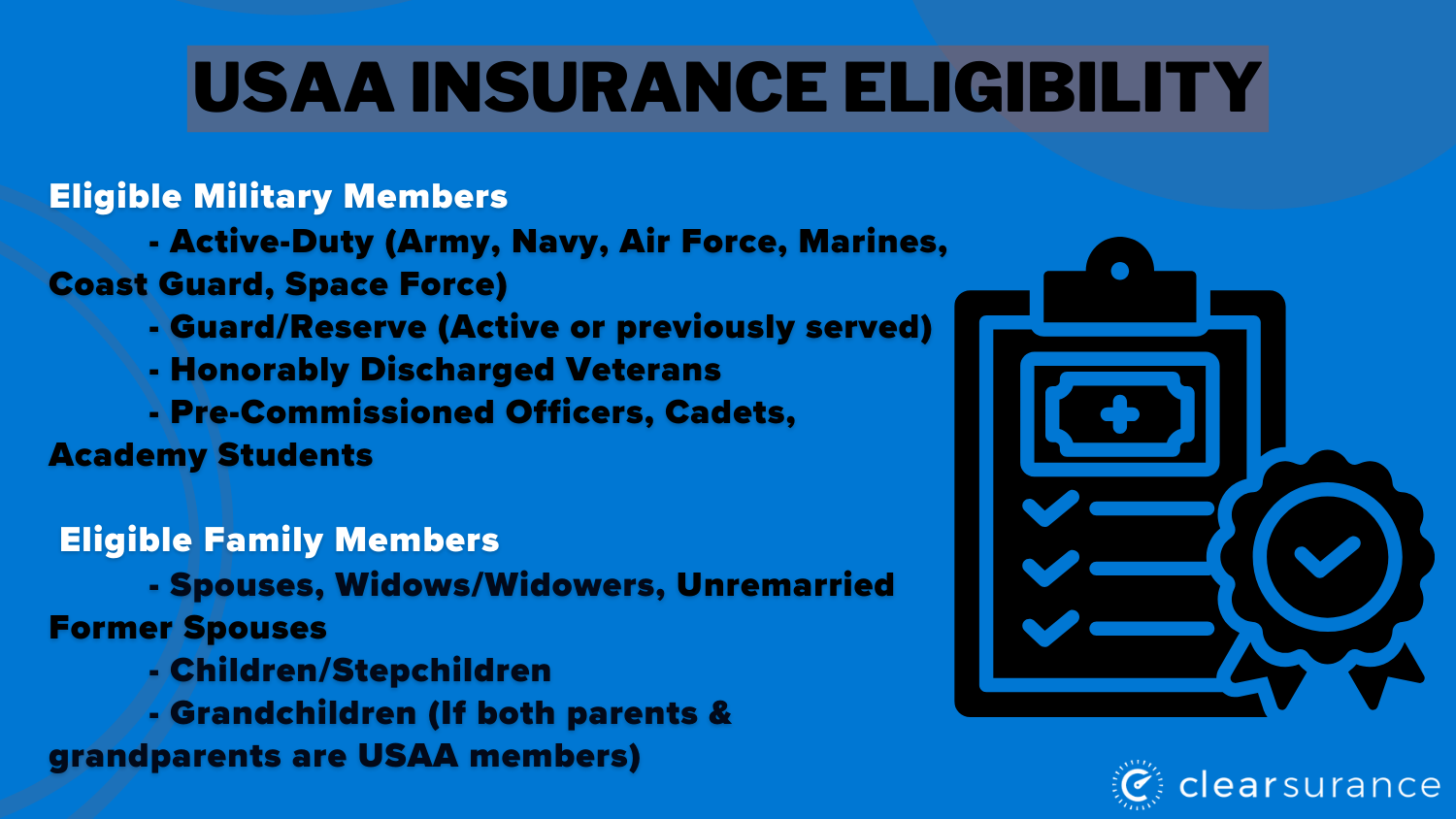
At its heart, USAA’s membership is open to those who have served or are currently serving in the U.S. military. Specifically, eligibility extends to:
-
Active-duty military personnel: This includes individuals currently serving in the U.S. Air Force, Army, Coast Guard, Marine Corps, and Navy. Their commitment to national service is recognized with direct access to USAA’s financial offerings.
-
Veterans: Those who have honorably separated or retired from the U.S. military are also eligible. This acknowledges their past service and continues to provide them with specialized financial benefits.
-
Cadets and Midshipmen: Individuals enrolled in U.S. military academies and officer candidate programs are eligible, recognizing their future commitment and fostering early financial literacy within the military community.
This targeted approach allows USAA to tailor its financial products and services, often resulting in benefits and rates that general insurers cannot match, specifically catering to the unique financial circumstances and needs of military families.
Expanding Eligibility: Family Members and Dependents
Beyond direct service members, USAA strategically extends eligibility to certain family members, multiplying its financial impact across generations. This includes:
-
Spouses of eligible members: A spouse of an active-duty military member, veteran, or cadet can also become a USAA member and access its financial products. This ensures that financial protection extends to the immediate family unit.
-
Children of eligible members: Crucially, children of USAA members can also qualify. This usually applies to biological children, stepchildren, and adopted children whose parents have or had a USAA membership. This intergenerational benefit is a powerful component of USAA’s value proposition, allowing families to build a legacy of financial security through preferred banking, insurance, and investment options. It’s particularly beneficial for young adults needing their first car insurance policy, as they can often leverage their parents’ or grandparents’ eligibility to secure advantageous rates and quality coverage.
Understanding these expanded criteria is vital for families looking to consolidate their financial services or introduce younger generations to responsible financial management with a trusted provider.
Verifying Your Service Connection
To confirm eligibility, USAA requires documentation proving your or your qualifying family member’s military service. This typically involves providing details such as your branch of service, dates of service, or military ID. The process is streamlined, often verifiable online or over the phone, and is a non-negotiable step to unlock the financial advantages of membership. This verification ensures the integrity of their exclusive membership model and upholds their commitment to serving the military community.
Why USAA’s Membership Model Matters for Your Finances
The exclusive membership model is more than just a gatekeeper; it’s a fundamental aspect of USAA’s financial value proposition. By serving a specific, community-oriented demographic, USAA can develop tailored financial products and offer competitive rates that reflect the lower risk profiles and specific needs often associated with military personnel. This translates directly into tangible financial benefits for members, including potentially lower insurance premiums, better banking rates, and a deep understanding of the unique challenges and opportunities faced by military families, from deployments to relocations. Choosing USAA is not just about getting insurance; it’s about aligning with a financial institution that understands and supports your financial journey with a specialized focus.
The USAA Car Insurance Application Process: A Step-by-Step Financial Journey
Once eligibility is confirmed, the process of obtaining a USAA car insurance policy is designed to be efficient and transparent, guiding applicants through each financial decision point. Navigating this journey effectively ensures that you secure the right coverage at the most competitive price, aligning your insurance expenditure with your overall personal finance goals.
Gathering Essential Information for a Seamless Application
Before initiating the application, a methodical approach to data collection can significantly streamline the process and help you accurately assess your financial commitment. You’ll need information pertaining to:
-
Your USAA Membership ID: This confirms your eligibility and begins your financial profile with them.
-
Personal Details: Your full name, date of birth, driver’s license number, and social security number. These are standard identifiers for financial agreements and credit checks.
-
Vehicle Information: The year, make, model, Vehicle Identification Number (VIN), and mileage for each vehicle you intend to insure. Accurate vehicle data is crucial for precise premium calculations, as vehicle type, safety features, and value directly impact your financial liability for comprehensive and collision coverage.
-
Driving History: Details on past accidents, traffic violations, and claims for all drivers on the policy. A clean driving record is a powerful asset in reducing insurance premiums, reflecting a lower financial risk to the insurer.
-
Additional Drivers: Names and driver’s license information for anyone else who will regularly drive your insured vehicles. Each driver’s record can influence the overall policy cost.
Having these details readily available minimizes delays and ensures that the financial quotes you receive are accurate from the outset.
Navigating the Online Application Portal
USAA’s digital platforms are designed with user convenience in mind, offering a robust online application portal. This allows prospective members to obtain quotes and apply for policies from the comfort of their home, a significant advantage for military families who may face frequent relocations or demanding schedules. The portal typically guides you through a series of questions, prompting for the information gathered in the previous step. It provides real-time quotes, allowing for immediate financial comparisons and adjustments to coverage options. Utilizing this digital tool effectively means you can iterate on different coverage levels and deductibles to find the financial sweet spot that balances protection with affordability.
The Role of a USAA Representative
While online tools are powerful, USAA also offers dedicated member representatives who can provide personalized assistance. For those with complex financial situations, unique vehicle requirements, or simply a preference for direct consultation, speaking with a representative can be invaluable. They can help clarify coverage options, explain the financial implications of different policy choices, and identify potential discounts you might overlook in an online application. Their expertise can ensure your policy is optimally aligned with your financial protection needs, potentially saving you money and providing peace of mind.
Understanding the Underwriting Process and Its Financial Implications
Once you submit your application, USAA, like all insurers, initiates an underwriting process. This involves evaluating the information provided to assess the financial risk associated with insuring you and your vehicles. Factors considered include your driving history, vehicle type, location, and even credit history (in states where allowed). The outcome of underwriting directly influences your final premium. A favorable risk profile often translates to lower premiums, while a higher perceived risk can lead to increased costs. Understanding this process empowers you to appreciate how your personal choices and circumstances impact your financial outlay for insurance. Transparency in providing accurate information during this phase is crucial for avoiding future financial discrepancies or policy issues.
Maximizing Value: Discounts and Financial Benefits with USAA Car Insurance
One of USAA’s significant appeals, particularly within the context of personal finance, is its extensive range of discounts. These aren’t merely promotional gimmicks but genuine opportunities to reduce your annual insurance expenditure, thereby freeing up capital for other financial goals. Strategically leveraging these discounts is a hallmark of intelligent financial management.
Common Discounts to Reduce Your Premiums
USAA offers various common discounts designed to reward responsible behaviors and affiliations. These can significantly lower your premium:
-
Multi-Vehicle Discount: Insuring more than one car with USAA can lead to savings, a common strategy for families to consolidate financial services.
-
Good Driver Discount: A clean driving record, free of accidents and violations for a specified period, is directly rewarded with lower rates, emphasizing the financial benefit of safe driving.
-
Good Student Discount: For younger drivers, maintaining a certain GPA can unlock savings, encouraging academic achievement alongside responsible driving. This is particularly valuable for families managing the higher costs of insuring young drivers.
-
Vehicle Storage Discount: If you deploy or store your vehicle for an extended period, you might qualify for a discount, reflecting the reduced risk when the car is not in active use.
-
Anti-Theft Device Discount: Vehicles equipped with approved anti-theft systems are less likely to be stolen, translating into lower financial risk for USAA and subsequent savings for you.
-
New Vehicle Discount: Some newer vehicles, with advanced safety features, may qualify for a discount.
Proactively inquiring about and applying for every eligible discount is a crucial step in optimizing your insurance budget.
Bundling: A Strategic Financial Move
Bundling your car insurance with other USAA financial products, such as homeowners, renters, or life insurance, is often one of the most impactful ways to reduce overall costs. This strategy isn’t just about convenience; it’s a shrewd financial maneuver. Insurers often offer substantial discounts for customers who consolidate multiple policies, recognizing the increased loyalty and reduced administrative costs. For a USAA member, bundling can transform several individual insurance expenses into a more affordable, cohesive financial package, streamlining billing and potentially leading to greater overall savings. This holistic approach to financial protection is a core tenet of effective personal financial planning.
Usage-Based Insurance Programs (SafePilot): Linking Driving Habits to Savings
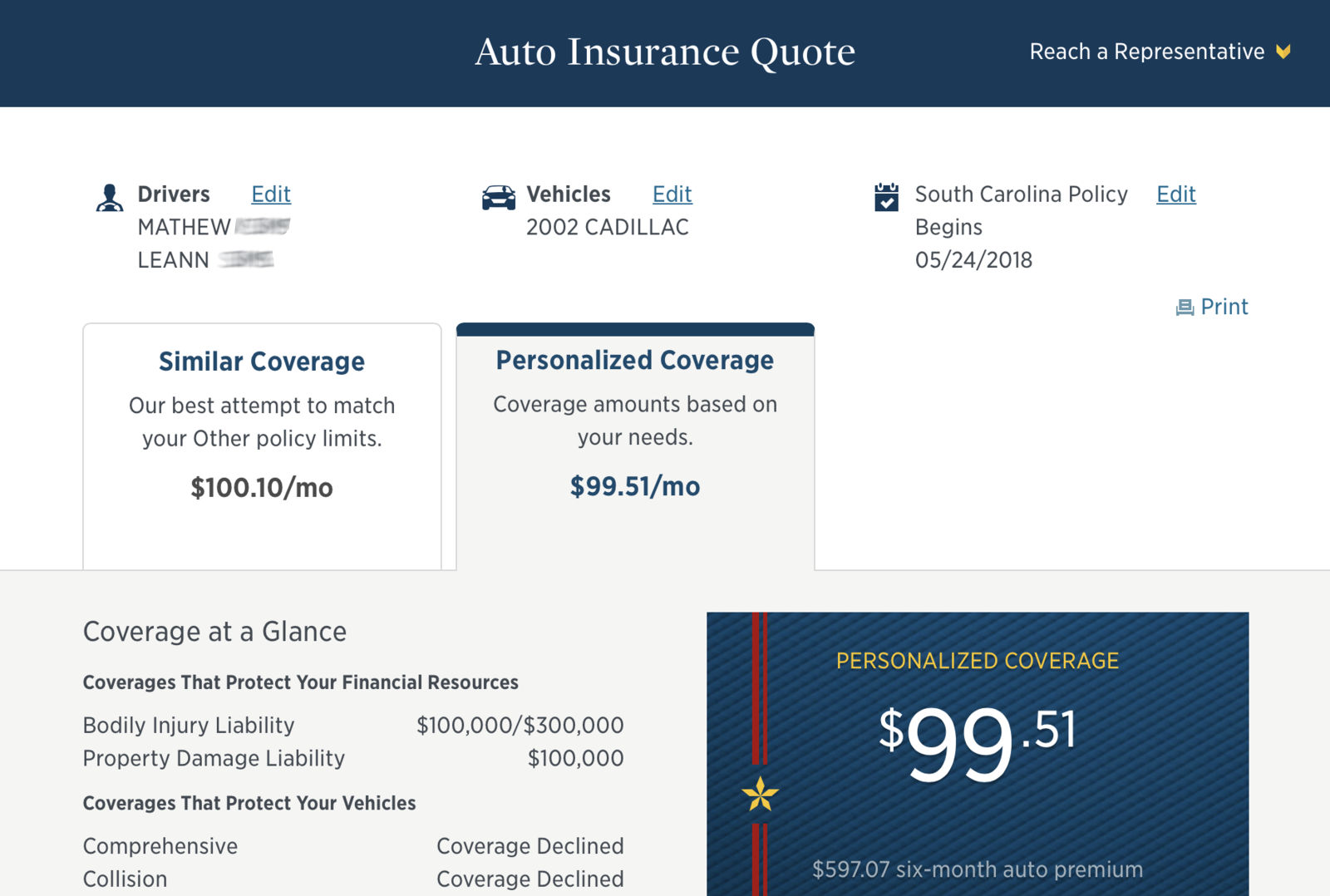
USAA’s SafePilot program is an excellent example of how modern technology intersects with personal finance to reward safe driving. By installing an app on your smartphone, USAA can monitor driving behaviors like braking, acceleration, and phone usage while driving. Drivers who demonstrate safe habits can earn significant discounts on their premiums. This program empowers members to take an active role in managing their insurance costs by directly influencing their risk profile through their daily driving choices. It’s a clear illustration of how behavioral finance can lead to tangible monetary savings.
Leveraging Loyalty and Longevity for Greater Financial Rewards
While not always a specific “discount,” loyalty to USAA can implicitly lead to greater financial benefits over time. Long-term members often benefit from consistent rates, a deeper understanding of their financial needs by representatives, and potentially access to exclusive offers or products. The trust built over years of membership can result in a more stable and advantageous financial relationship, further solidifying USAA as a long-term partner in personal financial security.
Policy Customization and Coverage Options: Tailoring Your Financial Safety Net
A crucial aspect of obtaining USAA car insurance is understanding and customizing your coverage. This isn’t just about picking arbitrary options; it’s about building a robust financial safety net that accurately reflects your asset base, risk tolerance, and state legal requirements. Tailoring your policy to your specific needs is a fundamental principle of sound financial planning.
Core Coverage Types: Liability, Collision, and Comprehensive
These three form the bedrock of most auto insurance policies:
-
Liability Coverage: This is legally required in most states and is paramount for protecting your personal finances. It pays for damages and injuries you cause to other people or their property in an at-fault accident. Without adequate liability, your personal assets could be at severe risk in a lawsuit.
-
Collision Coverage: This pays for damages to your own vehicle resulting from a collision with another car or object, regardless of who is at fault. It’s essential for protecting the financial investment you’ve made in your car.
-
Comprehensive Coverage: This covers damage to your vehicle from non-collision events, such as theft, vandalism, fire, natural disasters (hail, floods), or hitting an animal. It provides a financial buffer against unforeseen circumstances outside of driving accidents.
Carefully selecting the limits for each of these coverages involves a critical financial decision: balancing premium costs against potential out-of-pocket expenses in the event of a claim.
Essential Add-ons for Enhanced Protection
Beyond the core coverages, USAA offers various endorsements that can significantly enhance your financial protection:
-
Rental Car Reimbursement: Covers the cost of a rental car if yours is being repaired due to a covered claim. This prevents unexpected transportation costs from disrupting your budget.
-
Roadside Assistance: Provides financial coverage for services like towing, jump-starts, or lockouts, preventing costly emergency expenses.
-
Uninsured/Underinsured Motorist Coverage (UM/UIM): A vital financial safeguard, this protects you if you’re hit by a driver who has no insurance or insufficient insurance to cover your damages and medical bills. In such scenarios, it prevents you from bearing the full financial burden.
-
Gap Insurance: If you have a car loan or lease, this covers the difference between your car’s actual cash value and the amount you still owe if your car is totaled. It prevents you from being upside down on your loan, a common financial pitfall.
Selecting these add-ons should be based on a thorough assessment of your financial vulnerability and personal circumstances.
Setting Deductibles: Balancing Upfront Costs and Potential Claims
Your deductible is the amount you pay out-of-pocket before your insurance coverage kicks in for a claim. This is a direct financial leverage point:
-
Higher Deductibles: Typically result in lower monthly premiums. This strategy can save you money annually, but it requires you to have a larger emergency fund readily available to cover the deductible if a claim arises.
-
Lower Deductibles: Mean higher monthly premiums but less out-of-pocket expense at the time of a claim. This provides greater immediate financial relief during an incident but at a higher ongoing cost.
Choosing the right deductible requires a careful analysis of your personal cash flow, emergency savings, and risk tolerance. It’s a critical decision in managing your insurance budget.
Understanding Policy Limits and Their Impact on Your Financial Risk
Policy limits define the maximum amount USAA will pay for a covered loss. For liability, these are typically expressed as three numbers (e.g., 100/300/50), representing per-person bodily injury, per-accident bodily injury, and property damage limits. Setting appropriate limits is crucial for your financial well-being. Opting for higher limits, especially for liability, provides significantly greater protection for your assets in the event of a severe accident, even if it means a slightly higher premium. Underinsuring yourself can lead to devastating financial consequences, potentially exposing your savings and future earnings to lawsuits.
Managing Your USAA Car Insurance Policy: Ongoing Financial Stewardship
Obtaining a USAA car insurance policy is not a one-time transaction; it’s an ongoing aspect of prudent financial stewardship. Proactive management of your policy ensures it remains aligned with your evolving financial situation, providing continuous and appropriate protection for your assets.
Understanding Billing and Payment Options
USAA offers various flexible billing and payment options designed to accommodate diverse financial preferences. These typically include:
-
Monthly Payments: Spreading your premium over 12 installments helps manage cash flow but may incur a small service fee.
-
Quarterly or Semi-Annual Payments: Can reduce administrative fees compared to monthly, offering a modest saving.
-
Annual Payments: Paying your entire premium upfront is often the most cost-effective option, as it frequently eliminates all service fees and can sometimes even qualify for a small discount, representing a direct financial benefit for those with the liquidity to do so.
-
Automatic Payments: Enrolling in auto-pay can prevent missed payments, which can lead to lapses in coverage and potentially higher future premiums.
Choosing the right payment schedule is a minor but impactful decision in optimizing your financial outflow for insurance.
Making Policy Adjustments: When Life Changes, So Should Your Coverage
Life events directly impact your financial needs and risk exposure, necessitating timely policy adjustments. Failing to update your policy can lead to inadequate coverage or unnecessary expenses. Key events that warrant a review include:
-
Purchasing a New Vehicle: Requires adding the new car to your policy and determining appropriate coverage. This is a critical financial decision for your new asset.
-
Selling or Disposing of a Vehicle: Removing an old car can lead to premium reductions.
-
Adding or Removing Drivers: Welcoming a new driver (e.g., a teenage child) or removing one (e.g., a child moving out) directly affects your risk profile and premium.
-
Changes in Residence: Moving to a new zip code can alter your rates due to varying local accident statistics, theft rates, and traffic patterns.
-
Changes in Commute/Usage: If you start working from home or reduce your driving significantly, your mileage might decrease, potentially qualifying you for lower rates.
-
Marriage or Divorce: Marital status can influence premiums and the need for updated beneficiary information.
Proactively communicating these changes to USAA ensures your policy remains a precise reflection of your financial reality and protects you adequately.
The Claims Process: Securing Your Financial Recovery
While no one wishes to file a claim, understanding USAA’s claims process is crucial for securing your financial recovery when an incident occurs. USAA is known for its efficient and empathetic claims handling, a significant benefit for members during stressful times.
-
Reporting the Claim: This can typically be done online, through the mobile app, or by phone. Providing accurate and timely information is paramount.
-
Investigation and Assessment: A USAA claims adjuster will investigate the incident, assess damages, and determine coverage.
-
Settlement and Payment: Once the investigation is complete and liability is determined, USAA will facilitate the repair or replacement of your vehicle and manage payments for covered damages and medical expenses.
A smooth claims process minimizes financial disruption and is a testament to the value of having a reliable insurer.

Annual Reviews: Ensuring Continued Financial Suitability
It’s prudent to conduct an annual review of your USAA car insurance policy. This allows you to:
-
Re-evaluate Coverage Needs: Has your financial situation changed? Do you have more assets to protect, or perhaps fewer dependents?
-
Check for New Discounts: USAA periodically introduces new discounts or you may now qualify for existing ones (e.g., age-based discounts, completion of defensive driving courses).
-
Compare Rates: While USAA is often competitive, a periodic check ensures you are still receiving the best value for your financial outlay.
-
Adjust Deductibles: As your emergency fund grows, you might consider increasing your deductibles to lower premiums, a calculated financial risk.
By actively managing your USAA car insurance, you ensure it remains a dynamic and effective component of your comprehensive personal finance strategy, providing peace of mind and protecting your financial future.
aViewFromTheCave is a participant in the Amazon Services LLC Associates Program, an affiliate advertising program designed to provide a means for sites to earn advertising fees by advertising and linking to Amazon.com. Amazon, the Amazon logo, AmazonSupply, and the AmazonSupply logo are trademarks of Amazon.com, Inc. or its affiliates. As an Amazon Associate we earn affiliate commissions from qualifying purchases.