
Car insurance is often viewed as a static monthly bill—a necessary evil required by law and financial prudence. However, in the realm of personal finance, car insurance represents one of the most flexible and optimizable expenses in a household budget. Achieving the best rate is not merely a matter of luck or finding a “cheap” provider; it is a strategic endeavor that requires an understanding of risk assessment, market competition, and the intersection of your financial profile with underwriting algorithms.
As premiums continue to rise due to increased repair costs, medical expenses, and climate-related risks, the proactive consumer must treat insurance shopping as a sophisticated financial audit. By systematically addressing the factors within your control, you can significantly reduce your premiums without sacrificing the protection of your assets.

Deciphering the Underwriting Formula: What Drives Your Costs?
To secure the best rate, one must first understand how insurance companies calculate risk. Every carrier utilizes a proprietary algorithm to determine the likelihood that a policyholder will file a claim. While these formulas are complex, they generally rely on several core pillars that dictate the premium you are quoted.
Personal Risk Profile and Driving History
The most direct influence on your rate is your history behind the wheel. Insurance companies look back three to five years to assess your level of risk. Accidents, even those where you were only partially at fault, and moving violations like speeding tickets or DUI charges, signal to the insurer that you are a high-liability client. Conversely, a “clean” record is the strongest leverage you have when negotiating rates. In the eyes of an underwriter, a long history of safe driving is a predictive indicator of future performance, warranting a lower premium.
Geographic and Demographic Variables
Your location plays a disproportionate role in your insurance costs. If you live in an urban area with high rates of vehicle theft, vandalism, or dense traffic, you will pay more than someone in a quiet rural township. Furthermore, demographic factors such as age, marital status, and gender are historically correlated with risk. For instance, younger drivers typically face higher rates due to a statistical lack of experience, while married individuals often see lower rates, as data suggests they are less likely to be involved in accidents.
The Vehicle’s Risk Rating
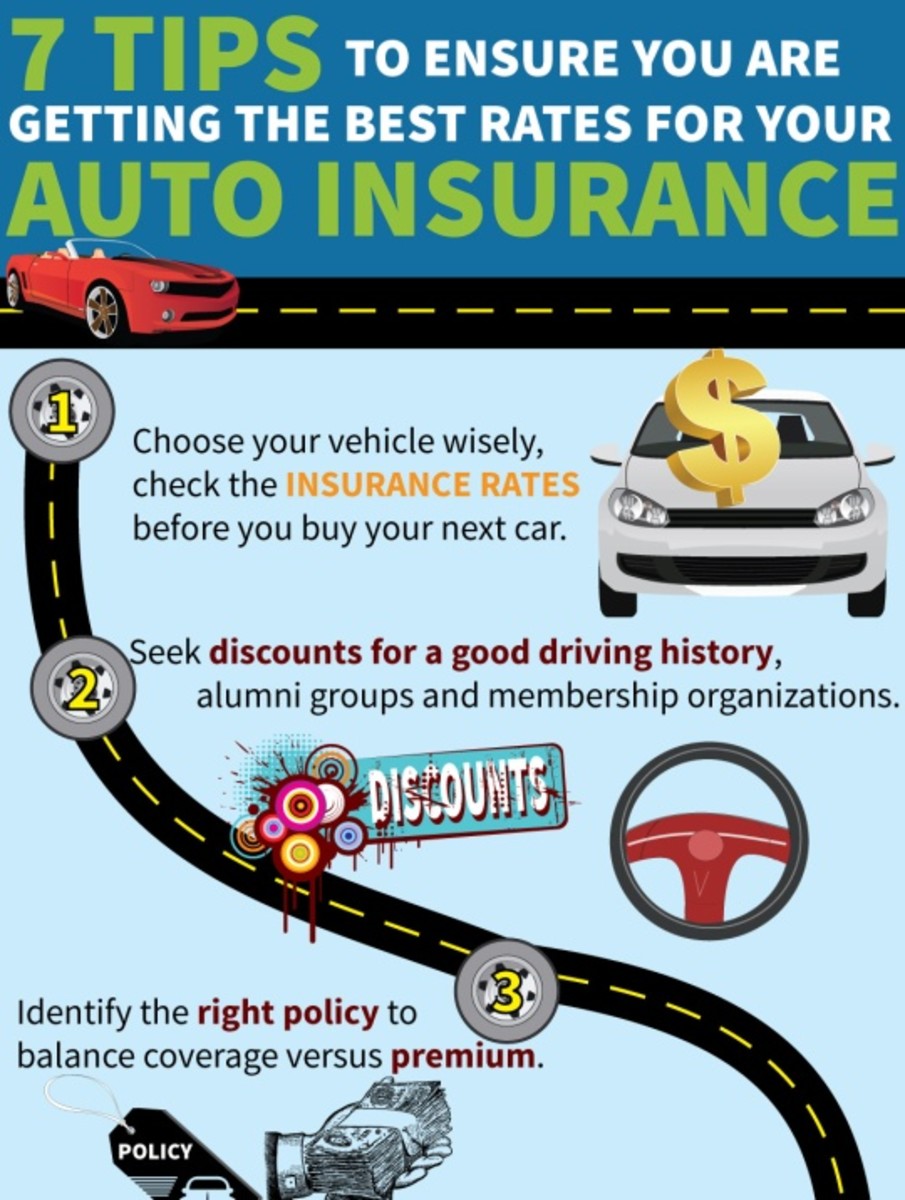
The car itself is a primary variable. Insurers do not just look at the price of the vehicle; they look at its safety ratings, the average cost of its parts, and its susceptibility to theft. A high-end luxury vehicle with specialized carbon-fiber components will cost more to insure than a domestic sedan with readily available parts. Additionally, vehicles equipped with advanced driver-assistance systems (ADAS)—such as automatic emergency braking and lane-departure warnings—may qualify for lower rates because they actively reduce the frequency and severity of collisions.
Strategic Comparison Shopping: Moving Beyond the Commercials
The insurance market is highly fragmented and intensely competitive. Relying on a single quote or staying with the same carrier for a decade out of a sense of loyalty is a common financial mistake. To get the best rate, you must engage in rigorous comparison shopping.
The Power of the “Six-Month Rule”
In personal finance, it is a best practice to re-evaluate your insurance coverage every six to twelve months, or whenever a major life event occurs. If you have recently moved, improved your credit score, or seen a speeding ticket fall off your record, your current insurer may not automatically adjust your rate downward. By shopping around, you force carriers to compete for your business based on your current, improved risk profile.
Captive Agents vs. Independent Brokers
When shopping, consumers often choose between “captive” agents and independent brokers. Captive agents work for a single company (like State Farm or Allstate) and can only offer that company’s products. While they offer deep brand-specific knowledge, they cannot provide market-wide comparisons.
Independent brokers, on the other hand, represent multiple insurance carriers. They can run your profile through dozens of different systems simultaneously to find the most competitive price. For a savvy consumer, using an independent broker is often the most efficient way to access regional carriers that do not spend millions on national television advertising but offer significantly lower rates.
Leveraging Direct-to-Consumer Models
Many of the most competitive rates in the modern market come from direct-to-consumer insurers like Geico or Progressive. By eliminating the commission paid to an agent, these companies can sometimes pass those savings on to the policyholder. However, the trade-off is often a more automated customer service experience. When aiming for the absolute lowest rate, it is essential to include these digital-first carriers in your comparison.

Optimizing Coverage and Leveraging Discounts
The “best” rate is not always the lowest price; it is the price that provides the most value for the necessary level of protection. However, there are several ways to structure your policy to drive costs down without creating dangerous gaps in coverage.
Adjusting Deductibles for Long-Term Savings
One of the most effective ways to lower a premium is to increase the deductible—the amount you pay out of pocket before the insurance kicks in. In the context of personal finance, a higher deductible is a form of self-insurance. If you have a healthy emergency fund, moving your deductible from $500 to $1,000 or even $2,500 can result in a premium reduction of 15% to 30%. Over several years of accident-free driving, the savings in premiums will often far exceed the cost of the higher deductible should an accident occur.
Evaluating Comprehensive and Collision on Older Vehicles
For those driving older vehicles with low market value, it may be financially prudent to drop collision and comprehensive coverage entirely. A general rule of thumb is that if the annual cost of the coverage plus your deductible exceeds the total value of the car, you are paying for insurance that will never provide a meaningful payout. Redirecting those premium dollars into a high-yield savings account to fund a future vehicle purchase is a more efficient use of capital.
The Multi-Policy “Bundle” Discount
The “bundling” of home and auto insurance remains one of the most significant discounts available. Insurance companies value high “customer stickiness”—the likelihood that a customer will stay for many years. By holding both your homeowners or renters insurance and your auto policy with the same firm, you become a more valuable asset to the company, which they reward with discounts often ranging from 10% to 25% across both policies.
The Role of Credit and Financial Behavior in Premium Reduction
In most states, your credit-based insurance score is one of the most powerful predictors of your premium. While this practice is controversial, it is a reality of the modern insurance industry. Insurers have found a strong statistical correlation between how an individual manages their finances and how they manage their risks on the road.
Improving Your Insurance Score
To get the best rate, you must treat your credit score as a tool for insurance optimization. Maintaining low credit card utilization, paying bills on time, and avoiding unnecessary hard inquiries will improve your insurance score over time. If you have recently made significant strides in repairing your credit, notify your insurance company immediately. They may be able to re-score your policy mid-term, leading to an immediate reduction in your monthly premium.
Defensive Driving and Affinity Discounts
Many carriers offer discounts for completing a certified defensive driving course. These courses, often available online for a nominal fee, can result in a mandatory discount (in many jurisdictions) that lasts for three years. Additionally, check for affinity discounts related to your employer, your university alumni association, or professional organizations. Organizations like AAA, AARP, or specific military-affiliated insurers (like USAA) offer rates that are often inaccessible to the general public.
Emerging Trends: Usage-Based Insurance and the Future of Rates
The insurance industry is moving toward a more personalized model of risk assessment through telematics. Usage-based insurance (UBI) programs involve installing a small device in your car or using a smartphone app to track your driving habits in real-time.
Pay-As-You-Drive Models
If you are a low-mileage driver—perhaps you work from home or use public transit—traditional insurance models may be overcharging you. Pay-per-mile insurance programs allow you to pay a small base rate plus a few cents for every mile you actually drive. This can lead to massive savings for those who do not use their vehicles daily.
Behavior-Based Savings
Telematics programs also track behaviors like hard braking, rapid acceleration, and late-night driving. For a safe, conservative driver, opting into a telematics program can lead to discounts of up to 40%. While there are privacy considerations to weigh, from a purely financial perspective, UBI is the most direct way to prove to an insurer that you are a low-risk client and should be charged accordingly.
In conclusion, securing the best rate on car insurance is an ongoing process of financial optimization. It requires a balance of maintaining a stellar personal risk profile, shopping the market with a cold-eyed analytical approach, and staying informed about new technological shifts like telematics. By viewing car insurance as a manageable component of your broader financial strategy rather than a fixed cost, you can protect your assets while keeping your monthly expenses at an absolute minimum.
aViewFromTheCave is a participant in the Amazon Services LLC Associates Program, an affiliate advertising program designed to provide a means for sites to earn advertising fees by advertising and linking to Amazon.com. Amazon, the Amazon logo, AmazonSupply, and the AmazonSupply logo are trademarks of Amazon.com, Inc. or its affiliates. As an Amazon Associate we earn affiliate commissions from qualifying purchases.