
Launching a new business is an exciting endeavor, brimming with innovation, passion, and the potential for significant growth. However, translating a brilliant idea into a thriving enterprise almost invariably requires capital. For many aspiring entrepreneurs, securing a startup loan is the critical first step in making their vision a reality. Unlike established businesses with proven track records and existing revenue streams, startups face unique challenges in convincing lenders of their viability. This comprehensive guide will navigate the complex world of startup financing, providing insights, strategies, and actionable advice to help you secure the funding your business needs to flourish.
Understanding the Startup Funding Landscape
Before diving into specific loan options, it’s crucial to understand the distinct environment in which startup financing operates. Lenders assess risk, and for a startup, that risk profile is inherently higher due to a lack of operational history, collateral, and consistent cash flow.
Why Startup Loans Are Unique
Startup loans differ significantly from traditional business loans. For an established company, a lender can review years of financial statements, tax returns, and asset registers to gauge creditworthiness. For a startup, these simply don’t exist. Lenders must therefore rely heavily on other indicators: the entrepreneur’s personal credit, the strength and feasibility of the business plan, the market opportunity, and the management team’s experience. This necessitates a different approach from both the borrower and the lender. You’re not just asking for money; you’re asking a lender to believe in your vision and your ability to execute it.
Key Factors Lenders Evaluate
When you apply for a startup loan, lenders will scrutinize several critical areas. Understanding these will help you prepare a compelling application:
- Personal Credit Score and History: For a startup, the entrepreneur’s personal credit is often the primary indicator of financial responsibility. A strong personal credit score (typically FICO score above 680, ideally 720+) is almost always a prerequisite.
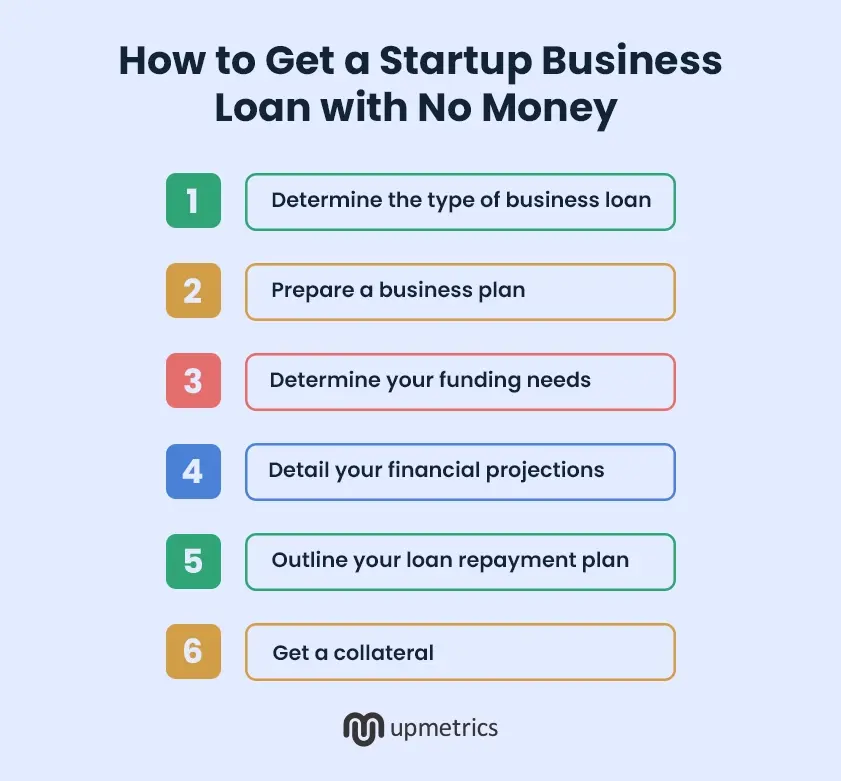
- The Business Plan: This document is your roadmap and your sales pitch. It must clearly articulate your business model, market analysis, competitive advantages, marketing strategy, operational plan, and, crucially, detailed financial projections.
- Industry and Market Viability: Lenders want to see that you’ve thoroughly researched your industry, identified a clear target market, and understand the competitive landscape. Is there a genuine demand for your product or service?
- Management Team Experience: Your background and that of your key team members matter. Relevant industry experience, a track record of success, or even strong transferable skills can significantly bolster your application.
- Collateral or Guarantees: While some startup loans are unsecured, many require collateral (assets that the lender can seize if you default) or a personal guarantee, meaning you are personally liable for the debt.
- Use of Funds: Lenders want a clear, detailed breakdown of how you intend to use the loan funds. Vague requests for “operating capital” are less convincing than specific allocations for equipment, inventory, marketing, or working capital.
- Debt Service Coverage: Even with projections, lenders will try to assess your ability to repay the loan. They’ll look at your projected cash flow to determine if it can comfortably cover your loan payments.
The Importance of Your Business Plan
Your business plan isn’t merely a formality; it’s the cornerstone of your loan application. It serves multiple purposes: it forces you to think critically about every aspect of your business, provides a blueprint for your operations, and acts as the primary document lenders will use to evaluate your potential. A well-crafted business plan should include: an executive summary, company description, market analysis, organization and management, service or product line, marketing and sales strategy, funding request, and detailed financial projections. Ensure your financial projections are realistic, backed by research, and demonstrate a clear path to profitability and loan repayment.
Traditional Avenues for Startup Loans
While it might seem daunting, several established pathways exist for securing startup capital. These options often provide more favorable terms but typically come with stricter eligibility criteria.
Bank Loans and Credit Unions
Traditional banks and credit unions are often the first places entrepreneurs consider. While they tend to be conservative with startups, they do offer various loan products, particularly those backed by government guarantees.
- SBA 7(a) Loans: The U.S. Small Business Administration (SBA) doesn’t lend money directly, but it guarantees a portion of loans made by commercial lenders, reducing the risk for banks. The 7(a) loan program is the SBA’s most common and flexible loan program, suitable for a wide range of business purposes, including working capital, equipment purchases, and real estate. These loans typically offer longer repayment terms and lower interest rates than conventional loans.
- SBA Microloans: These are smaller loans (up to $50,000, with an average of $13,000) provided through intermediary lenders (non-profit community-based organizations). They are often used for working capital, inventory, supplies, furniture, fixtures, and equipment. They are a good option for very early-stage businesses or those needing smaller sums.
- Term Loans: These are conventional loans with a fixed interest rate and repayment schedule over a set period. While less common for pure startups without collateral or existing revenue, some banks may consider them for businesses with strong assets or robust personal guarantees.
- Business Lines of Credit: A flexible option that allows businesses to borrow up to a certain limit, repay it, and borrow again. While highly beneficial for managing cash flow, they are rarely offered to pure startups without revenue or collateral.
Small Business Administration (SBA) Loans: A Closer Look
SBA-backed loans are often the best starting point for many entrepreneurs due to their government guarantee, which makes banks more willing to lend to startups.
- Benefits: Lower down payments, longer repayment terms (reducing monthly payments), no collateral required for smaller loans, and lower interest rates.
- Requirements: While each SBA program has specific criteria, general requirements include operating for profit in the U.S. or its territories, having reasonable owner equity to invest, and using alternative financial resources (like personal assets) before seeking SBA assistance. The personal credit of the business owners is a significant factor, as is the strength of the business plan. Be prepared for a detailed application process and thorough vetting.
Personal Loans for Business Use
In situations where traditional business loans are unattainable, some entrepreneurs opt for personal loans. You, as an individual, borrow the money and then inject it into your business.
- Pros: Easier to obtain if you have excellent personal credit, faster approval times than some business loans, and fewer restrictions on how the funds can be used.
- Cons: The loan is in your name, making you personally liable. It can impact your personal credit if not managed responsibly. Loan amounts are typically lower than business loans, and interest rates might be higher than SBA-backed options. This should be a carefully considered option due to the personal risk involved.
Alternative and Emerging Funding Options
The financial landscape has evolved, offering several non-traditional avenues that can be more accessible for startups, especially those that don’t fit the mold of conventional lending.
Online Lenders
The rise of fintech has ushered in a new era of online lending platforms. These lenders often have less stringent requirements than traditional banks and can offer faster approval and funding times.
- Advantages: Speed, convenience, and more flexible eligibility criteria (some may consider factors beyond just credit score). They can be a lifeline for startups that have been turned down by traditional banks.
- Disadvantages: Interest rates can be significantly higher, and repayment terms might be shorter, leading to larger monthly payments. It’s crucial to carefully compare offers and understand the total cost of the loan. Examples include Kabbage (now part of American Express), OnDeck, and Funding Circle.
Community Development Financial Institutions (CDFIs)
CDFIs are mission-driven financial institutions that serve economically distressed communities and often lend to businesses that might not qualify for traditional bank loans.
- Focus: They prioritize community impact alongside financial returns, often providing financing to women-owned businesses, minority-owned businesses, and businesses in low-income areas.
- Benefits: More flexible underwriting standards, often coupled with business development services and technical assistance. They can be an excellent resource for startups with a strong community focus or those facing unique challenges.

Microloans
While mentioned with the SBA, standalone microloan programs also exist outside of the SBA umbrella, often offered by non-profit organizations or local economic development agencies.
- Purpose: These are small loans, typically under $50,000, designed to help very small businesses and startups.
- Accessibility: Often more accessible than larger loans, with an emphasis on the entrepreneur’s character and business idea rather than extensive financial history. They are ideal for startups needing capital for specific, limited purposes like initial inventory, equipment, or basic working capital.
Equipment Financing
If your startup primarily needs capital to purchase specific machinery, vehicles, or technology, equipment financing might be an option.
- Mechanism: The equipment itself serves as collateral for the loan, making it less risky for the lender and potentially easier for startups to qualify for.
- Use Case: Highly specialized for businesses with significant equipment needs, such as manufacturing, construction, or even service businesses requiring specific tools.
Preparing Your Loan Application: What Lenders Want to See
A strong application is your best asset. It demonstrates your professionalism, preparedness, and understanding of your business and its financial needs.
Crafting a Robust Business Plan
Reiterate the importance of a detailed, well-researched business plan. It should be clear, concise, and compelling, effectively communicating your business’s potential.
- Executive Summary: A snapshot of your entire plan, highlighting key aspects.
- Company Description: What your business does and its unique value proposition.
- Market Analysis: In-depth research on your target market, industry trends, and competitive landscape.
- Organization and Management: Details about your legal structure and the experience of your team.
- Service or Product Line: A detailed description of what you offer.
- Marketing and Sales Strategy: How you plan to reach customers and generate revenue.
- Funding Request: The exact amount you need and how it will be spent.
- Financial Projections: Realistic 3-5 year projections for income statements, cash flow statements, and balance sheets.
Financial Projections and Documentation
Lenders live by numbers. Even if your startup has no historical data, robust projections are vital.
- Projected Financial Statements: Create detailed projections for at least the next 3-5 years, including income statements, cash flow statements, and balance sheets. Be ready to justify every assumption.
- Personal Financial Statements: Most lenders will require a personal financial statement from all principal owners, detailing assets, liabilities, and net worth.
- Tax Returns: Your personal tax returns (for the last 2-3 years) will be reviewed, and for existing businesses, the business tax returns.
- Bank Statements: Personal bank statements (and business if you have an existing account) will show financial habits.
Personal Credit Score and History
Emphasize how critical your personal credit is for a startup.
- Monitoring: Regularly check your credit report for errors and dispute any inaccuracies.
- Improvement: Pay bills on time, reduce existing debt, and avoid opening new credit lines before applying for a loan. A higher score translates to better loan terms.
Collateral and Guarantees
Understand what assets you can offer or if a personal guarantee is required.
- Types of Collateral: Real estate, accounts receivable, inventory, machinery, equipment, or even intellectual property.
- Personal Guarantees: Be aware that you may be held personally responsible for the loan if the business defaults.
Legal Structure and Registration
Ensure your business is properly registered and has all necessary licenses and permits. This demonstrates legitimacy and compliance.
Navigating the Application Process and Beyond
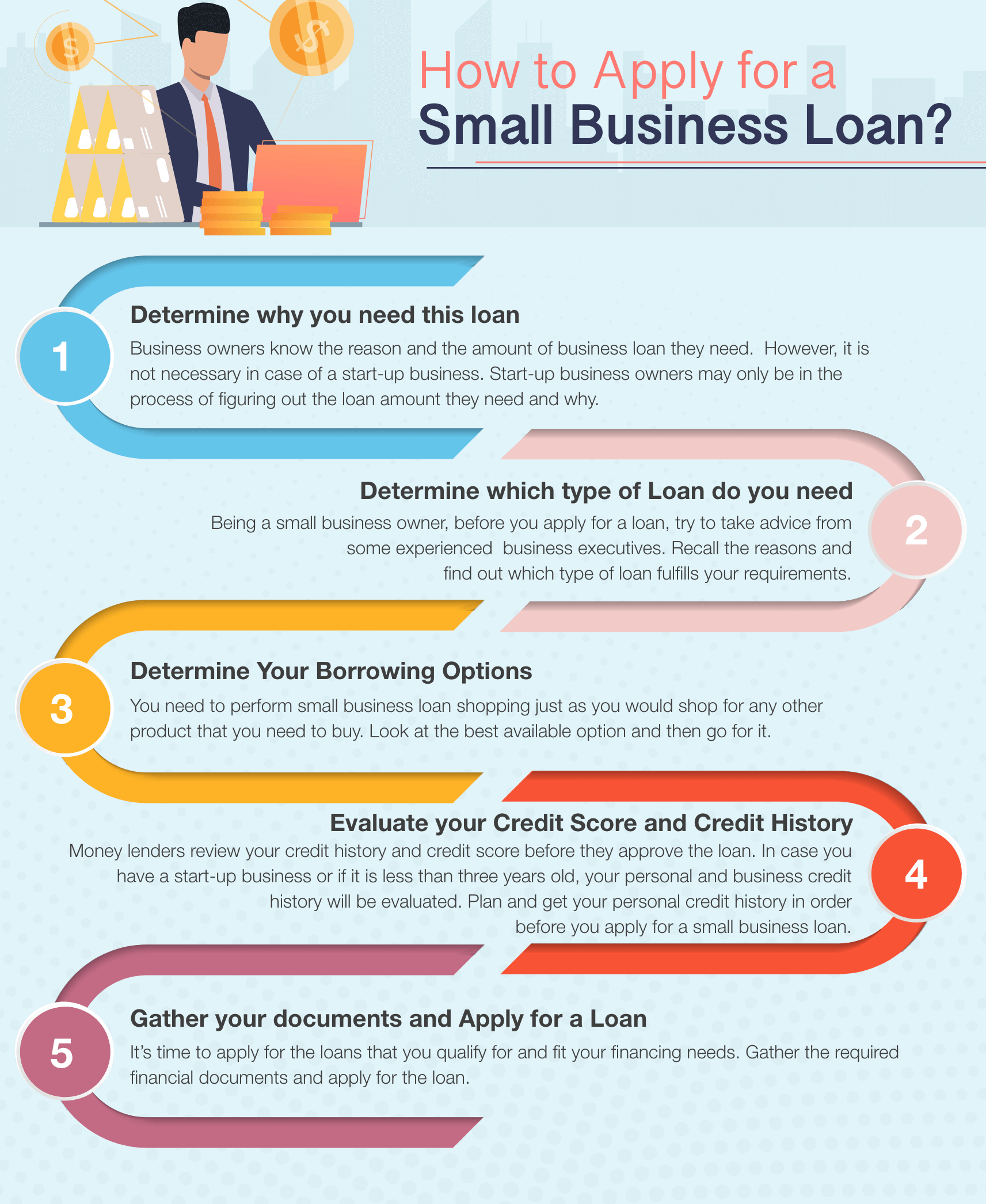
Securing a startup loan is a process, not a single event. Patience, persistence, and meticulous preparation are key.
Researching and Comparing Lenders
Don’t just apply to the first lender you find.
- Shop Around: Different lenders specialize in different types of businesses or loan amounts. Compare interest rates, fees, repayment terms, and eligibility requirements.
- Talk to Experts: Consult with a SCORE mentor, an SBA resource partner, or a financial advisor to help you identify suitable lenders.
The Application Submission
- Be Thorough: Double-check all documents for accuracy and completeness. Missing information or errors can cause significant delays or even denial.
- Be Transparent: Honesty about your business’s strengths and weaknesses, and your personal financial situation, builds trust.
- Be Prepared to Explain: You may need to elaborate on your projections, marketing strategies, or personal financial history during interviews with lenders.
Post-Approval: Managing Your Loan Responsibly
Getting the loan is only half the battle.
- Adhere to Terms: Make all payments on time. This is crucial for maintaining a good relationship with your lender and building your business’s credit history.
- Monitor Cash Flow: Continuously track your revenue and expenses to ensure you have sufficient funds to cover loan repayments.
- Maintain Records: Keep meticulous financial records, which will be essential for future financing or business growth.
What to Do If Your Application is Denied
A denial is not the end of your entrepreneurial journey.
- Ask for Feedback: Understand why your application was denied. Was it your credit score, the business plan, lack of collateral, or something else?
- Address Weaknesses: Use the feedback to improve your business plan, credit score, or search for a more suitable lender.
- Explore Alternatives: Consider bootstrapping, crowdfunding (equity or reward-based), or seeking smaller microloans while you build your business’s track record.
Conclusion
Securing a startup loan is a challenging yet achievable milestone for any aspiring business owner. It requires diligent preparation, a robust business plan, a solid understanding of your financial needs, and a strategic approach to identifying the right lending partner. By meticulously preparing your application, understanding the various funding avenues, and demonstrating a clear path to profitability, you significantly increase your chances of obtaining the capital necessary to ignite your entrepreneurial journey. Remember, perseverance is key; every “no” is an opportunity to refine your approach and get closer to a “yes.” With careful planning and a resilient spirit, your vision for a successful business can indeed become a reality.
aViewFromTheCave is a participant in the Amazon Services LLC Associates Program, an affiliate advertising program designed to provide a means for sites to earn advertising fees by advertising and linking to Amazon.com. Amazon, the Amazon logo, AmazonSupply, and the AmazonSupply logo are trademarks of Amazon.com, Inc. or its affiliates. As an Amazon Associate we earn affiliate commissions from qualifying purchases.