
Opening a new bank account, especially with a major financial institution like Chase, often comes with questions regarding initial financial commitments. While the headline question “how much to open an account with Chase” might suggest a simple, singular dollar figure, the reality is more nuanced. The cost to initiate a banking relationship with Chase isn’t just about an initial deposit; it encompasses minimum balance requirements, potential monthly service fees, and the specific account type chosen to match individual or business financial needs. Understanding these factors is crucial for making an informed decision and ensuring a smooth, cost-effective banking experience.

Understanding Chase Account Types and Their Initial Requirements
Chase offers a diverse portfolio of banking products designed to cater to a broad spectrum of customers, from individuals managing daily expenses to businesses requiring sophisticated financial tools. Each account type carries its own set of requirements, including initial deposits and ongoing balance stipulations.
Chase Total Checking®: Daily Banking Foundation
Chase Total Checking® is often the entry point for many individual customers seeking a robust account for everyday transactions. While a significant initial deposit isn’t typically mandated, a modest sum is usually required to open the account and activate it. This initial deposit can vary but is generally within the range of $0 to $50, making it accessible for most individuals. The focus here is on ease of access and functionality for routine banking activities such as direct deposits, bill payments, and debit card transactions. The true “cost” consideration for this account often shifts quickly from the initial deposit to understanding how to avoid potential monthly service fees, which we will explore further.
Chase Savings℠: Building Your Financial Cushion
For those looking to accumulate savings, the Chase Savings℠ account is a popular choice. Similar to the checking account, the initial deposit requirement is typically minimal, often mirroring that of the Total Checking® account. The primary distinction lies in its purpose: designed for growth and less frequent transactions. While the initial amount to open is low, the ongoing financial commitment here often involves maintaining a certain balance to either earn interest (though often modest) or, more importantly, to waive monthly service fees. This encourages consistent saving habits.
Chase Premier Plus Checking℠ and Chase Sapphire Banking℠: Enhanced Services
As customers’ financial needs grow, Chase offers accounts with enhanced benefits, often accompanied by slightly higher initial requirements or, more commonly, stricter balance thresholds to avoid fees. Chase Premier Plus Checking℠, for instance, provides additional perks like waived fees for certain transactions or smaller savings accounts. Chase Sapphire Banking℠ steps up further, offering a premium experience with benefits such as no ATM fees worldwide, dedicated customer service, and often higher limits. For these accounts, the how much to open typically remains modest (e.g., $0-$50), but the how much to maintain to truly benefit and avoid fees becomes a more substantial consideration, often involving significant combined balances across linked Chase accounts. These accounts are designed for customers with more substantial assets or higher transaction volumes.
Chase Private Client: Premium Relationship Banking
At the pinnacle of Chase’s personal banking offerings is Chase Private Client. This service is designed for affluent individuals and families requiring personalized financial advice, sophisticated investment solutions, and an elevated banking experience. To qualify for Chase Private Client, there isn’t necessarily a direct “initial deposit” in the traditional sense for the checking account itself, but rather a substantial minimum average daily balance across eligible linked Chase accounts (checking, savings, investments) is required to establish and maintain the relationship. This threshold is typically in the hundreds of thousands of dollars. The “cost” here is less about opening funds and more about the overall liquid assets committed to Chase.
Business Checking Accounts: Supporting Entrepreneurial Ventures
For entrepreneurs and businesses, Chase offers a suite of business checking accounts, each tailored to different business sizes and transaction volumes. Accounts like Chase Business Complete Banking℠ are designed for smaller businesses, often requiring an initial deposit ranging from $0 to $100. Larger businesses with more complex needs, such as those with higher cash deposit volumes or more extensive transaction requirements, might opt for accounts like Chase Performance Business Checking® or Chase Platinum Business Checking®. For these, the initial deposit might be similar, but the fee waiver requirements usually involve significantly higher average daily balances or monthly processing volumes. The “cost” for businesses is measured not just in initial funds but in managing balances and transaction limits to optimize operational efficiency and minimize fees.
Decoding Fees and Minimum Balances: Beyond the Initial Deposit
While the initial amount to open an account is often minimal, the ongoing “cost” of banking with Chase is largely determined by monthly service fees and the strategies employed to waive them. This is where the true financial commitment lies for many account holders.
Monthly Service Fees and How to Waive Them
Most standard Chase checking and savings accounts come with a monthly service fee if certain conditions are not met. For a Chase Total Checking® account, this fee might be around $12-$15 per month, while a Chase Savings℠ account might incur a fee of $5. Premium accounts like Premier Plus Checking® or Sapphire Banking® often have higher fees if their respective conditions aren’t met, sometimes upwards of $25 per month.
The key to minimizing this “cost” is understanding the waiver criteria. Common ways to waive monthly service fees include:
- Direct Deposits: Setting up recurring direct deposits (e.g., from payroll or government benefits) exceeding a certain cumulative amount per statement cycle (e.g., $500 or more) is a common waiver for checking accounts.
- Minimum Daily Balance: Maintaining a specified minimum average daily balance in the account (e.g., $1,500 for Total Checking®, $300 for Savings) can waive the fee.
- Linked Accounts: Having a certain aggregate balance across multiple linked Chase accounts (checking, savings, investments) is often a waiver for premium checking accounts or can waive fees on associated savings accounts.
- Age-Related Waivers: Students (often up to age 24) or seniors may qualify for fee waivers.
- Automatic Transfers: For savings accounts, setting up a recurring automatic transfer from a linked Chase checking account can sometimes waive the fee.
Businesses also have fee waiver options, typically involving higher minimum daily balances, a certain number of qualifying transactions, or having specific Chase merchant services linked to the account.
Minimum Balance Requirements and Their Implications
Beyond waiving fees, minimum balance requirements can have other implications. While many accounts don’t have a strict minimum balance that triggers a penalty fee (beyond the monthly service fee), falling below recommended balances can impact your ability to earn interest (if applicable) or access certain benefits. For premium accounts, maintaining the required aggregate balance is paramount to fully utilizing the features and avoiding significant monthly service charges. Not meeting these can effectively make the account more expensive than anticipated.
Other Potential Fees to Watch Out For
While not directly related to the initial “how much to open,” other fees can add to the overall cost of banking if not managed carefully:
- Out-of-Network ATM Fees: Using ATMs outside the Chase network can incur fees from both Chase and the ATM owner.
- Overdraft Fees: Spending more than you have in your account can lead to substantial overdraft fees, though Chase offers overdraft protection services to mitigate this.
- Wire Transfer Fees: Sending or receiving wire transfers, especially internationally, typically incurs a fee.
- Stop Payment Fees: Requesting to stop payment on a check or electronic transaction usually carries a charge.
- Foreign Transaction Fees: Using your debit card for purchases in foreign currencies may incur a percentage-based fee.
Being aware of the fee schedule, readily available on Chase’s website, is a critical step in managing the true cost of your banking relationship.
Strategic Considerations Before Opening a Chase Account
Choosing the right Chase account and understanding its financial implications goes beyond just the opening deposit. A strategic approach involves assessing your needs, leveraging available promotions, and being prepared for the application process.
Assessing Your Financial Needs and Goals
Before selecting an account, honestly evaluate your banking habits and financial objectives:
- Transaction Volume: How many transactions (debit card purchases, checks, ATM withdrawals) do you anticipate making each month?
- Direct Deposit Potential: Do you receive regular direct deposits that can help waive fees?
- Savings Goals: Are you primarily looking to save, or is it for everyday spending?
- Balance Maintenance: Can you realistically maintain the minimum balances required to waive fees or access premium benefits?
- Business vs. Personal: Are you opening an account for personal finances or for a registered business?
- Future Growth: Do you anticipate your financial needs growing, potentially requiring more advanced services down the line?
Matching an account to your actual usage patterns is the most effective way to minimize costs and maximize benefits.
Leveraging Signup Bonuses and Promotions
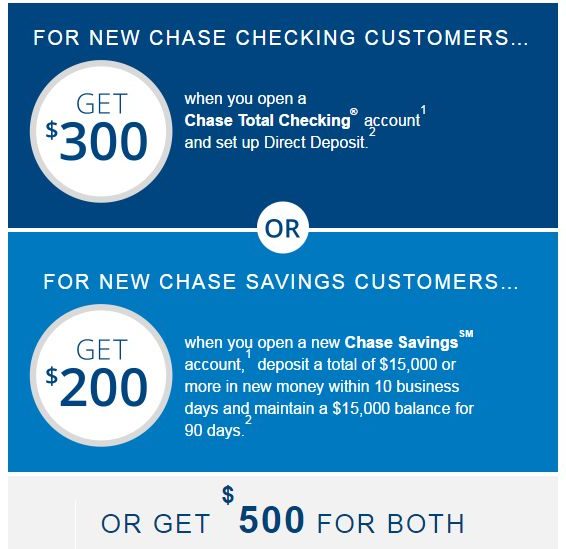
Chase frequently offers signup bonuses for new checking and savings accounts, particularly for their Total Checking® and Savings℠ products. These promotions often involve receiving a cash bonus (e.g., $200-$300) for opening a new account and fulfilling specific requirements, such as setting up direct deposits totaling a certain amount within a specified timeframe. For savings accounts, maintaining a new money deposit for a certain period might trigger a bonus. While not directly reducing the “cost to open,” these bonuses can significantly offset any initial financial outlays or potential fees during the initial months, effectively making the account profitable upfront. Always read the terms and conditions of these offers carefully to ensure eligibility and understand the requirements.
Understanding the Application Process and Documentation
Regardless of the “how much,” the application process itself requires certain documentation. For personal accounts, you’ll typically need:
- Government-Issued ID: Such as a driver’s license, state ID, or passport.
- Social Security Number (SSN): Or an Individual Taxpayer Identification Number (ITIN).
- Proof of Address: A utility bill or lease agreement might be required if your ID address is not current.
- Initial Funding: The modest sum you intend to use as your initial deposit.
For business accounts, additional documentation is required, including:
- Employer Identification Number (EIN): For most businesses.
- Business Legal Name and Address.
- Business Formation Documents: Articles of Incorporation, Operating Agreement, Partnership Agreement, etc., depending on the business structure.
- Owner/Signer Information: Personal IDs and SSNs for all authorized signers.
Being prepared with these documents will streamline the application process, whether you apply online or in a branch.
Maximizing Your Chase Relationship: Tips for Financial Wellness
Once your Chase account is open, managing it effectively is key to long-term financial wellness and ensuring you’re getting the most value for your banking relationship.
Utilizing Digital Tools and Resources
Chase offers a comprehensive suite of digital tools designed to help you manage your accounts efficiently:
- Online Banking Portal: Access account balances, transaction history, statements, and bill pay services from your computer.
- Chase Mobile® App: Manage your finances on the go, deposit checks remotely, pay bills, transfer money, and set up alerts.
- Budgeting Tools: Leverage features within the app or online to track spending, categorize transactions, and set financial goals.
- Zelle®: Send and receive money quickly with friends and family using just an email address or U.S. mobile number.
Actively using these tools can help you monitor your account for fee waiver requirements, track spending to avoid overdrafts, and generally stay on top of your financial picture without incurring unnecessary costs.
Integrating with Other Chase Products (Credit Cards, Investing)
Chase encourages customers to build a deeper banking relationship by linking various products. Holding a Chase credit card, a mortgage, or an investment account with Chase can often contribute to aggregate balance requirements for waiving fees on checking or savings accounts, especially for premium tiers like Sapphire Banking® or Private Client. This holistic approach can consolidate your financial life and potentially unlock more benefits, such as higher interest rates on savings, preferred pricing on loans, or enhanced rewards on credit cards. Carefully consider how a broader Chase relationship might benefit your overall financial strategy.

Regular Account Review and Management
Your financial needs evolve, and so too might Chase’s product offerings or fee structures. It’s prudent to conduct a regular review of your Chase accounts:
- Monitor Statements: Check your monthly statements for any unexpected fees or discrepancies.
- Review Waiver Status: Ensure you are consistently meeting the criteria to waive monthly service fees. If your direct deposits or balances change, adjust your banking habits or consider a different account type.
- Assess Account Suitability: As your financial situation changes (e.g., higher income, more savings, starting a business), reassess if your current Chase account still best fits your needs. You might benefit from upgrading to a premium account or downgrading if you no longer meet certain criteria.
- Stay Informed: Keep an eye on announcements from Chase regarding changes to terms, fees, or new features.
By proactively managing your Chase accounts, you can ensure that the “how much” to open and maintain them remains optimal for your personal and financial goals, allowing you to maximize the value of your banking relationship.
aViewFromTheCave is a participant in the Amazon Services LLC Associates Program, an affiliate advertising program designed to provide a means for sites to earn advertising fees by advertising and linking to Amazon.com. Amazon, the Amazon logo, AmazonSupply, and the AmazonSupply logo are trademarks of Amazon.com, Inc. or its affiliates. As an Amazon Associate we earn affiliate commissions from qualifying purchases.