
Securing startup funding is often the most significant hurdle an entrepreneur faces when transitioning from a conceptual framework to a scalable enterprise. In the modern financial landscape, the path to capitalization is no longer a linear progression from a bank loan to a public offering. Instead, it is a complex ecosystem of private equity, debt instruments, and alternative financing models. To navigate this terrain successfully, founders must understand not just where the money is, but the specific financial mechanics, expectations, and long-term implications of each funding source.
Raising capital is a strategic exercise in risk management and valuation. Whether you are seeking a few thousand dollars to build a prototype or tens of millions to dominate a global market, your ability to secure funding depends on your understanding of business finance, market dynamics, and the psychological drivers of investors.
Understanding the Fundraising Lifecycle
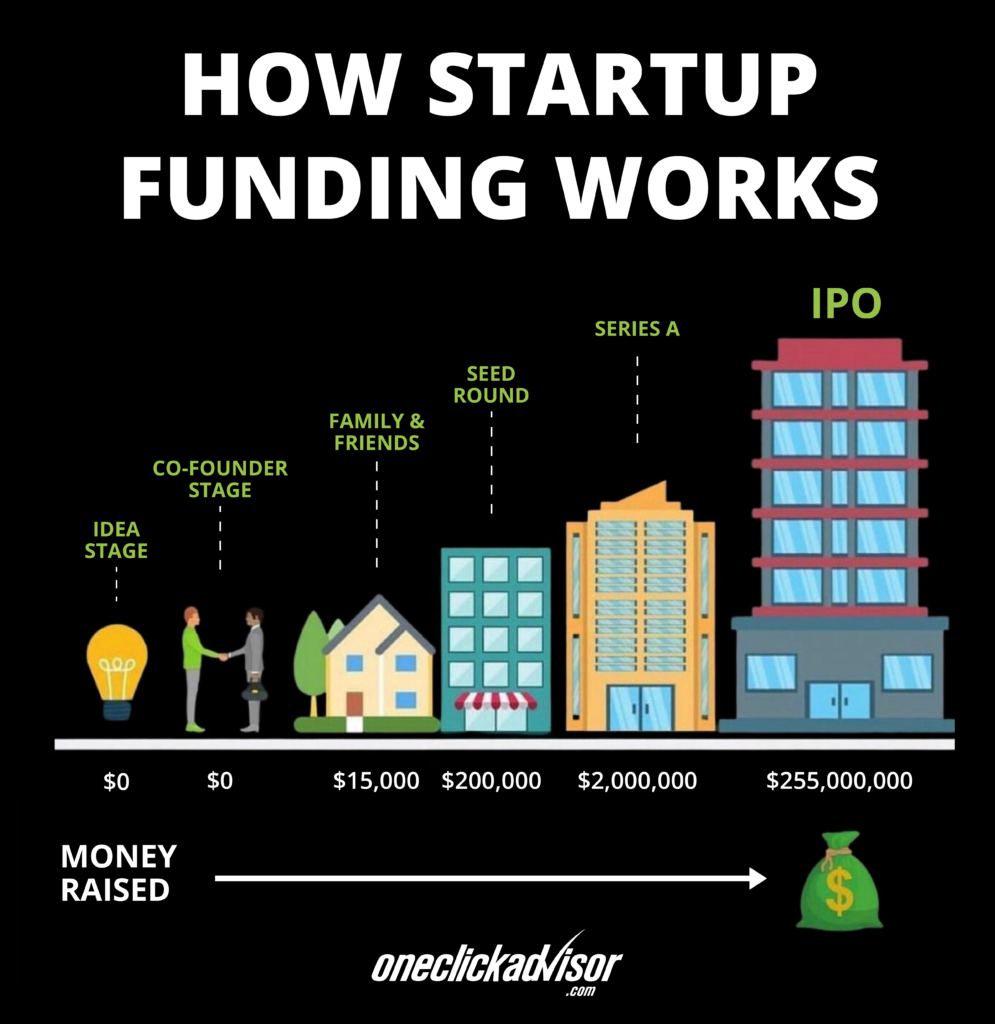
The journey of startup funding is typically divided into stages, often referred to as “rounds.” Each stage represents a different level of maturity for the business and a different risk profile for the investor. Understanding where your business sits in this lifecycle is critical for targeting the right type of capital.
Bootstrapping and Seed Capital
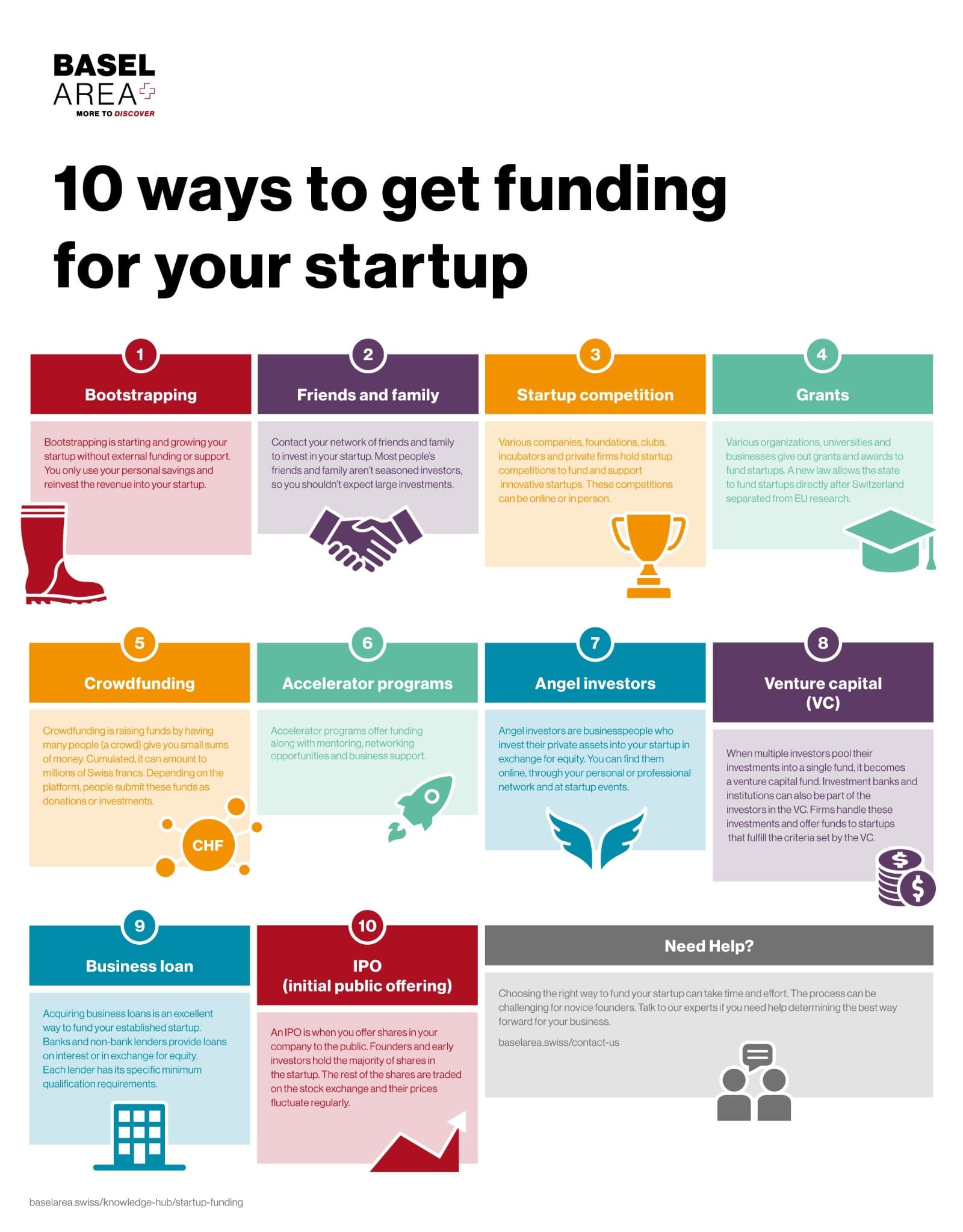
Before seeking external investment, many founders begin with bootstrapping—using personal savings and initial revenue to fund operations. Bootstrapping allows for total control and prevents equity dilution during the earliest, most volatile stages of the company. However, for many high-growth ventures, bootstrapping eventually hits a ceiling.
The first formal injection of outside capital is usually the Seed round. Seed funding is designed to prove a “proof of concept.” It provides the runway needed to conduct market research, finalize product development, and make key initial hires. At this stage, investors are primarily betting on the founder’s vision and the size of the addressable market rather than established financial performance.
Series A, B, and C: Scaling the Machine
Once a startup has demonstrated product-market fit and established a repeatable revenue model, it enters the “alphabet” rounds. Series A funding is focused on optimization. Investors look for a clear strategy for turning capital into consistent growth. By Series B, the company is usually well-established, and the funding is used to scale operations, expand into new territories, or outpace competitors. Series C and beyond are typically reserved for market leaders looking to prepare for an acquisition or an Initial Public Offering (IPO).
Navigating the World of Equity Financing
Equity financing involves selling a portion of the company’s ownership in exchange for capital. This is the most common route for startups because it does not require monthly interest payments, which can be a death sentence for a company that is not yet profitable. However, the cost of equity is the loss of future upside and potential control.
Angel Investors: The Bridge to Growth
Angel investors are high-net-worth individuals who invest their personal funds into early-stage startups. They often provide more than just money; many are former entrepreneurs or industry executives who offer mentorship, networking, and strategic guidance. Because they are playing with their own capital, angel investors can be more flexible than institutional firms, but they also take on significant risk.
When approaching angels, the focus should be on the relationship. They need to believe in the founder’s resilience and ability to pivot. Typically, angel rounds range from $25,000 to $500,000, often structured via a SAFE (Simple Agreement for Future Equity) or a convertible note, which are instruments that delay the formal valuation of the company until a later date.
Venture Capital: High Stakes and High Rewards
Venture Capital (VC) firms are professional institutional investors that manage pools of money from Limited Partners (LPs). Unlike angels, VCs have a fiduciary duty to generate massive returns within a specific timeframe—usually 7 to 10 years. This means they are only interested in companies that have the potential for a “10x” or “100x” return.
To secure VC funding, a startup must demonstrate an enormous Total Addressable Market (TAM) and a defensible competitive advantage, often called a “moat.” The VC due diligence process is rigorous, involving a deep dive into the company’s financial records, legal structure, and technical infrastructure. Founders should be aware that VC funding often comes with significant strings attached, including board seats and “liquidation preferences” that dictate who gets paid first if the company is sold.
Alternative Funding Models for Modern Entrepreneurs
While equity financing dominates the headlines, it is not the only way to fuel a business. In recent years, several alternative models have gained traction, offering founders more ways to maintain ownership while accessing the liquidity they need.
Reward-Based and Equity Crowdfunding
Crowdfunding has democratized access to capital by allowing the public to invest small amounts of money. Platforms like Kickstarter and Indiegogo are “reward-based,” where backers receive a product or experience in exchange for their support. This is an excellent way to validate market demand without giving up any equity.
On the other hand, equity crowdfunding platforms allow non-accredited investors to own a small piece of the company. This model is governed by specific regulations (such as Title III of the JOBS Act in the United States) and requires significant transparency and reporting. Crowdfunding can be an effective marketing tool, turning customers into brand advocates who have a financial stake in your success.
Venture Debt and Revenue-Based Financing
For startups that have consistent revenue but aren’t ready for another equity round, venture debt is an attractive option. Venture debt is a loan provided by specialized banks or funds. It is often used as a “bridge” to extend the runway between equity rounds or to fund specific capital expenditures like equipment or inventory.
Revenue-based financing (RBF) is another emerging model where investors provide capital in exchange for a percentage of ongoing gross revenue. Payments fluctuate based on how well the business is doing, making it less risky than traditional fixed-interest loans. RBF is particularly popular for Software-as-a-Service (SaaS) companies with high margins and predictable recurring revenue.
Preparing Your Financial Infrastructure for Investment
Investors do not just buy ideas; they buy well-oiled financial machines. Before you begin your outreach, you must ensure your “data room” is organized and your financial projections are grounded in reality.
The Pitch Deck and the Financial Model
A pitch deck is your visual narrative, but your financial model is the logic that supports it. Your financial model should project your income statement, balance sheet, and cash flow for at least the next three to five years. It should clearly outline your Customer Acquisition Cost (CAC), Lifetime Value (LTV), and your “burn rate”—the amount of money you are spending each month beyond your revenue.
Investors will look for “unit economics.” If it costs you $10 to acquire a customer who only spends $5, your business is fundamentally broken regardless of how much capital you raise. You must be able to explain exactly how much money you need, what it will be spent on, and what milestones it will allow you to reach.
Understanding Valuation and Term Sheets
Valuation is the price tag you put on your company. It is determined by a mix of market comparables, current revenue, and future growth potential. Founders must balance the desire for a high valuation (which minimizes dilution) with the risk of a “down round” in the future if they fail to meet the growth expectations that come with a high price tag.
The Term Sheet is the blueprint of the deal. It covers valuation, but also includes critical clauses regarding voting rights, board composition, and “anti-dilution” protections. It is essential to have a specialized startup attorney review these documents to ensure you aren’t signing away the long-term viability of your role in the company.

Scaling Responsibly After the Raise
Securing funding is not the finish line; it is the starting gun. Many startups fail shortly after raising capital because they suffer from “lifestyle creep” or spend too aggressively before truly mastering their unit economics.
Responsible capital management involves maintaining a disciplined “runway”—the amount of time you have before you run out of money. Founders must treat investor capital with more scrutiny than their own, focusing every dollar on activities that drive growth or increase the company’s valuation. Regularly reporting to your investors and maintaining transparency about both successes and failures builds the trust necessary to secure subsequent rounds of funding.
By understanding the diverse range of funding options and meticulously preparing your financial foundations, you can secure the capital necessary to transform your vision into a sustainable, thriving enterprise. Funding is the fuel, but your strategic financial management is the engine that will determine the ultimate distance your startup can travel.
aViewFromTheCave is a participant in the Amazon Services LLC Associates Program, an affiliate advertising program designed to provide a means for sites to earn advertising fees by advertising and linking to Amazon.com. Amazon, the Amazon logo, AmazonSupply, and the AmazonSupply logo are trademarks of Amazon.com, Inc. or its affiliates. As an Amazon Associate we earn affiliate commissions from qualifying purchases.