
The landscape of audio entertainment has undergone a radical transformation over the last two decades, evolving from traditional terrestrial FM/AM broadcasts to high-fidelity, data-driven satellite and streaming services. At the forefront of this evolution is SiriusXM, a service that utilizes a sophisticated network of satellites and terrestrial repeaters to deliver audio content across North America. For users looking to integrate this service into their daily lives, the process involves more than just a simple subscription; it requires an understanding of the interplay between hardware tuners, software applications, and network protocols.
Whether you are looking to outfit a vehicle with satellite capabilities or leverage the flexibility of IP-based streaming on your smart home devices, getting SiriusXM requires a strategic approach to technology selection. This guide explores the technical nuances of activating the service, the hardware requirements for various environments, and the optimization of software for the best possible user experience.
Hardware vs. Software: Choosing Your Entry Point
The first step in acquiring SiriusXM is determining the primary medium through which you will consume the content. Historically, SiriusXM was a hardware-centric service, relying exclusively on proprietary satellite receivers. Today, it has bifurcated into a hybrid model that balances dedicated hardware with robust software-as-a-service (SaaS) delivery.
Built-in Vehicle Integration
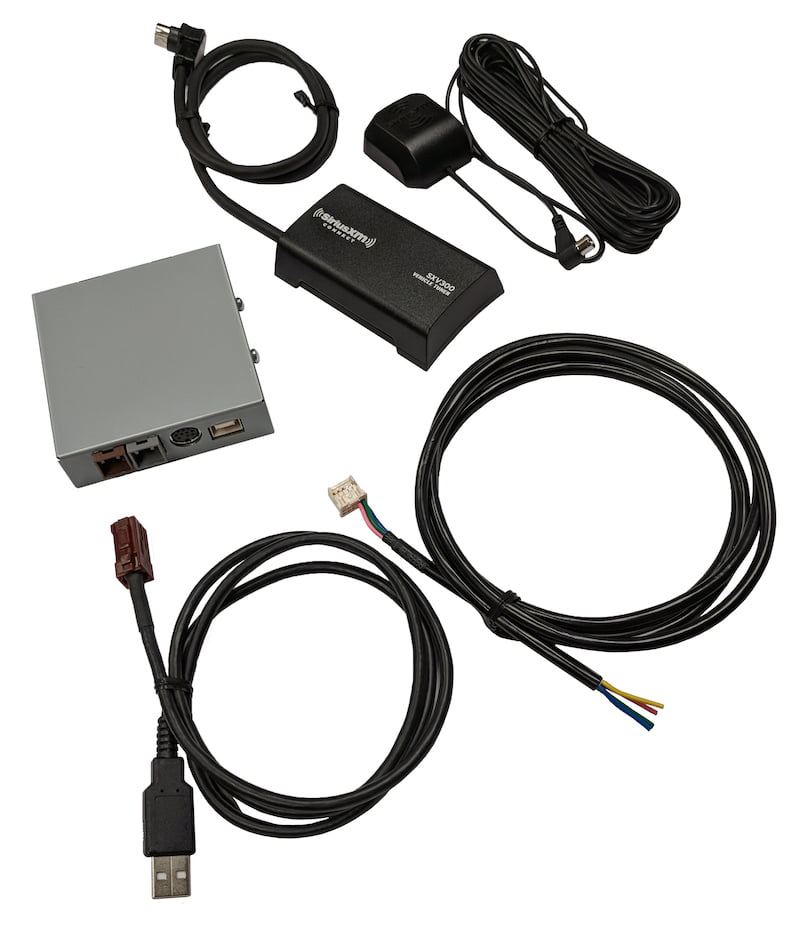
For most users, the introduction to SiriusXM occurs within the automotive ecosystem. Most modern vehicles come equipped with a factory-installed satellite radio tuner. These tuners are integrated directly into the vehicle’s Head Unit (HU) and are connected to a shark-fin or puck-style antenna specifically tuned to the 2.3 GHz S-band.
To access the service here, you must identify your Radio ID or Electronic Serial Number (ESN). This unique identifier is hardcoded into the hardware. On most systems, tuning to Channel 0 displays this alphanumeric code. Once identified, this ID acts as the handshake between your hardware and the SiriusXM satellite constellation, allowing the service to send an over-the-air (OTA) activation signal to your specific receiver.
Dock-and-Play Receivers
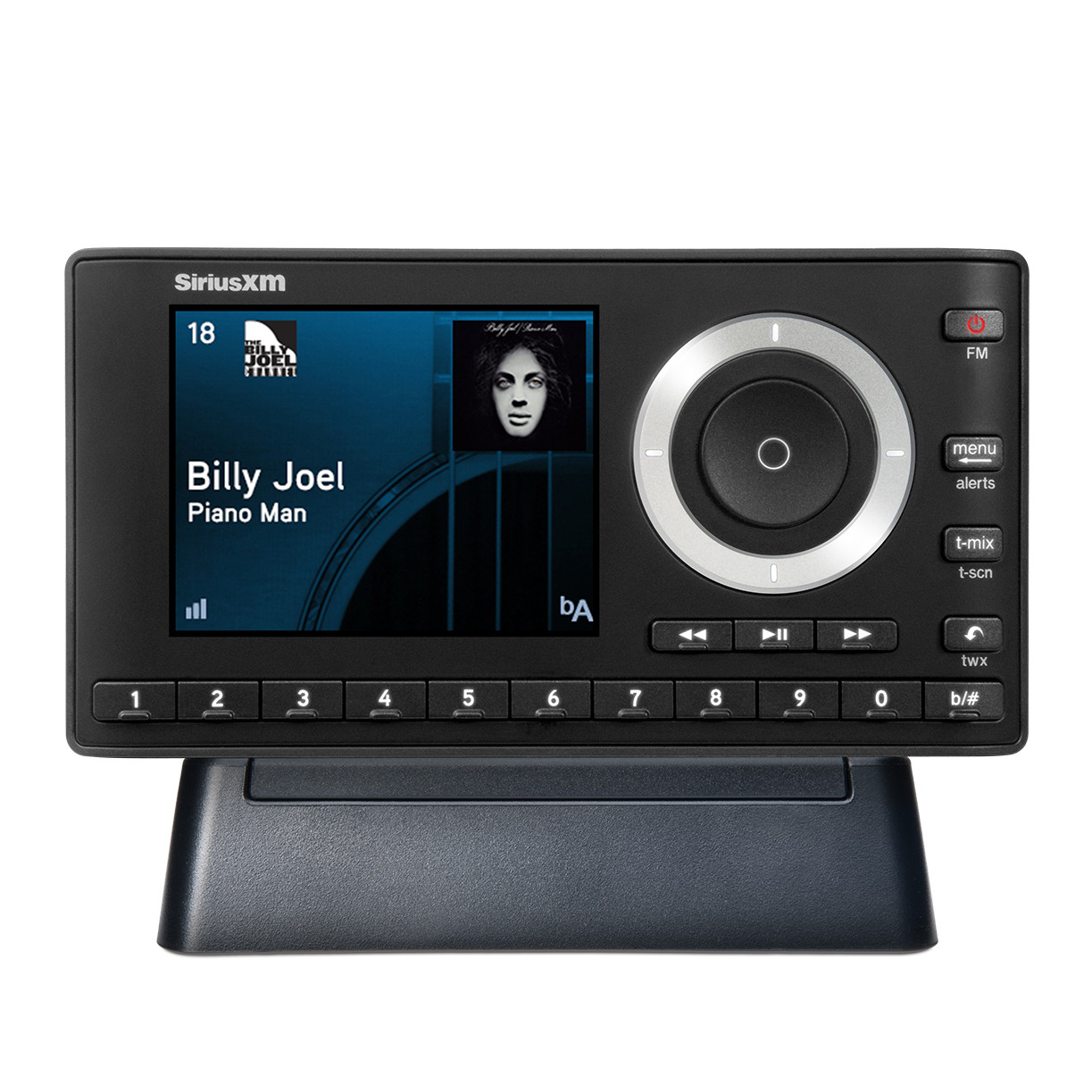
If your vehicle or home audio system lacks a built-in tuner, the alternative is a “Dock-and-Play” receiver, such as the Onyx or Tour series. These are standalone hardware units that contain the necessary chipsets to decode the proprietary satellite signal.
The technical advantage of these units is their portability. By utilizing a docking cradle, these devices can be moved between a vehicle kit and a home kit. The installation involves mounting a magnetic satellite antenna with a clear line of sight to the southern sky and connecting the audio output via an FM transmitter, an auxiliary (AUX) cable, or a digital optical output for home theater environments.
The App-First Approach
In the current tech climate, many users opt for the “Streaming Only” path. This eliminates the need for specialized satellite hardware entirely. By using the SiriusXM app, audio is delivered via TCP/IP protocols over cellular or Wi-Fi networks. This method provides higher audio bitrates than standard satellite delivery and allows for features like “Restart” and “On-Demand” content, which are not available through traditional hardware tuners.
Configuring the SiriusXM App for Modern Ecosystems
Once the decision to use the streaming platform is made, the focus shifts to software integration. The SiriusXM application is a versatile tool that bridges the gap between mobile devices, desktops, and the burgeoning Internet of Things (IoT).
Mobile and Desktop Requirements
The SiriusXM application is available on iOS and Android, requiring modern operating system versions to support the latest security patches and high-fidelity codecs. On the desktop, the service is delivered through a web-based interface optimized for Chromium and WebKit engines.
For audiophiles, it is essential to navigate to the “Settings” menu within the app to adjust the “Audio Quality.” By default, many apps are set to “Normal” to save data, but switching to “Maximum” enables a higher-bitrate stream that takes full advantage of high-quality headphones or home studio monitors.
Smart Home and IoT Integration
One of the most significant advantages of the modern SiriusXM architecture is its compatibility with smart home ecosystems. Integration with platforms like Amazon Alexa, Google Home, and Sonos requires a software-level link between your SiriusXM account and the respective platform’s API.
For example, using the Sonos S2 app, users can add SiriusXM as a music source. This doesn’t just “play” audio; it allows the Sonos hardware to pull the stream directly from SiriusXM’s servers, freeing up your mobile device for other tasks. Similarly, using voice commands on an Alexa-enabled device requires enabling the SiriusXM Skill, which utilizes OAuth protocols to securely verify your subscription status.
TV and Console Streaming
For a centralized entertainment experience, the service is available on smart TV platforms such as Roku, Apple TV, and Fire TV, as well as gaming consoles like the PlayStation and Xbox. These applications provide a “lean-back” UI designed for 10-foot interfaces, allowing users to browse channels and live sports scores on a large display while utilizing the superior acoustic environment of a living room soundbar or surround sound system.
Technical Setup and Signal Management
Getting the service is only half the battle; maintaining a high-quality connection requires an understanding of signal dynamics and hardware placement.
Satellite Antenna Installation and Placement
For those using satellite hardware (receivers in cars or homes), signal “dropouts” are the most common technical hurdle. SiriusXM utilizes satellites in both geostationary and highly elliptical orbits. Because these satellites are positioned relative to the equator, the antenna must have a clear “line of sight” to the southern sky.
In a home installation, placing the antenna on a windowsill facing south is often sufficient, but for optimal performance, an outdoor mount is recommended. The antenna cable is a micro-coax that carries the high-frequency signal to the tuner; it is sensitive to electromagnetic interference (EMI), so it should be routed away from power lines and high-output wireless routers.
Troubleshooting Connectivity Issues
When a “No Signal” or “Check Antenna” message appears on a hardware tuner, it indicates a physical layer failure. This is often due to a frayed cable or a blocked antenna. On the software side, connectivity issues are usually related to network latency or DNS resolution.
If the app fails to stream, clearing the cache or switching from a 2.4 GHz to a 5 GHz Wi-Fi band can alleviate congestion. For mobile users, ensuring that the app has permission to use “Background Data” is critical, otherwise, the stream will terminate as soon as the screen is locked.
Optimizing Audio Quality and Bitrates
Satellite radio uses a proprietary compression algorithm designed to maximize the number of channels within a limited bandwidth. While efficient, this can sometimes lead to “compression artifacts” in the high-frequency range.
To mitigate this, users with the SiriusXM 360L platform—a hybrid system found in newer vehicles—can benefit from the best of both worlds. The 360L system uses the satellite signal for ubiquitous coverage but supplements it with a cellular data connection to provide higher-fidelity audio and interactive features. If you are in an area with strong LTE/5G coverage, the system automatically shifts to the IP stream for superior sound.
Managing Your Digital Subscription and Security
The administrative side of getting SiriusXM involves account management and securing your digital footprint. As with any subscription service, the security of your credentials and the integrity of your hardware ID are paramount.
Activating Your ESN or Radio ID
Once you have your hardware or app ready, activation is the final gate. This is performed through the SiriusXM online portal or via a phone-based automated system. During this process, a “refresh signal” is sent globally across the satellite network. Your specific receiver, listening for its unique ESN, intercepts this signal and unlocks the encrypted channels associated with your tier. It is vital to keep your receiver powered on and in view of the sky during this 5-to-15-minute window to ensure the decryption keys are properly stored in the hardware’s non-volatile memory.
Account Security and Privacy Settings
In an era of data breaches, your SiriusXM account should be protected with a unique, complex password. Since many accounts are tied to credit card information and vehicle location data (in the case of connected vehicle services), enabling any available multi-factor authentication (MFA) is a best practice. Furthermore, users should review privacy settings within the app to manage data sharing, especially regarding listening habits and location tracking used for localized weather and traffic updates.
The Future of SiriusXM Technology
As we look toward the future, the methods for “getting” SiriusXM are becoming increasingly sophisticated, moving away from simple one-way broadcasts toward two-way interactive experiences.
The Transition to 360L Hybrid Platforms
The 360L platform represents the pinnacle of current satellite radio tech. By merging satellite delivery with a bidirectional IP connection, it allows for “Profiles” (much like Netflix), personalized recommendations, and a massive library of on-demand content. For tech enthusiasts, choosing a vehicle or hardware that supports 360L is the best way to future-proof the investment.

AI-Driven Personalization and Data Streams
SiriusXM is increasingly leveraging machine learning (ML) to curate content for users. By analyzing millions of data points across their user base, the software can suggest new artists or talk shows with high accuracy. This shift from “broadcasting” to “narrowcasting” means that “getting” SiriusXM in the future will be less about finding a channel and more about engaging with a personalized audio algorithm.
By understanding the hardware requirements, optimizing the software configurations, and ensuring a robust signal environment, users can fully leverage the technological suite that SiriusXM offers. From the physical layer of satellite antennas to the application layer of smart home integrations, the service provides a masterclass in modern digital media delivery.
aViewFromTheCave is a participant in the Amazon Services LLC Associates Program, an affiliate advertising program designed to provide a means for sites to earn advertising fees by advertising and linking to Amazon.com. Amazon, the Amazon logo, AmazonSupply, and the AmazonSupply logo are trademarks of Amazon.com, Inc. or its affiliates. As an Amazon Associate we earn affiliate commissions from qualifying purchases.