
In the complex ecosystem of modern personal finance, the ability to move money efficiently and accurately is a fundamental skill. Whether you are setting up direct deposit for a new career opportunity, automating your monthly mortgage payments, or initiating a domestic wire transfer to close on a property, one piece of information remains indispensable: the routing number.
Despite the rise of sleek fintech apps and cryptocurrency, the American banking system still relies heavily on the legacy infrastructure of the American Bankers Association (ABA) routing transit number. Understanding how to locate and verify this nine-digit code is not just a logistical necessity; it is a critical component of financial literacy that ensures your funds reach their intended destination without costly delays or errors.

Understanding the Role of Routing Numbers in Personal Finance
Before diving into the methods of retrieval, it is essential to understand what a routing number actually represents. Established by the American Bankers Association in 1910, the routing transit number (RTN) was originally designed to facilitate the sorting and shipping of paper checks. Today, it serves as a digital address for your financial institution.
What is an ABA Routing Transit Number?
A routing number is a nine-digit code that identifies the specific financial institution responsible for an account. Think of it as a zip code for your bank. The first two digits indicate the Federal Reserve bank district, the next two represent the specific processing center, and the remaining digits identify the specific bank. This standardized system allows the electronic clearinghouse (ACH) and the Federal Reserve to route money through the vast network of U.S. banks with surgical precision.
Why You Need It: Direct Deposit and Beyond
In the realm of personal finance, your routing number is the “key” that unlocks automated wealth building. It is required for:
- Direct Deposit: Ensuring your paycheck or government benefits are deposited directly into your account.
- Automated Bill Pay: Linking your utility, credit card, or loan accounts for recurring payments.
- Tax Refunds: The IRS requires a routing and account number to issue electronic refunds.
- Peer-to-Peer Transfers: While apps like Venmo often hide these details, traditional bank-to-bank transfers (ACH) require them to verify the destination.
Five Reliable Ways to Find Your Bank Routing Number
Locating your routing number is a straightforward process, provided you know where to look. While the information is public—meaning it is not “secret” in the same way your social security number is—it must be used with precision.
1. Checking Your Physical Checkbook
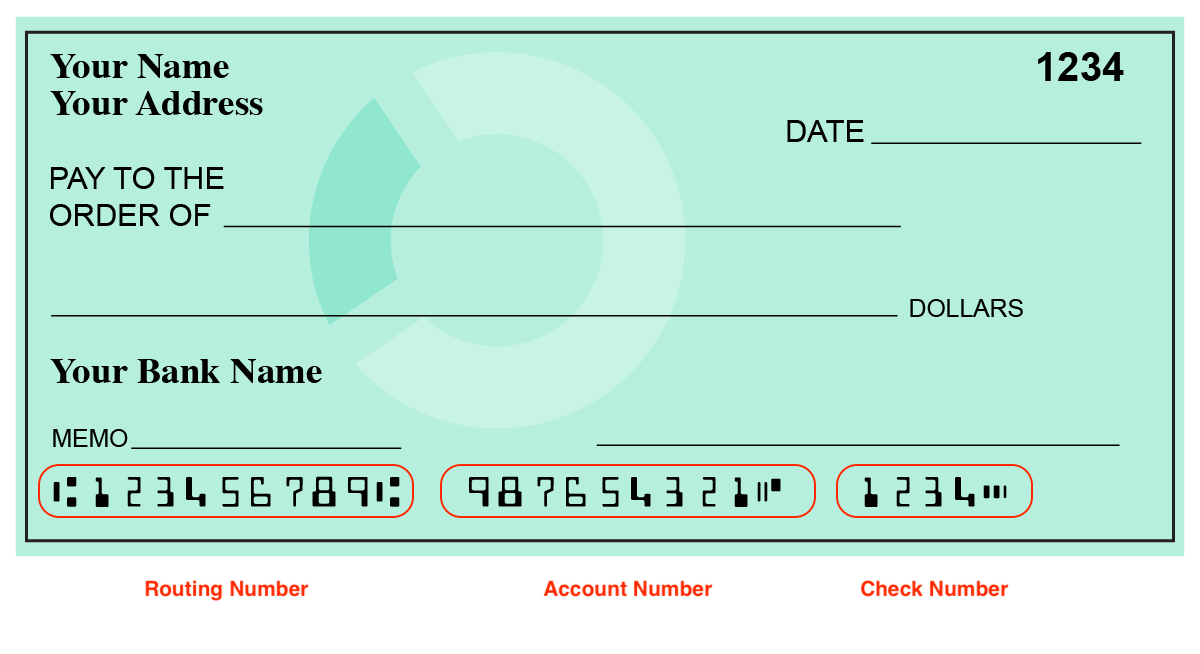
The most traditional and often fastest way to find your routing number is by looking at a physical check. If you have a checkbook for your account, look at the series of numbers printed at the very bottom.
- The Bottom-Left Position: The routing number is the first set of nine digits on the far left of the MICR (Magnetic Ink Character Recognition) line.
- Visual Markers: It is usually flanked by a specific symbol that looks like a colon with a dash.
- Note: The middle set of numbers is typically your account number, and the final set is the check number.
2. Leveraging Online Banking and Mobile Apps
As we move toward a paperless society, digital banking portals have become the primary source for financial data.
- Account Details: Once logged into your bank’s mobile app or website, navigate to the specific account (Checking or Savings) you wish to use. Look for a tab labeled “Account Details,” “Info,” or “Settings.”
- Paperless Statements: Most apps allow you to view a digital PDF of your monthly statement. The routing number is almost always printed at the top of the first page alongside your name and address.
3. Reviewing Monthly Bank Statements
If you do not have a checkbook and prefer not to use an app, your monthly bank statement—whether received via mail or downloaded as a PDF—contains all the necessary routing information. This document is a legal record of your financial standing and includes the bank’s official ABA number to ensure any inquiries regarding the statement can be properly routed.
4. Direct Bank Communication and Official Websites
For those who bank with major national institutions (such as Chase, Bank of America, or Wells Fargo), routing numbers are often listed publicly on the bank’s official website.
- Search Function: You can often search “routing number” in the website’s help bar.
- State-Specific Numbers: Be aware that large national banks often use different routing numbers depending on the state where the account was opened. Ensure you are looking at the table corresponding to your specific geographic location.
5. Using the ABA Online Look-Up Tool
If you are uncertain about the number you have found, the American Bankers Association provides an official “Routing Number Lookup” tool on their website. By entering the legal name of your bank and the city/state where it is headquartered, you can verify the nine-digit code. This is particularly useful if your bank has recently undergone a merger or acquisition.
Routing Numbers vs. Account Numbers: Avoiding Costly Financial Errors
A common pitfall in personal finance management is the confusion between the routing number and the account number. While they are used in tandem, they serve entirely different purposes, and swapping them can lead to rejected payments or, worse, funds being sent to the wrong person.
Key Differences and Security Implications
The routing number identifies the bank, while the account number identifies your specific “folder” within that bank.
- Public vs. Private: Your routing number is public information. Anyone can find the routing number for “Bank of America in California.” However, your account number is private.
- Security Best Practices: You should never share your account number on social media or with unverified sources. However, providing both your routing and account numbers to an employer for payroll or a reputable utility company for billing is a standard and secure practice.
When to Use Each Number
When setting up a transfer, the system will usually ask for the routing number first to find the “building” (the bank) and the account number second to find the “room” (your money). If a transaction fails, double-check that you haven’t transposed these numbers. Most banking software now has built-in validation that recognizes a nine-digit routing code, but it cannot always catch an error in an account number.
Specialized Routing Numbers: Wire Transfers vs. ACH Payments
Not all transfers are created equal. One of the more nuanced aspects of business and personal finance is the distinction between an ACH routing number and a Wire Transfer routing number.
Domestic vs. International Transfers
If you are receiving a domestic wire transfer (a real-time, irreversible transfer of funds), your bank might require a specific “Wire Routing Number” that is different from the “ACH Routing Number” found on your checks.
- ACH (Automated Clearing House): Used for standard payroll, bill pay, and 1–3 day transfers.
- Wire Transfers: Used for high-value, same-day transactions. Using an ACH routing number for a wire transfer will often result in the transaction being rejected and the sender being charged a fee.
Why Some Banks Use Multiple Routing Numbers
Large financial institutions that have grown through mergers often maintain multiple routing numbers to manage their internal ledger systems. Additionally, some banks have separate routing numbers for electronic payments and paper checks. Before initiating a significant transaction—such as a down payment on a home—always call your bank’s wire department to confirm you have the specific routing number required for that type of movement.
Maintaining Financial Accuracy in a Changing Landscape
The landscape of banking is constantly shifting. Bank mergers, acquisitions, and the rebranding of regional credit unions can sometimes lead to changes in routing numbers. When two banks merge, they typically phase out one routing number over several months or years.
What Happens During a Bank Merger?
If your bank is acquired, you will usually receive a notification that your routing number is changing. In most cases, the bank will continue to honor the old routing number for a transition period (often 12 to 24 months) to ensure that your direct deposits and automated bills continue to function. However, as a proactive participant in your own financial life, it is your responsibility to update your records with your employer and service providers as soon as the new number becomes official.

Final Thoughts on Financial Management
Getting your routing number is a simple task that sits at the heart of sophisticated financial management. By mastering these small details—knowing where to look, understanding the difference between ACH and wire codes, and maintaining a high level of accuracy—you protect your financial health and ensure that your capital moves exactly where it needs to go. In the world of money, precision is the foundation of security. Whether you are using a physical checkbook or the latest mobile banking app, your routing number is the essential link between your hard-earned income and the broader financial world.
aViewFromTheCave is a participant in the Amazon Services LLC Associates Program, an affiliate advertising program designed to provide a means for sites to earn advertising fees by advertising and linking to Amazon.com. Amazon, the Amazon logo, AmazonSupply, and the AmazonSupply logo are trademarks of Amazon.com, Inc. or its affiliates. As an Amazon Associate we earn affiliate commissions from qualifying purchases.