
In the landscape of personal finance, few line items are as significant—or as volatile—as health insurance. For the self-employed, the early retiree, or the employee of a small business without a group plan, understanding the cost of private health insurance is not just a matter of health; it is a critical component of wealth management and risk mitigation. Unlike a standard utility bill, health insurance premiums are influenced by a complex web of demographic factors, plan structures, and federal regulations.
To effectively budget for these expenses, one must look beyond the monthly premium and analyze the total cost of ownership. This guide breaks down the financial architecture of private health insurance, exploring the variables that drive prices and the strategic tools available to manage these costs within a broader financial plan.
The Primary Drivers of Health Insurance Premiums
When determining the cost of a private health insurance policy, insurance providers utilize actuarial data to assess risk. While the Affordable Care Act (ACA) restricted the factors that can influence pricing—eliminating surcharges for gender or pre-existing conditions—several key variables still dictate your monthly outlay.
Age and Its Impact on Risk Pooling
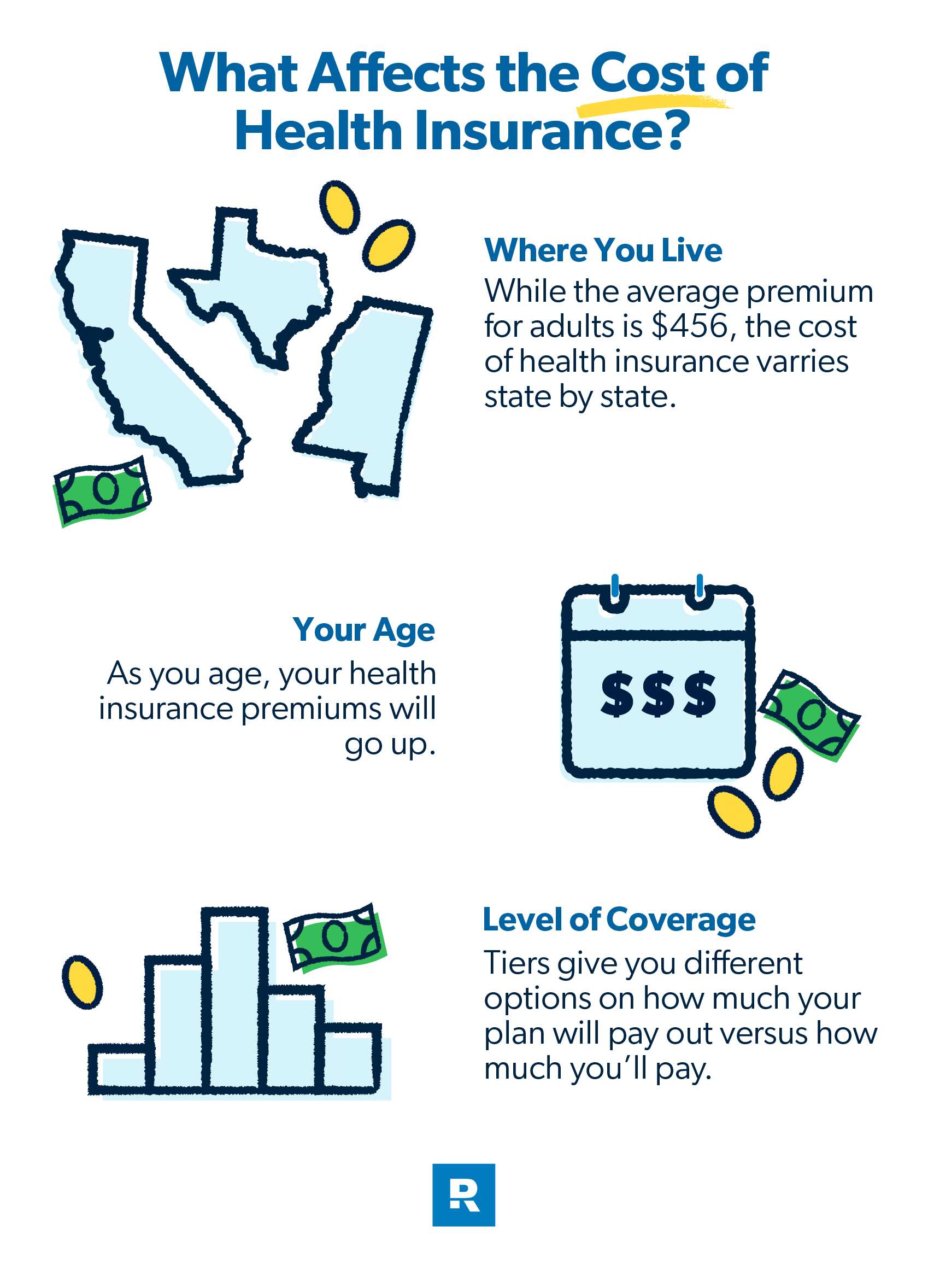
Age is the most significant legal variable in health insurance pricing. Generally, insurers are allowed to charge older individuals up to three times more than younger individuals for the same coverage. This “age rating” reflects the statistically higher likelihood of medical claims as one grows older. For a 21-year-old, a monthly premium might be relatively low, but as that individual enters their 40s and 50s, the premium trajectory moves upward significantly. From a financial planning perspective, it is vital to forecast these incremental increases over a ten-to-twenty-year horizon.
Geographic Location and Market Competition
Where you live plays a massive role in what you pay. Costs vary by state and even by county due to differences in state regulations, the cost of living, and the level of competition among healthcare providers. In a metropolitan area with numerous hospital systems and insurance carriers, competition often keeps prices lower. Conversely, in rural areas with a single dominant provider, premiums can be substantially higher. Furthermore, state-level mandates on what insurance must cover can also add a layer of cost to the local market.
The Tiered System: Bronze, Silver, Gold, and Platinum
Private health insurance is typically categorized into “Metal Tiers,” which represent the split of costs between the insurer and the policyholder. This is not a reflection of the quality of care, but rather the financial structure of the plan:
- Bronze Plans: These have the lowest monthly premiums but the highest out-of-pocket costs when you receive care. They are often the choice for healthy individuals looking for catastrophic protection.
- Silver Plans: These represent the middle ground and are often the most popular because they are the only plans eligible for cost-sharing reductions.
- Gold and Platinum Plans: These carry high monthly premiums but offer very low deductibles and coinsurance. For individuals with chronic conditions or high expected medical usage, these plans often provide a better return on investment despite the higher “entry price.”
Beyond the Premium: The True Cost of Coverage
If you only budget for the monthly premium, you are only seeing half of the financial picture. The “true cost” of health insurance includes the expenses incurred at the point of service. In the Money niche, we refer to this as the total cost of ownership (TCO).
Deductibles and the Threshold of Coverage
The deductible is the amount you must pay out-of-pocket for covered health services before your insurance plan begins to pay. In many private plans, deductibles can range from $1,000 to over $7,000 for an individual. For a household, a high deductible can represent a significant financial hurdle. When evaluating a plan, you must calculate whether you have the liquidity in an emergency fund to cover the full deductible should a major medical event occur.
Copayments and Coinsurance
Once the deductible is met, you still share the cost with the insurer. Copayments are fixed dollar amounts (e.g., $30 for a specialist visit), whereas coinsurance is a percentage of the total cost (e.g., you pay 20% of a hospital bill, and the insurer pays 80%). While these may seem like small charges, a 20% coinsurance on a $50,000 surgery is $10,000—a sum that can derail even a well-constructed financial plan if not accounted for.
The Out-of-Pocket Maximum: Your Financial Safety Net
The most important figure for long-term financial security is the “Out-of-Pocket Maximum.” This is the absolute ceiling on what you will pay in a calendar year for covered services. Once you hit this limit, the insurance company pays 100% of all covered costs. In 2024, the legal limit for an individual plan is $9,450. From a wealth management perspective, your “worst-case scenario” for health costs in a given year is: (Annual Premiums) + (Out-of-Pocket Maximum). Knowing this number allows for precise emergency fund sizing.

Strategic Financial Tools to Offset Insurance Costs
For those paying for private insurance, there are several vehicles designed to lower the effective cost and provide tax advantages. Managing health insurance is as much about tax strategy as it is about medical coverage.
Health Savings Accounts (HSAs) and the Triple Tax Advantage
If you opt for a High Deductible Health Plan (HDHP), you gain access to a Health Savings Account (HSA). In the world of personal finance, the HSA is often considered the most powerful investment vehicle available. It offers a “triple tax advantage”:
- Tax-Deductible Contributions: Money goes in pre-tax, lowering your taxable income.
- Tax-Free Growth: The funds can be invested in the stock market, and any gains are not taxed.
- Tax-Free Withdrawals: As long as the money is used for qualified medical expenses, it is never taxed.
By using an HSA, you are essentially getting a 20–30% discount on your healthcare costs (depending on your tax bracket) because you are paying with “untaxed” dollars.
Navigating Subsidies and Tax Credits
The cost of private insurance is heavily mitigated for many by Advanced Premium Tax Credits (APTC). These subsidies are based on your Modified Adjusted Gross Income (MAGI). For individuals earning between 100% and 400% of the federal poverty level—and currently even higher due to recent legislative extensions—the government pays a portion of the premium directly to the insurer. For a freelancer or small business owner, keeping your MAGI within certain bounds through retirement contributions (like a Solo 401k) can actually lower your health insurance costs by qualifying you for higher subsidies.
Business Expense Deductions for the Self-Employed
If you are self-employed and have a net profit for the year, you may be able to deduct the amount you paid for medical and dental insurance for yourself, your spouse, and your dependents. This is an “above-the-line” deduction, meaning it reduces your adjusted gross income (AGI) regardless of whether you itemize deductions. This effectively lowers the “net cost” of your private health insurance by reducing your overall tax liability at the end of the year.
Evaluating ROI: Private vs. Alternative Options
When deciding how much to spend on private health insurance, it is helpful to compare the return on investment (ROI) against other models of coverage or lack thereof.
The Risk of Being Uninsured or Underinsured
The “cost” of not having insurance is theoretically zero on a monthly basis, but the financial risk is catastrophic. Medical debt is the leading cause of bankruptcy in the United States. Private health insurance should be viewed as a “stop-loss” order on your net worth. It prevents a single health crisis from wiping out years of savings and investment growth. In this light, the premium is the price of preserving your capital.
Comparing Private Plans to Group Coverage
If you are transitioning from a corporate job to private insurance, the “sticker shock” can be intense. This is because employers typically subsidize 70–80% of an employee’s premium. When you buy a private plan, you are seeing the “full freight” price. However, private plans offer a level of portability and choice that group plans do not. You can tailor your network and your benefits to your specific financial needs, rather than accepting a “one-size-fits-all” corporate policy.
Cost-Benefit Analysis of Plan Selection
To find the right price point, conduct a simple math exercise. Add your annual premium to your expected medical usage. If you are healthy and rarely see a doctor, a Bronze plan with an HSA is almost always the mathematically superior choice. If you have an upcoming surgery or high-cost prescriptions, a Gold plan with a higher premium but lower coinsurance will likely result in lower total annual spending.

Conclusion: Health Insurance as a Pillar of Financial Stability
The question of “how much private health insurance costs” does not have a single answer, but rather a range that depends on your age, location, and financial strategy. On average, an individual might pay anywhere from $400 to $700 per month for a mid-level Silver plan before subsidies. However, by utilizing tax-advantaged accounts like HSAs and maximizing self-employed tax deductions, the “net cost” can be significantly reduced.
Ultimately, private health insurance should be treated as a strategic financial asset. It is a tool used to protect your balance sheet from the volatility of healthcare costs. By understanding the levers that control premiums and out-of-pocket expenses, you can integrate health insurance into your financial plan not just as an expense to be endured, but as a calculated investment in your long-term economic security.
aViewFromTheCave is a participant in the Amazon Services LLC Associates Program, an affiliate advertising program designed to provide a means for sites to earn advertising fees by advertising and linking to Amazon.com. Amazon, the Amazon logo, AmazonSupply, and the AmazonSupply logo are trademarks of Amazon.com, Inc. or its affiliates. As an Amazon Associate we earn affiliate commissions from qualifying purchases.