
Navigating the world of digital payments, particularly with peer-to-peer (P2P) platforms like Cash App, offers unparalleled convenience but can also present unique challenges when a transaction goes awry. Unlike traditional banking, reversing payments on P2P apps isn’t always straightforward. Understanding the mechanisms, policies, and your rights is crucial for anyone seeking to recover funds. This guide delves into the financial strategies and practical steps necessary to get your money back from Cash App, focusing squarely on personal finance and effective dispute resolution.
Understanding Cash App’s Refund Policies and Transaction Types
Before initiating any recovery efforts, it’s essential to distinguish between different types of transactions and Cash App’s stance on them. The platform’s policies are designed primarily for authorized, instantaneous transfers, which can complicate reversals.
Authorized vs. Unauthorized Transactions
An authorized transaction is one where you willingly initiated and approved the payment, even if you later regret it or realize it was a mistake (e.g., sending money to the wrong person, or paying for a service that wasn’t delivered as promised). In these cases, Cash App’s ability to intervene is limited, as they processed the transaction as per your instruction. The onus is typically on you to resolve the issue with the recipient.
An unauthorized transaction, conversely, occurs when money is sent from your account without your permission or knowledge, such as due to fraud, a stolen phone, or compromised account credentials. These situations are viewed much more seriously by Cash App and financial institutions, offering a clearer path for dispute and potential recovery. Recognizing this distinction is the first critical step in your financial recovery strategy.
Peer-to-Peer Payments: The Challenge of Reversal
Cash App is fundamentally a P2P service, meaning money sent between individuals is often considered final. This design prioritizes speed and convenience, but it also means there’s no built-in “undo” button. Once funds are sent to another Cash App user, they are immediately available to the recipient. This finality is a critical aspect of personal finance management on these platforms; every send should be treated with the same caution as handing over physical cash. This makes recovering funds from an authorized but erroneous payment particularly challenging, often requiring the recipient’s cooperation.
Merchant Payments and Purchase Protection
While primarily P2P, Cash App also allows users to make payments to businesses, either directly through their Cash App account (e.g., using the Cash Card online or in-store) or by sending money to a business Cash App account. When using your Cash Card, you are often afforded similar protections to a standard debit or credit card, falling under the network’s (e.g., Visa, Mastercard) dispute rules. This is a significant distinction from direct P2P transfers. For merchant payments, if a product isn’t delivered, is faulty, or the service isn’t rendered, you typically have stronger grounds for dispute and potential chargeback processes through your linked bank or card issuer.
Steps for Initiating a Refund or Dispute Through Cash App
When facing a financial setback on Cash App, proactive and systematic steps are crucial. Your approach will depend heavily on the nature of the transaction.
Requesting a Refund from the Recipient
For authorized payments that were sent in error or for services/goods that were not provided as agreed, the simplest and often quickest solution is to directly request a refund from the recipient.
-
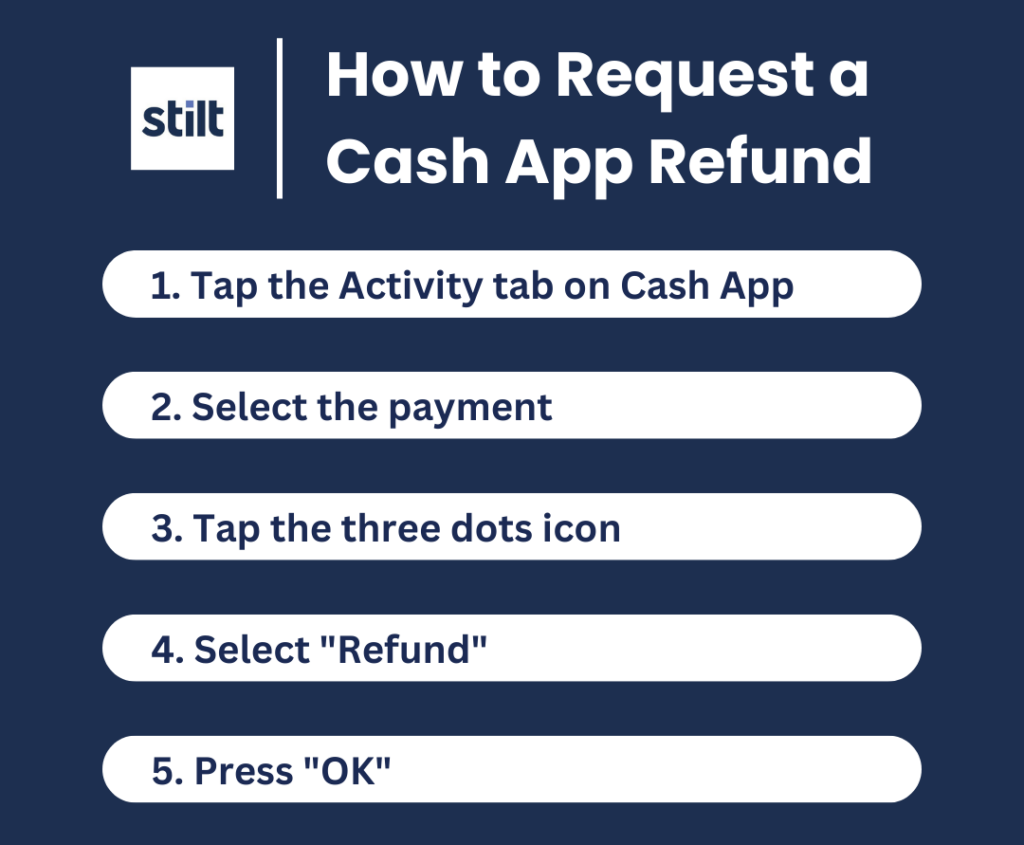
Open the Cash App: Navigate to the “Activity” tab (clock icon) to find the specific transaction.
-
Select the Transaction: Tap on the payment in question.
-
Initiate a Refund Request: Tap the three dots in the top right corner, then select “Refund.” This sends a request to the recipient, who must then approve it.
-
Communicate Directly: If the recipient is known to you, follow up with a direct message, call, or email to explain the situation and encourage them to approve the refund. Be polite but firm in your request. If they refuse, or you can’t reach them, other steps become necessary.
It’s vital to act quickly. The longer you wait, the less likely a recipient may be to remember or comply with your request, especially if the funds have already been spent or transferred.
Contacting Cash App Support for Unauthorized Transactions
If your money was sent without your permission (i.e., an unauthorized transaction due to fraud or a compromised account), Cash App’s support team is your primary point of contact.
-
Secure Your Account: Immediately change your Cash App PIN and linked email password. If you suspect your device is compromised, consider a factory reset or malware scan.
-
Report the Incident:
-
Open Cash App and tap the profile icon on your home screen.
-
Scroll down and tap “Support.”
-
Tap “Something Else,” then “Cash App Issues.”
-
Select the relevant issue, such as “Unauthorized Transaction.”
-
Follow the prompts to detail the fraudulent activity. Provide specific dates, amounts, and any relevant details.
-
-
Provide Evidence: Gather any screenshots, communication logs, or other evidence that supports your claim of an unauthorized transaction. This will strengthen your case significantly.
Cash App will investigate these claims. While they cannot guarantee recovery, they often have protocols for dealing with genuine fraud reports.
Filing a Dispute for Failed Services or Undelivered Goods
When you’ve paid a business or individual for goods or services through Cash App, and those expectations were not met, you can initiate a dispute. This often applies when using your Cash Card for purchases.
-
Attempt Merchant Resolution: Always try to resolve the issue directly with the merchant or seller first. Many businesses prefer to handle returns or complaints directly to avoid formal disputes. Keep records of all communication.
-
Initiate a Dispute through Cash App (for Cash Card purchases):
-
Locate the specific transaction in your “Activity” tab.
-
Look for an option to “Dispute Transaction” or “Report an Issue.” This typically appears for Cash Card transactions.
-
Provide a detailed explanation of why you are disputing the charge, including attempts to resolve with the merchant and their responses.
-
Cash App will review your dispute and may act as an intermediary, contacting the merchant on your behalf or guiding you through the chargeback process if it’s a Cash Card transaction.
When and How to Involve Your Bank or Card Issuer
If your attempts to recover funds directly through Cash App or the recipient fail, your linked bank or card issuer might be your next best option, particularly for unauthorized transactions or disputed merchant charges made with your Cash Card.
Understanding Chargebacks and Their Implications
A chargeback is a financial protection mechanism that allows consumers to reverse a transaction directly through their bank or card issuer, essentially pulling the money back from the merchant’s or recipient’s account. This is a powerful tool, but it’s not without its rules and potential implications.
-
Eligibility: Chargebacks are typically reserved for specific situations: unauthorized transactions, services not rendered, goods not received, or defective products. They are generally much harder to initiate for P2P transfers where you authorized the payment to a known individual.
-
Process: Your bank investigates the claim, requiring documentation from you. If approved, the bank reverses the charge, and the merchant/recipient’s bank is debited.
-
Implications: While beneficial for consumers, chargebacks can negatively impact merchants (incurring fees and potential penalties) and can be time-consuming. Misusing the chargeback process can lead to your account being flagged or even closed by financial institutions.
Preparing Documentation for a Bank Dispute
To maximize your chances of success with a bank dispute (chargeback), meticulous documentation is key.
-
Transaction Details: Date, amount, recipient/merchant name, and transaction ID from Cash App.
-
Communication Logs: Records of all attempts to contact the recipient or merchant for a refund, including dates, times, and content of messages, emails, or call logs.
-
Proof of Non-Delivery/Faulty Service: Photos, videos, receipts, tracking information (or lack thereof), and any other evidence showing the goods or services were not as promised.
-
Fraud Report (if applicable): Any case numbers or reports generated by Cash App support regarding unauthorized access.
-
Police Report (in severe fraud cases): For significant unauthorized transactions, filing a police report can strengthen your claim with your bank.
Timeframes and Success Rates for External Disputes
Most banks have strict timeframes for filing disputes, often within 60 to 120 days of the transaction date. Acting quickly is paramount. The success rate for chargebacks varies. For clear cases of unauthorized fraud or merchant non-compliance when using a debit or credit card linked to Cash App (e.g., Cash Card purchases), the success rate can be high. However, for authorized P2P payments where the recipient refuses to refund, the success rate through your bank is significantly lower, as banks often defer to the P2P app’s terms of service regarding finality of payments. Understanding these limitations prevents false expectations and guides your financial recovery efforts realistically.
Preventing Future Issues and Protecting Your Funds
The best defense against financial loss is prevention. By adopting careful habits and utilizing Cash App’s security features, you can significantly reduce the risk of needing to recover funds in the future.
Verifying Recipients Before Sending Money
The instantaneous nature of Cash App means once you hit “send,” the money is often gone. Always double-check the recipient’s information before confirming any payment.
-
Verify Cashtag: Ensure the Cashtag (e.g., $JohnDoe) exactly matches the intended recipient. A single typo can send money to a complete stranger.
-
Confirm Name and Photo: Many users have a linked name and sometimes a profile picture. Cross-reference these details with the person you intend to pay.
-
Small Test Payments: For first-time payments to a new recipient, especially for large sums, consider sending a small amount (e.g., $1) first to confirm it reaches the correct person.
Recognizing and Avoiding Scams
Scammers frequently target Cash App users, often exploiting the platform’s P2P finality. Awareness is your strongest financial shield.
-
“Payment Pending” Scams: Beware of requests to “send money” to clear a pending payment. Cash App does not have a “pending” feature that requires you to send money to receive money.
-
Fake Customer Support: Only interact with official Cash App support channels. Scammers often create fake support numbers or websites.
-
“Too Good to Be True” Offers: Be skeptical of promises of free money, lottery winnings, or high-return investments in exchange for an upfront payment.
-
Overpayment Scams: If someone sends you more money than agreed and asks you to send the difference back, be extremely cautious. This is often a setup for them to later initiate a fraudulent chargeback, leaving you out of pocket.
-
Online Marketplace Scams: When buying or selling online, be wary of requests to use Cash App, especially from unknown individuals. Use platforms that offer buyer/seller protection.
Enhancing Cash App Security Features
Cash App provides several security measures that, when enabled, add layers of protection to your funds.
-
Enable Security Lock: Require a PIN or Touch ID/Face ID for all transactions. This prevents unauthorized access even if your phone is stolen.
-
Strong, Unique Password: Use a strong, unique password for your Cash App account and linked email address.
-
Two-Factor Authentication (2FA): Enable 2FA for your Cash App account and any linked bank or email accounts. This adds an extra verification step, usually a code sent to your phone, making it much harder for unauthorized users to access your account.
-
Monitor Activity: Regularly review your transaction history for any unfamiliar activity. Report suspicious transactions immediately.
By understanding the nature of Cash App transactions, acting decisively when issues arise, and adopting robust financial security practices, you can navigate digital payments with greater confidence and protect your hard-earned money.
aViewFromTheCave is a participant in the Amazon Services LLC Associates Program, an affiliate advertising program designed to provide a means for sites to earn advertising fees by advertising and linking to Amazon.com. Amazon, the Amazon logo, AmazonSupply, and the AmazonSupply logo are trademarks of Amazon.com, Inc. or its affiliates. As an Amazon Associate we earn affiliate commissions from qualifying purchases.