
In an ever-evolving economic landscape, the pursuit of financial stability and prosperity is a universal aspiration. “How to get more cash” isn’t merely a question of greed; it’s a fundamental query about enhancing security, achieving dreams, and securing a comfortable future. Whether you’re looking to bolster an emergency fund, save for a down payment, invest for retirement, or simply improve your daily financial freedom, the path to accumulating more cash involves a combination of strategic planning, disciplined execution, and a willingness to explore new avenues. This guide delves into actionable strategies across personal finance, income generation, and smart investing to help you systematically increase your financial reserves and build lasting wealth.

Fortify Your Financial Foundation
Before embarking on ambitious wealth-building schemes, it’s crucial to establish a robust financial foundation. This involves understanding where your money currently goes, eliminating corrosive debts, and establishing a safety net. Without these fundamental steps, any new cash you acquire might quickly dissipate, leaving you no better off.
Master Your Budget and Track Expenses
The cornerstone of financial management is a clear understanding of your income and expenses. Many people operate on vague notions of their spending, leading to financial leaks and missed savings opportunities. Start by meticulously tracking every dollar that comes in and goes out for at least one to three months. Utilize budgeting apps, spreadsheets, or even a simple notebook. Categorize your expenses into fixed (rent, loan payments) and variable (groceries, entertainment).
Once you have this data, create a realistic budget. A popular method is the 50/30/20 rule: 50% of your income for needs, 30% for wants, and 20% for savings and debt repayment. Identify areas where you can cut back, even if minimally. Small, consistent reductions in discretionary spending—like fewer daily coffees or canceling unused subscriptions—can free up significant cash over time. The goal isn’t deprivation, but conscious spending that aligns with your financial objectives. This active management of your cash flow is the first, most critical step in ensuring more cash stays in your pocket.
Strategic Debt Reduction
High-interest debt, such as credit card balances, can be a formidable obstacle to accumulating cash. The interest payments not only drain your current funds but also prevent you from saving or investing effectively. Develop a strategic plan to tackle these debts. Two popular methods are the debt snowball and the debt avalanche.
The debt snowball involves paying off your smallest debt first, regardless of interest rate, while making minimum payments on others. The psychological wins from quickly eliminating debts provide motivation. Once the smallest is paid, you roll the payment amount into the next smallest debt, gaining momentum.
The debt avalanche prioritizes debts with the highest interest rates first. This method saves you the most money in interest over time. While it may take longer to see the first debt disappear, it’s mathematically more efficient.
Whichever method you choose, consistency is key. Consider consolidating high-interest debts into a lower-interest personal loan or a balance transfer credit card (if you can pay it off within the promotional period) to reduce the overall interest burden and free up more cash for principal payments. Aggressively paying down debt is akin to receiving a guaranteed, risk-free return on your money, as you eliminate future interest expenses.
Automate Savings and Emergency Funds
One of the most effective ways to ensure you accumulate more cash is to make saving automatic. Treat your savings like a non-negotiable bill. Set up automatic transfers from your checking account to a separate savings account immediately after each payday. Even small, consistent transfers add up significantly over time, removing the temptation to spend the money.
Prioritize building an emergency fund. This fund, ideally covering three to six months of essential living expenses, acts as a critical buffer against unforeseen circumstances like job loss, medical emergencies, or car repairs. Without it, such events often lead to taking on new debt or depleting other savings. A robust emergency fund not only provides peace of mind but also prevents financial setbacks that would otherwise derail your progress towards accumulating more cash. Place this fund in an easily accessible, high-yield savings account to earn a little extra while keeping it liquid.
Cultivate Diverse Income Streams
While optimizing your current finances is crucial, actively seeking opportunities to increase your income is arguably the most direct way to get more cash. Relying solely on a single income source can be precarious; diversifying your earnings builds resilience and accelerates your financial growth.
Leverage Your Skills for Side Hustles
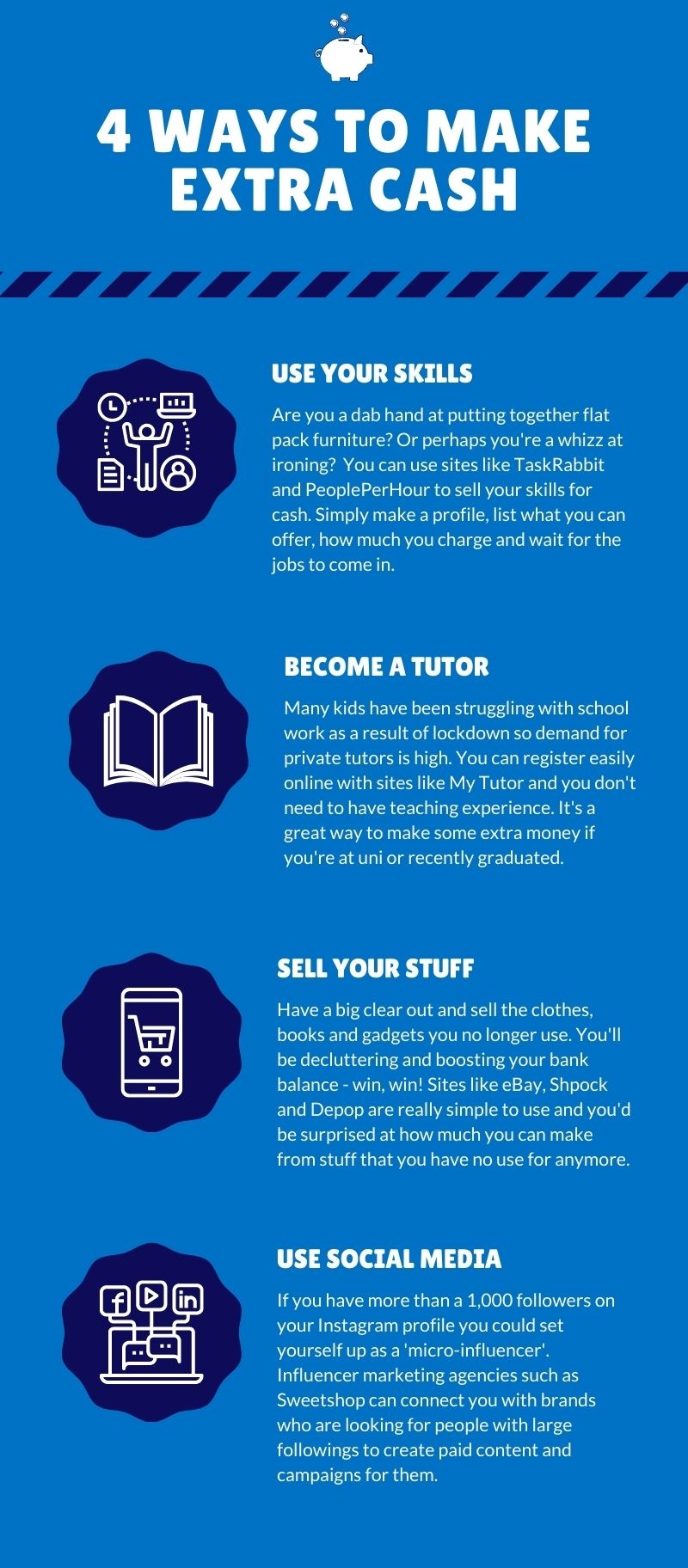
The rise of the gig economy has made it easier than ever to turn existing skills or develop new ones into additional income streams. Consider what you’re good at, what you enjoy, and what services are in demand.
- Freelancing: If you have professional skills in writing, graphic design, web development, marketing, or consulting, platforms like Upwork, Fiverr, or LinkedIn can connect you with clients seeking project-based work.
- Creative Pursuits: Artists, photographers, musicians, and crafters can sell their work through online marketplaces like Etsy, Shopify, or even social media.
- Service-Based Gigs: Driving for rideshare companies, delivering food, pet sitting, tutoring, or offering handyman services are flexible ways to earn extra cash in your spare time.
- Online Surveys and Microtasks: While not high-paying, sites like Swagbucks or Amazon Mechanical Turk offer small amounts of cash for completing simple tasks, which can accumulate.
Starting a side hustle not only brings in more cash but can also provide valuable experience, expand your network, and even potentially evolve into a full-time venture.
Explore Passive Income Opportunities
Passive income is money earned with minimal ongoing effort after the initial work is done. It’s an ideal way to get more cash without directly trading your time for money, allowing your money to work for you.
- Investments: Dividend stocks, REITs (Real Estate Investment Trusts), and peer-to-peer lending can generate regular income. While these require an initial capital investment, the returns can be consistent over time.
- Digital Products: Create and sell e-books, online courses, stock photos, or digital templates. Once created, these products can be sold repeatedly with little additional effort.
- Rental Properties: Owning rental property can provide a steady stream of income. This requires significant initial capital and ongoing management, but can be a powerful wealth builder. Alternatively, consider renting out a spare room or your entire property for short stays through platforms like Airbnb.
- Affiliate Marketing/Blogging: If you have an online presence, promoting products or services through affiliate links or running a monetized blog or YouTube channel can generate passive income from advertisements or sales commissions.
Building passive income streams often requires an upfront investment of time or money, but their long-term potential for consistent cash flow is immense.

Enhance Your Primary Income
Don’t overlook the potential for increasing your primary income. This often provides the most significant boost to your overall cash flow.
- Skill Development and Education: Invest in yourself by acquiring new skills or certifications that are in demand within your industry or a growing field. Online courses, workshops, and continuing education programs can make you more valuable to employers, justifying higher pay.
- Career Advancement and Negotiation: Actively seek promotions, take on more responsibility, and consistently demonstrate your value to your employer. When review time comes, be prepared to negotiate your salary based on your contributions, market rates, and new skills. Don’t be afraid to explore new job opportunities that offer better compensation and growth prospects.
- Entrepreneurship: For some, the ultimate way to get more cash is to build their own business. While challenging, entrepreneurship offers unlimited earning potential and control over your financial destiny. This requires significant dedication and risk, but the rewards can be substantial.
Implement Intelligent Investment Strategies
Once you’ve secured your financial foundation and started generating additional cash, the next crucial step is to put that money to work through intelligent investing. Investing is not just for the wealthy; it’s a powerful tool for anyone looking to grow their cash over time.
Understand Risk and Diversification
Investing inherently involves risk, but understanding and managing it is key. Don’t put all your eggs in one basket. Diversification means spreading your investments across different asset classes (stocks, bonds, real estate, commodities), industries, and geographies. This strategy helps mitigate risk, as a downturn in one area may be offset by gains in another.
- Stocks: Represent ownership in companies and offer potential for high returns but also higher volatility.
- Bonds: Loans to governments or corporations, generally less volatile than stocks and provide fixed interest payments.
- **Real Estate: Can offer capital appreciation and rental income, but is illiquid and requires significant capital.
- Mutual Funds & ETFs (Exchange-Traded Funds): These are professionally managed portfolios that allow you to invest in a basket of stocks, bonds, or other assets, providing instant diversification, often at a lower cost than individual stocks.
Start with investments that align with your risk tolerance and financial goals. For beginners, low-cost index funds or ETFs that track broad market indices (like the S&P 500) are an excellent way to gain diversified exposure to the stock market.
Long-Term Growth via Compound Interest
Albert Einstein reportedly called compound interest the “eighth wonder of the world.” This phenomenon is the process of earning returns not only on your initial investment but also on the accumulated interest from previous periods. The earlier you start investing, the more powerful compound interest becomes. Even small, consistent investments over decades can grow into substantial sums.
Focus on long-term growth by regularly contributing to retirement accounts like a 401(k) or IRA. These accounts offer significant tax advantages, further boosting your returns. Maxing out contributions, especially if your employer offers a 401(k) match, is effectively “free money” and a guaranteed way to get more cash for your future self. Patience and consistency are paramount when harnessing the power of compounding.
Consider Short-Term Opportunities (with Caution)
While long-term investing is the bedrock of wealth building, some short-term opportunities can provide quick cash, but they typically come with higher risks.
- Swing Trading: Holding stocks for a few days or weeks to profit from price swings. This requires deep market knowledge and can result in significant losses.
- Cryptocurrencies: Highly volatile digital assets that can see rapid gains or losses. Approach with extreme caution and only invest what you can afford to lose.
- Day Trading: Buying and selling securities within the same trading day. This is exceptionally risky and generally not recommended for beginners.
If you choose to explore short-term investing, ensure it’s with a small portion of your portfolio that you’re prepared to lose, and never at the expense of your long-term investment goals or emergency fund. Education and thorough research are critical before venturing into these higher-risk areas.
Smart Money Habits and Wealth Preservation
Getting more cash isn’t just about earning and investing; it’s also about maintaining smart financial habits and actively preserving the wealth you accumulate. Without these, even significant gains can be eroded over time.
Continuous Financial Education
The financial world is constantly changing, with new investment vehicles, regulations, and economic trends emerging regularly. Commit to continuous financial education. Read reputable financial books, follow trusted financial news sources, listen to podcasts, and attend webinars. Understanding economic principles, tax laws, and market dynamics will empower you to make more informed decisions, identify new opportunities, and avoid costly mistakes. The more you know, the better equipped you’ll be to maximize your cash flow and protect your assets.
Protect Your Assets and Plan for the Future
Earning and saving more cash is only part of the equation; protecting it is equally vital.
- Insurance: Ensure you have adequate insurance coverage—health, life, disability, home, and auto. These are not expenses but vital protections against unforeseen events that could otherwise wipe out your savings and put you in debt.
- Tax Optimization: Understand basic tax strategies to minimize your tax burden. Utilize tax-advantaged accounts like 401(k)s, IRAs, and HSAs. Consult with a tax professional to ensure you’re taking advantage of all eligible deductions and credits. Efficient tax planning means more of your earned cash remains yours.
- Estate Planning: While often overlooked, basic estate planning (wills, power of attorney, living trusts) ensures that your assets are distributed according to your wishes and protects your loved ones from potential legal complexities and taxes should something happen to you.
Mindset Matters
Finally, cultivating the right mindset is crucial for long-term financial success. Getting more cash requires discipline, patience, and a positive outlook. Understand that financial growth is often a marathon, not a sprint. There will be setbacks, but consistent effort and adherence to a well-thought-out plan will yield results. Celebrate small victories, learn from mistakes, and stay committed to your financial goals.
By diligently implementing these strategies—from optimizing your budget and tackling debt to diversifying your income and investing wisely—you can systematically increase your cash reserves, build lasting wealth, and achieve true financial empowerment. The journey to more cash is a continuous process of learning, adapting, and making conscious choices that align with your financial aspirations.
aViewFromTheCave is a participant in the Amazon Services LLC Associates Program, an affiliate advertising program designed to provide a means for sites to earn advertising fees by advertising and linking to Amazon.com. Amazon, the Amazon logo, AmazonSupply, and the AmazonSupply logo are trademarks of Amazon.com, Inc. or its affiliates. As an Amazon Associate we earn affiliate commissions from qualifying purchases.