
Auto insurance is far more than just a legal requirement; it’s a critical financial safeguard, a contract designed to protect your assets and future financial stability in the event of an accident. For many, it’s a significant recurring expense, often viewed as a necessary evil rather than a strategic financial decision. The question “how much auto insurance?” isn’t just about meeting state minimums; it’s about understanding your personal risk profile, financial capacity, and the potential costs of unforeseen circumstances. This guide will delve into the complexities of auto insurance, helping you make informed decisions that align with your financial goals and protect your hard-earned wealth.
Understanding the Core Financial Components of Auto Insurance
Before you can determine “how much,” you need to understand what you’re paying for. Auto insurance policies are comprised of various types of coverage, each designed to protect you financially from different scenarios. Knowing these components is the first step toward optimizing your policy and your budget.
Liability Coverage: The Non-Negotiable Financial Minimum
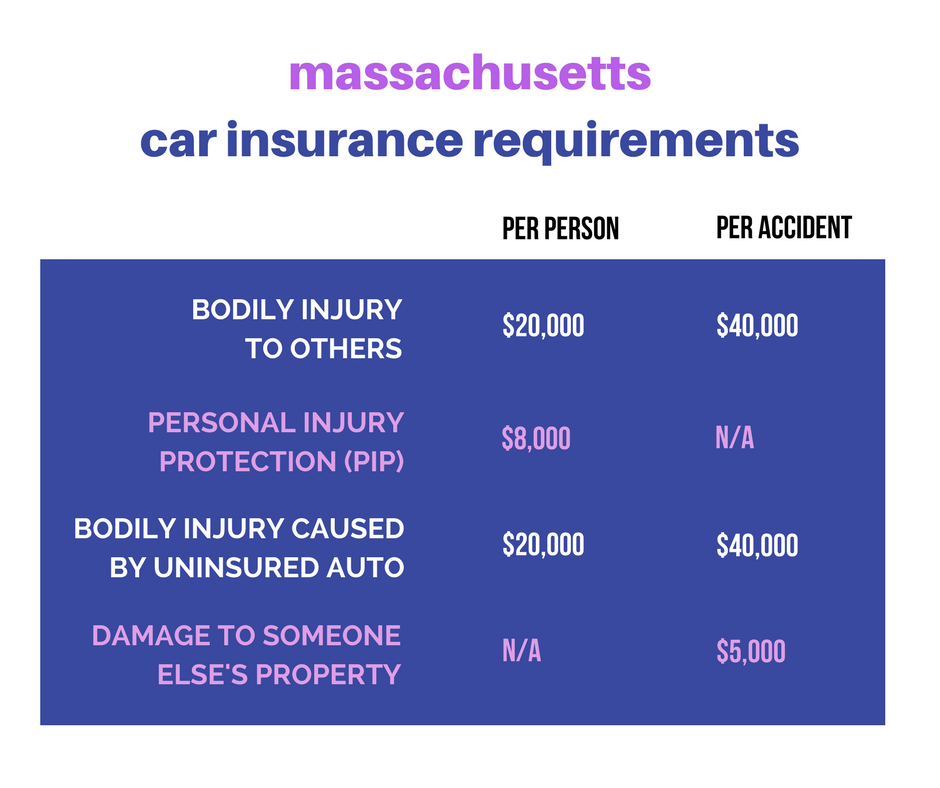
This is the cornerstone of any auto insurance policy and is legally mandated in almost every state. Liability coverage protects you financially if you are at fault for an accident, covering the costs of damages you cause to other people (bodily injury liability) and their property (property damage liability). The numbers you often see, like 25/50/25, represent the maximum payouts: $25,000 for bodily injury per person, $50,000 for total bodily injury per accident, and $25,000 for property damage per accident.
From a financial perspective, inadequate liability coverage is a massive risk. If you cause a severe accident with injuries that exceed your policy limits, you could be personally responsible for the difference, potentially leading to wage garnishment, asset seizure, or even bankruptcy. Many financial advisors recommend carrying significantly more than state minimums – often 100/300/100 or higher – especially if you have substantial assets to protect. The additional cost for higher limits is often surprisingly small compared to the peace of mind and financial security it provides.
Collision and Comprehensive: Protecting Your Vehicle Investment
While liability covers others, collision and comprehensive cover your vehicle.
- Collision coverage pays for damages to your car if it hits another vehicle, an object, or if it rolls over, regardless of who is at fault. This is crucial for newer or more valuable vehicles.
- Comprehensive coverage handles damages to your car from non-collision events, such as theft, vandalism, fire, hail, floods, or hitting an animal.
These coverages are typically optional unless you have a car loan or lease, in which case the lender will almost certainly require them to protect their investment. When deciding on these, consider the current market value of your car. If your car is older and its market value is low, the cost of collision and comprehensive might outweigh the potential payout after your deductible. This is a clear financial decision point: is the premium worth the potential financial protection for your specific vehicle?
Personal Injury Protection (PIP) and Medical Payments (MedPay): Safeguarding Your Health Finances
These coverages help pay for medical expenses for you and your passengers after an accident, regardless of fault.
- Personal Injury Protection (PIP) is common in “no-fault” states and covers medical expenses, lost wages, and rehabilitation costs.
- Medical Payments (MedPay) covers medical bills but not lost wages.
The financial benefit here is that these can kick in quickly, helping to cover immediate medical costs without waiting for fault to be determined. If you have robust health insurance, you might consider lower PIP/MedPay limits, but it’s vital to understand what your health insurance covers in auto accidents (some have exclusions or high deductibles) before making this decision.
Uninsured/Underinsured Motorist Coverage: Bridging Financial Gaps
This coverage protects you financially if you’re hit by a driver who has no insurance (uninsured) or not enough insurance (underinsured) to cover your medical bills or vehicle repairs. Given that a significant percentage of drivers on the road are uninsured or underinsured, this is a highly recommended financial protection. It ensures that you aren’t left bearing the burden of a negligent driver’s financial irresponsibility.
Key Factors Influencing Your Auto Insurance Premiums: A Financial Equation
The “how much” question is deeply intertwined with a multitude of factors that insurance companies use to assess risk and, consequently, set your premium. Understanding these can help you identify areas where you might adjust your behavior or choices to save money.
Your Driving Record and History
This is perhaps the most significant determinant of your premium. A clean driving record – free of accidents, speeding tickets, and DUIs – signals lower risk to insurers, leading to lower rates. Conversely, a history of violations or claims will invariably increase your premiums. From a financial planning perspective, maintaining a pristine driving record is one of the most direct ways to control your auto insurance costs over time.
Vehicle Make, Model, and Age
The type of car you drive significantly impacts your rates. Insurers look at:
- Safety ratings: Safer cars might get discounts.
- Cost of repairs: Expensive parts or specialized labor for luxury or performance vehicles drive up repair costs, and thus premiums.
- Theft rates: Vehicles frequently targeted by thieves often have higher comprehensive coverage costs.
- Engine size/performance: High-performance cars often imply a higher risk of speed-related accidents.
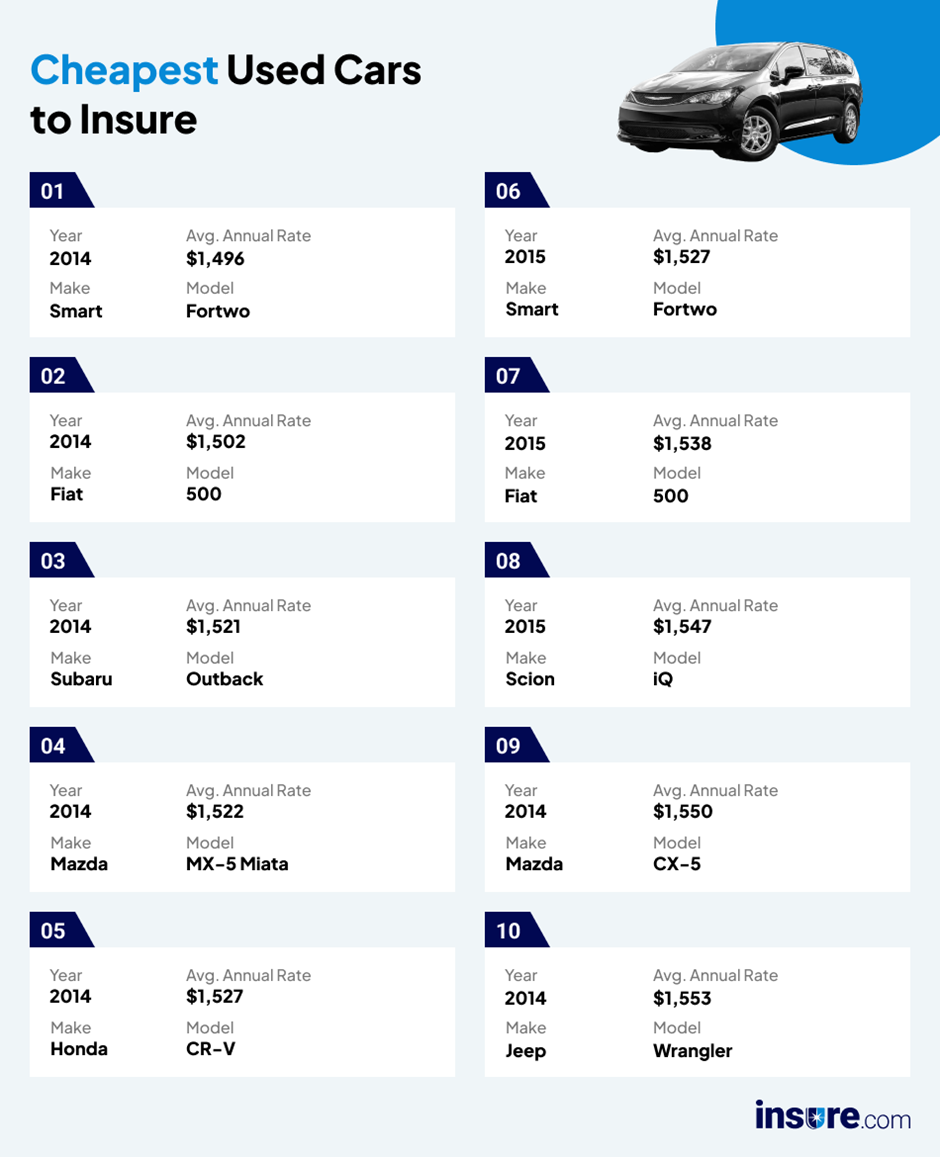
Newer, more expensive cars typically have higher premiums due to their replacement value and repair costs. As a car ages, its market value decreases, potentially allowing you to consider dropping collision and comprehensive coverage.
Location, Location, Location
Where you live and park your car profoundly affects your rates. Urban areas with higher traffic density, greater rates of theft and vandalism, and more frequent accidents typically have higher premiums than rural areas. Even specific zip codes within the same city can have different rates based on localized crime statistics and accident frequency. Moving can be a hidden factor in your insurance costs.
Age, Gender, and Marital Status (Actuarial Considerations)
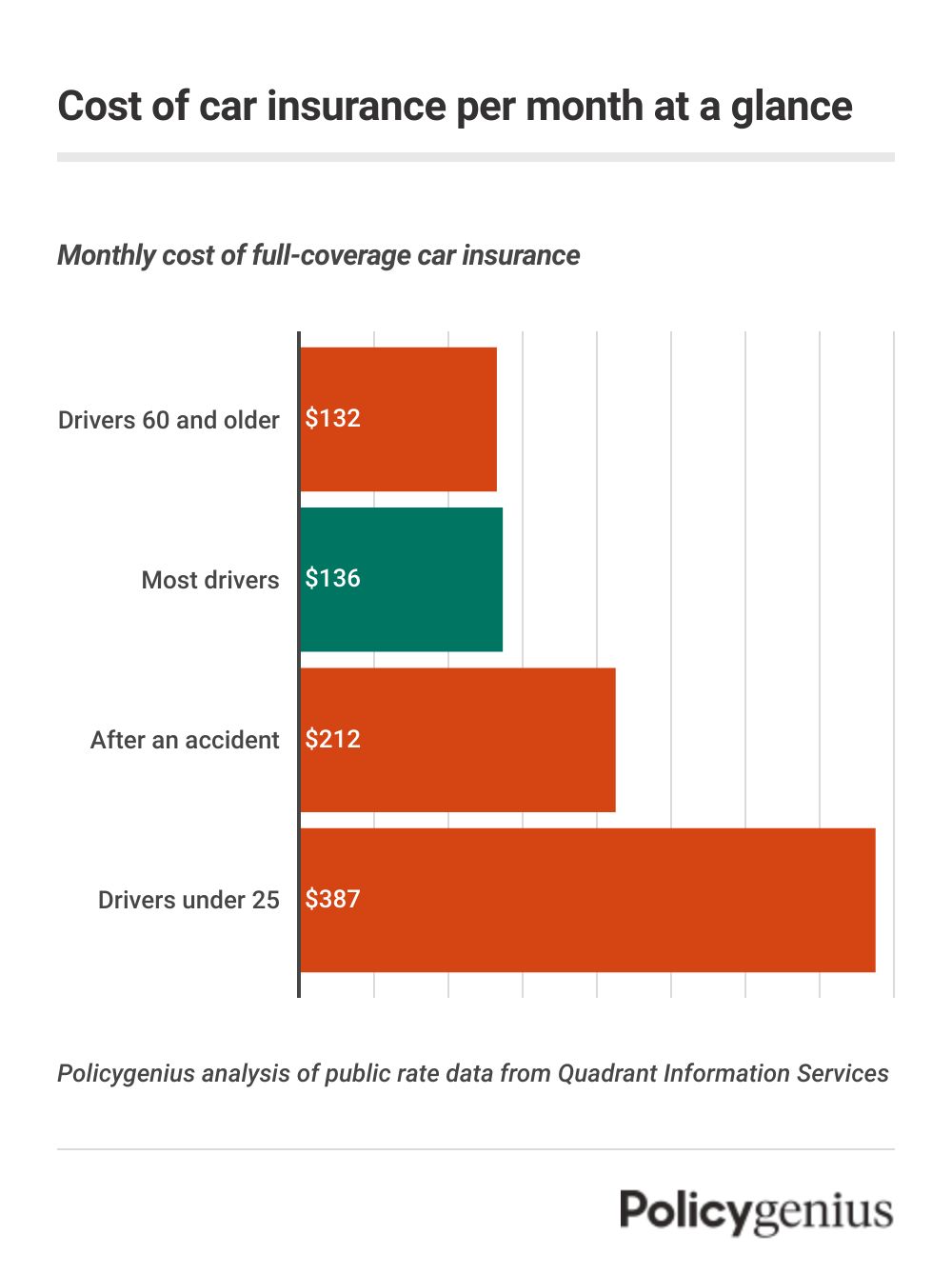
Statistically, young, inexperienced drivers (especially males under 25) are deemed higher risk and face significantly higher premiums. As drivers gain experience and mature, rates generally decrease. Married individuals often receive lower rates than single individuals, as they are statistically less likely to file claims. These are demographic factors that you might not be able to change, but it’s important to understand their financial impact.
Credit Score (Where Permitted)
In many states, insurance companies use a credit-based insurance score as one factor in determining premiums. Studies have shown a correlation between a lower credit score and a higher likelihood of filing claims. A strong credit score can lead to considerable savings on your premiums, emphasizing another financial benefit of maintaining good credit habits. (Note: Not all states permit the use of credit scores for insurance pricing).
Your Deductible Choices
The deductible is the amount of money you agree to pay out-of-pocket before your insurance kicks in for collision and comprehensive claims. A higher deductible generally leads to a lower premium, as you’re taking on more financial risk. Conversely, a lower deductible means higher premiums but less out-of-pocket expense in case of a claim. This is a direct financial trade-off: weigh the monthly savings against your ability to pay a larger lump sum in an emergency.
Navigating State Minimums vs. Optimal Coverage: A Strategic Financial Decision
The primary question often boils down to balancing legal requirements with prudent financial planning.
Understanding Your State’s Legal Requirements
Every state (except New Hampshire, which still requires proof of financial responsibility) mandates a minimum amount of auto insurance. These minimums are designed to ensure some basic financial protection for victims of accidents. However, they are often woefully inadequate.
Why State Minimums Might Not Be Enough
Relying solely on state minimums is a risky financial strategy. A serious accident can quickly result in medical bills, property damage, and legal fees that far exceed these low thresholds. If you’re at fault, you could face lawsuits for the remaining balance, putting your savings, home, and future earnings at risk. The slight savings on premiums by choosing minimum coverage can be dwarfed by potential out-of-pocket costs in a severe incident. This is a classic example where underinsurance can lead to financial ruin.
Assessing Your Personal Risk Profile
To determine optimal coverage, consider:
- Your assets: If you own a home, have significant savings, or a high income, you have more to lose in a lawsuit, warranting higher liability coverage.
- Your driving habits: Are you a frequent commuter, or do you rarely drive? Do you drive in high-traffic areas?
- Your health insurance: How robust is your health insurance, and what are its limits concerning auto accidents?
- Your comfort with risk: How much financial risk are you willing to absorb personally?
A careful assessment of these factors will guide you toward a coverage level that truly protects your financial well-being, rather than just meeting a legal baseline.
Strategies for Reducing Your Auto Insurance Costs: Smart Financial Moves
While many factors are beyond your immediate control, there are numerous proactive steps you can take to lower your premiums without compromising essential financial protection.
Shopping Around and Comparing Quotes
This is perhaps the most effective strategy. Rates vary significantly between insurers for the exact same coverage because each company has its own risk assessment algorithms and target demographics. Don’t simply renew with your current insurer year after year. Get quotes from at least three to five different companies every 6-12 months, or whenever a significant life event occurs (new car, new address, marriage, etc.). Online comparison tools make this process easier than ever.
Bundling Policies
Most insurance companies offer discounts if you purchase multiple policies from them, such as bundling auto insurance with homeowner’s or renter’s insurance. This can lead to substantial savings across all your policies. It simplifies your financial management by having one insurer for multiple needs.
Taking Advantage of Discounts
Insurers offer a wide array of discounts, and it’s your financial responsibility to ask for them. Common discounts include:
- Good driver discounts: For those with no accidents or violations for several years.
- Multi-car discounts: For insuring more than one vehicle.
- Good student discounts: For young drivers with good academic records.
- Safety features discounts: For cars with anti-lock brakes, airbags, anti-theft devices.
- Low mileage discounts: For those who drive fewer miles annually.
- Defensive driving course discounts: Completing an approved course can sometimes lower your premiums.
- Loyalty discounts: For long-term customers.
Always inquire about every possible discount you might qualify for.
Maintaining a Good Driving Record
As mentioned, a clean record is your best friend when it comes to insurance costs. Avoid tickets and accidents not just for safety, but for the direct financial benefit of lower premiums.
Adjusting Your Coverage as Your Car Ages
As your car depreciates, the financial wisdom of carrying full collision and comprehensive coverage diminishes. At a certain point, the annual premiums for these coverages, combined with your deductible, might exceed the actual cash value of your vehicle. At this stage, it makes financial sense to consider dropping these optional coverages and instead save the premium difference, perhaps in an emergency fund.
Increasing Your Deductible (With Caution)
If you have a robust emergency fund that can easily cover a higher deductible (e.g., increasing from $500 to $1,000 or $1,500), this is a straightforward way to lower your monthly premiums. The key is with caution: ensure you can genuinely afford that higher out-of-pocket expense without financial strain should an accident occur.
Making an Informed Decision: Regular Review and Adjustment
Auto insurance isn’t a “set it and forget it” financial product. Your needs, your car, and your life circumstances evolve, and so too should your policy.
When to Re-evaluate Your Policy
Periodically review your coverage:
- Annually: As part of your financial check-up.
- After a major life event: Marriage, divorce, moving, having a child, buying a new car, paying off a car loan, changing jobs (especially if it impacts your commute).
- When your financial situation changes: If your income or assets significantly increase or decrease.
These moments present opportunities to re-evaluate your risk, adjust coverage, and potentially find better rates.
The Importance of Transparency with Your Insurer
Be honest and thorough when applying for or renewing insurance. Providing accurate information ensures that your policy is valid and that you receive appropriate coverage. Misrepresenting facts, even unintentionally, could lead to claims being denied or policies being canceled, leaving you in a far worse financial position when you need protection most.
In conclusion, “how much auto insurance” is a dynamic financial question with no single universal answer. It requires a thoughtful assessment of your specific circumstances, your risk tolerance, and your financial goals. By understanding the components of a policy, the factors that influence premiums, and the strategies available to manage costs, you can construct an auto insurance plan that provides robust financial protection without overpaying, allowing you to drive with confidence and peace of mind.
aViewFromTheCave is a participant in the Amazon Services LLC Associates Program, an affiliate advertising program designed to provide a means for sites to earn advertising fees by advertising and linking to Amazon.com. Amazon, the Amazon logo, AmazonSupply, and the AmazonSupply logo are trademarks of Amazon.com, Inc. or its affiliates. As an Amazon Associate we earn affiliate commissions from qualifying purchases.