
Venmo has evolved from a simple peer-to-peer payment app into a versatile financial tool capable of facilitating various forms of income and financial transactions. Beyond splitting dinner bills, it offers streamlined ways for individuals and small businesses to receive funds, making it an integral part of modern personal finance and the burgeoning gig economy. Understanding its full capabilities allows users to leverage Venmo effectively for everything from collecting personal debts to generating income from services and products.
Seamlessly Receiving Personal Payments
At its core, Venmo excels at simplifying personal financial interactions. Whether you’re pooling money for a group gift, splitting shared expenses with housemates, or collecting dues for a club, Venmo provides an intuitive platform to ensure you get paid efficiently and without awkward confrontations. Its social feed, while optional, adds a layer of transparency and engagement that can encourage timely payments among trusted contacts.

Splitting Costs with Ease
One of Venmo’s most celebrated features is its ability to effortlessly split costs. Imagine a group dinner where one person pays the bill, or a shared vacation where one individual covers accommodation. Instead of complex calculations or cash exchanges, the lead payer can easily request specific amounts from each participant directly through the app. This functionality extends to utilities for roommates, shared subscription services, or even group purchases. By selecting the ‘Request’ option and adding multiple recipients, the app streamlines the process, sending clear notifications and reminders to those who owe, ensuring everyone contributes their fair share promptly.
Requesting Funds from Your Network
Beyond splitting costs, Venmo is an excellent tool for simply requesting money owed to you from friends, family, or personal acquaintances. If you’ve lent money, sold a personal item, or provided a casual service, a direct request through Venmo is often the quickest way to retrieve your funds. The process is straightforward: open the app, tap ‘Pay or Request’, select the individual, enter the amount, add a note (optional but recommended for clarity), and confirm. This direct approach eliminates delays and provides a digital record of the transaction, enhancing accountability and financial organization within your personal network.
Understanding the Social Feed Aspect
Venmo’s optional social feed displays public transactions, allowing users to see (and comment on) payments made by their friends. While this public aspect can be opted out for individual transactions or set to private by default, it subtly encourages engagement and payment. The visibility, even of anonymized transactions, can create a positive feedback loop, nudging users to respond to requests faster to maintain their social financial standing. For personal payments, the notes often add a playful element, fostering a more casual and approachable way to handle money matters among friends.
Monetizing Skills and Services via Venmo
For freelancers, sole proprietors, and those engaged in side hustles, Venmo offers a viable, low-barrier entry point for accepting payments. While initially designed for personal use, its widespread adoption has made it a convenient financial tool for micro-businesses and service providers looking to streamline their payment collection without the complexities of traditional merchant accounts.
Setting Up a Business Profile
To professionally accept payments for goods and services, it is crucial to set up a Venmo business profile. This distinguishes commercial transactions from personal ones, providing a more formal structure for your financial activities. A business profile offers several advantages: it allows customers to easily find your business by name, provides dedicated tools for tracking sales, and enables the use of business-specific features. Importantly, transactions sent to a business profile are automatically designated as goods and services payments, which are subject to Venmo’s merchant fees and provide buyer/seller protection where applicable. This transparency is vital for compliance and financial clarity.
Accepting Payments for Gigs and Products
Whether you’re a freelance graphic designer, a dog walker, a personal trainer, or selling handmade crafts, Venmo provides an easy way for clients to pay you. You can share your Venmo username, QR code, or even generate a unique payment link that directs clients directly to a payment page. This simplicity removes friction from the payment process, making it easier for customers to complete transactions quickly. When a client pays your business profile, the funds are deposited directly into your Venmo balance, ready for transfer to your linked bank account. For service providers, the ability to quickly receive payment immediately upon completion of work is a significant benefit, improving cash flow.
Managing Business Transactions and Reporting

Venmo’s business profiles come with basic tools to help you track your income. You can view a detailed history of transactions, which can be useful for budgeting, reconciliation, and preparing for tax season. While not a full-fledged accounting suite, this transaction log serves as a foundational record of your sales. Understanding your transaction volume and values through Venmo’s reporting can provide insights into your business activity, helping you identify peak earning periods or popular services. It’s important to regularly review these transactions to ensure accuracy and to reconcile them with any external accounting software you may use for more comprehensive financial management.
Strategic Use for Small Businesses and Entrepreneurs
Beyond individual gigs, Venmo can be integrated into the broader financial strategy of small businesses and budding entrepreneurs, complementing other payment systems and enhancing customer convenience. Its ubiquity, particularly among younger demographics, makes it a valuable asset for expanding payment options and reaching a wider customer base.
Integrating Venmo into Your Payment Ecosystem
For many small businesses, a diversified payment strategy is key. Venmo can serve as an accessible alternative to credit card readers or more complex online payment gateways, especially for mobile businesses, pop-up shops, or services where immediate, flexible payments are preferred. Integrate Venmo by displaying your QR code prominently at your point of sale, including your Venmo username on invoices, or adding a Venmo payment option to your website (often through third-party integrations or direct links). This approach caters to customers who prefer Venmo, potentially reducing cart abandonment and increasing sales by offering familiar payment methods.
Understanding Merchant Fees and Tax Implications
It’s critical for businesses to understand the financial implications of using Venmo. While personal payments typically incur no fees (unless a credit card is used), Venmo charges a standard merchant transaction fee (e.g., 1.9% + $0.10) for payments received via a business profile or marked as goods and services. These fees must be factored into your pricing strategy and financial projections. Furthermore, all income received through Venmo, regardless of whether it’s via a personal or business profile, is taxable income. Venmo is required to report certain payment activity to the IRS (e.g., via Form 1099-K if gross payments exceed certain thresholds), making accurate record-keeping essential for compliance and avoiding penalties. Consulting with a tax professional can help ensure your Venmo income is correctly reported.
Enhancing Customer Experience with Convenient Payments
Offering Venmo as a payment option isn’t just about diversification; it’s about improving the customer experience. Many consumers already have Venmo installed and linked to their bank accounts, making transactions incredibly fast and convenient. This frictionless payment process can lead to higher customer satisfaction and repeat business. For service-based businesses, allowing clients to pay instantly through an app they already use adds a layer of professionalism and ease that traditional invoicing or card readers might not always match. It positions your business as modern and customer-centric, leveraging popular financial tools to your advantage.
Optimizing Your Venmo Experience for Financial Gain
Maximizing your ability to get money on Venmo also involves understanding its operational aspects, security features, and how to efficiently manage the funds once received. Proper setup and vigilance are key to a smooth and secure financial flow.
Linking Your Bank Account for Quick Transfers
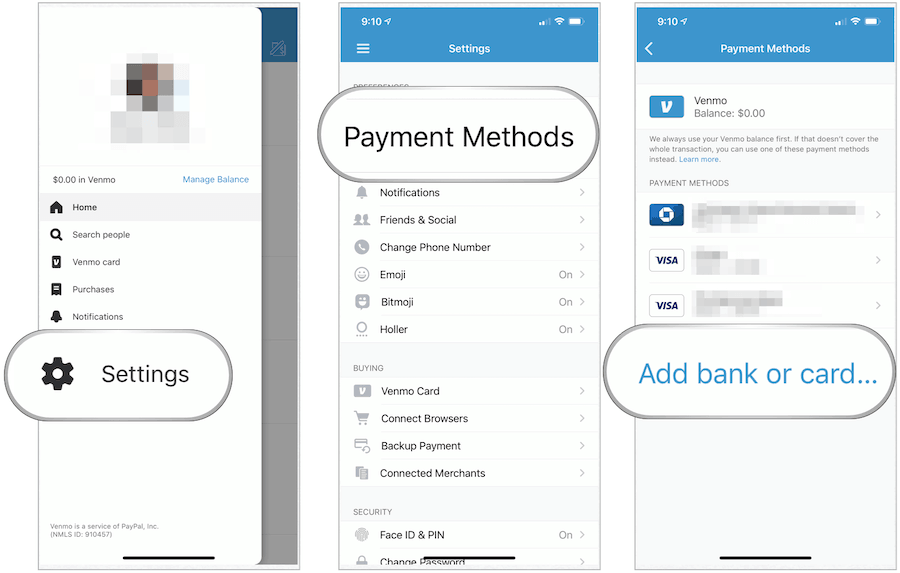
Receiving money into your Venmo balance is only the first step; getting it into your actual bank account for broader financial use is crucial. Ensure your Venmo account is securely linked to your primary bank account. Venmo offers two transfer options: standard transfers, which are free and typically take 1-3 business days, and instant transfers, which incur a small fee (e.g., 1.75% with a minimum and maximum fee) but move funds to your bank account within minutes. For individuals relying on Venmo for consistent income or managing cash flow, instant transfers can be invaluable for accessing funds quickly when needed. Regularly reconciling your Venmo balance with your bank account helps maintain financial clarity.
Protecting Your Funds: Security Measures
While convenient, it’s paramount to safeguard your Venmo account against fraud and unauthorized access. Always use a strong, unique password and enable two-factor authentication (2FA). This adds an extra layer of security, requiring a code from your phone in addition to your password for login attempts. Be wary of phishing attempts: Venmo will never ask for your password or personal information via email or text message. Always verify the identity of senders and recipients, especially for business transactions, and exercise caution with unexpected payments or requests from unknown sources. Promptly report any suspicious activity to Venmo support to protect your funds and financial data.
Navigating Transaction Limits and Holds
Venmo, like most financial platforms, imposes limits on the amount of money you can send and receive, as well as on daily and weekly transfers to your bank. These limits can vary based on your account verification status. Unverified accounts typically have lower limits, while fully verified accounts (with linked bank accounts, confirmed identity, etc.) have significantly higher limits. Understanding these thresholds is important, especially if you rely on Venmo for substantial income or large transactions. Occasionally, Venmo may place a hold on funds for security reasons or if unusual activity is detected. While inconvenient, these measures are designed to protect users. Familiarize yourself with Venmo’s policies regarding limits and holds to manage your expectations and financial planning effectively.
aViewFromTheCave is a participant in the Amazon Services LLC Associates Program, an affiliate advertising program designed to provide a means for sites to earn advertising fees by advertising and linking to Amazon.com. Amazon, the Amazon logo, AmazonSupply, and the AmazonSupply logo are trademarks of Amazon.com, Inc. or its affiliates. As an Amazon Associate we earn affiliate commissions from qualifying purchases.