
In the rapidly evolving landscape of digital commerce, Stripe has emerged as a cornerstone, underpinning countless online businesses with its powerful suite of financial tools. From nascent startups to multinational enterprises, millions rely on Stripe to process payments, manage subscriptions, and unlock new revenue streams. Consequently, the question “how much is Stripe?” is not merely a matter of curiosity but a significant indicator of the broader fintech market’s health and a key metric for investors, financial analysts, and businesses evaluating their ecosystem partners.
Stripe’s valuation journey has been nothing short of meteoric, punctuated by staggering funding rounds and a consistent narrative of innovation. While its private status means precise, real-time figures are not publicly disclosed, understanding the various facets of its business model, financial performance, and market position allows us to paint a comprehensive picture of its immense financial footprint and the factors that shape its value. This article delves into the intricacies of Stripe’s financial standing, exploring the mechanisms that drive its valuation, its impact on business finance, and what its future might hold.
Understanding Stripe’s Business Model and Core Revenue Streams
At its heart, Stripe is a financial technology company that provides payment processing software and APIs for e-commerce websites and mobile applications. However, to truly grasp its financial worth, one must look beyond its foundational service to the expansive ecosystem of financial tools it has meticulously built.
The Core Offering: Payment Processing and Transaction Fees
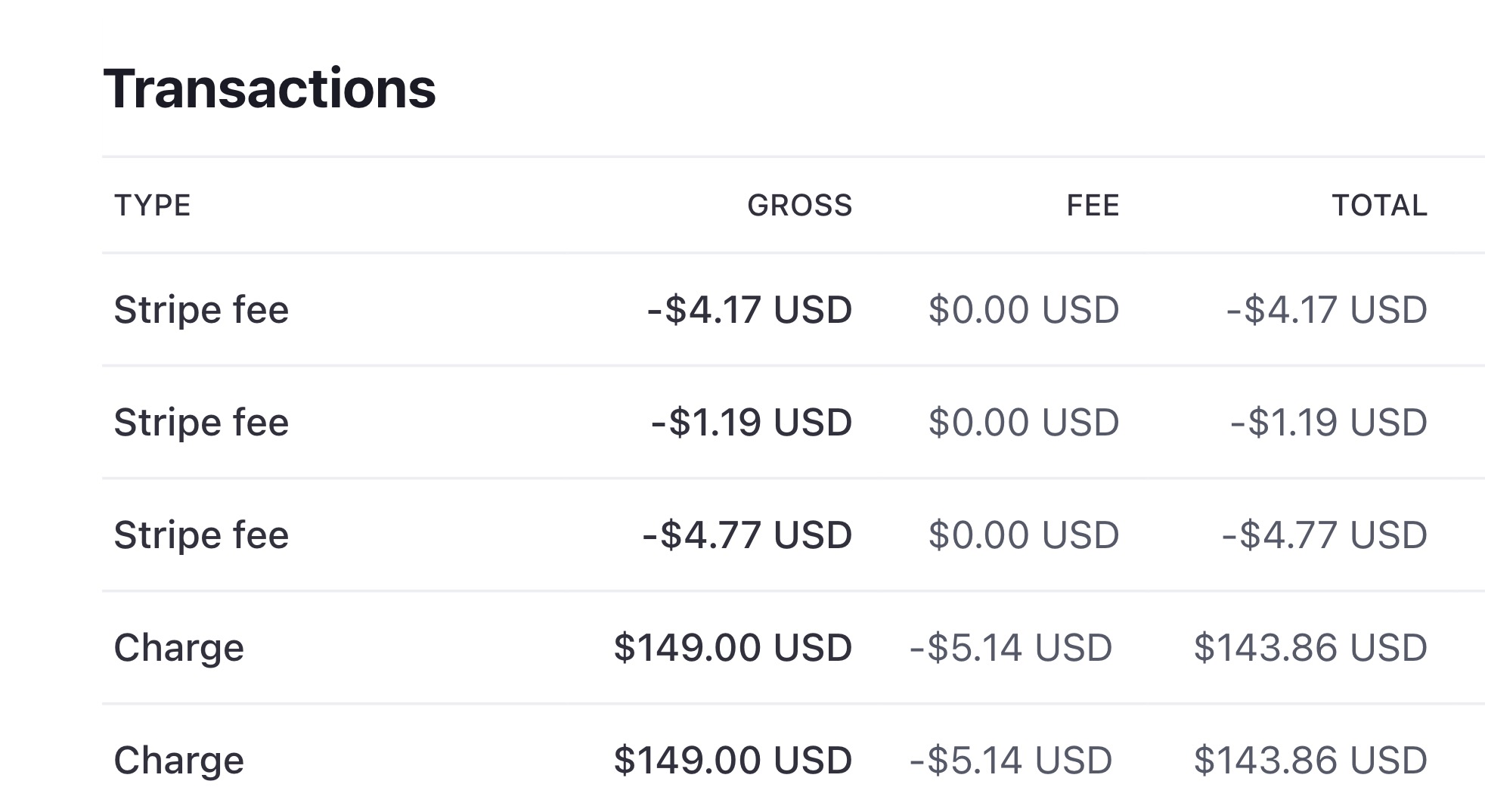
Stripe’s primary revenue generator remains its payment processing services. When a business uses Stripe to accept payments, Stripe charges a small percentage of the transaction amount, plus a fixed fee. This model, while seemingly simple, scales tremendously with the volume of digital transactions worldwide.
-
Transaction Volume (TPV): The total payment volume processed through Stripe’s platform is a critical metric. As e-commerce continues its exponential growth, especially in emerging markets, Stripe’s TPV has soared, directly correlating with its revenue. Its global reach allows businesses to accept payments in over 135 currencies and from various payment methods, reducing friction and expanding market opportunities for its users, thereby increasing its own transaction volume.
-
Developer-Friendly APIs: Stripe’s API-first approach made it incredibly easy for developers to integrate payment functionalities into their platforms. This ease of integration led to rapid adoption among startups and tech-forward companies, creating a powerful network effect that continues to attract new businesses and their associated transaction flows.
Expanding Beyond Payments: A Suite of Financial Tools
Recognizing that payment processing is just one piece of the puzzle for online businesses, Stripe has strategically expanded its product offerings to address a broader spectrum of financial needs. These additional services not only diversify its revenue streams but also deepen its integration into the operational finance of its customers, enhancing customer loyalty and lifetime value.
-
Stripe Capital: This service offers eligible businesses fast, flexible financing based on their transaction history and revenue through Stripe. By leveraging its unique insight into a business’s financial performance, Stripe can provide capital to growth-oriented companies that might struggle with traditional lending institutions. This represents a significant foray into business lending, generating interest income and offering a critical financial tool to its ecosystem.
-
Stripe Treasury: Aimed at enabling platforms to embed financial services into their products, Treasury allows users to offer banking-as-a-service functionalities, such as accounts, payments, and issuing cards. This moves Stripe further up the financial value chain, allowing it to tap into the underlying financial infrastructure for platforms, not just their end-user transactions.
-
Stripe Issuing: This product allows businesses to create and manage their own corporate cards, giving them granular control over spending and expenses. For companies that manage large workforces or need to distribute funds efficiently, Issuing provides a robust financial management tool, adding another layer to Stripe’s financial ecosystem.
-
Radar: Stripe’s advanced fraud prevention system is not just a feature; it’s a value proposition that protects businesses from significant financial losses due to fraudulent transactions. While often bundled, the value it provides in loss prevention contributes to the overall attractiveness and financial health of businesses using Stripe.
-
Stripe Atlas: For aspiring entrepreneurs, Atlas simplifies the process of incorporating a company in the U.S., opening a bank account, and issuing founders’ stock. This service acts as an entry point, bringing new businesses into the Stripe ecosystem from their very inception, positioning Stripe as a foundational financial partner.
By continuously innovating and expanding its financial product suite, Stripe has transformed from a payment processor into a comprehensive financial operating system for the internet, significantly bolstering its revenue potential and overall financial value.
Deciphering Stripe’s Valuation Journey
Stripe’s valuation has been a subject of intense speculation and analysis, reflecting its pivotal role in the digital economy and the dynamism of the private technology market. Its journey through various funding rounds provides crucial insights into its perceived financial worth.
The Private Market Juggernaut: Valuation Peaks and Adjustments
As a privately held company, Stripe’s valuation is primarily determined through its equity funding rounds, where institutional investors acquire stakes in the company.
-
Historical Funding Milestones: Stripe has commanded increasingly higher valuations with each funding round. It reached a peak private market valuation of $95 billion in March 2021, following a $600 million funding round. This made it one of the most valuable privately held technology companies globally, a testament to investor confidence in its growth trajectory and market dominance.
-
Factors Influencing Peak Valuation: This valuation was fueled by several key factors: the explosion of e-commerce during the pandemic, Stripe’s continued expansion into new markets and product lines, and its strong reputation for innovation. Investors saw immense potential in its ability to capture a significant share of the global digital payments market and its growing suite of business finance tools.
The Impact of Market Corrections and Valuation Adjustments
The high-flying tech market of 2021 saw a significant correction in subsequent years. This broader economic shift had a tangible impact on the valuations of many private companies, including Stripe.
-
Economic Headwinds: Rising interest rates, inflation concerns, and a general tightening of venture capital funding led to a re-evaluation of growth-stage companies. Investors became more focused on profitability and sustainable growth rather than just top-line revenue expansion.
-
Internal Valuation Adjustments: In early 2023, reports indicated that Stripe underwent an internal valuation adjustment, reportedly to around $50 billion or slightly above, in conjunction with a tender offer that allowed employees to sell shares. While still a substantial figure, this marked a significant decrease from its peak. This adjustment reflected the changed macroeconomic environment and a more conservative approach to tech valuations, aligning with market realities.
-
Key Valuation Metrics: Beyond overall market sentiment, specific metrics play a crucial role. Investors scrutinize Stripe’s revenue multiples (enterprise value to revenue), Total Payment Volume (TPV) growth, gross margins, and its path to profitability. The ability to efficiently convert revenue into profit is becoming increasingly important for sustaining high valuations.
Understanding these fluctuations is vital for any investor considering the fintech space. Stripe’s journey reflects the broader economic tides influencing the financial health and perceived value of technology giants.
Stripe’s Financial Health and Future Prospects
Beyond its historical valuation, Stripe’s ongoing financial health and strategic direction are paramount to understanding its current and future worth. Its ability to navigate a competitive landscape and seize new opportunities will define its trajectory.

Path to Profitability and Sustainable Growth
While growth has been a hallmark of Stripe’s story, profitability is increasingly the focus for investors.
-
Operating Efficiency: As a large-scale fintech provider, Stripe manages significant operating expenses related to technology infrastructure, global compliance, and a large workforce. Its ability to optimize these costs while continuing to innovate will be key to achieving consistent profitability.
-
Achieving Scale: With its vast TPV, Stripe benefits from economies of scale. Each additional transaction processed incurs proportionally lower fixed costs, improving its margins as it grows. The challenge lies in maintaining this efficiency while expanding into complex new markets and developing costly new financial tools.
-
IPO Considerations: A potential Initial Public Offering (IPO) is a frequently discussed topic. For an IPO to be successful and command a strong public market valuation, a clear path to sustained profitability, robust governance, and transparent financial reporting are essential. An IPO would provide liquidity for early investors and employees while also offering a public benchmark for its value.
Competitive Landscape and Market Position
Stripe operates in a highly competitive arena, facing off against both established players and nimble startups.
-
Major Competitors: Key rivals include Block (Square), PayPal, and Adyen, all of whom offer varying degrees of payment processing and financial services. Each competitor has its strengths—Block with its focus on small businesses and point-of-sale, PayPal with its vast consumer network, and Adyen with its enterprise focus.
-
Stripe’s Differentiators: Stripe’s strengths lie in its developer-first approach, its comprehensive API suite, its global reach, and its continuous innovation in offering integrated financial tools beyond mere payments. These differentiators help it attract and retain a diverse customer base, from fast-growing startups to established enterprises looking for modern, flexible solutions.
-
Regulatory Environment: Operating in finance means navigating complex and ever-changing regulatory environments across different jurisdictions. Stripe’s ability to maintain compliance while rapidly expanding is a critical, albeit costly, aspect of its market position and financial viability.
Future Growth Vectors
Stripe is well-positioned to capitalize on several macro trends that will continue to drive its financial growth.
-
International Expansion: Despite its global presence, significant untapped markets remain, particularly in developing economies where digital commerce is still nascent but rapidly expanding.
-
Enterprise Adoption: Moving upmarket to serve larger enterprise clients with more complex financial needs offers higher average revenue per user (ARPU) and larger transaction volumes.
-
New Financial Services: The convergence of finance and technology (fintech) is still in its early stages. Areas like embedded finance, crypto payments, Web3 integrations, and AI-driven financial insights represent significant future growth opportunities for Stripe.
-
AI Integration: Leveraging AI for fraud detection, personalized financial insights, and automated financial operations could further enhance Stripe’s offerings, drive efficiency, and create new revenue streams.
These growth vectors suggest a continued upward trajectory for Stripe’s financial potential, even if its valuation might fluctuate in response to market cycles.
Implications for Businesses and Investors
Stripe’s financial standing and its comprehensive suite of tools have significant implications for various stakeholders, from businesses leveraging its platform to investors looking for high-growth opportunities.
For Businesses: Leveraging Stripe’s Financial Ecosystem
For millions of businesses, particularly those operating online, Stripe is more than just a payment processor; it’s an indispensable financial operating system that empowers growth and efficiency.
-
Streamlined Operations: Stripe’s integrated platform simplifies financial management, from accepting payments to managing subscriptions, handling invoicing, and even facilitating financing. This operational efficiency translates into cost savings and allows businesses to focus on their core offerings.
-
Global Market Access: By supporting a vast array of currencies and payment methods, Stripe enables businesses to expand their reach globally without the complexities of managing multiple financial partners. This capability directly impacts revenue potential and market size.
-
Empowering Online Income and Side Hustles: Stripe’s user-friendly nature and powerful APIs have democratized online commerce, allowing individuals and small businesses to easily set up shops, sell digital products, or offer services. This has fueled the growth of the creator economy and countless side hustles, directly contributing to online income generation for a wide demographic.
For Investors: The Potential and Risks
For venture capitalists, private equity firms, and future public market investors, Stripe represents a compelling, albeit complex, investment proposition.
-
Growth Potential: Stripe operates in a sector with immense tailwinds—the global digital transformation. Its proven ability to innovate and expand its product offerings suggests significant future growth.
-
Market Leadership: Its strong market position and brand recognition make it a difficult company to unseat, offering a degree of stability in a volatile industry.
-
Future Liquidity (IPO): The eventual prospect of an IPO offers a potential liquidity event for early investors and the opportunity for public market participation, though the timing and valuation will depend on market conditions and Stripe’s financial performance.
-
Risks: Investors must also consider risks such as intense competition, regulatory scrutiny, macroeconomic downturns impacting e-commerce, and the challenges of maintaining rapid innovation at scale.
Financial Tools and Innovation for Online Income
Stripe’s suite of financial tools directly contributes to the proliferation of online income generation. Its platform lowers the barrier to entry for entrepreneurs, making it easier for them to start and scale businesses. From accepting recurring payments for SaaS products to managing payouts for marketplaces, Stripe provides the essential financial infrastructure. This has a profound impact on individual wealth creation and the broader digital economy, facilitating everything from direct-to-consumer sales to complex subscription models.

Conclusion
The question “how much is Stripe?” reveals a multifaceted answer that transcends a single number. While its peak private valuation of $95 billion captured headlines, its current value reflects a more nuanced picture influenced by macroeconomic factors and a strategic re-focus on profitability. More importantly, Stripe’s true financial impact extends beyond its balance sheet to the billions of dollars in transactions it facilitates and the vast ecosystem of businesses it empowers.
As a critical piece of the internet’s financial infrastructure, Stripe’s financial health and strategic direction will continue to shape the future of digital commerce and business finance. Its journey from a payment processor to a comprehensive financial operating system underscores its significance. For businesses, it offers essential tools for growth; for investors, it represents a dynamic, high-potential investment in the digital economy’s bedrock; and for the broader market, it signifies the relentless innovation driving online income and economic transformation. Stripe’s evolving valuation is not just a reflection of its success, but a barometer for the health and trajectory of the entire digital marketplace.
aViewFromTheCave is a participant in the Amazon Services LLC Associates Program, an affiliate advertising program designed to provide a means for sites to earn advertising fees by advertising and linking to Amazon.com. Amazon, the Amazon logo, AmazonSupply, and the AmazonSupply logo are trademarks of Amazon.com, Inc. or its affiliates. As an Amazon Associate we earn affiliate commissions from qualifying purchases.