
In an increasingly digitized world, managing and transferring money has evolved significantly. Financial technology (FinTech) applications have revolutionized how individuals and businesses handle their finances, and Cash App stands out as a prominent player in this landscape. Originally known for its seamless peer-to-peer payment services, Cash App has expanded its features to encompass a broader spectrum of financial activities, from direct deposits and investment opportunities to spending incentives. For many, understanding the various legitimate avenues to receive and potentially earn money through Cash App is crucial for maximizing its utility as a personal financial tool. This article delves into the practical strategies and features available within Cash App that enable users to effectively get and manage their funds, all within the context of personal financial management and smart money practices.
Understanding Cash App’s Core Financial Utility
Cash App, developed by Square (now Block, Inc.), has transcended its initial purpose as a simple peer-to-peer payment application. Today, it serves as a multifaceted financial platform, akin to a simplified mobile bank account, offering a range of services designed to streamline personal finance. Its intuitive interface and diverse functionalities make it an accessible tool for millions seeking convenient ways to handle their money. Before diving into specific methods of getting money, it’s essential to grasp the foundational aspects of how Cash App functions within the modern financial ecosystem and how to prepare your account for optimal use.
The Ecosystem of Digital Payments
Cash App operates within the vast and rapidly expanding digital payment ecosystem. It bridges the gap between traditional banking and mobile-first financial solutions, allowing users to send, receive, and store money digitally. Unlike conventional banks, Cash App is designed for instant transactions, often with minimal to no fees for standard services, making it an attractive option for quick money transfers. It integrates with existing bank accounts and debit cards, facilitating the smooth flow of funds between your Cash App balance and external financial institutions. This integration is vital for users who want to use Cash App not just as a temporary holding place for funds but as an active component of their broader financial strategy, enabling them to move money where it’s most needed for bills, savings, or investments. Understanding its position as a digital wallet that can also function as a pseudo-bank account is key to unlocking its full potential for managing your finances.
Setting Up Your Account for Seamless Transactions
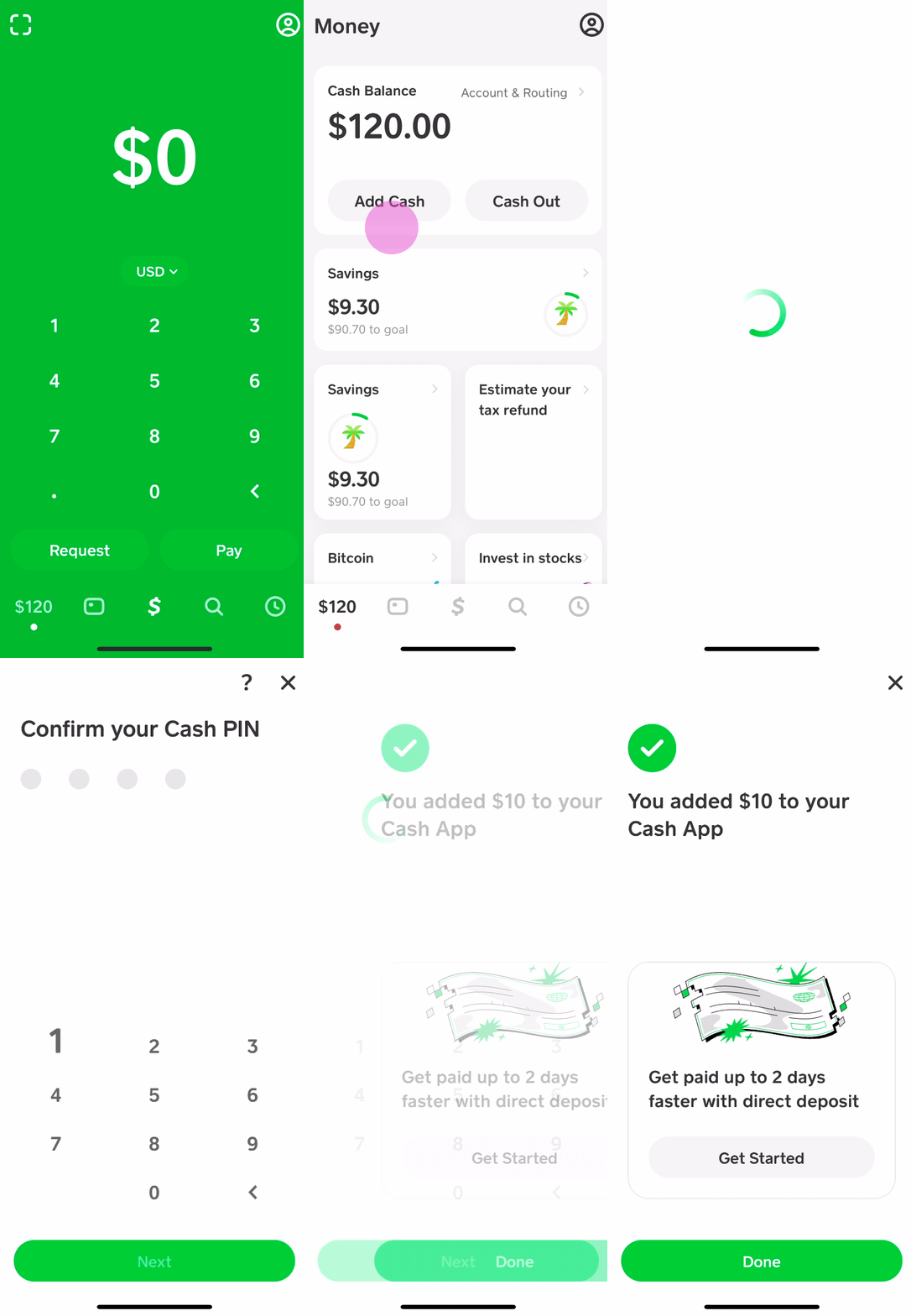
To effectively receive money on Cash App, proper account setup is paramount. This foundational step ensures that your transactions are secure, swift, and comply with regulatory standards. Initially, you’ll need to download the app and link a debit card, which serves as the primary funding source for sending money and a destination for cashing out received funds. For enhanced functionality and higher transaction limits, verifying your identity is crucial. This typically involves providing your full name, date of birth, and the last four digits of your Social Security Number (SSN). Identity verification not only increases your sending and receiving limits significantly but also enables access to advanced features like the Cash Card and direct deposit. For anyone looking to use Cash App for more than just occasional transfers, completing this verification step is non-negotiable, as it transforms the app into a more robust financial tool capable of handling larger sums and offering a wider array of services for your personal financial management.
Direct Methods for Receiving Funds
The most common and straightforward ways to get money on Cash App involve direct transfers from other users, employers, or clients. These methods form the backbone of Cash App’s utility as a personal finance management tool, providing instant access to funds for various purposes, from splitting bills to receiving wages. Understanding these direct mechanisms is crucial for anyone looking to efficiently use Cash App as a part of their financial toolkit.
Peer-to-Peer Transfers: Instant and Convenient
The cornerstone of Cash App’s offering is its peer-to-peer (P2P) payment system, which allows users to send and receive money almost instantaneously with just a few taps. To receive money from another Cash App user, you simply need to provide them with your unique username, known as a “$Cashtag,” or your linked phone number or email address. Once the sender initiates the payment, the funds typically appear in your Cash App balance within moments. This feature is invaluable for everyday financial interactions, such as splitting restaurant bills with friends, getting repaid for shared expenses, or receiving small personal transfers from family members. Its speed and simplicity make it an indispensable tool for managing day-to-day cash flow and ensuring immediate access to funds without the delays often associated with traditional banking transfers. For effective personal budgeting and quick financial settlements, P2P transfers are unmatched in their convenience.
Leveraging Direct Deposit for Regular Income
Beyond simple P2P transfers, Cash App has evolved to support direct deposit, positioning itself as a viable alternative or supplementary option to traditional bank accounts for receiving regular income. By providing your unique Cash App routing and account numbers to your employer, government benefits provider, or other paying entities, you can have your paycheck, unemployment benefits, or tax refunds directly deposited into your Cash App balance. This feature is particularly attractive for those who prefer managing their finances entirely through a mobile interface or who may not have access to traditional banking services. Direct deposits on Cash App often clear faster than some traditional bank deposits, allowing you to access your funds up to two days earlier. This can be a significant advantage for budgeting and bill payments, ensuring you have your money sooner to manage your financial obligations effectively. Leveraging direct deposit transforms Cash App from a mere payment tool into a central hub for your earned income, streamlining your financial inflows.
Receiving Payments from Businesses and Clients
For freelancers, small business owners, or individuals engaged in the gig economy, Cash App provides a convenient method for receiving payments from clients and customers. Your $Cashtag acts as a simple, memorable payment address that you can share with anyone needing to pay you. This eliminates the need for complex invoicing systems for smaller transactions or for clients who prefer a quick, direct payment method. Many online marketplaces and platforms also offer Cash App as a payout option, further solidifying its role as a versatile financial tool for independent workers. The ability to receive payments directly and quickly into your Cash App balance means you can manage earnings from various sources in one place, providing a clear overview of your income streams. This integration facilitates efficient financial tracking for self-employed individuals, simplifying the process of getting paid and managing business-related cash flow.
Exploring Additional Avenues for Earning and Savings
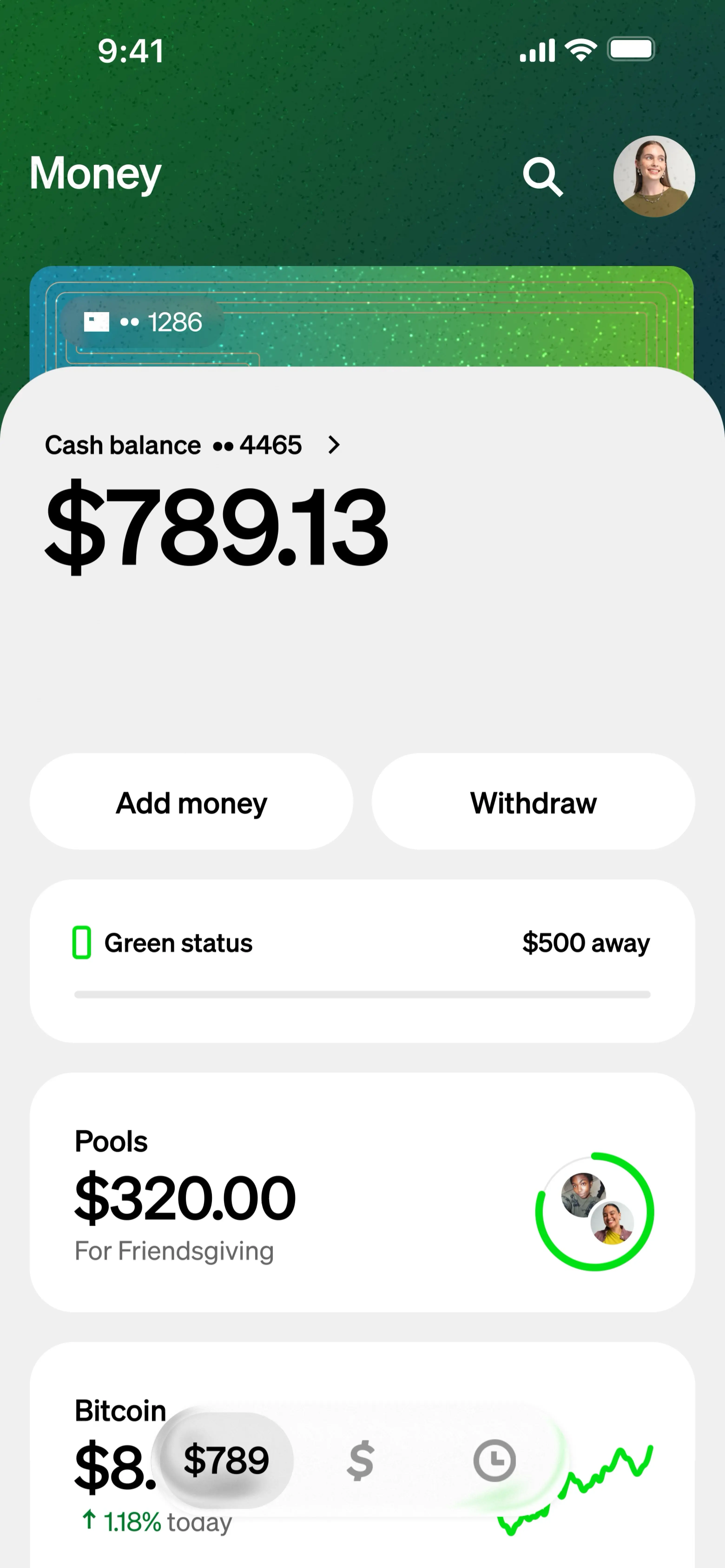
While direct transfers are the primary way to receive money, Cash App also offers features that can indirectly help users save money or even earn small amounts, enhancing its value as a financial management tool. These additional avenues tap into loyalty programs, referral incentives, and even investment opportunities, broadening the scope of how users can benefit financially from the platform.
Utilizing Cash App Boosts for Instant Savings
The Cash Card, a customizable debit card linked to your Cash App balance, comes with a unique feature called “Boosts.” Boosts are instant discounts applied directly at the point of sale when you use your Cash Card at participating merchants. These can range from a percentage off your entire purchase to a fixed dollar amount discount on specific items or services, such as coffee, groceries, or ride-sharing. While not a direct method of “getting money,” Boosts represent immediate savings on your expenditures, which is fundamentally equivalent to increasing your discretionary income. By strategically activating and utilizing relevant Boosts for your regular spending, you can effectively reduce your monthly outgoings, freeing up more money in your budget for savings, investments, or other financial goals. Regularly checking for new Boosts and tailoring your spending habits to align with available offers is a smart financial practice that maximizes the value of your Cash Card.
Referral Programs: Earn by Sharing
Like many digital platforms, Cash App offers a referral program that rewards users for introducing new individuals to the service. When you refer a friend who signs up using your unique referral code, links their bank account, and sends a qualifying amount (e.g., $5) to another Cash App user, both you and your friend receive a bonus directly into your Cash App balance. This is a straightforward method to earn a small, legitimate amount of money by simply leveraging your network. While these earnings are typically modest per referral, they can accumulate, especially if you have a wide circle of contacts interested in digital payment solutions. Participating in the referral program is a low-effort way to boost your Cash App balance, representing a legitimate side income stream that requires minimal time or specialized skills, aligning perfectly with the concept of finding simple ways to “get money.”
Investing in Stocks and Bitcoin within Cash App
Cash App has expanded its financial offerings to include simplified investment capabilities, allowing users to buy and sell fractional shares of stocks and Bitcoin directly within the app. While investing always carries inherent risks, it presents a long-term avenue for potentially growing your money. For those interested in dipping their toes into the investment world without needing to navigate complex brokerage platforms, Cash App offers a highly accessible entry point. You can invest as little as $1, making it feasible for almost anyone to start building an investment portfolio. For financially savvy individuals, allocating a portion of their Cash App balance or direct deposits towards these investments can be a strategic move to grow wealth over time. This feature transforms Cash App from purely a transaction platform into a rudimentary investment tool, offering a pathway to getting “more money” through capital appreciation, aligning with broader personal finance and wealth-building objectives.
Managing Your Funds and Ensuring Financial Security
Successfully receiving money on Cash App is only half the equation; effectively managing those funds and safeguarding them against potential threats is equally critical. As a financial tool, Cash App empowers users to take control of their digital money, but it also places a responsibility on them to practice smart financial habits and remain vigilant against scams.
Smart Fund Management: Spending, Saving, and Withdrawing
Once you’ve received money in your Cash App balance, you have several options for managing it. You can immediately spend it using your Cash Card at any merchant that accepts Visa debit cards, making it convenient for everyday purchases. For larger or longer-term financial goals, you can transfer the funds from your Cash App balance to your linked bank account. This “cashing out” process can be instant for a small fee, or standard (1-3 business days) for free. Many users also choose to keep a portion of their funds within Cash App for ongoing expenses or to take advantage of Boosts. Smart fund management on Cash App involves balancing these options – determining how much to keep for immediate use, how much to save, and when to transfer funds to external accounts for specific financial needs or to consolidate finances. Regularly reviewing your Cash App activity and integrating it into your overall budget plan ensures you are making the most of the money you receive.
Safeguarding Your Money: Essential Security Practices
The convenience of digital payments comes with a critical need for robust security measures. Protecting your money on Cash App requires vigilance and adherence to best practices. Always use a strong, unique password for your Cash App account and enable two-factor authentication (2FA) for an added layer of security. Be extremely wary of unsolicited requests for money or personal information, as phishing scams and impersonation attempts are common. Cash App will never ask for your sign-in code, PIN, or full debit card number via phone, email, or social media. Double-check the “$Cashtag” or phone number of recipients before sending money, as transactions are often irreversible. If you encounter any suspicious activity or believe your account has been compromised, immediately contact Cash App support. Proactive security measures are not just recommendations; they are essential financial practices that protect your hard-earned money and ensure the integrity of your personal finances within the digital realm.
Troubleshooting Common Payment Issues
Despite Cash App’s user-friendly design, occasional payment issues can arise. Common problems include failed transactions, delays in receiving funds, or difficulty linking bank accounts. When facing a transaction failure, first check your internet connection and ensure your linked debit card or bank account has sufficient funds or is not expired. Delays in receiving direct deposits might be due to processing times by your employer’s bank, though Cash App generally processes them quickly once received. If funds haven’t appeared in your balance as expected, verify with the sender that the payment was successfully initiated to the correct $Cashtag or contact information. For persistent issues, Cash App’s in-app support is your primary resource. Navigating to the “Support” section allows you to directly communicate with their team, who can investigate specific transaction problems or account-related concerns. Being informed about common issues and knowing how to troubleshoot them is a valuable skill in managing your digital finances, minimizing stress and ensuring you can reliably get and access your money when you need it.
In conclusion, Cash App offers a robust suite of features for individuals looking to get and manage their money efficiently in the digital age. From instant peer-to-peer transfers and reliable direct deposits for income to strategic savings through Boosts and accessible investment opportunities, the platform serves as a versatile financial tool. However, maximizing its benefits requires a proactive approach to account setup, vigilant security practices, and a clear understanding of its various functionalities. By embracing these strategies, users can confidently leverage Cash App to streamline their personal finances, enhance their financial flexibility, and contribute to their overall financial well-being.
aViewFromTheCave is a participant in the Amazon Services LLC Associates Program, an affiliate advertising program designed to provide a means for sites to earn advertising fees by advertising and linking to Amazon.com. Amazon, the Amazon logo, AmazonSupply, and the AmazonSupply logo are trademarks of Amazon.com, Inc. or its affiliates. As an Amazon Associate we earn affiliate commissions from qualifying purchases.