
Gift cards, ubiquitous in modern commerce, often represent a significant amount of pre-paid value. Whether received as a thoughtful present, earned as a reward, or purchased for personal use, these cards are essentially a form of currency tied to specific retailers or brands. Yet, many people overlook the crucial step of actively managing and verifying their gift card balances. In the realm of personal finance, this oversight can lead to forgotten funds, missed opportunities, and even financial loss. Understanding how to check gift cards isn’t just a matter of convenience; it’s a vital aspect of prudent financial management, ensuring that every dollar of your stored value is accounted for and utilized effectively.

The ability to quickly and accurately ascertain the remaining balance on a gift card empowers consumers to make informed spending decisions, prevent the unfortunate expiration of funds, and safeguard against potential fraud. This article delves into the various methods available for checking gift card balances, emphasizing the financial rationale behind each step and offering insights into best practices that integrate seamlessly into a savvy financial toolkit. From leveraging digital platforms to engaging with customer service, we will explore how proactive gift card management contributes to overall financial well-being, transforming these seemingly simple cards into a valuable, tangible asset within your personal financial portfolio.
The Financial Prudence of Understanding Your Gift Card Balances
In an era where every dollar counts, neglecting the value stored on gift cards is akin to leaving cash in an old wallet without periodically checking it. For the financially conscious individual, gift cards are not just pieces of plastic; they are liquid assets that require diligent management. Understanding their balances is a fundamental aspect of personal financial literacy, directly impacting budgeting, spending habits, and the prevention of avoidable monetary losses.
Why Verifying Gift Card Value is a Key Personal Finance Habit
Regularly verifying gift card balances serves multiple critical financial purposes. Firstly, it ensures accurate budgeting and financial planning. When you know the exact amount available on a gift card, you can incorporate that value into your spending plans, effectively reducing out-of-pocket expenses for certain purchases. This clarity prevents overspending and allows for more precise allocation of your disposable income. Imagine planning a shopping trip for household essentials; knowing you have a $50 gift card for that store allows you to adjust your cash or credit card budget accordingly, freeing up those funds for other necessities or savings goals.
Secondly, proactive verification is a powerful tool for preventing financial loss. Gift cards, unlike cash, often come with expiration dates or dormancy fees. An expired card means the complete forfeiture of its monetary value, a preventable financial setback. Dormancy fees, which typically kick in after a period of inactivity, incrementally erode the card’s value until it’s depleted. By checking balances regularly, you are alerted to these deadlines and can strategically use the card before its value diminishes or vanishes entirely. This practice safeguards your purchasing power and reinforces the principle of maximizing the return on every financial asset you possess, no matter how small. It transforms a passive piece of plastic into an active component of your financial strategy, ensuring that every dollar gifted or acquired is indeed spent wisely.
Identifying Potential Pitfalls: Hidden Fees and Expiration Dates
While gift cards offer convenience, they also come with a set of terms and conditions that can directly impact their monetary value. A critical aspect of financial diligence is understanding these potential pitfalls before they erode your asset. Hidden fees are a primary concern. These can include activation fees (though less common for recipient-received cards), service fees, or, most notably, dormancy fees. Dormancy fees, triggered after a specified period of non-use (e.g., 12-24 months), are deducted from the card’s balance on a monthly basis, slowly but surely eating away at its value. For example, a $2.50 monthly dormancy fee on a $25 gift card can render it worthless in just ten months if left unused. Identifying such fees requires a careful review of the card’s terms and conditions, often printed in fine print on the back of the card or available on the issuer’s website. Proactive balance checks reveal if these fees have started to apply, prompting immediate action to spend the remaining balance.
Equally important are expiration dates. While many states have laws regulating gift card expiration (often prohibiting them from expiring for a minimum of five years from the issue date or last reload), some promotional gift cards or those issued by smaller businesses might still carry shorter expiration periods. Additionally, specific types of cards, like those given as a refund or part of a loyalty program, may operate under different rules. A card’s expiration date represents a hard deadline after which its monetary value becomes irretrievable. Regular balance checks, particularly for cards that have been held for some time, allow you to identify impending expirations. This empowers you to prioritize the use of these cards, ensuring that their full value is extracted before it’s lost forever. Both hidden fees and expiration dates are real financial threats to the value of your gift cards, making routine balance verification an indispensable practice for protecting your financial assets.
Essential Methods for Ascertaining Gift Card Balances
The primary objective of checking a gift card is to determine its exact monetary value, a crucial step in managing your personal finances effectively. Fortunately, various methods exist, each offering a different blend of convenience and accessibility. Understanding these avenues ensures that you can always access the vital financial information you need, regardless of the card type or your current situation.
Online Portals: Your Digital Gateway to Monetary Verification
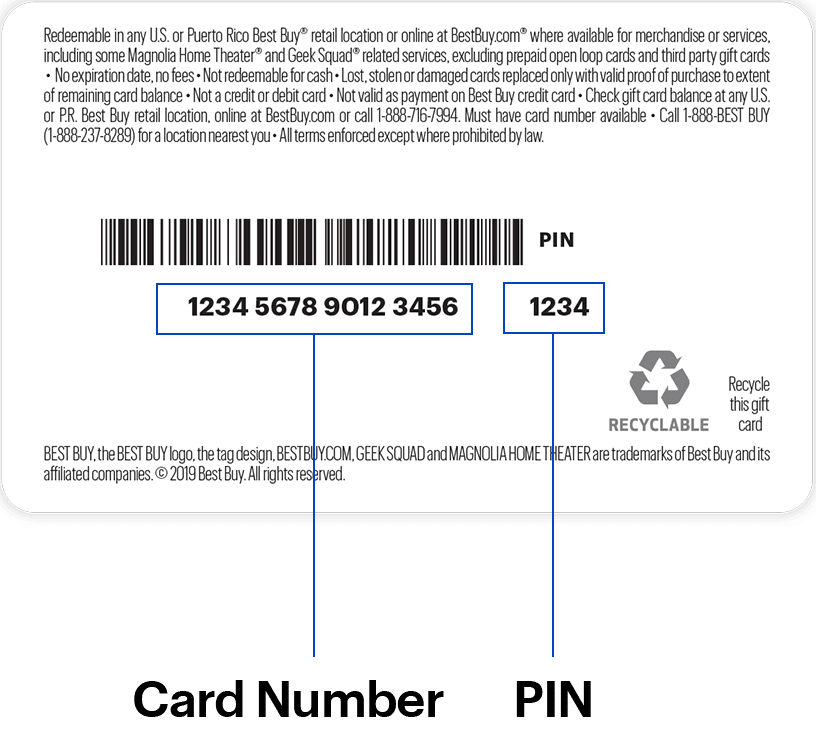
The most common and often most efficient method for checking a gift card balance is through online portals. Almost every major retailer and gift card issuer maintains a dedicated section on their website for balance inquiries. This digital gateway offers unparalleled convenience, allowing you to check balances 24/7 from anywhere with an internet connection. Typically, you will navigate to the issuer’s website, locate a “Gift Card,” “Check Balance,” or “Customer Service” section, and then enter the card number and often a PIN or security code (usually found on the back of the card, sometimes under a scratch-off strip). The immediate nature of online verification makes it ideal for financial planning on the go, allowing you to quickly determine if you have sufficient funds for an impending purchase or to track your spending. This method also provides a digital record of your inquiry, which can be useful for dispute resolution if any discrepancies arise. For consumers who prefer managing their finances digitally, online portals are the preferred, instantaneous solution for gift card valuation.
Direct Communication: Utilizing Phone Support for Balance Confirmation
While online methods are swift, some situations necessitate a more direct approach. Utilizing phone support for balance confirmation provides a human touch and can be invaluable for resolving complex issues or for those who prefer verbal interaction. Most gift card issuers provide a toll-free customer service number, often printed on the back of the card itself. When you call, you’ll typically be prompted to enter your gift card number and PIN using an automated system, or you may speak directly with a representative. This method is particularly useful if you encounter problems with the online portal, if your card lacks a visible PIN, or if you need to inquire about specific terms and conditions not readily available online, such as dormancy fee schedules or exact expiration dates. Engaging with a customer service representative can also be crucial if you suspect fraudulent activity or if a transaction did not process correctly, allowing for immediate financial investigation and resolution. Though it may take slightly longer than an online check, phone support offers a robust safety net for managing your gift card assets.
In-Store Verification: The Immediate Approach to Spending Power
For those who prefer a tangible and immediate confirmation of their spending power, in-store verification remains a reliable method. Most retailers that issue gift cards can check the balance directly at their point-of-sale (POS) systems. This is particularly convenient if you are already at the store and planning a purchase, eliminating the need for prior online or phone checks. Simply present your gift card to a cashier, and they can swipe or manually enter the card number to provide you with the current balance. This method offers several advantages: it’s instant, provides real-time accuracy right before a transaction, and allows for direct assistance if there are any issues with the card. For instance, if a card has been partially used and you’re unsure of the exact remaining amount, an in-store check provides immediate clarity. While it requires a physical visit to the store, it’s an excellent option for on-the-spot financial confirmation and decision-making, ensuring that you fully utilize your available funds without any guesswork.
Leveraging Mobile Applications for On-the-Go Financial Clarity
In an increasingly mobile-first world, many retailers and payment processors now offer mobile applications that provide another layer of convenience for managing gift cards. These apps, available on smartphones, often integrate balance checking features directly within their platforms. Users can typically add gift cards to their digital wallets or dedicated app sections by scanning the card or manually entering its details. Once added, the app can often display the current balance and transaction history, providing on-the-go financial clarity. Some advanced apps might even allow you to set spending alerts or integrate with personal finance management tools, offering a holistic view of your assets.
The benefits of using mobile applications extend beyond mere balance checking. They can serve as a digital repository for all your gift cards, reducing the risk of losing physical cards and ensuring that their monetary value is always accessible. Furthermore, many apps offer features like in-app payment, allowing you to redeem your gift card balance directly from your phone, streamlining the purchasing process. For the financially savvy individual who relies on digital tools for budgeting and tracking expenses, leveraging mobile applications for gift card management is a natural extension, transforming these cards into easily trackable and spendable digital assets within their broader financial ecosystem.
Protecting Your Investment: Safeguarding Gift Card Value
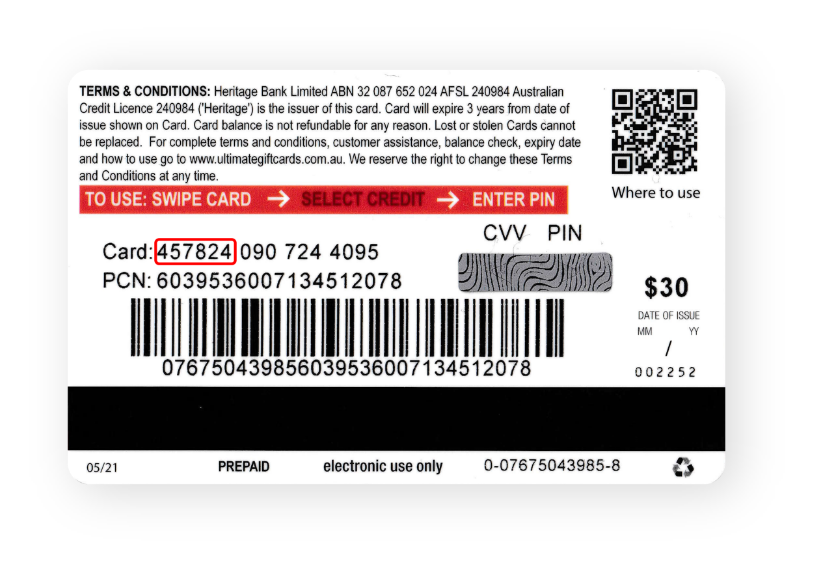
Gift cards, like any other financial asset, are susceptible to risks such as unauthorized use and fraud. Protecting the value stored on these cards is a crucial aspect of personal financial security. Understanding the mechanisms that safeguard your funds and the steps to take when issues arise can prevent significant monetary loss and ensure your gift cards remain a valuable part of your financial toolkit.
Understanding Card Details: PINs and Security Codes as Financial Gatekeepers
The primary security features on most gift cards are the Personal Identification Number (PIN) and various security codes. These elements act as financial gatekeepers, protecting the card’s balance from unauthorized access. A PIN, often a 4-digit number, functions much like a debit card PIN. It’s typically required for online transactions or when checking balances via phone or online portals. For physical cards, the PIN is frequently located on the back, hidden under a scratch-off metallic strip to prevent it from being easily compromised. Once scratched off, the PIN becomes visible, and it’s imperative to keep this number confidential.
In addition to PINs, some cards may feature other security codes, such as a CVV (Card Verification Value) or a unique serial number that might be requested for verification. The purpose of these codes is to confirm that the person attempting to use or check the card is the legitimate holder. For reloadable cards, these security measures are even more critical, as they protect a potentially larger and replenishable sum of money. Losing or exposing your card’s PIN or security codes is akin to giving away access to your bank account; it leaves your stored value vulnerable. Therefore, exercising extreme caution with these details—keeping them private and only revealing them on secure, verified platforms—is paramount to safeguarding your financial asset.
Mitigating the Risk of Fraud and Scams
The prevalence of gift cards has unfortunately made them a target for various fraud and scam attempts, which can result in the complete loss of your card’s value. From phishing emails disguised as legitimate offers to elaborate phone scams demanding payment via gift cards, the methods are diverse. A common scam involves fraudsters asking you to purchase gift cards and then share the card numbers and PINs over the phone or email. Always remember: legitimate businesses, government agencies (like the IRS), and law enforcement will never ask for payment in the form of gift cards. Recognizing this fundamental rule is your first line of defense.
Another insidious form of fraud involves tampering with physical gift cards in retail stores. Scammers may surreptitiously copy card numbers and PINs before the cards are purchased, then periodically check the balance online. Once the card is activated and loaded with funds, they quickly drain the value. To mitigate this risk, always inspect gift cards before purchasing them. Look for any signs of tampering, such as peeled-off stickers over the PIN or damaged packaging. When receiving gift cards, especially if they are purchased online, ensure they come from reputable sources. If you suspect any fraudulent activity related to your gift card, report it immediately to the issuer and, if necessary, to law enforcement. Proactive vigilance and skepticism towards unsolicited requests for gift card information are vital for protecting your monetary assets against sophisticated scam tactics.
Handling Lost or Stolen Gift Cards: Steps to Minimize Financial Loss
Losing a gift card or having it stolen can feel like losing cash, as its monetary value is directly impacted. However, unlike cash, there are often steps you can take to minimize financial loss if you act quickly. The crucial first step is to report the loss or theft to the card issuer immediately. Many major retailers have policies for replacing lost or stolen cards, especially if you have proof of purchase (a receipt) and the card’s original number. Without the card number, recovery becomes significantly more challenging, if not impossible. Therefore, it’s a wise financial practice to record the gift card number and PIN (once activated, if applicable) immediately upon receipt, storing this information securely separate from the card itself.
When reporting, provide all available details: the card number, the approximate balance, the date of purchase or activation, and where it was acquired. The issuer may be able to freeze the remaining balance, preventing further unauthorized use, and then issue a replacement card with the remaining funds. However, it’s important to understand that not all gift cards offer this protection. Open-loop cards (like Visa, Mastercard, American Express gift cards) often have more robust protection policies, similar to credit cards, if they are registered to a specific individual. Store-specific cards may have varying policies, sometimes offering replacement only with proof of purchase. The quicker you report, the higher the chance of recovery. Proactive record-keeping and swift action are your best allies in safeguarding your gift card investment against unforeseen loss or theft, turning a potential total loss into a recoverable asset.
Maximizing the Value of Your Gift Cards: A Financial Strategy
Beyond simply checking balances, a strategic approach to managing gift cards can significantly enhance their value within your personal financial framework. This involves not only understanding their mechanics but also adopting practices that ensure every cent is utilized effectively, preventing waste and even potentially generating additional financial benefit.
Proactive Verification: Checking Balances Immediately Upon Receipt
The moment a gift card enters your possession, it becomes a financial asset. Therefore, a key financial strategy is proactive verification: checking balances immediately upon receipt. This immediate action serves several critical purposes. Firstly, it confirms the card’s active status and loaded value, ensuring that the gift giver’s intention has been fully realized. Occasionally, cards may not be properly activated at the point of sale or may be loaded with an incorrect amount. An immediate check can identify these discrepancies, allowing you to address them promptly with the issuer or point of purchase, avoiding future frustration and potential financial dispute.
Secondly, immediate verification helps to prevent dormancy fees or early expiration. While many laws protect consumers against rapid expiration, understanding the specific terms of your card from the outset is crucial. Knowing the exact balance and any associated conditions enables you to incorporate the card into your spending plans without delay, maximizing its utility. This habit also reduces the likelihood of the card being misplaced or forgotten for extended periods, mitigating the risk of its value being eroded by fees or rendered useless by an expiration date you were unaware of. Viewing gift cards as immediate, usable currency encourages financial mindfulness and discourages procrastination, which can be costly in the long run.
Strategic Spending: Utilizing Full Balances and Understanding Terms
Effective gift card management extends beyond verification to include strategic spending. The goal is to utilize the full balance of a card, avoiding the common pitfall of leaving small, unusable amounts behind. These “orphan balances” can accumulate across multiple cards, representing a significant cumulative financial loss. One strategy is to use the card for a purchase that is slightly more than its value, then pay the remaining small difference with another payment method. This ensures the card’s balance is completely depleted, maximizing its utility.
Furthermore, understanding the specific terms and conditions associated with each gift card is vital for strategic spending. For instance, some cards might be restricted to certain departments or types of merchandise within a store. Others might have limitations on combining with other promotions or discounts. Being aware of these nuances prevents scenarios where you attempt to use a card only to find it’s inapplicable, potentially leading to an impulse purchase that deviates from your financial plan. For restaurant gift cards, strategically using them for a meal where the bill closely matches the card’s value prevents awkward small residuals. For online cards, ensure they can be fully redeemed without minimum purchase requirements that could force unnecessary spending. By adopting a mindset of maximizing every card’s utility and meticulously reviewing its terms, you transform gift cards from simple presents into integral components of a well-orchestrated financial strategy.
The Secondary Market: Selling Unwanted Gift Cards for Cash
Sometimes, despite best intentions, a gift card is received for a retailer you rarely frequent or a product category you don’t need. Holding onto such a card means tying up its monetary value in an asset you won’t use, which goes against sound financial principles. This is where the secondary market for gift cards becomes a valuable financial tool. Various online platforms and kiosks specialize in buying unwanted gift cards for cash, typically offering a percentage of the card’s face value. While you won’t receive 100% of the value (the buyer needs to make a profit), converting an unused gift card into liquid cash offers significant financial benefits.
This strategy allows you to monetize unused assets, transforming a potentially forgotten or unwanted gift into usable funds that can be directed towards your actual financial priorities – whether that’s paying down debt, bolstering savings, or making a desired purchase elsewhere. For example, a $100 gift card to a clothing store you never shop at might be sold for $75 cash. That $75 is far more valuable to your personal finance than a $100 card gathering dust in a drawer. The process usually involves verifying the card’s balance (using the methods discussed earlier), submitting its details to a secondary market platform, and receiving an offer. Once accepted, you mail the card or provide its digital details, and payment is issued. This innovative approach to gift card management turns a potential liability (unused funds) into a genuine financial gain, aligning perfectly with the goal of optimizing every aspect of your personal financial landscape.
Conclusion: Integrating Gift Card Management into Your Financial Toolkit
Gift cards, when managed with financial foresight, are more than just tokens; they are a direct extension of your personal financial portfolio. The simple act of knowing “how to check gift cards” evolves into a comprehensive strategy for protecting assets, preventing monetary loss, and maximizing spending power. By embracing proactive verification, understanding the nuances of expiration dates and potential fees, and leveraging a variety of checking methods, you transform passive pieces of plastic into active components of your financial well-being.
Furthermore, adopting strategic spending habits, safeguarding against fraud, and even exploring the secondary market for unwanted cards ensures that no monetary value is left unrealized. In an economic climate where every dollar counts, incorporating robust gift card management into your routine is not merely a convenience but a cornerstone of savvy personal finance. It reflects a deeper commitment to financial literacy, demonstrating that diligent attention to even the smallest financial details contributes significantly to overall monetary health and security.
aViewFromTheCave is a participant in the Amazon Services LLC Associates Program, an affiliate advertising program designed to provide a means for sites to earn advertising fees by advertising and linking to Amazon.com. Amazon, the Amazon logo, AmazonSupply, and the AmazonSupply logo are trademarks of Amazon.com, Inc. or its affiliates. As an Amazon Associate we earn affiliate commissions from qualifying purchases.