
For many taxpayers, the annual filing season is more than just a regulatory obligation; it is an opportunity to reclaim a significant portion of their hard-earned capital. A tax refund is essentially an interest-free loan you have provided to the government throughout the fiscal year. Maximizing that refund requires a blend of meticulous record-keeping, strategic financial planning, and a deep understanding of the current tax code. To move beyond a standard return and secure the maximum refund possible, one must look at the tax landscape through the lens of both deductions and credits, ensuring that every eligible dollar is accounted for.
Decoding the Difference: Tax Deductions vs. Tax Credits
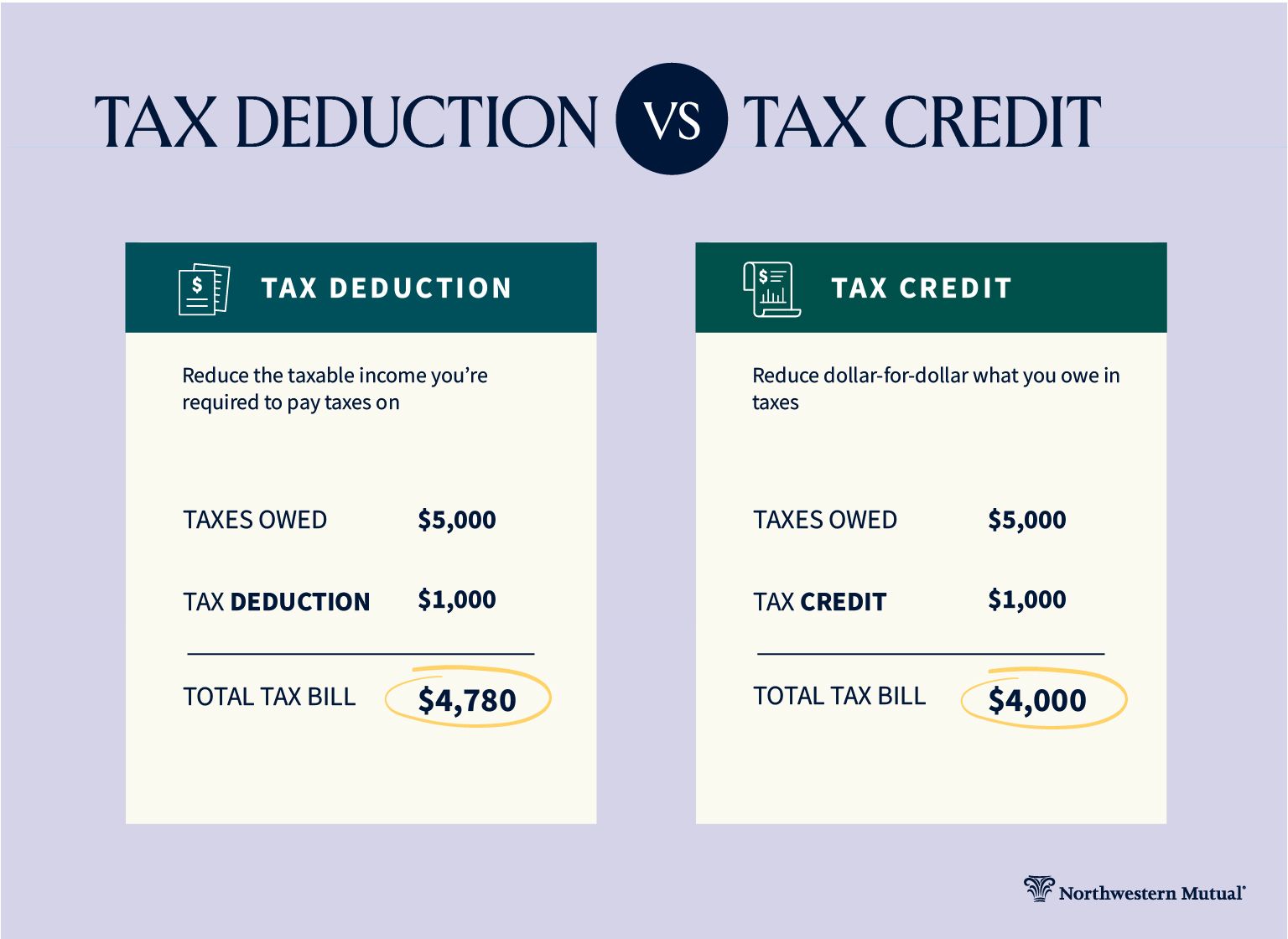
The first step in optimizing your tax return is understanding the fundamental mechanics of how your liability is calculated. While the terms “deduction” and “credit” are often used interchangeably in casual conversation, they function very differently within the Internal Revenue Service (IRS) framework. Distinguishing between the two is the cornerstone of any high-impact tax strategy.
The Power of Tax Credits
Tax credits are the most potent tools in your arsenal because they provide a dollar-for-dollar reduction of your actual tax bill. If you owe $5,000 in taxes and qualify for a $2,000 credit, your liability drops directly to $3,000. Furthermore, some credits are “refundable,” meaning that if the credit reduces your tax liability below zero, the government will actually pay you the difference.
Key credits to investigate include the Earned Income Tax Credit (EITC), which is designed for low-to-moderate-income working individuals and families. The Child Tax Credit (CTC) is another heavy hitter, offering significant relief for parents. For those pursuing higher education, the American Opportunity Tax Credit (AOTC) and the Lifetime Learning Credit (LLC) can offset the high costs of tuition and fees. Identifying these credits early in the process is essential, as they often have specific eligibility requirements regarding income thresholds and filing status.
Mastering Deductions
In contrast to credits, tax deductions work by reducing your taxable income. If you are in the 22% tax bracket, a $1,000 deduction saves you $220 in taxes. The most significant decision most taxpayers face is whether to take the standard deduction or to itemize.
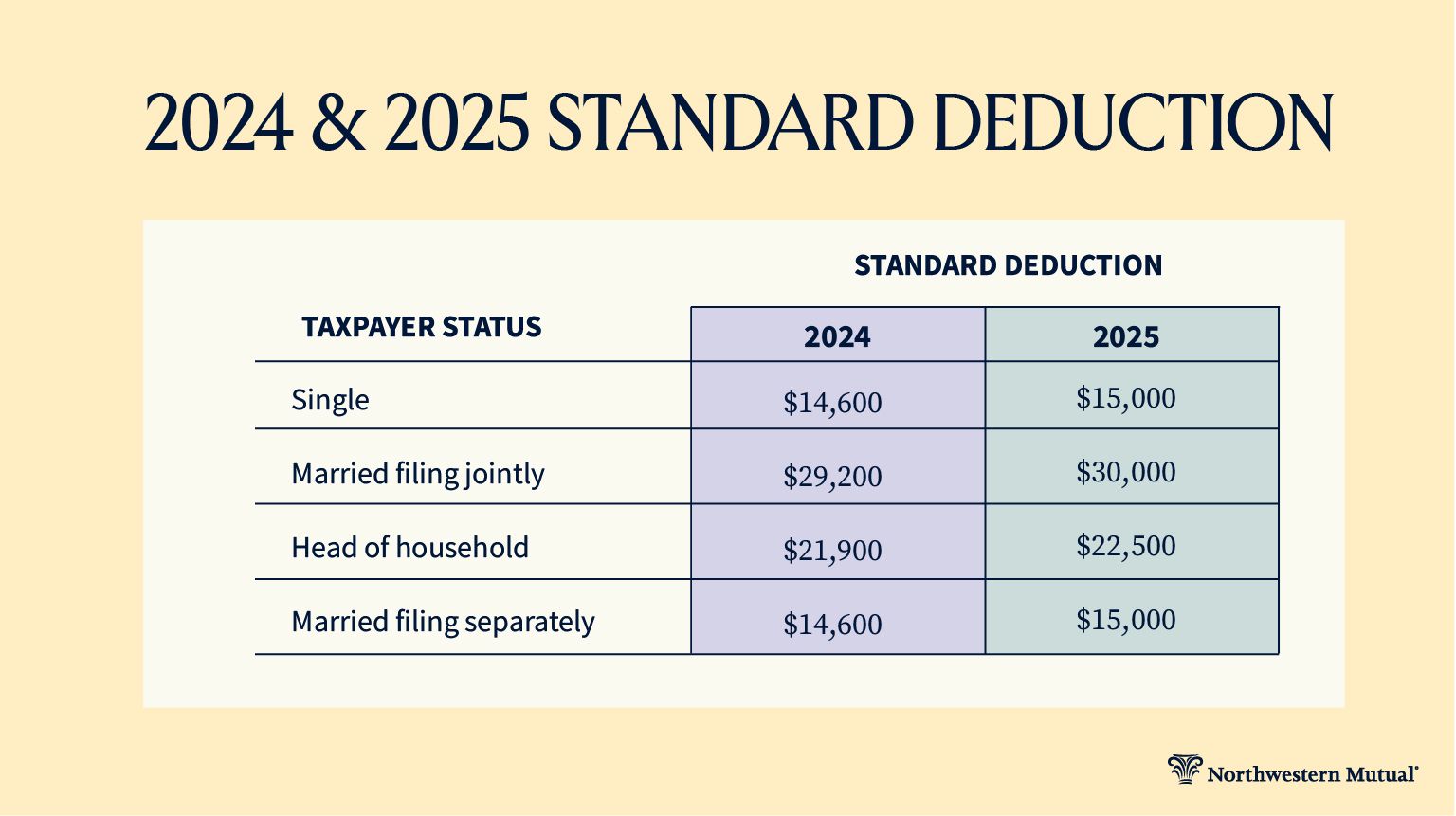
The standard deduction is a flat dollar amount that reduces the income on which you’re taxed. Since the Tax Cuts and Jobs Act of 2017, the standard deduction has nearly doubled, making it the most beneficial path for the majority of filers. However, for those with significant mortgage interest, large charitable contributions, or substantial medical expenses, itemizing on Schedule A may result in a lower tax bill. To maximize your refund, you must calculate both scenarios. If your total itemized deductions exceed the standard deduction threshold for your filing status, itemizing is the clear choice for boosting your refund.
Strategic Contributions: Lowering Your Taxable Income
One of the most effective ways to increase a tax refund is to lower your Adjusted Gross Income (AGI). By reducing the total amount of income the IRS considers taxable, you effectively lower your tax bracket or increase your eligibility for certain phase-out credits.
Retirement Accounts: The Immediate Benefit
Contributions to “pre-tax” retirement accounts are among the most efficient ways to shield income from taxation. For employees, contributing to a traditional 401(k) or 403(b) reduces taxable wages reported on your W-2. If your employer offers a match, this is essentially a 100% return on investment before tax benefits are even considered.
For those without employer-sponsored plans, or those looking to supplement them, a Traditional Individual Retirement Account (IRA) offers similar benefits. Depending on your income and whether you or your spouse are covered by a retirement plan at work, contributions to a Traditional IRA may be fully or partially deductible. By contributing the maximum allowed amount before the filing deadline (typically April 15 of the following year), you can retroactively lower your previous year’s taxable income, often triggering a larger refund.
The Health Savings Account (HSA) Advantage
The Health Savings Account (HSA) is frequently cited by financial experts as the ultimate tax-advantaged vehicle. To qualify, you must be enrolled in a High Deductible Health Plan (HDHP). The HSA offers a “triple tax advantage”: contributions are tax-deductible (or pre-tax via payroll), the funds grow tax-free, and withdrawals for qualified medical expenses are tax-free.
Unlike a Flexible Spending Account (FSA), HSA funds roll over year after year. By maximizing your HSA contribution, you reduce your AGI dollar-for-dollar. For a taxpayer in a high bracket, this can result in hundreds, if not thousands, of dollars in tax savings. Even if you do not anticipate high medical costs this year, using the HSA as a long-term investment vehicle while reaping the immediate tax deduction is a sophisticated move for maximizing a refund.
Maximizing Business and Freelance Expenses
With the rise of the “gig economy” and remote work, more individuals are navigating the complexities of self-employment income. Whether you have a full-time business or a side hustle, every legitimate business expense is a deduction that can lower your tax liability and increase your potential refund.
The Home Office Deduction
The home office deduction is one of the most misunderstood yet valuable deductions for the self-employed. If you use a portion of your home exclusively and regularly for business, you can deduct a percentage of your mortgage interest, rent, utilities, insurance, and repairs.
Taxpayers can choose between the simplified method ($5 per square foot up to 300 square feet) or the actual expense method. While the simplified method is easier to document, the actual expense method often yields a higher deduction in high-cost-of-living areas. It is crucial to maintain meticulous records, including floor plans and utility bills, to defend this deduction in the event of an inquiry. Note that this deduction is currently unavailable for W-2 employees, even those working remotely.
Vehicle and Travel Expenses
If you use your vehicle for business purposes—excluding your daily commute—you are eligible for significant deductions. You can track actual expenses (gas, oil changes, tires, insurance, and depreciation) or use the IRS standard mileage rate, which is adjusted annually to reflect economic conditions. For many, the standard mileage rate provides a larger deduction with significantly less administrative burden.
Additionally, travel for business, including lodging and 50% of business meals, is deductible. The key to maximizing these refunds is contemporaneous record-keeping. Using digital tracking apps to log every business mile and scanning every receipt ensures that you don’t leave money on the table when filing season arrives.
Family and Education Benefits
The tax code provides numerous incentives for those supporting dependents or investing in their future through education. These benefits are often structured as credits, making them highly valuable for refund maximization.
Child and Dependent Care Credits
Raising children is expensive, and the IRS offers some relief through the Child and Dependent Care Credit. This credit is designed to help working parents cover the costs of daycare, after-school programs, or even summer day camps. Unlike the Child Tax Credit, which is based on the existence of a dependent, this credit is based on actual expenditures.
To claim this, you must provide the Taxpayer Identification Number (usually a Social Security Number or EIN) of the care provider. By staying organized and tracking these costs throughout the year, you can secure a credit that accounts for a significant percentage of your caregiving expenses, directly boosting your refund.
Education Credits: AOTC and LLC
Education is another area where the tax code is generous. The American Opportunity Tax Credit (AOTC) allows you to claim up to $2,500 per eligible student for the first four years of higher education. Perhaps most importantly, 40% of this credit is refundable.
If you are past your first four years of college or are taking courses to improve job skills, the Lifetime Learning Credit (LLC) offers up to $2,000 per tax return. While the LLC is non-refundable, it can still eliminate your tax liability, allowing other refundable credits to result in a larger check from the IRS. Always ensure you receive Form 1098-T from the educational institution to substantiate these claims.
Year-End Tactics and Professional Best Practices
The most successful taxpayers do not wait until April to think about their refund; they engage in proactive “tax-loss harvesting” and strategic timing of income and expenses as the year draws to a close.
Harvesting Capital Losses
If you have invested in the stock market and hold assets that have declined in value, you can use “tax-loss harvesting” to your advantage. By selling underperforming assets, you can use those losses to offset capital gains. If your losses exceed your gains, you can use up to $3,000 of the excess loss to offset your ordinary income. This directly reduces your AGI and can move you into a lower tax bracket, substantially increasing your refund.

Avoiding Common Filing Errors
Finally, the fastest way to diminish a refund is through errors that trigger delays or audits. Filing electronically is the gold standard; it reduces the error rate from approximately 20% (for paper returns) to less than 1%. Furthermore, opting for direct deposit is the most secure and efficient way to receive your funds.
Double-checking Social Security numbers, ensuring your filing status is correct (for example, qualifying as Head of Household instead of Single can provide a larger standard deduction), and reporting all income from 1099 and W-2 forms is essential. Missing even a small amount of reported income can lead to automated IRS notices that freeze your refund for months.
By combining disciplined saving in tax-advantaged accounts, aggressive pursuit of eligible credits, and meticulous documentation of business expenses, you can navigate the tax code to your advantage. A maximum refund is not an accident; it is the result of a calculated, year-round approach to personal finance and tax strategy.
aViewFromTheCave is a participant in the Amazon Services LLC Associates Program, an affiliate advertising program designed to provide a means for sites to earn advertising fees by advertising and linking to Amazon.com. Amazon, the Amazon logo, AmazonSupply, and the AmazonSupply logo are trademarks of Amazon.com, Inc. or its affiliates. As an Amazon Associate we earn affiliate commissions from qualifying purchases.