
The television landscape has undergone a seismic shift, fundamentally altering how audiences consume content. For decades, cable subscriptions were the undisputed gateway to live television, delivering a seemingly endless array of channels directly into homes. However, the advent of high-speed internet, coupled with rapid advancements in streaming technology, has ushered in a “cord-cutting” revolution. This paradigm shift offers consumers unprecedented flexibility, cost savings, and a personalized viewing experience that traditional cable models struggle to match. This guide delves into the technological backbone and practical applications for accessing live television without the constraints of a cable contract, empowering you to build a robust, future-proof entertainment system.
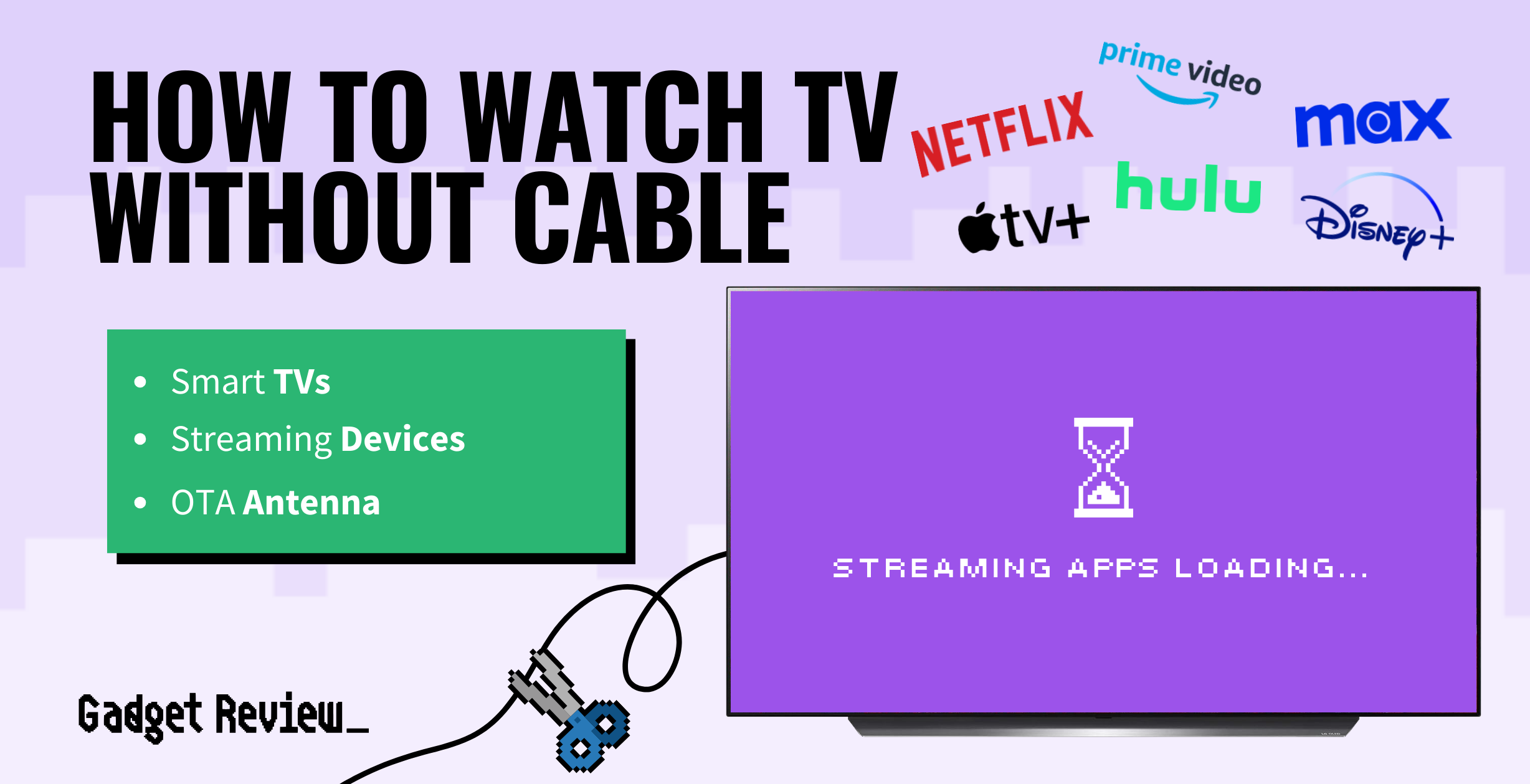
The Cord-Cutting Phenomenon: A Digital Shift
The exodus from traditional cable is more than just a trend; it’s a fundamental re-evaluation of media consumption driven by technological innovation and evolving consumer expectations. Understanding the forces behind this shift is crucial for appreciating the solutions available today.
The Limitations of Traditional Cable
For years, cable packages were characterized by their inflexibility, often forcing subscribers to pay for hundreds of channels they never watched. Bundling strategies meant consumers had little choice but to accept inflated prices for a curated, static lineup. The technology itself was often proprietary, requiring specific set-top boxes and complicated wiring, leading to a less than intuitive user experience. Furthermore, the rise of on-demand content platforms highlighted cable’s comparative rigidity, with its linear programming schedule failing to meet the demand for immediate access. Technical limitations in older infrastructure also meant a slower pace of innovation in areas like user interfaces, search capabilities, and cross-device compatibility.
The Rise of High-Speed Internet and Streaming Technology
The proliferation of high-speed broadband internet has been the primary enabler of cord-cutting. Stable, fast internet connections (fiber optic, cable, and even advanced 5G wireless) provide the necessary bandwidth for streaming high-definition and even 4K video seamlessly. This underlying infrastructure paved the way for sophisticated streaming protocols and content delivery networks (CDNs) that efficiently transmit live and on-demand video data to millions of devices simultaneously. Concurrent advancements in video compression technologies (like HEVC/H.265) further reduced bandwidth requirements without sacrificing visual quality, making high-quality streaming accessible to a wider audience. The transition from analog to digital broadcasting also laid the groundwork for internet-based distribution, decoupling content from physical cables and making it an IP-based service.
Customization and On-Demand Culture
Modern consumers demand control and personalization. Streaming technology inherently supports this by allowing users to select individual services, build their own channel lineups, and access content whenever and wherever they choose. The user interfaces of streaming platforms are designed for discovery, offering personalized recommendations driven by sophisticated algorithms. Features like cloud DVRs provide the convenience of recording and time-shifting, but with the added flexibility of accessing recordings from any compatible device, rather than being tethered to a physical DVR unit. This shift towards a “build-your-own” entertainment ecosystem is a direct response to the technological capabilities that empower user choice over restrictive, pre-packaged options.
Navigating the Landscape of Live TV Streaming Services
The core of replacing cable lies in understanding and utilizing the diverse array of live TV streaming services available. These digital platforms leverage internet protocol (IP) to deliver linear television channels, mimicking the traditional cable experience but with enhanced flexibility and often a more refined technical implementation.
Live TV Streaming Services (vMVPDs)
Virtual Multichannel Video Programming Distributors (vMVPDs) are subscription services that offer bundles of live channels over the internet. These services are essentially digital cable replacements, providing access to major broadcast networks, cable channels, and often regional sports networks. Key players in this space include:
- Sling TV: Known for its customizable packages (“Orange” for sports/family, “Blue” for news/entertainment) and a lower entry price point, Sling TV leverages a modular approach to channel bundling, giving users more granular control over their subscriptions. Its technical architecture prioritizes efficiency, making it a viable option for those with moderately fast internet connections.
- Hulu + Live TV: Integrates Hulu’s extensive on-demand library with a broad selection of live channels. Its unified interface provides a seamless transition between live broadcasts and its vast catalog of shows and movies. The service often includes advanced features like unlimited cloud DVR and multiple simultaneous streams, backed by robust CDN infrastructure to handle peak viewing times.
- YouTube TV: Offers a comprehensive channel lineup, unlimited cloud DVR storage for up to nine months, and a clean, intuitive interface that benefits from Google’s extensive UI/UX design expertise. Its integration with the broader YouTube ecosystem and strong multi-device support makes it a powerful contender.
- FuboTV: Originally focused on sports, FuboTV has expanded its general entertainment offerings while maintaining a strong emphasis on live sports. It stands out for its extensive 4K streaming capabilities for select events and advanced features like “Start Over” and “Lookback,” leveraging high-fidelity video codecs and efficient streaming protocols.
- DirecTV Stream: Positioned as a premium option, DirecTV Stream offers various packages, including those with regional sports networks that can be difficult to find elsewhere. Its technology supports a higher number of concurrent streams and often targets users seeking a comprehensive channel lineup similar to traditional cable, but delivered via IP.
These services generally support a wide array of streaming devices, from smart TVs to mobile phones, and feature integrated cloud DVR functionalities that store recordings on remote servers, accessible from anywhere.
Free Ad-Supported TV (FAST) Services
For those looking to supplement their live TV experience or seeking entirely free options, FAST services have emerged as a significant segment. These platforms deliver linear channels and on-demand content at no cost, monetized through advertising breaks. They operate by curating vast libraries of licensed content and packaging it into themed channels, which are then streamed to users.
- Pluto TV: Owned by Paramount Global, Pluto TV offers hundreds of live channels covering movies, TV shows, news, sports, and more. Its strength lies in its diverse content library and simple, no-signup interface. The technical backend manages a complex ad insertion system to seamlessly integrate commercials into the live stream.
- Tubi: A Fox Corporation subsidiary, Tubi provides a large collection of movies and TV series, with a growing number of live channels. Its technology focuses on a personalized discovery engine, guiding users through its extensive catalog based on viewing habits.
- The Roku Channel: While primarily a platform for Roku device owners, The Roku Channel is also accessible via web browsers and other devices. It features a mix of live channels and a substantial on-demand library, often including Roku Originals.
- Plex: Beyond its capabilities as a media server, Plex also offers a robust free live TV service with hundreds of channels and a large on-demand library, integrating seamlessly into its existing user interface.
These services typically utilize sophisticated ad-serving technologies that can target commercials based on user demographics or viewing patterns, maximizing revenue while providing free access to content.
Niche and Standalone Live Channels/Apps
Many individual networks and content providers also offer their own standalone apps that include live streaming capabilities, often requiring a separate subscription or sometimes included with a vMVPD login. Examples include:
- Paramount+: Offers live streams of local CBS stations, CBS News, and dedicated sports channels (e.g., UEFA Champions League) alongside its extensive on-demand library.
- Peacock: Provides access to live NBC programming, sports (e.g., Premier League), and news.
- ESPN+: Exclusively streams thousands of live sports events and original programming that are not available on ESPN’s linear channels.
These apps leverage dedicated content delivery networks and often incorporate advanced streaming features specific to their content, such as interactive overlays for sports statistics or real-time news updates.
Essential Hardware for a Robust Cord-Cutting Setup

While the services are software-based, the quality of your live TV experience without cable heavily relies on the physical hardware enabling it. A thoughtful selection of devices ensures smooth streaming, optimal resolution, and a user-friendly interface.
Streaming Devices: Smart TVs, Sticks, Boxes
These devices are the interface between your internet connection and your TV screen, running the apps that deliver live TV.
- Smart TVs: Many modern televisions come with integrated streaming platforms (e.g., Roku TV, WebOS, Tizen, Android TV). These eliminate the need for an external device, simplifying the setup. Their embedded processors and Wi-Fi modules are designed to handle streaming tasks, with some offering advanced features like voice control and direct app access.
- Streaming Sticks (e.g., Amazon Fire TV Stick, Roku Streaming Stick): Compact and affordable, these devices plug directly into an HDMI port. They are powered via USB and offer full access to app ecosystems. Their internal processors and Wi-Fi antennas are optimized for streaming efficiency in a small form factor.
- Streaming Boxes (e.g., Apple TV 4K, Nvidia Shield TV Pro, Roku Ultra): More powerful and feature-rich, these typically offer faster processors, greater storage, Ethernet ports for wired connections, and enhanced video/audio capabilities (e.g., Dolby Vision, Dolby Atmos). They provide a more robust and responsive user experience, particularly for 4K content and gaming.
- Google Chromecast with Google TV: Blends the casting functionality of traditional Chromecast with a full user interface and remote control, offering an intuitive Android TV experience.
Choosing a device often comes down to ecosystem preference (Apple, Google, Amazon, Roku) and the required processing power for desired resolutions and app responsiveness.
Antennas: Over-the-Air (OTA) for Local Channels
For access to major broadcast networks (ABC, CBS, FOX, NBC, PBS, The CW) in high definition, an Over-the-Air (OTA) antenna is a highly effective and free solution. These antennas capture digital signals transmitted by local TV stations.
- Types: Indoor (flat or multi-directional), outdoor (directional or omni-directional), and attic antennas exist, each with varying signal reception capabilities. The choice depends on distance from broadcast towers and local terrain.
- Technology: Modern OTA antennas are designed to receive digital terrestrial television (DTT) signals, which are highly compressed and broadcast in HD.
- Accessories: Signal amplifiers can boost weak signals, while digital tuners (often built into modern TVs) convert the digital signal into a viewable picture.
- OTA DVRs (e.g., Tablo, HDHomeRun): These advanced devices connect to your antenna and home network, allowing you to record live OTA broadcasts, pause live TV, and stream local channels to multiple devices around your home or even remotely. They typically feature dual or quad tuners and connect to external storage for recordings, transforming an antenna into a comprehensive local TV solution.
Network Infrastructure: Routers and Modems
Your home network is the conduit for all streaming content. A robust and reliable setup is paramount.
- Modem: The device that translates internet signals from your Internet Service Provider (ISP) into a usable format for your home network. Ensure your modem is compatible with your ISP’s technology (e.g., DOCSIS 3.1 for cable, ONT for fiber) and supports the speed tier you subscribe to.
- Router: Distributes the internet signal to your devices via Wi-Fi or Ethernet.
- Wi-Fi Standards: Invest in a modern router supporting Wi-Fi 6 (802.11ax) or Wi-Fi 6E/7 for optimal speed, efficiency, and reduced latency, especially in environments with many connected devices.
- Mesh Wi-Fi Systems: For larger homes or those with dead spots, mesh networks extend Wi-Fi coverage uniformly, eliminating signal drops and ensuring consistent bandwidth for streaming.
- Ethernet: Whenever possible, connect streaming devices directly to your router via Ethernet cables. A wired connection eliminates wireless interference, provides maximum bandwidth, and guarantees the lowest latency, which is critical for live streaming.
Optimizing Your Internet Connection for Flawless Live TV
Even with the best streaming services and hardware, a suboptimal internet connection can severely degrade your live TV experience. Understanding and optimizing your network is a critical technical step.
Understanding Bandwidth Requirements for Streaming
Different resolutions and streaming qualities demand varying levels of bandwidth.
- Standard Definition (SD): Typically requires 1-3 Mbps.
- High Definition (HD) 720p/1080p: Generally needs 5-8 Mbps per stream.
- Ultra High Definition (4K UHD): Demands 20-25 Mbps per stream for a smooth experience.
When multiple devices are streaming simultaneously, these requirements multiply. A general recommendation for a household with multiple streamers and other internet users is an ISP plan offering at least 100-200 Mbps download speeds, providing ample overhead.
Ensuring Network Stability and Speed
Consistent internet speed is more important than peak speed for streaming.
- ISP Speed Tier: Verify your ISP plan provides adequate speed for your household’s streaming habits.
- Router Placement: Position your Wi-Fi router centrally and away from obstructions (walls, large appliances) or sources of interference (microwaves, cordless phones).
- Firmware Updates: Regularly update your router’s firmware. Manufacturers often release updates that improve performance, security, and stability.
- Channel Interference: Wi-Fi networks operate on specific channels. In congested areas (e.g., apartment buildings), other networks can interfere. Most modern routers can automatically select optimal channels, but manual adjustment to a less congested channel (using Wi-Fi analyzer apps) can improve performance.
- QoS (Quality of Service): Many routers offer QoS settings, allowing you to prioritize network traffic. Configuring QoS to prioritize streaming applications (like YouTube TV or Hulu + Live TV) ensures that bandwidth is allocated preferentially to your live TV, even when other devices are performing bandwidth-intensive tasks like large downloads.
Utilizing Quality of Service (QoS) Settings
QoS is a networking feature found in most mid-range to high-end routers that allows network administrators (you) to manage and prioritize specific types of data traffic. For live TV streaming, QoS can be invaluable:
- Prioritization: You can set rules that give streaming video traffic a higher priority than, for example, large file downloads or online gaming (unless the gaming is critical). This ensures that your live TV stream receives sufficient bandwidth and suffers less from buffering or quality degradation when network congestion occurs.
- Bandwidth Control: Some QoS implementations allow you to reserve a certain amount of bandwidth for specific applications or devices, guaranteeing that your main streaming device always has enough resources.
Consult your router’s manual or interface for instructions on how to access and configure QoS settings, as the process can vary between manufacturers. Properly configured QoS ensures a smoother, more reliable live TV experience, especially in multi-user home environments.
Advanced Tech & Future Trends in Live TV Without Cable
The trajectory of live TV without cable is one of continuous technological evolution, driven by consumer demand for greater flexibility, personalization, and advanced viewing experiences.
Cloud DVR Capabilities and Time-Shifting
The cloud DVR (cDVR) is a cornerstone technology for modern live TV streaming. Unlike traditional physical DVRs, cDVRs store recordings on remote servers, accessible from any compatible device with an internet connection. This eliminates hardware costs, storage limitations, and the risk of device failure.
- Functionality: cDVRs typically offer features like recording multiple shows simultaneously, unlimited storage (for a set period), and the ability to fast-forward through commercials (depending on the service and content provider).
- Underlying Technology: This relies on massive cloud storage infrastructure and sophisticated indexing systems that allow users to access specific segments of recorded programs quickly. The ability to stream these recordings efficiently across various devices showcases advanced video transcoding and adaptive bitrate streaming.
Cross-Platform Integration and User Experience
The modern streaming ecosystem emphasizes seamless cross-platform integration and an intuitive user experience.
- Universal Search: Streaming devices and smart TV platforms increasingly offer universal search functions that scan across multiple streaming services (including live TV) to find content, regardless of its origin. This relies on robust API integrations and metadata aggregation.
- Personalized Recommendations: Leveraging AI and machine learning algorithms, platforms analyze viewing habits to offer tailored content suggestions, enhancing discovery and engagement.
- Voice Control: Integration with virtual assistants (Google Assistant, Alexa, Siri) allows users to navigate, search, and control live TV playback using voice commands, representing a significant advancement in human-computer interaction for entertainment. This requires sophisticated natural language processing (NLP) and device integration.
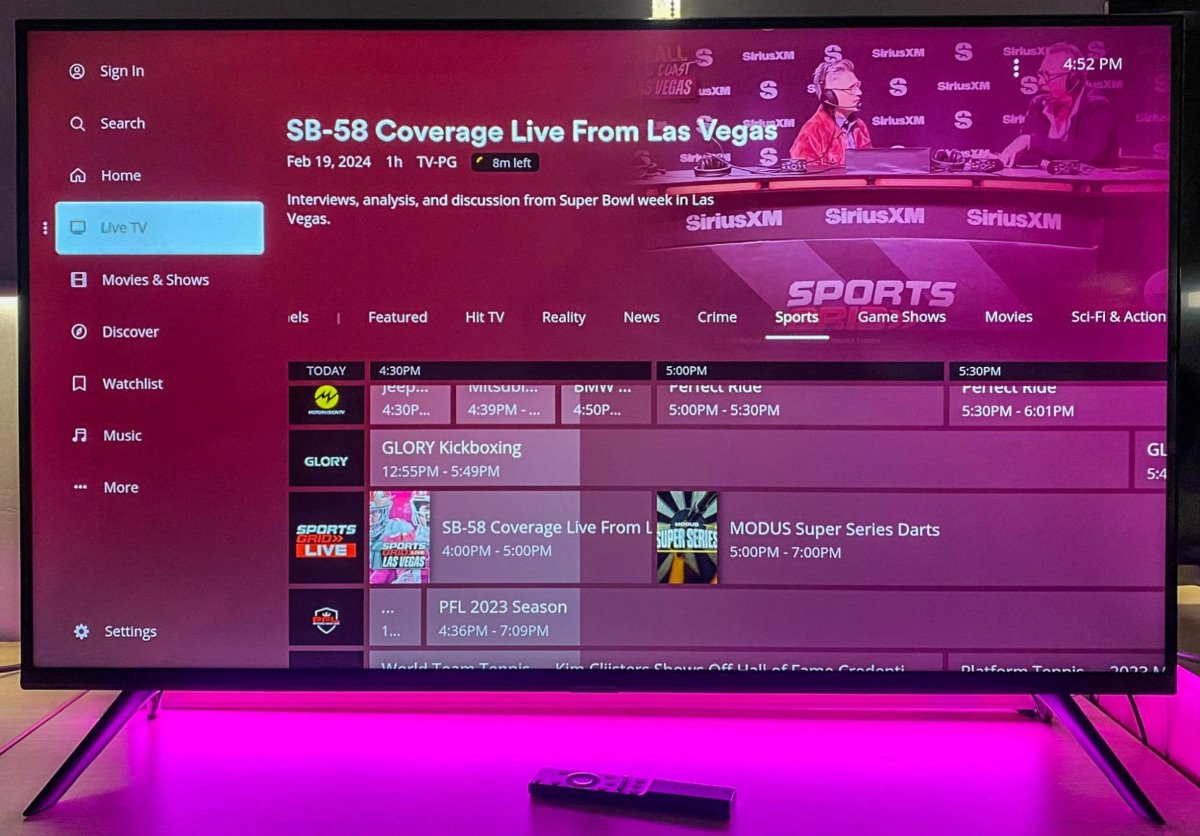
The Evolution of Content Delivery and Personalization
The future of live TV without cable will continue to push boundaries in content delivery and viewer personalization.
- Adaptive Bitrate Streaming (ABS): Already prevalent, ABS will continue to refine its ability to dynamically adjust video quality based on network conditions, ensuring the best possible picture with minimal buffering. Future enhancements might include more granular control over specific elements within a stream.
- Interactive Elements: Expect more interactive features during live broadcasts, such as real-time polls, integrated social media feeds, and multi-angle camera options for sports, leveraging overlaid data and synchronized streams.
- AI-Driven Content Curation: Beyond recommendations, AI could power dynamic channel creation, assembling personalized “channels” of content based on individual preferences and real-time events.
- Higher Resolutions and Spatial Audio: As internet speeds and display technologies advance, 8K streaming and sophisticated spatial audio formats (like Dolby Atmos and DTS:X) will become more commonplace, delivering an even more immersive and lifelike viewing experience.
- Edge Computing and 5G: The deployment of 5G networks and edge computing will further reduce latency and increase bandwidth, enabling higher quality, more interactive, and more reliable mobile live TV experiences. This means processing data closer to the user, enhancing responsiveness and minimizing network strain.
The transition from cable to internet-delivered live TV is a testament to the power of technological innovation. By understanding the underlying systems, selecting appropriate hardware, optimizing your network, and embracing the evolving capabilities of streaming platforms, you can craft a flexible, powerful, and truly personalized live television experience for years to come.
aViewFromTheCave is a participant in the Amazon Services LLC Associates Program, an affiliate advertising program designed to provide a means for sites to earn advertising fees by advertising and linking to Amazon.com. Amazon, the Amazon logo, AmazonSupply, and the AmazonSupply logo are trademarks of Amazon.com, Inc. or its affiliates. As an Amazon Associate we earn affiliate commissions from qualifying purchases.