
In an era dominated by e-commerce, Amazon stands as an undisputed titan, offering an unparalleled selection of products delivered directly to our doorsteps. While the convenience is undeniable, the hidden cost of shipping can quickly erode the savings of online shopping, impacting personal budgets and financial planning. For the astute consumer focused on managing their money wisely, avoiding shipping fees is a crucial strategy. This article delves deep into a comprehensive guide on how to consistently secure free shipping on Amazon, transforming incidental costs into tangible savings and enhancing your overall financial well-being. By understanding Amazon’s various shipping policies and implementing smart shopping habits, you can ensure that your hard-earned money is spent on the products themselves, not on their journey to you.

Leveraging Amazon Prime for Ubiquitous Free Shipping
For many frequent Amazon shoppers, the most straightforward path to consistent free shipping lies within an Amazon Prime membership. Prime is more than just a delivery service; it’s a comprehensive ecosystem designed to integrate deeply into a consumer’s online habits, offering a suite of benefits that can, when utilized effectively, provide significant financial value beyond just avoiding shipping fees. From a personal finance perspective, evaluating Prime’s cost-effectiveness is the first critical step.
Understanding the Prime Membership Benefits
At its core, Amazon Prime offers unlimited free two-day shipping on millions of eligible items, a benefit that significantly reduces the transaction cost of frequent online purchases. However, the value proposition extends far beyond delivery speed. Members also gain access to Prime Video, a streaming service that can potentially replace other paid subscriptions like Netflix or Hulu, thereby freeing up discretionary income. Prime Music provides ad-free access to millions of songs, further cutting down on entertainment expenses. Other perks include Prime Reading (access to a rotating selection of e-books and magazines), exclusive deals and discounts (like Prime Day), unlimited photo storage, and even grocery delivery from Amazon Fresh or Whole Foods Market in select areas. When assessing the financial benefits, it’s essential to consider how many of these ancillary services you would otherwise pay for, as Prime effectively bundles them, potentially offering a net saving on your monthly expenditure. For families, the shared benefits across household members further amplify its financial attractiveness.
Evaluating if Prime is Right for Your Budget
While the allure of free, fast shipping and numerous digital perks is strong, a Prime membership comes with an annual or monthly fee, which, like any recurring expense, needs careful consideration within your personal budget. To determine if Prime offers a positive return on investment for your financial situation, calculate your average number of Amazon orders per month and the standard shipping cost you’d incur without Prime. If you find yourself consistently paying for shipping on multiple orders each month, the total annual shipping fees could easily surpass the Prime membership cost. For instance, if standard shipping costs $5 per order and you place more than 15 orders a year, you’re likely breaking even or saving money with a Prime membership. Beyond direct shipping savings, factor in the monetary value of the other bundled services. Do you stream movies and TV shows? Do you pay for a music service? Do you utilize cloud storage for photos? If Prime’s included services align with your existing spending habits, the membership could effectively consolidate expenses and save you money in other areas of your budget. A thorough cost-benefit analysis, tailored to your specific spending patterns and needs, is crucial for making an informed financial decision.
Exploring Prime Free Trial Options
Amazon understands that commitment can be daunting, especially when it involves a recurring expense. To mitigate this, they offer generous free trial options, allowing potential members to experience the full suite of Prime benefits without immediate financial obligation. The most common is a 30-day free trial, which is an excellent opportunity to gauge your usage and truly assess if the membership justifies its cost for your personal finance strategy. If you anticipate a period of heavy Amazon shopping – perhaps for holiday gifts, moving supplies, or new baby essentials – initiating a free trial strategically can save you significant shipping costs during that peak period. Furthermore, Amazon offers discounted Prime memberships for specific demographics, such as students (Prime Student) and those receiving government assistance (Prime EBT). These discounted rates make Prime more accessible and budget-friendly for individuals who might benefit most from its savings but face tighter financial constraints. Exploring these trial and discount options can provide access to Prime’s advantages without the full financial commitment, making it a savvy move for budget-conscious consumers.
Navigating Non-Prime Free Shipping Options
While Prime offers the most comprehensive solution for free shipping, it’s not the only way to save money on Amazon deliveries. For those who shop less frequently, or whose financial analysis doesn’t justify a Prime membership, several strategies exist to avoid shipping fees as a non-Prime member. These methods require a more strategic approach to shopping but are equally effective in preserving your personal budget.
Reaching the Free Shipping Threshold
For non-Prime members, Amazon typically offers free standard shipping on eligible orders totaling a certain minimum dollar amount, which can fluctuate but is generally around $25-$35 for items shipped directly by Amazon. The key to leveraging this threshold is smart financial planning and consolidated purchasing. Instead of placing multiple small orders as needs arise, try to aggregate your purchases. Keep a running list of items you need – household essentials, pantry staples, books, or small gadgets – and place one larger order once you’ve accumulated enough items to meet the minimum. This requires a bit of foresight and planning, akin to creating a grocery list before heading to the supermarket, ensuring that every dollar spent contributes towards hitting that threshold. Avoid the temptation to add unnecessary items just to reach the minimum; instead, focus on products you genuinely need or planned to buy anyway. This disciplined approach prevents impulse spending while still securing free delivery, a win-win for your finances.
Utilizing Amazon’s Add-on Item Program
Amazon’s “Add-on Item” program can be a confusing but financially beneficial feature for non-Prime members. These are typically small, low-priced items that are uneconomical for Amazon to ship on their own, so they require a minimum total order value (often the same as the free shipping threshold) to be included in a shipment. While initially frustrating if you only need an add-on item, this program can be strategically used to your advantage. If you’re working towards the free shipping threshold, consider if any add-on items are on your shopping list. Combining a main purchase with one or more add-on items can help you reach the free shipping minimum more efficiently. For instance, if you’re buying a book for $20 and need a $5 add-on item like a specific brand of chewing gum, adding it might push your total to $25, qualifying the entire order for free shipping. Think of add-on items as valuable “fillers” that can complete your order while still being items you genuinely intend to use, thus optimizing your spending for free delivery.
Exploring Specific Product Categories with Free Shipping
Certain product categories on Amazon might offer free shipping regardless of your Prime status or order value. Historically, media items like books, CDs, and DVDs sometimes qualified for free standard shipping, and while this has become less common, it’s always worth checking the product page. Larger, bulkier items such as furniture or major appliances often come with free shipping due to their nature, or their shipping cost is integrated into their higher price, making the “free” aspect a marketing strategy. Additionally, some third-party sellers on Amazon Marketplace offer free shipping on their products to compete with Amazon’s own offerings. Always scrutinize the “Shipping & Import Fees” section on the product page before adding an item to your cart. By being aware of these potential exceptions and carefully reviewing individual product listings, non-Prime members can occasionally snag free delivery without having to meet the general threshold or commit to a membership, directly benefiting their personal finances.
Opting for Slower Shipping Speeds (No-Rush Shipping)
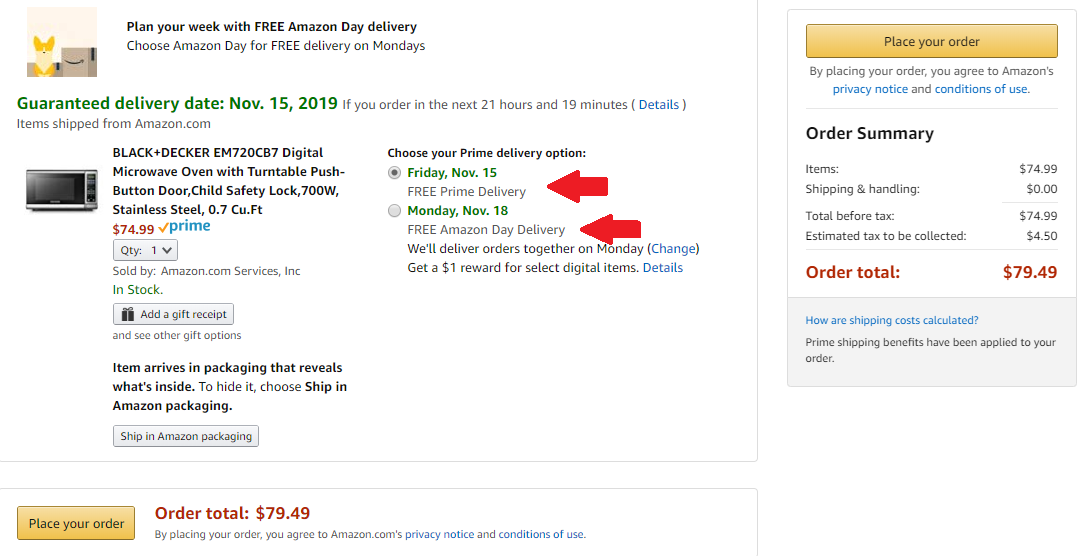
Amazon often provides an incentive for customers, particularly Prime members, to choose slower “No-Rush Shipping” options. While this doesn’t directly offer free shipping (as you’d already have it with Prime), it provides a financial kickback in the form of digital credits. These credits can be used for future Amazon purchases, typically on digital content like Prime Video rentals or purchases, Kindle e-books, Amazon Music downloads, or even digital apps. For a budget-conscious consumer, this is a fantastic way to stretch your entertainment budget or save money on digital media you would otherwise pay for. If your purchase isn’t time-sensitive, opting for a slower delivery means you get your item eventually and receive a credit that effectively reduces future spending on digital goods. It’s a subtle but effective way to accumulate savings and offset other entertainment or digital content expenses, directly contributing to better personal financial management.
Strategic Shopping Habits to Maximize Savings
Beyond understanding Amazon’s policies, cultivating smart shopping habits is paramount for consistently securing free shipping and maximizing your financial efficiency. These strategies involve a blend of planning, awareness, and leveraging external resources to ensure every purchase is as cost-effective as possible.
Bundling Purchases for Efficiency
One of the most effective personal finance strategies for online shopping is to proactively bundle your purchases. Instead of buying items sporadically as the need arises, create a running shopping list over a week or two. Consolidate non-urgent items into a single, larger order. This not only helps non-Prime members reach the free shipping threshold more easily but also minimizes packaging waste and delivery trips. For Prime members, bundling reduces the likelihood of ordering an “Add-on Item” separately or simply streamlines the number of packages arriving. This disciplined approach prevents impulse buys of single, small items that might incur shipping fees if not part of a larger order. By thinking ahead and combining your needs, you optimize the cost-effectiveness of your Amazon shopping, directly impacting your monthly budget.
Monitoring Price and Shipping Changes
Amazon’s pricing and shipping policies are dynamic, influenced by factors like demand, inventory, and seller competition. Savvy shoppers understand the importance of monitoring these fluctuations to make informed financial decisions. Price tracking tools and browser extensions can alert you to price drops or changes in shipping eligibility, ensuring you buy at the most opportune time. For instance, a product that didn’t qualify for free shipping yesterday might from a different seller today. Always double-check the shipping cost and estimated delivery date at checkout, as these can sometimes change based on your location or the seller. Being vigilant about these details ensures that the advertised “free shipping” truly remains free and doesn’t get superseded by a hidden cost. This proactive monitoring is a small effort that can lead to significant savings over time, a hallmark of excellent personal finance management.
Considering Alternatives for High-Shipping Items
Sometimes, even with all the strategies, a particular item on Amazon might still incur a significant shipping fee, especially if it’s large, heavy, or from a distant third-party seller. In such cases, a smart financial move is to broaden your search beyond Amazon. Many other major retailers like Walmart, Target, Best Buy, and even individual brand websites offer competitive pricing and frequently provide free shipping, often with a lower minimum purchase threshold or free in-store pickup options. Local brick-and-mortar stores can also be a viable alternative, allowing you to avoid shipping entirely while supporting local businesses. Before committing to an Amazon purchase with a high shipping cost, take a few minutes to compare the total price (item cost + shipping) across multiple retailers. This competitive shopping approach ensures you’re always getting the best deal, preventing unnecessary expenses and empowering you to make financially sound decisions.
Leveraging Amazon’s Digital Offerings to Offset Costs
While the primary goal is free physical shipping, Amazon’s vast digital ecosystem provides indirect ways to save money, complementing your personal finance strategies by reducing expenses in other areas of your budget. These digital benefits can add significant value to your overall Amazon experience.
Accumulating Digital Credits from No-Rush Shipping
As previously mentioned, opting for “No-Rush Shipping” (especially as a Prime member) often earns you digital credits. These credits aren’t merely a nice bonus; they are a direct financial benefit. They can be redeemed for Prime Video rentals or purchases, Kindle e-books, Amazon Music downloads, or even apps from the Amazon Appstore. For individuals who regularly consume digital media, these credits effectively reduce or eliminate those expenses from their budget. Instead of paying for a movie rental or a new e-book, you can use your accumulated credits, thereby reallocating that money to other financial goals or simply keeping it in your pocket. This strategy transforms a slight delay in delivery into a tangible saving on entertainment and digital content, making your Amazon interaction more financially rewarding.
Subscribing to Digital Services
Beyond individual credits, Amazon Prime itself is a bundled digital service powerhouse. By offering Prime Video, Prime Music, Prime Reading, and unlimited photo storage as part of the membership, Amazon provides substantial value that can help you cut down on other monthly subscriptions. If you currently pay for separate video streaming services, a music streaming service, or cloud storage, a Prime membership might allow you to consolidate these expenses. From a personal finance perspective, this consolidation can lead to significant savings. Evaluate the cost of your existing subscriptions versus the value you get from Prime’s included services. If Prime sufficiently meets your needs in these areas, you can cancel redundant subscriptions, freeing up recurring funds in your budget. This strategic use of bundled digital services is a smart way to get more for your money and streamline your monthly expenses.
Utilizing Amazon Gift Cards and Promotions
While not a direct free shipping method, strategically using Amazon gift cards and taking advantage of promotions can indirectly reduce the total out-of-pocket cost of your purchases, including any shipping fees. Many rewards programs (credit card points, survey sites, cashback apps) offer Amazon gift cards as redemption options. By earning these gift cards through activities you already do or by leveraging existing rewards, you effectively acquire Amazon credit at no additional cash cost to yourself. When you use these gift cards to pay for your Amazon orders, the money you would have spent remains in your bank account, offsetting the total cost, shipping included. Furthermore, Amazon frequently runs promotions, sometimes offering discounts on specific product categories or even a percentage off your total order when using certain payment methods or meeting specific criteria. Staying alert to these promotions can lead to significant savings, making your online shopping experience more financially advantageous.

Conclusion
Securing free shipping on Amazon is not just a matter of convenience; it’s a vital component of smart personal finance and effective budget management in the digital age. Whether you opt for the comprehensive benefits of Amazon Prime, strategically navigate the minimum spend thresholds as a non-member, or leverage digital credits and savvy shopping habits, the common thread is a proactive approach to saving money. By understanding Amazon’s varied policies, planning your purchases efficiently, and being aware of all available options, you empower yourself to keep more of your hard-earned money. In an economy where every dollar counts, mastering the art of free shipping on Amazon is a valuable skill that contributes significantly to your overall financial well-being, transforming you from a passive consumer into an empowered, budget-savvy shopper.
aViewFromTheCave is a participant in the Amazon Services LLC Associates Program, an affiliate advertising program designed to provide a means for sites to earn advertising fees by advertising and linking to Amazon.com. Amazon, the Amazon logo, AmazonSupply, and the AmazonSupply logo are trademarks of Amazon.com, Inc. or its affiliates. As an Amazon Associate we earn affiliate commissions from qualifying purchases.