
The allure of new horizons, diverse cultures, and unforgettable experiences is a powerful motivator for many. However, the dream of travel often collides with the reality of airfare costs, which can represent a significant portion of a trip’s budget. For the financially savvy traveler, navigating the complex landscape of airline pricing is not merely about finding a good deal, but about mastering a strategic financial skill. This guide delves into the mechanisms behind airfare fluctuations and provides actionable, money-saving tactics to help you consistently secure the cheapest possible flights, making your travel dreams more attainable and your financial planning more efficient.
Understanding Airfare Dynamics: When and Why Prices Fluctuate
To consistently snag affordable flights, it’s crucial to understand the underlying economics and algorithms that govern airfare pricing. Airlines operate on dynamic pricing models, constantly adjusting fares based on a multitude of factors, all aimed at maximizing revenue. By understanding these dynamics, travelers can strategically time their searches and bookings.
The Golden Window: Best Time to Book
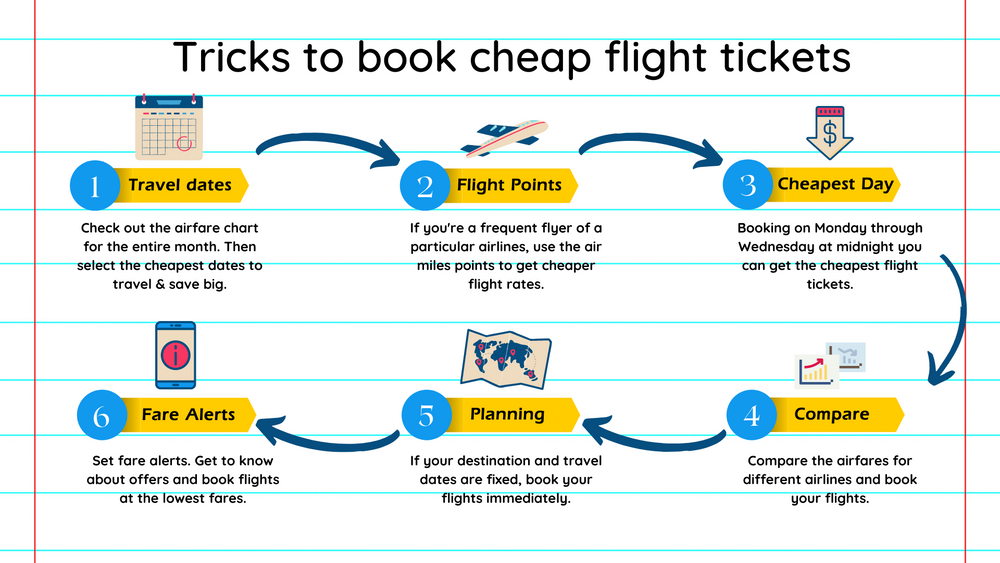
There isn’t a single magical day or time to book flights that guarantees the absolute lowest price, but there are established “golden windows” that significantly increase your chances. For domestic flights, booking between three weeks and three months before departure often yields the best results. For international travel, this window expands to two to eight months in advance. Booking too early (e.g., a year out) can mean paying higher initial prices, as airlines haven’t yet fine-tuned their capacity and demand forecasts. Conversely, waiting until the last minute is almost always a costly mistake, as airlines charge a premium for urgent travel, leveraging the traveler’s lack of flexibility. Wednesdays are often cited as the best day to book due to less business travel demand, but this varies and shouldn’t be relied upon as a sole strategy. The true financial advantage lies in booking within the optimal lead time.
Seasonality, Demand, and Events: The Price Drivers
Airfare is highly sensitive to demand, which is heavily influenced by seasonality, holidays, and major events. Peak travel seasons – such as summer vacations, Christmas, New Year’s, Easter, and national holidays – invariably see prices soar. Everyone wants to travel during these times, and airlines respond by increasing fares. Conversely, traveling during the “shoulder seasons” (just before or after peak) or the “off-season” can lead to substantial savings. For example, traveling to Europe in late autumn or early spring can be significantly cheaper than in July or August. Similarly, flying mid-week (Tuesday, Wednesday, Thursday) is often more economical than weekend travel, as business travelers dominate Monday and Friday flights, and leisure travelers prefer weekends. Even specific local events like major sporting championships or music festivals can cause localized price spikes, demonstrating the need for awareness when planning your travel budget.
Dynamic Pricing Algorithms: The Hidden Hand
Modern airfare pricing is largely controlled by sophisticated dynamic pricing algorithms. These algorithms analyze vast amounts of data, including historical booking patterns, current demand, competitor pricing, fuel costs, weather forecasts, and even the time of day a search is made. They continuously adjust prices, sometimes multiple times within an hour, to optimize yield. This means that two people searching for the exact same flight at slightly different times might see different prices. While using “incognito mode” in your browser is a popular tip to prevent price increases based on your search history (cookies), its effectiveness is often debated. Airlines generally base pricing more on real-time demand and availability than individual browsing history. However, clearing cookies and trying different browsers or devices periodically can be part of a comprehensive strategy. The core takeaway is that airfares are fluid; what you see now may not be what you see later, reinforcing the importance of diligent monitoring.
Mastering the Search: Tools and Tactics for Unearthing Deals
Finding the cheapest airfare isn’t about luck; it’s about employing the right tools and strategies. The digital age offers an array of resources that, when used effectively, can save you hundreds, if not thousands, of dollars.
Leverage Flight Comparison Websites and Aggregators
Your first line of defense against high prices should be flight comparison websites and aggregators. Tools like Google Flights, Skyscanner, Kayak, Momondo, and Expedia are invaluable. Each has its unique strengths:
-
Google Flights: Excellent for its calendar view showing prices across an entire month, its “explore” function to find destinations within your budget, and its ability to track prices for specific routes. It’s often the first stop for identifying the optimal travel dates.
-
Skyscanner: Renowned for its “Everywhere” search function, allowing you to discover the cheapest destinations from your origin. It also shows prices for different airports near your desired location, offering flexibility.
-
Kayak: A comprehensive meta-search engine that pulls results from hundreds of travel sites at once. It also offers “Price Forecasts” which predict whether prices are likely to go up or down, assisting your booking decision.
-
Momondo: Often finds slightly different results than other aggregators, sometimes uncovering unique deals, particularly for international flights, by searching smaller online travel agencies.
Remember that these aggregators don’t always include budget airlines, so a direct check on airline websites for carriers like Ryanair, EasyJet, or Southwest might be necessary, particularly for domestic or short-haul international flights.
Price Alerts and Newsletters: Your Personal Deal Scouts
Manually checking flight prices daily is impractical and time-consuming. This is where automated price alerts and specialized newsletters become indispensable financial tools. Most flight comparison websites allow you to set up email alerts for specific routes and dates. When the price drops, you receive an immediate notification, enabling you to book at the optimal moment. Beyond general aggregators, consider subscribing to dedicated flight deal newsletters and services such as Scott’s Cheap Flights (now Going), The Flight Deal, or Secret Flying. These services have teams dedicated to scouring the internet for “mistake fares,” deeply discounted flights, and promotional offers, often identifying deals that are difficult for individual travelers to find. While some offer premium paid tiers for access to the very best deals, their free versions can still provide significant value, directly contributing to your savings.
Exploring Alternative Airports and Dates: The Power of Flexibility
One of the most potent financial strategies for securing cheap airfare is flexibility. Being open to alternative airports and dates can unlock substantial savings.
-
Alternative Airports: Many major cities are served by multiple airports (e.g., London has Heathrow, Gatwick, Stansted, Luton; New York has JFK, LaGuardia, Newark). While one might be more convenient, flying into or out of a slightly further airport, often serviced by budget carriers, can drastically cut costs. Always factor in the cost and time of ground transportation to ensure the saving is genuinely worthwhile.
-
Flexible Dates: If your travel dates are not set in stone, using the “flexible date” search options on comparison sites (like Google Flights’ calendar view or Skyscanner’s “cheapest month”) is paramount. Shifting your departure or return by just a day or two, especially to avoid a weekend or a specific holiday, can lead to hundreds of dollars in savings. Traveling during the shoulder season or off-season, as mentioned earlier, is another manifestation of date flexibility that significantly impacts your travel budget.
Strategic Booking: Advanced Tips for Maximizing Savings

Beyond basic searching, there are several advanced booking strategies that savvy travelers employ to further drive down costs. These techniques often require a deeper understanding of airline pricing structures and a willingness to explore unconventional options.
The Art of Hidden City Ticketing and Backtracking (Cautionary Note)
“Hidden city ticketing” (also known as skiplagging) is a technique where you book a flight with a layover at your desired destination, but your actual destination is the layover city. For example, if you want to go from City A to City B, but a flight from A to C with a layover in B is cheaper, you book the A-C flight and simply get off at B. Similarly, “backtracking” involves flying past your destination to a cheaper hub, and then taking a separate, cheaper flight back to your intended city.
Caution: While these strategies can yield significant savings, they come with substantial risks. Airlines generally forbid hidden city ticketing in their terms and conditions. If caught, your ticket could be canceled, you could lose your frequent flyer miles, or even face additional charges. It’s crucial to only book one-way, carry-on only (as checked luggage would go to the final destination), and understand the potential consequences. This is a tactic for the most financially aggressive and risk-tolerant travelers.
Open-Jaw and Multi-City Flights: Creative Route Planning
An “open-jaw” flight is one where you fly into one city and fly out of another. For example, you might fly from New York to London, travel overland to Paris, and then fly from Paris back to New York. This can sometimes be cheaper than booking a round-trip to London and then a separate, potentially expensive, flight from London to Paris. Multi-city searches on flight aggregators are designed for this. This strategy can also optimize your travel itinerary, saving time and money on backtracking. Similarly, booking a “multi-city” itinerary where you visit several destinations in one trip, rather than multiple separate round-trips, can often result in lower overall airfare, allowing for a more ambitious and budget-friendly travel plan.
Budget Airlines vs. Full-Service Carriers: Understanding Trade-offs
The proliferation of budget airlines has revolutionized air travel, making it more accessible. However, it’s essential to understand their pricing model. While the base fare might be incredibly low, budget carriers like Spirit, Frontier, Ryanair, and EasyJet typically charge extra for almost everything: checked baggage, carry-on bags (beyond a small personal item), seat selection, in-flight meals, and even printing your boarding pass at the airport. Full-service carriers, while having higher base fares, often include these amenities, potentially making them a better value if you need more than just a seat. Always do a full cost comparison, adding up all potential ancillary fees, before concluding which is truly the cheapest option for your specific travel needs and financial preferences. Sometimes, paying a little more upfront for a full-service carrier can actually save you money and stress in the long run.
Utilizing Airline Points, Miles, and Credit Card Rewards
For the disciplined financial planner, leveraging airline points, miles, and credit card rewards can be the ultimate strategy for securing “free” or heavily discounted airfare.
-
Airline Loyalty Programs: Joining loyalty programs for airlines you frequently fly allows you to accrue miles, which can be redeemed for flights, upgrades, or other travel perks.
-
Travel Credit Cards: Many credit cards offer generous sign-up bonuses (e.g., 50,000-100,000 miles) that can be enough for one or more round-trip flights. These cards often come with additional benefits like free checked bags, priority boarding, lounge access, and travel insurance, which further enhance your travel budget. The key is to use these cards responsibly, paying off your balance in full each month to avoid interest charges that would negate any travel rewards. Strategic use of credit card spending to meet minimum spend requirements for bonuses can unlock substantial travel value, directly impacting your personal finance goals.
Beyond the Ticket: Minimizing Ancillary Costs
Finding the cheapest airfare is only half the battle. A truly financially savvy traveler considers the entire journey cost, including often-overlooked ancillary expenses that can quickly inflate your travel budget.
Baggage Fees: Pack Smart or Pay Up
Baggage fees are a primary source of airline revenue and a common culprit for unexpected expenses. Always check the baggage policy of your chosen airline before you pack.
-
Carry-on Only: For shorter trips, mastering the art of packing light and traveling with only a carry-on and personal item can eliminate baggage fees entirely. This requires careful planning and efficient packing techniques.
-
Weigh Your Bags: If you must check a bag, weigh it at home to avoid costly overweight baggage fees at the airport.
-
Compare Policies: If you’re comparing two airlines with similar base fares, look at their baggage policies. One might include a free checked bag, making it the cheaper option overall. Budget airlines, in particular, are notorious for strict and expensive baggage rules.
Seat Selection and In-Flight Services: Avoid Unnecessary Costs
Many airlines, especially budget carriers, now charge for seat selection. If you’re comfortable with a random assignment, forgo this fee. If you’re traveling with companions and want to sit together, consider the cost versus the convenience. Similarly, in-flight meals, snacks, and entertainment often come at a premium. Pack your own snacks, bring a reusable water bottle (filled after security), and download movies or books to your device to avoid these common temptations that add up. These small financial decisions contribute to a larger saving.
Ground Transportation and Accommodation Synergies: Holistic Budgeting
The cheapest flight might not always result in the cheapest overall trip if it lands you at an inconvenient airport with expensive ground transportation options, or at an odd hour requiring an extra night’s stay.
-
Airport Transfers: Research public transportation options (buses, trains) from the airport to your accommodation. These are almost always more cost-effective than taxis or ride-shares, especially in major cities.
-
Accommodation Location: Consider how far your accommodation is from public transport hubs, especially if you’re arriving late or departing early. Sometimes, paying slightly more for a flight that lands at a more accessible airport can save you money on transfers and reduce stress.
-
Package Deals: While this guide focuses on airfare, sometimes bundling flights with hotels or car rentals through online travel agencies can offer synergistic savings, though always compare the bundled price against booking each component separately.

Conclusion
Securing the cheapest airfare is less about a single trick and more about adopting a financially astute, multi-faceted approach to travel planning. By understanding the dynamic nature of airline pricing, leveraging powerful comparison tools, embracing flexibility in dates and airports, employing advanced booking strategies, and meticulously accounting for ancillary costs, you empower yourself to travel more for less. The skill of finding affordable flights is a valuable asset in personal finance, transforming what can be a significant expense into an opportunity for more frequent and enriching travel experiences. Embark on your next adventure armed with these insights, and watch your travel dreams take flight without breaking the bank.
aViewFromTheCave is a participant in the Amazon Services LLC Associates Program, an affiliate advertising program designed to provide a means for sites to earn advertising fees by advertising and linking to Amazon.com. Amazon, the Amazon logo, AmazonSupply, and the AmazonSupply logo are trademarks of Amazon.com, Inc. or its affiliates. As an Amazon Associate we earn affiliate commissions from qualifying purchases.