
International travel, once considered a luxury for the privileged few, has become an increasingly accessible dream for many. However, the cost of flights remains a significant barrier for aspiring global explorers. In an era where financial prudence is paramount, mastering the art of securing cheap international flights is not just a skill but a necessity. This comprehensive guide will delve into the strategies, tools, and financial wisdom required to transform your travel aspirations into affordable realities, ensuring your adventures don’t break the bank.
The Art of Timing: When and How to Book
One of the most critical factors in determining the price of an international flight is the timing of your booking and travel. Airlines employ sophisticated algorithms to adjust prices based on demand, seasonality, and numerous other variables. Understanding these patterns is your first step towards significant savings.

The Golden Window for Booking
Industry analysis consistently reveals a “golden window” for booking international flights, typically ranging from 2 to 8 months in advance for long-haul routes. Within this period, airlines tend to offer more competitive pricing before demand peaks or seats become scarce. Booking too early (e.g., a year out) might mean missing out on sales, while booking too late (e.g., a few weeks prior) almost guarantees inflated prices due to last-minute demand. For specific destinations, this window might narrow or widen, but the 2-8 month rule serves as an excellent general guideline for most routes. Being vigilant during this period, especially on Tuesdays and Wednesdays when airlines often release new sales, can yield substantial discounts.
Understanding Seasonal Demand and Shoulder Seasons
Airline pricing is heavily influenced by seasonal demand. Peak seasons, such as summer holidays, Christmas, New Year, and major festivals (e.g., Lunar New Year, Diwali), see a significant surge in prices due to high demand. Conversely, traveling during the low season often presents the cheapest fares, though you might contend with less ideal weather or fewer tourist services.
The sweet spot for budget travelers is the shoulder season. This refers to the periods immediately before and after the peak season. For example, traveling to Europe in May-June or September-October (instead of July-August) can offer a fantastic balance of pleasant weather, fewer crowds, and noticeably lower flight prices. These periods provide an optimal blend of travel experience and financial savings, allowing you to enjoy your destination without the premium price tag. Researching the peak and shoulder seasons for your specific destination is a crucial step in strategic planning.
Flexibility with Dates is Your Best Friend
Perhaps the single most powerful tool in your arsenal for finding cheap flights is flexibility with your travel dates. Even shifting your departure or return by a day or two can result in hundreds of dollars in savings. Airlines often have distinct pricing tiers for different days of the week, with mid-week flights (Tuesday, Wednesday, Thursday) typically being cheaper than weekend travel.
When using flight search engines, instead of entering exact dates, look for options that allow you to search across a “month view” or use flexible date ranges. Tools like Google Flights’ calendar view or Skyscanner’s “Cheapest Month” feature are invaluable for identifying the most cost-effective days to fly. If your travel plans are not rigidly fixed, embracing a flexible schedule is a non-negotiable strategy for maximizing savings. It empowers you to align your travel with the market’s lowest prices rather than forcing the market to meet your specific, potentially expensive, demands.
Leveraging Technology and Tools for Price Discovery
In the digital age, a plethora of online tools and platforms have revolutionized how we search for and book flights. Mastering these resources is essential for uncovering the best deals and making informed financial decisions.
Mastering Flight Comparison Websites and Aggregators
Flight comparison websites and aggregators are your primary allies in the quest for cheap international flights. Platforms like Google Flights, Skyscanner, Kayak, and Expedia scour thousands of airlines and online travel agencies (OTAs) to present you with a comprehensive list of options. These sites allow you to filter results by price, duration, airline, number of stops, and even specific airports.
The key to mastering these tools lies in using them strategically. Don’t just check one; cross-reference across several platforms. Each aggregator might have slightly different partnerships or display different prices, especially for budget airlines or less common routes. Look for features like “everywhere” search (Skyscanner) or “explore destinations” (Google Flights) if you’re flexible on where to go, as these can reveal incredibly cheap routes to unexpected locales. Remember that while OTAs can sometimes offer package deals, booking directly with the airline can sometimes be advantageous for customer service or changes, so always compare both options.
Setting Up Price Alerts and Notifications
Once you’ve identified potential routes and have a rough idea of your travel dates, setting up price alerts is a passive yet highly effective strategy. Most major flight comparison websites and even some airline apps offer this feature. You simply input your desired route and dates, and the system will notify you via email or push notification whenever the price drops significantly.
This tool is invaluable because flight prices are highly volatile, fluctuating multiple times a day. Rather than constantly checking manually, price alerts do the heavy lifting for you. They allow you to “set it and forget it” until a good deal emerges, ensuring you don’t miss out on a flash sale or a temporary price reduction. Be patient; the right price often comes to those who wait and monitor effectively.
The Power of Incognito Mode and VPNs
A common piece of advice among seasoned budget travelers is to search for flights using your browser’s incognito or private browsing mode. The theory behind this is that airline websites and OTAs use cookies to track your searches. If they detect you’re repeatedly looking at a specific flight, they might subtly increase the price, creating a sense of urgency to book before it gets more expensive. While the direct impact of cookies on price manipulation is debated, using incognito mode ensures a fresh search history and can prevent any potential personalized price increases.
Furthermore, a Virtual Private Network (VPN) can be a surprising tool for saving money. Flight prices can vary based on your geographical location due to different market demands and regional pricing strategies. By using a VPN, you can mask your IP address and appear to be browsing from a different country. For example, a flight from the US to Europe might be cheaper if booked through an IP address in a European country, or vice versa. Experimenting with different countries through a VPN can sometimes unlock lower prices, although this strategy requires a bit more technical setup and patience.
Strategic Routing and Airline Selection
Beyond timing and tools, smart routing decisions and a willingness to explore various airline options can drastically reduce your international flight costs. This often involves thinking creatively about your journey.
Embracing Layovers and Non-Direct Flights
While direct flights offer convenience, they almost always come with a premium price tag. Opting for flights with one or more layovers is one of the most consistent ways to achieve significant savings on international routes. Airlines price direct routes higher due to demand for speed and comfort.
A flight with a layover, even if it adds a few hours to your total travel time, can often be hundreds of dollars cheaper. When searching, actively look for “1 stop” or “2 stops” options. Sometimes, layovers can even be strategically long, allowing you to briefly explore another city – a concept known as a “stopover,” which can effectively give you a bonus destination for little extra cost. Be mindful of layover duration; too short and you risk missing a connection, too long and it can be exhausting. A layover of 2-4 hours is often ideal for ensuring connectivity without excessive waiting.
Exploring Budget Airlines and Low-Cost Carriers
The rise of budget airlines and low-cost carriers (LCCs) has revolutionized international travel. Airlines like Ryanair, EasyJet, Spirit, Frontier, and WOW Air (though some have ceased operations or been acquired) have made point-to-point travel incredibly affordable. While they are renowned for their rock-bottom base fares, it’s crucial to understand their business model.
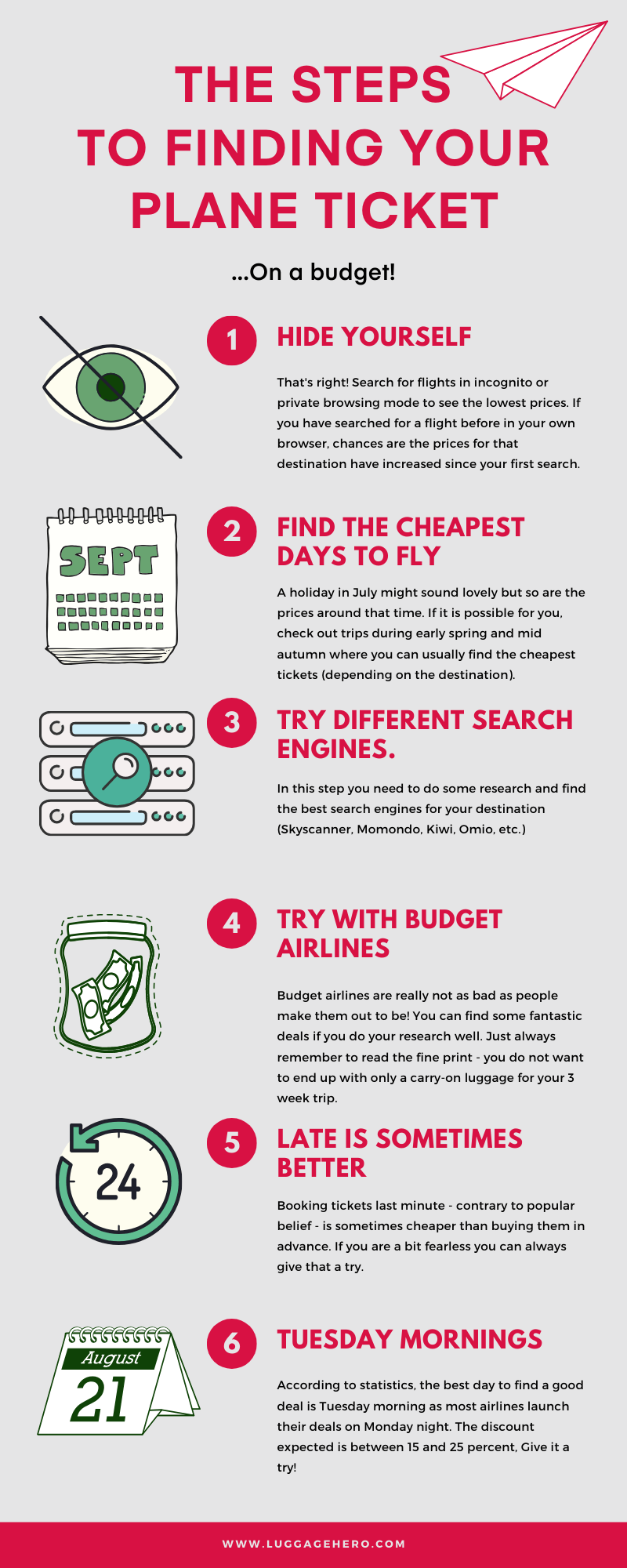
LCCs typically unbundle services that traditional airlines include in the ticket price. This means you’ll pay extra for checked baggage, carry-on bags (beyond a small personal item), seat selection, in-flight meals, and sometimes even printing your boarding pass at the airport. To truly save money with LCCs, you must be a minimalist packer, willing to forgo amenities, and meticulous about checking their specific baggage allowances and fees before booking. Factor in all potential add-on costs to ensure the “cheap” base fare doesn’t end up being more expensive than a traditional airline ticket once everything is added.
Considering Alternative Airports
Many major cities are served by multiple airports, or have smaller, regional airports within a reasonable distance. For example, flying into London’s Stansted (STN) or Luton (LTN) might be significantly cheaper than Heathrow (LHR) or Gatwick (LGW), even for long-haul flights. Similarly, in New York, Newark (EWR) or Long Island MacArthur (ISP) could offer better deals than JFK or LaGuardia (LGA).
When searching for flights, expand your search to include “nearby airports.” Flight comparison tools often have an option for this. While you might incur additional costs for ground transportation from the alternative airport to your final destination, these costs are often far outweighed by the savings on the flight ticket itself. Always calculate the total cost, including transportation, before committing to an alternative airport. This strategy requires a bit of research into local transport options and their costs but can yield substantial financial benefits.
Unlocking Savings Through Loyalty Programs and Payment Methods
Beyond the immediate flight search, savvy financial management through loyalty programs and strategic payment choices can further reduce your travel expenses over time. These methods represent a longer-term approach to making international travel more affordable.
Maximizing Frequent Flyer Miles and Credit Card Points
One of the most powerful tools for reducing the cash cost of international flights is leveraging frequent flyer miles and credit card reward points. Earning miles through airline loyalty programs or points through travel-focused credit cards can allow you to book flights entirely with rewards, or significantly offset the cash price.
To maximize this strategy, identify an airline alliance (Star Alliance, SkyTeam, Oneworld) that serves your common destinations, and focus your loyalty on one or two airlines within that alliance. Sign up for their frequent flyer programs and ensure you accrue miles for every flight you take.
Credit card points are even more versatile. Many travel credit cards offer lucrative sign-up bonuses (e.g., 50,000-100,000 points after meeting a minimum spending requirement) which alone can be enough for a round-trip international economy flight or a significant portion of a business class ticket. Regular spending on these cards then continues to accumulate points. It’s crucial to understand the redemption value of your points and strategically choose cards that align with your travel goals. Always pay off your credit card balances in full to avoid interest charges, which would negate any travel benefits.
The Benefits of Travel-Specific Credit Cards
Beyond accumulating points, travel-specific credit cards often come with a host of other benefits that can save you money and enhance your travel experience. Many offer perks such as:
- No foreign transaction fees: This alone can save you 2-3% on every purchase made abroad, including flight bookings with foreign airlines or at foreign points of sale.
- Travel insurance: Many premium cards include comprehensive travel insurance, covering trip delays, cancellations, lost luggage, and even emergency medical assistance, potentially saving you hundreds of dollars on separate insurance policies.
- Airport lounge access: While not directly saving on the flight ticket, access to airport lounges can make layovers more comfortable and save money on expensive airport food and drinks.
- Free checked bags: Some co-branded airline credit cards offer the first checked bag for free, which can be a significant saving, especially on domestic connections or budget airline segments.
- Global Entry/TSA PreCheck credit: A valuable perk that streamlines security and immigration, enhancing the travel experience.
Carefully research different travel credit cards, considering their annual fees, benefits, and how they align with your spending habits and travel patterns. The right card can be a powerful financial tool for making international travel more affordable and enjoyable.
Understanding Currency Exchange and Payment Fees
When booking international flights, especially directly with foreign airlines or through international OTAs, paying attention to currency exchange rates and potential payment fees is vital. Sometimes, booking a flight in the local currency of the departure country or the airline’s home country can result in a lower price compared to booking in your home currency, due to favorable exchange rates or different pricing structures.
However, be wary of your bank’s foreign transaction fees if you pay with a debit or non-travel credit card; these fees can easily add 2-3% to your total cost. As mentioned, travel-specific credit cards with no foreign transaction fees are ideal for these situations.
Additionally, some booking platforms or airlines might impose a small fee for using certain payment methods (e.g., credit card processing fees). While often minor, being aware of these can help you choose the most cost-effective payment option. A little financial diligence in understanding these nuances can prevent unnecessary expenses from creeping into your travel budget.
Beyond the Ticket: Hidden Costs and Smart Savings
Securing a cheap international flight is a significant achievement, but the financial journey doesn’t end there. Savvy travelers understand that the total cost of a trip includes numerous ancillary expenses that, if not managed, can quickly erode the savings made on the airfare. Being mindful of these potential hidden costs and planning for them can significantly impact your overall travel budget.
Baggage Fees: Pack Smart, Pay Less
Baggage fees are one of the most common and often surprising hidden costs in international travel, especially with budget airlines but increasingly with traditional carriers too. Airlines have become adept at monetizing every aspect of the travel experience, and luggage is a prime target. Checked bags, oversized bags, and even carry-on bags that exceed specific dimensions or weight limits can incur hefty fees.
To avoid these charges, embrace the art of packing light. Can you fit everything into a carry-on that meets the airline’s free allowance? If not, investigate the cost of checked baggage before you fly. Often, purchasing baggage allowance online in advance is significantly cheaper than paying at the airport counter. Weigh your bags at home to ensure they meet the weight limits. For extended trips, consider services like send-my-bag or ship-my-luggage if the cost is comparable to airline fees, offering a more convenient solution. Ultimately, minimalist packing is not just a trend; it’s a financial strategy.
In-Flight Amenities: Bring Your Own
While full-service airlines still offer complimentary meals and entertainment on long-haul international flights, the quality and quantity of these amenities can vary. Budget airlines, as previously mentioned, charge for virtually everything. Instead of paying inflated prices for sub-par airplane food or small bottles of water, plan ahead.
Pack your own snacks (non-liquid items that pass security) and an empty reusable water bottle to fill up after security. A good quality neck pillow, eye mask, earplugs, and a comfortable blanket can significantly enhance your comfort without costing a fortune. Download movies, TV shows, and music onto your devices before you depart, ensuring you have a personalized entertainment library without relying on potentially limited or paid in-flight options. These small preparations can save you money and make your journey far more enjoyable.

Transportation to/from Airports: Plan Ahead
The cost of getting to and from international airports, especially those far from city centers, can be substantial and often overlooked in the initial budget. Taxis and ride-shares can be very expensive, particularly during peak hours or for long distances.
Research public transportation options well in advance. Many major international airports are connected to city centers by efficient and affordable train, bus, or metro systems. For example, the Heathrow Express is quick but expensive; the Piccadilly Line tube is slower but far cheaper. Weigh the cost versus convenience. If you’re traveling with a group, a shared shuttle service might be more economical than individual public transport tickets. If flying into an alternative airport (as discussed earlier), factor in the additional cost and time required to reach your final destination. Pre-booking airport transfers can sometimes offer better rates than booking on arrival. Diligent planning for ground transportation is crucial to prevent unexpected expenses from eating into your flight savings.
By taking a holistic approach to your international travel budget – from the timing of your booking to your packing choices and ground transportation – you empower yourself to travel more frequently and extensively without financial strain. The goal is not just to find a cheap flight, but to make your entire journey as financially efficient as possible, allowing you to allocate more resources to experiences at your destination rather than simply getting there.
aViewFromTheCave is a participant in the Amazon Services LLC Associates Program, an affiliate advertising program designed to provide a means for sites to earn advertising fees by advertising and linking to Amazon.com. Amazon, the Amazon logo, AmazonSupply, and the AmazonSupply logo are trademarks of Amazon.com, Inc. or its affiliates. As an Amazon Associate we earn affiliate commissions from qualifying purchases.