
The Dow Jones Industrial Average (DJIA), often simply referred to as “the Dow,” stands as one of the most recognized and frequently cited stock market indices in the world. For investors, economists, and the general public alike, its daily fluctuations are seen as a potent barometer of the health and direction of the U.S. economy and corporate America. Yet, understanding “how the Dow is” on any given day requires looking beyond the headline numbers to appreciate its structure, the forces that move it, and its broader implications for financial planning and wealth management. This article delves into the mechanics of the Dow, analyzes its current state, explores the myriad factors influencing its performance, and discusses its significance for both individual and institutional investors.
The Enduring Legacy of the Dow Jones Industrial Average
To truly grasp the significance of the Dow’s current state, one must first understand its origins and its unique composition. Unlike more modern, algorithmically driven indices, the Dow carries a rich history that dates back to the late 19th century, making it a testament to the evolution of American industry and finance.
A Brief History and Purpose
Conceived by Charles Dow, co-founder of Dow Jones & Company, and editor of The Wall Street Journal, the index was first published on May 26, 1896. Initially comprising just 12 industrial companies, it aimed to provide a clear, easily digestible snapshot of the performance of the nation’s industrial sector. In an era before widespread access to complex financial data, the Dow served as an invaluable, albeit rudimentary, tool for gauging market sentiment. Over the decades, its composition has evolved dramatically, reflecting the changing landscape of American capitalism, but its core purpose as a bellwether for large-cap corporate health has remained consistent. It offers a quick reference point for investors to assess the performance of some of the largest and most influential companies, thereby indirectly reflecting the broader economic climate.
Deconstructing the Index
The Dow is unique among major indices for being a price-weighted average. This means that stocks with higher share prices are given greater weight in the index than those with lower share prices, regardless of their market capitalization. This contrasts sharply with market-capitalization-weighted indices like the S&P 500, where larger companies inherently have a greater impact. The Dow is composed of 30 “blue-chip” companies, which are generally well-established, financially sound, and leading corporations in their respective industries. These companies are selected by a committee, not by a rigid set of quantitative rules, to ensure they represent a broad cross-section of the U.S. economy. The continuous evolution of its components – with companies being added or removed to maintain relevance – underscores its dynamic nature and its ongoing effort to mirror the contemporary economic structure. Recent changes have, for example, seen technology and healthcare companies gain prominence over traditional heavy industries.
Beyond the Numbers: What the Dow Represents
While the Dow’s price-weighted methodology has been criticized for potentially distorting its representation of the broader market, its psychological impact remains undeniable. It acts as a benchmark, a narrative tool, and often, a proxy for investor confidence. A surging Dow can signal robust corporate earnings, strong consumer spending, and a healthy economic outlook. Conversely, a declining Dow can spark concerns about recessions, geopolitical instability, or corporate distress. However, it’s crucial to remember that as an index of only 30 companies, it cannot fully capture the diversity and nuances of the entire U.S. stock market, which includes thousands of publicly traded firms, particularly small and mid-cap companies. Therefore, while insightful, it serves best as one data point among many when assessing market conditions.
Decoding Recent Performance and Market Drivers
To answer “how is the Dow” today, we must analyze its recent performance within the context of prevailing economic and market forces. The current state of the index is a complex interplay of micro-level corporate results and macro-level economic trends, often influenced by global events and domestic policies.
Current Trends and Volatility
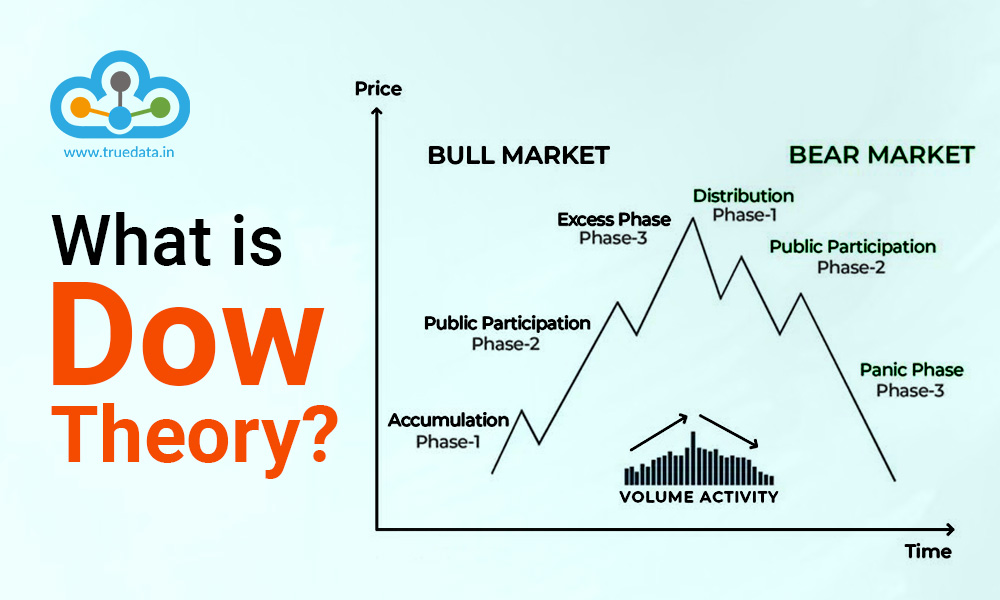
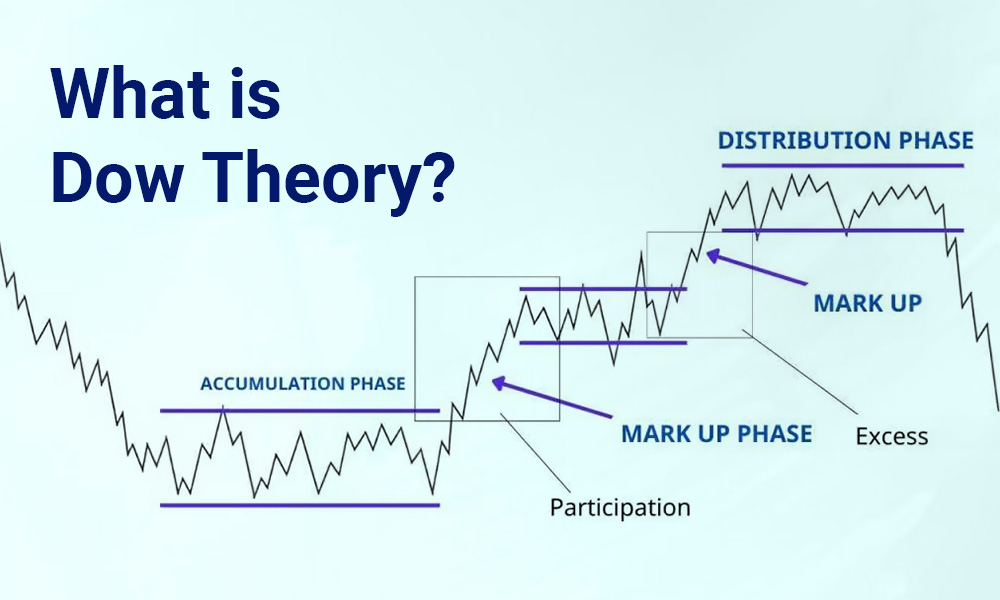
In recent periods, the Dow, much like the broader market, has exhibited periods of both robust growth and notable volatility. Significant daily swings have become more common, driven by a rapid news cycle and the interconnectedness of global markets. We’ve witnessed rallies fueled by optimistic corporate earnings reports, technological advancements, or positive economic data, pushing the index to new all-time highs. Conversely, downturns have often been triggered by concerns over inflation, rising interest rates, geopolitical tensions, or unexpected slowdowns in economic activity. Understanding these trends involves dissecting specific daily movements – whether it’s a multi-hundred point gain or loss – and attributing them to the most prominent influencing factors of that particular day or week. The overarching trend, be it a bull market or a bear market, dictates the general sentiment, but daily volatility ensures that the market remains an active, dynamic environment.
Key Economic Indicators at Play
The performance of the Dow is inextricably linked to fundamental economic indicators. Inflation, for instance, significantly impacts corporate profitability and consumer purchasing power. Higher inflation often prompts central banks to raise interest rates, which can increase borrowing costs for businesses and potentially cool down economic growth, thereby dampening stock valuations. Gross Domestic Product (GDP) growth rates provide a macro perspective on the economy’s expansion or contraction, directly influencing corporate revenues and investor confidence. Employment figures, such as non-farm payrolls and unemployment rates, offer insights into consumer spending capacity and overall economic health. Strong employment typically translates to higher consumer confidence and spending, which benefits the companies within the Dow. Furthermore, consumer confidence surveys and manufacturing indices provide forward-looking insights into potential economic trajectories, often leading to proactive market reactions.
Corporate Earnings and Sectoral Impact
At its core, the Dow reflects the collective performance of its 30 constituent companies. Therefore, robust corporate earnings reports, positive guidance, and strong balance sheets from these blue-chip firms are powerful catalysts for upward movement. Conversely, earnings misses, pessimistic outlooks, or significant corporate challenges can exert downward pressure. The sectoral representation within the Dow also plays a crucial role. For example, a surge in technology stocks or a strong performance from industrial giants can significantly uplift the index. Similarly, headwinds in sectors like finance or consumer discretionary can drag it down. Analyzing the individual performance of these components, and how they balance or counteract each other, provides a deeper understanding of the index’s overall direction and underlying strength.
Geopolitical and Monetary Policy Influences
Beyond economic data and corporate performance, broader geopolitical developments and the strategic actions of central banks exert profound influence on the Dow’s trajectory. These factors can introduce systemic risks or create opportunities that ripple through the entire financial ecosystem.
The Federal Reserve’s Role

The Federal Reserve, as the central bank of the United States, holds immense sway over market conditions, including the Dow. Its monetary policy decisions, particularly regarding interest rates, are closely watched by investors. When the Fed raises interest rates, it generally aims to cool down an overheating economy and combat inflation. This can make borrowing more expensive for companies, potentially slowing expansion and reducing profitability, and can also make bonds more attractive compared to stocks, leading to a reallocation of capital. Conversely, interest rate cuts are often implemented to stimulate economic growth, making it cheaper for businesses to borrow and invest, thereby encouraging stock market rallies. The Fed’s commentary, forward guidance, and balance sheet operations (like quantitative easing or tightening) all contribute to investor sentiment and market expectations, often leading to immediate and significant reactions in the Dow.
Global Events and Their Echoes
In an increasingly interconnected world, geopolitical events far beyond U.S. borders can send shockwaves through Wall Street. International trade agreements, or the lack thereof, can impact the global supply chains and export markets of multinational Dow components. Geopolitical tensions, conflicts, or political instability in key regions can lead to heightened uncertainty, impacting commodity prices (like oil) and overall investor confidence. Major global health crises, like pandemics, have demonstrated their capacity to disrupt entire economies, shut down businesses, and dramatically alter consumer behavior, leading to widespread market sell-offs. Conversely, resolutions to such crises or breakthroughs in international cooperation can spur significant market rallies. Investors frequently analyze global developments to anticipate their potential effects on corporate revenues, input costs, and consumer demand.
Investor Sentiment and Market Psychology
While often intangible, investor sentiment and market psychology are powerful drivers of the Dow’s short-term movements. News cycles, social media trends, and expert commentary can quickly shift the collective mood from optimism to fear, or vice versa. During periods of euphoria, a “fear of missing out” (FOMO) can lead to speculative buying, pushing valuations higher than fundamental analysis might suggest. Conversely, during periods of heightened anxiety, a “flight to safety” can trigger aggressive selling, even in fundamentally sound companies. Herd mentality, where investors follow the actions of the majority, can amplify these movements. Understanding that markets are not always rational in the short term, and that psychological factors can create temporary divergences from underlying value, is crucial for navigating volatility.
Strategic Implications for Investors
Given the Dow’s prominence, its performance naturally sparks questions about investment strategies. For both seasoned and novice investors, understanding how to interpret the Dow’s signals and integrate this information into a broader financial plan is key to long-term success.
The Dow as a Barometer, Not a Sole Guide
The Dow Jones Industrial Average is undoubtedly a valuable barometer of large-cap U.S. industrial and service sector performance. It offers a quick, historical perspective on the health of some of the nation’s most iconic companies. However, it is imperative for investors to recognize its limitations as a standalone guide. As a price-weighted index of only 30 companies, it does not fully represent the breadth of the U.S. economy, especially fast-growing sectors not traditionally considered “industrial” or smaller, innovative companies that might drive future growth. For a more comprehensive view, investors should also consider broader, market-capitalization-weighted indices like the S&P 500 (representing 500 large-cap companies) or the Nasdaq Composite (heavily weighted towards technology and growth stocks). A diversified portfolio should reflect a broader exposure than just the 30 companies of the Dow.
Long-Term vs. Short-Term Perspectives
Daily fluctuations in the Dow, while often dramatic and attention-grabbing, are typically less critical for long-term investors. A long-term perspective emphasizes the historical upward trend of the stock market over decades, driven by economic growth, corporate innovation, and compounding returns. Short-term volatility, influenced by transient news or sentiment, tends to smooth out over extended periods. Strategies like dollar-cost averaging, where a fixed amount is invested regularly regardless of market conditions, can help investors mitigate the risks of market timing and capitalize on downturns without trying to predict them. Focusing on an investment horizon of 5, 10, or 20+ years allows investors to ride out market cycles and benefit from the resilience and growth potential of leading companies.
Diversification and Risk Management
Relying solely on the Dow, or even a few of its constituent companies, can expose an investor to significant concentration risk. True diversification extends beyond a handful of blue-chip stocks. It involves spreading investments across various asset classes (stocks, bonds, real estate, commodities), different sectors, company sizes (large-cap, mid-cap, small-cap), and even geographical regions. This approach helps to cushion the impact of underperformance in any single asset or sector, reducing overall portfolio volatility. Risk management also involves aligning investments with individual financial goals, time horizons, and risk tolerance. While the Dow represents solid, established companies, a balanced portfolio ensures resilience against unforeseen market shocks and optimizes the potential for consistent long-term returns.
Outlook and Navigating Future Challenges
The future trajectory of the Dow, like any financial market, is subject to a confluence of unpredictable events and evolving economic landscapes. While no one can forecast market movements with absolute certainty, understanding potential scenarios and adapting investment strategies remains paramount.
Expert Projections and Market Scenarios
Financial analysts and strategists continuously offer projections for the Dow’s performance, factoring in economic forecasts, corporate earnings estimates, and geopolitical considerations. These projections often outline various market scenarios – from optimistic “bull” cases driven by strong economic recovery and technological innovation, to more pessimistic “bear” cases characterized by recessionary pressures, persistent inflation, or escalating global conflicts. While these expert opinions can provide valuable insights and highlight potential catalysts for growth or decline, they are inherently speculative. Investors should use them as a framework for understanding potential risks and rewards rather than as definitive predictions, always conducting their own due diligence.
Adapting to Economic Shifts
The ability to adapt to changing economic environments is a hallmark of successful investing. In an inflationary environment, for instance, companies with pricing power, strong cash flows, and those providing essential goods or services tend to fare better. During periods of rising interest rates, financial institutions might benefit, while highly leveraged growth companies could face headwinds. If recession fears mount, defensive sectors like utilities, consumer staples, and healthcare often demonstrate greater resilience. Investors who periodically review their portfolios and make strategic adjustments based on macro-economic shifts, without succumbing to panic or impulsive decisions, are better positioned to protect and grow their capital. This might involve rebalancing, adjusting asset allocation, or focusing on companies with robust balance sheets and sustainable competitive advantages.
The Enduring Relevance of Blue-Chip Investing
Despite the rise of growth stocks and niche sectors, the blue-chip companies that comprise the Dow continue to hold significant appeal for many investors. These established giants often possess stable revenue streams, strong brand recognition, global reach, and a history of dividend payments, offering a degree of stability during uncertain times. While they may not offer the explosive growth potential of smaller, emerging companies, their resilience, leadership in their respective industries, and often consistent returns make them foundational components of many long-term investment portfolios. The Dow, therefore, remains a symbol of enduring corporate strength and a vital indicator for those seeking to understand the heartbeat of the American economy.
In conclusion, “how the Dow is” is never a simple answer. It is a dynamic reflection of corporate America, influenced by a complex interplay of economic indicators, corporate performance, monetary policy, and global events. For the astute investor, it serves as a powerful, albeit partial, gauge of market health, necessitating a comprehensive approach that integrates its signals with broader market analysis and a well-diversified, long-term investment strategy.
aViewFromTheCave is a participant in the Amazon Services LLC Associates Program, an affiliate advertising program designed to provide a means for sites to earn advertising fees by advertising and linking to Amazon.com. Amazon, the Amazon logo, AmazonSupply, and the AmazonSupply logo are trademarks of Amazon.com, Inc. or its affiliates. As an Amazon Associate we earn affiliate commissions from qualifying purchases.