
Car insurance is a fundamental component of a healthy personal finance strategy. For most individuals, it represents a significant recurring expense that, if left unmanaged, can drain thousands of dollars from a long-term savings plan. However, insurance should not be viewed as a static utility bill. Instead, it is a dynamic financial product that can be optimized through strategic planning, market research, and a deep understanding of risk management.
Finding “cheap” car insurance is not merely about finding the lowest number on a quote; it is about finding the highest value for the lowest possible price. By treating insurance as a critical part of your financial portfolio, you can protect your assets without overpaying for protection. This guide explores the sophisticated methods used to drive down premiums while maintaining the coverage necessary to safeguard your financial future.
Understanding the Mechanics of Insurance Premiums
To effectively reduce your car insurance costs, you must first understand how insurance companies calculate risk. Actuaries use complex algorithms to determine the likelihood that a policyholder will file a claim. By understanding these variables, you can position yourself as a “low-risk” asset, which naturally leads to lower premiums.
How Risk Profiling Affects Your Wallet
Insurance companies look at a variety of demographic and behavioral data points to build a risk profile. This includes your age, location, driving history, and even the type of vehicle you drive. For instance, living in a high-crime neighborhood or an area prone to natural disasters will lead to higher premiums. Similarly, driving a sports car with high repair costs and a statistical likelihood of high-speed accidents will increase your rates.
From a financial perspective, choosing a vehicle with high safety ratings and lower theft rates is one of the most effective “pre-purchase” decisions you can make to ensure long-term insurance affordability. Before buying a car, it is wise to run insurance quotes on potential models to see how they impact your monthly budget.
The Role of Credit Scores in Insurance Rates
In many jurisdictions, insurance companies use credit-based insurance scores to determine premiums. Statistical data suggests a strong correlation between financial responsibility and driving responsibility. Those with higher credit scores are often viewed as more stable and less likely to file claims.
If you are looking to lower your insurance costs over the next six to twelve months, focusing on your credit health is a high-leverage move. Paying down revolving debt, ensuring on-time payments, and correcting errors on your credit report can lead to a “re-rating” of your insurance policy, potentially saving you hundreds of dollars annually.
Tactical Steps to Reducing Monthly Costs
Once you understand the underlying factors of insurance pricing, you can take active steps to intervene in the market and force a lower price point. This requires a proactive approach rather than a “set it and forget it” mentality.
Comparing Quotes: The Power of Market Research
The most common mistake in personal finance regarding insurance is brand loyalty. Many consumers stay with the same provider for decades, assuming that loyalty is rewarded. In reality, “price optimization” algorithms used by some insurers may actually increase rates for loyal customers because the system predicts they are unlikely to switch.
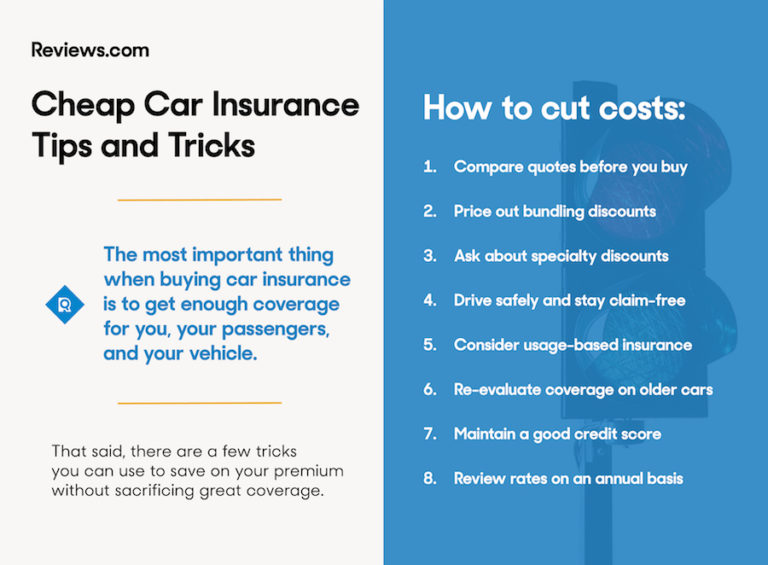
To combat this, you should shop for insurance every six to twelve months. Use independent comparison tools and reach out to local brokers who can access “captive” and “independent” carriers. Aim to get at least three to five distinct quotes. This creates a competitive environment where you can see the true market rate for your specific risk profile.
Maximizing Discounts and Loyalty Programs
Insurance companies offer a plethora of discounts that are often not automatically applied. It is your responsibility to audit your policy for potential savings. Common discounts include:
- Multi-Policy Discounts: Bundling your auto insurance with homeowners or renters insurance is often the single most effective way to drop rates by 10% to 25%.
- Safety Features: Ensure your insurer knows if your car has anti-theft devices, lane-assist technology, or advanced braking systems.
- Professional and Academic Affiliations: Many insurers offer lower rates to members of specific alumni associations, credit unions, or professional organizations (like engineers, teachers, or government employees).
Adjusting Deductibles for Long-Term Savings
The deductible is the amount you pay out of pocket before your insurance kicks in. There is an inverse relationship between your deductible and your premium: the higher the deductible, the lower the premium.

If you have a robust emergency fund (a staple of sound personal finance), you should consider raising your deductible from $500 to $1,000 or even $2,000. While this increases your potential out-of-pocket cost in the event of an accident, the monthly savings on your premium can be significant. Over time, the money saved on premiums often far exceeds the cost of the higher deductible, provided you are a safe driver.
Leveraging Policy Customization for Better Value
Not every car needs the same level of coverage. One of the best ways to get cheap car insurance is to stop paying for coverage that offers no financial utility for your specific situation.
Evaluating Essential vs. Optional Coverage
While liability insurance is legally required in most places, “full coverage” (comprehensive and collision) is optional once your vehicle is paid off. From a wealth-management perspective, you should perform a cost-benefit analysis on older vehicles. If the annual cost of comprehensive and collision coverage exceeds 10% of the car’s total book value, it may be more financially prudent to drop those coverages and “self-insure” for physical damage to your own vehicle.
The Impact of Annual Mileage on Premiums
Since the shift toward remote work, many individuals are driving significantly less than they used to. If your commute has vanished or shortened, you must update your insurer. A vehicle used for “pleasure” or one that travels fewer than 7,500 miles per year is significantly cheaper to insure than a vehicle used for a long daily commute. This simple data update can result in an immediate reduction in your premium.
Modern Financial Tools and Telematics
The intersection of technology and personal finance has birthed “InsurTech,” which provides new ways for safe drivers to prove their low-risk status and save money.
Usage-Based Insurance (UBI) and Data-Driven Savings
Usage-based insurance programs involve installing a small device in your car or using a smartphone app to track your driving habits. These programs monitor braking, acceleration, cornering, and the time of day you drive.
For a disciplined driver, UBI can lead to discounts of up to 30% or 40%. This is an excellent option for those who are confident in their driving skills and are willing to trade a bit of data privacy for substantial financial gain. It shifts the insurance model from “demographic-based” pricing to “behavior-based” pricing, which is almost always more favorable for the financially conscious individual.
Digital Management and Bundling Strategies
Using digital tools to manage your policy can also yield “paperless” discounts. Furthermore, many modern financial apps now integrate insurance tracking, allowing you to see when your rates are creeping up compared to the national average. By using these tools, you can ensure that your insurance costs remain a controlled variable in your monthly budget.
Long-Term Financial Planning and Insurance Health
Cheap car insurance is not a one-time achievement; it is a result of consistent lifestyle choices and financial discipline. Your “insurance health” is an asset that must be protected.
Maintaining a Clean Record as an Asset
Every speeding ticket, at-fault accident, or insurance lapse is a financial liability that will haunt your budget for three to five years. From a money-management perspective, defensive driving is a form of wealth preservation. Avoiding a single ticket can save you thousands of dollars in “surcharges” over the subsequent years. If you do receive a ticket, look for opportunities to attend traffic school to keep the points off your record and protect your low rates.

Periodic Reviews: When to Switch Providers
The insurance market is cyclical. Companies change their “appetite” for certain types of risks based on their quarterly earnings and loss ratios. A company that was the cheapest for you last year might have hit its quota for your demographic this year and raised rates to discourage new business.
Set a recurring calendar event to review your policy. When you see a rate increase of more than 5% without a corresponding change in your driving history, treat it as a signal to re-enter the market. In the world of personal finance, the “lazy tax” is real—those who do not shop around are effectively subsidizing the lower rates of those who do.
In conclusion, securing affordable car insurance is a multifaceted process that requires a blend of credit management, market comparison, and policy optimization. By viewing insurance through the lens of personal finance rather than a mandatory burden, you can minimize your expenses, protect your assets, and redirect your savings toward more productive financial goals like investing or debt elimination. Through diligence and strategy, “cheap” insurance becomes a sustainable reality rather than a fleeting bargain.
aViewFromTheCave is a participant in the Amazon Services LLC Associates Program, an affiliate advertising program designed to provide a means for sites to earn advertising fees by advertising and linking to Amazon.com. Amazon, the Amazon logo, AmazonSupply, and the AmazonSupply logo are trademarks of Amazon.com, Inc. or its affiliates. As an Amazon Associate we earn affiliate commissions from qualifying purchases.