
Navigating the world of car insurance is more than just a regulatory box to check; it is a critical component of a sophisticated personal finance strategy. For the modern professional, an insurance policy is a hedge against the unpredictable, a tool for risk management, and a fundamental layer of a robust financial plan. Understanding how to acquire the right coverage requires an analytical approach to premiums, deductibles, and the long-term impact on your net worth.
This guide explores the strategic acquisition of car insurance through the lens of personal finance, ensuring that every dollar spent on a premium serves as a calculated investment in your financial security.
1. Understanding Car Insurance as a Financial Safeguard
Before entering the marketplace, one must view car insurance not as an expense, but as a risk-transfer mechanism. In the realm of personal finance, “risk” is the probability of a financial loss. Car insurance transfers the risk of a catastrophic financial event—such as a multi-vehicle accident or a total loss of a high-value asset—from your personal balance sheet to the insurance provider.
The Role of Liability in Protecting Your Assets
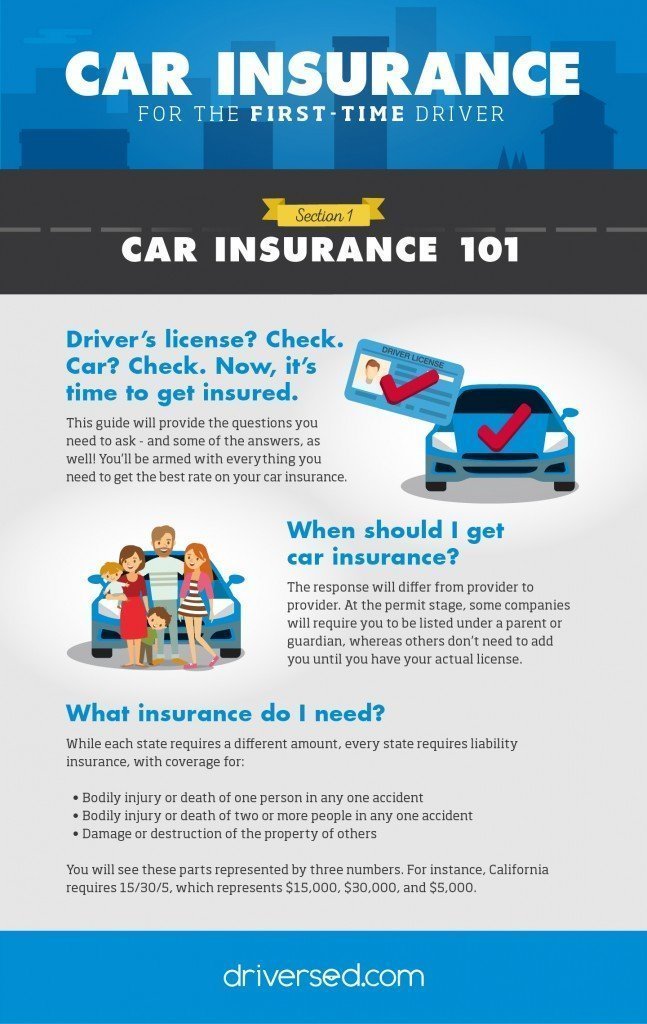
The most significant financial risk associated with driving is not the damage to your car, but the potential liability for damage to others. If you are found at fault in an accident, you are financially responsible for medical bills, lost wages, and property damage. Without adequate liability coverage, your personal savings, investments, and even future earnings could be targeted in a lawsuit. From a money management perspective, your liability limits should at least equal your total net worth. This ensures that in a worst-case scenario, your core assets remain protected.
Assessing Your Net Worth vs. Coverage Limits
Determining “how much” insurance you need requires a deep dive into your personal financial statement. While most states require a minimum level of coverage, these “state minimums” are often woefully inadequate for anyone with significant assets.
- Collision Coverage: This pays to repair or replace your vehicle after an accident. If your vehicle’s market value is low and your emergency fund is high, you might consider “self-insuring” by dropping this coverage.
- Comprehensive Coverage: This covers non-collision events like theft, fire, or natural disasters. For high-value vehicles, this is an essential asset-protection tool.
- Umbrella Policies: For high-net-worth individuals, a standard auto policy may not provide enough liability protection. Integrating an umbrella policy into your financial portfolio provides an extra layer of protection that kicks in once your auto policy limits are exhausted.
2. Navigating the Market: How to Compare Policies for Maximum ROI
In finance, the goal is always to maximize value while minimizing costs. When shopping for car insurance, the objective is to find the “sweet spot” where you have sufficient protection without overpaying for unnecessary “fluff” in the policy.
Decoding Premiums, Deductibles, and Out-of-Pocket Costs
The relationship between your premium (the monthly or annual cost) and your deductible (the amount you pay out-of-pocket before insurance kicks in) is an inverse one. Choosing a higher deductible will lower your premium, which can improve your monthly cash flow.
However, from a financial planning standpoint, you should only opt for a high deductible if you have a liquid emergency fund capable of covering that amount at a moment’s notice. If you have $2,000 in a high-yield savings account earmarked for emergencies, opting for a $1,000 deductible to save 15% on your annual premium is a sound financial move. If you lack liquidity, a lower deductible acts as a form of “forced savings” for potential accidents, despite the higher premium cost.
Identifying Discounts and Value-Added Benefits
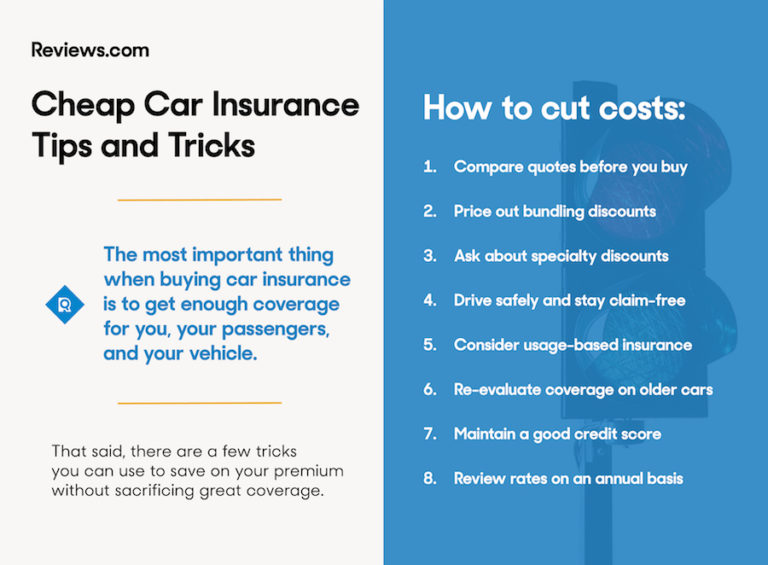
The insurance market is highly competitive, and providers offer various incentives to attract low-risk, financially responsible clients. To optimize your ROI, you should actively seek out:
- Multi-Policy Discounts (Bundling): Combining your auto insurance with homeowners or renters insurance often yields a discount of 5% to 25% across all policies.
- Safety and Anti-Theft Discounts: Features that reduce the risk of loss (such as lane-departure warnings or GPS tracking) can lower your premium.
- Financial Reliability Discounts: Many insurers offer lower rates to individuals who have a history of consistent insurance coverage and timely payments.
- Usage-Based Insurance (UBI): For those who work from home or have low annual mileage, UBI programs can significantly reduce costs by charging based on actual usage rather than statistical averages.
3. The Step-by-Step Acquisition Process
Once you have identified your financial needs and the types of coverage required, the process of actually “getting” the insurance involves meticulous documentation and market analysis.
Information Gathering and Financial Documentation
To get an accurate quote, you must present a transparent financial and behavioral profile to the insurer. Have the following information ready:
- Vehicle Identification Number (VIN): This determines the safety rating and repair costs of the asset.
- Driving History: Your “risk profile” is heavily influenced by your past five years of driving.
- Annual Mileage Estimates: Accurate reporting ensures you aren’t paying for “ghost miles” you don’t actually drive.
- Credit History: In many regions, insurers use a “credit-based insurance score.” Maintaining a high credit score is one of the most effective ways to lower your insurance costs, as it statistically correlates with lower claim frequency.
Finalizing the Policy and Integrating it into Your Budget
After comparing at least three quotes from reputable insurers (checking their “A.M. Best” rating for financial stability), it is time to finalize the purchase.
- Pay Annually if Possible: Most insurers charge a convenience fee for monthly installments. Paying the full six-month or annual premium upfront can save you 5% to 10% on the total cost.
- Review the Declarations Page: This is the most important page of your policy. It lists your limits, deductibles, and effective dates. Ensure it matches exactly what you were quoted.
- Automate Your Payments: To avoid a “lapse in coverage”—which can cause your future premiums to skyrocket—set up automated payments from your checking account.
4. Advanced Financial Strategies for Long-Term Savings
Getting car insurance is not a “set it and forget it” task. As your financial situation evolves, so should your insurance strategy.
The Impact of Credit Scores on Insurance Costs
One of the most overlooked aspects of personal finance is the link between your FICO score and your insurance premium. Insurers view financial responsibility as an indicator of overall risk. By improving your credit score—paying down debt, keeping utilization low, and ensuring on-time payments—you are inadvertently lowering the cost of your car insurance. It is advisable to request a quote re-evaluation after any significant improvement in your credit score to see if you qualify for a lower tier.
Periodic Portfolio Reviews and Policy Adjustments
At a minimum, you should review your car insurance policy once a year or whenever a major life event occurs (marriage, buying a home, or a significant change in commute).
- Depreciation Adjustments: As your car ages and its market value decreases, the amount of collision and comprehensive coverage you need may also decrease. If the cost of the coverage exceeds 10% of the car’s total value, it might be time to drop those specific protections.
- Shopping the Market: Loyalty rarely pays in the insurance industry. Every two years, it is financially prudent to “shop” your current policy against competitors. New actuarial models may make you a more attractive candidate to a different provider, potentially saving you hundreds of dollars annually.
- Capturing Life Stage Discounts: Moving to a lower-crime ZIP code, getting married (statistically lower risk), or reaching age 25 or 50 can all trigger lower rates. Ensure your agent is aware of these changes to capture the savings.

Conclusion: Insurance as a Wealth Management Tool
Securing car insurance is a fundamental exercise in money management. By shifting the perspective from “buying a policy” to “protecting an investment,” you can approach the process with the analytical rigor it deserves. Through careful assessment of liability, strategic selection of deductibles, and consistent market comparison, you ensure that your auto insurance serves its primary purpose: protecting your path to long-term wealth.
In the grand scheme of personal finance, the goal is not just to get car insurance—it is to integrate it so seamlessly into your financial life that it provides maximum protection at the lowest possible cost to your net worth. By following this structured, finance-first approach, you turn a mandatory expense into a pillar of your financial security.
aViewFromTheCave is a participant in the Amazon Services LLC Associates Program, an affiliate advertising program designed to provide a means for sites to earn advertising fees by advertising and linking to Amazon.com. Amazon, the Amazon logo, AmazonSupply, and the AmazonSupply logo are trademarks of Amazon.com, Inc. or its affiliates. As an Amazon Associate we earn affiliate commissions from qualifying purchases.