
Navigating the world of personal finance involves many milestones, but few are as practical or as legally significant as securing your first auto insurance policy. For a first-time driver or a new vehicle owner, the insurance market can appear as a labyrinth of complex terminology, varying price points, and aggressive marketing. However, at its core, car insurance is a fundamental component of your financial health. It is an essential risk management tool designed to protect your assets and your future earning potential from the devastating costs of accidents, theft, or legal liabilities.

Obtaining insurance for the first time requires more than just picking the first quote you see. It demands a strategic approach to budgeting, an understanding of asset protection, and the ability to evaluate long-term financial value. This guide will walk you through the nuances of the insurance market, helping you secure a policy that balances comprehensive protection with fiscal responsibility.
Understanding the Foundations of Auto Insurance Coverage
Before you can shop for a policy, you must understand the financial instruments you are purchasing. Insurance is essentially a contract where you transfer the risk of a significant financial loss to an insurance company in exchange for a fee, known as the premium.
Liability Coverage: Protecting Your Net Worth
Liability insurance is the most critical component of your policy and is legally mandated in almost every jurisdiction. It consists of two parts: Bodily Injury Liability and Property Damage Liability. From a financial perspective, liability coverage isn’t just about paying for the other person’s car; it is about protecting your personal assets. If you are at fault in a major accident and do not have enough liability coverage, your savings, investments, and even future wages could be at risk through legal judgments.
Comprehensive and Collision: Protecting Your Asset
While liability protects others, collision and comprehensive coverage protect your investment—the vehicle itself. Collision insurance covers damage to your car resulting from an accident, regardless of fault. Comprehensive insurance covers “acts of God” or non-collision events, such as theft, vandalism, fire, or weather damage. If you are financing your car through a bank or a side-hustle business loan, the lender will almost certainly require these coverages to protect their collateral.
Uninsured and Underinsured Motorist Coverage
In the realm of personal finance, you must account for the negligence of others. Despite legal requirements, many drivers operate vehicles without insurance. Uninsured motorist coverage ensures that if you are hit by someone without a policy, your own insurance company will step in to cover your medical bills and property damage. This is a vital layer of financial security that prevents a third party’s poor financial planning from becoming your financial crisis.
Assessing Your Financial Needs and Establishing a Budget
Once you understand what the different coverages do, the next step is to determine how much coverage you actually need. This is a balancing act between the monthly premium you can afford and the “out-of-pocket” risk you are willing to take.
The Deductible vs. Premium Trade-off
One of the primary levers in controlling your insurance costs is the deductible. The deductible is the amount you pay out of pocket before your insurance kicks in. Generally, the higher your deductible, the lower your monthly premium.
From a financial planning perspective, you should set your deductible at a level that you could comfortably pay from your emergency fund tomorrow. If you have $1,000 saved for emergencies, a $1,000 deductible is a great way to lower your monthly expenses. However, if you are living paycheck to paycheck, a $250 deductible might be safer, even if it makes your monthly premium slightly higher.
Determining Appropriate Coverage Limits
Most states have “minimum” coverage requirements, but these are often woefully inadequate for modern medical costs and vehicle values. A common financial recommendation is the “100/300/100” rule: $100,000 for bodily injury per person, $300,000 for bodily injury per accident, and $100,000 for property damage. While this increases your premium, it provides a much sturdier shield for your personal finances against catastrophic lawsuits.
Factoring Insurance into Your Total Cost of Ownership
When budgeting for a car, many first-time buyers only look at the monthly loan payment. As a savvy financial manager, you must look at the Total Cost of Ownership (TCO). This includes fuel, maintenance, and, most importantly, insurance. High-performance vehicles or luxury SUVs often come with significantly higher insurance premiums. Before purchasing a vehicle, get insurance quotes for that specific model to ensure the total monthly cost fits within your 50/30/20 budget framework.
The Step-by-Step Process to Securing Your First Policy
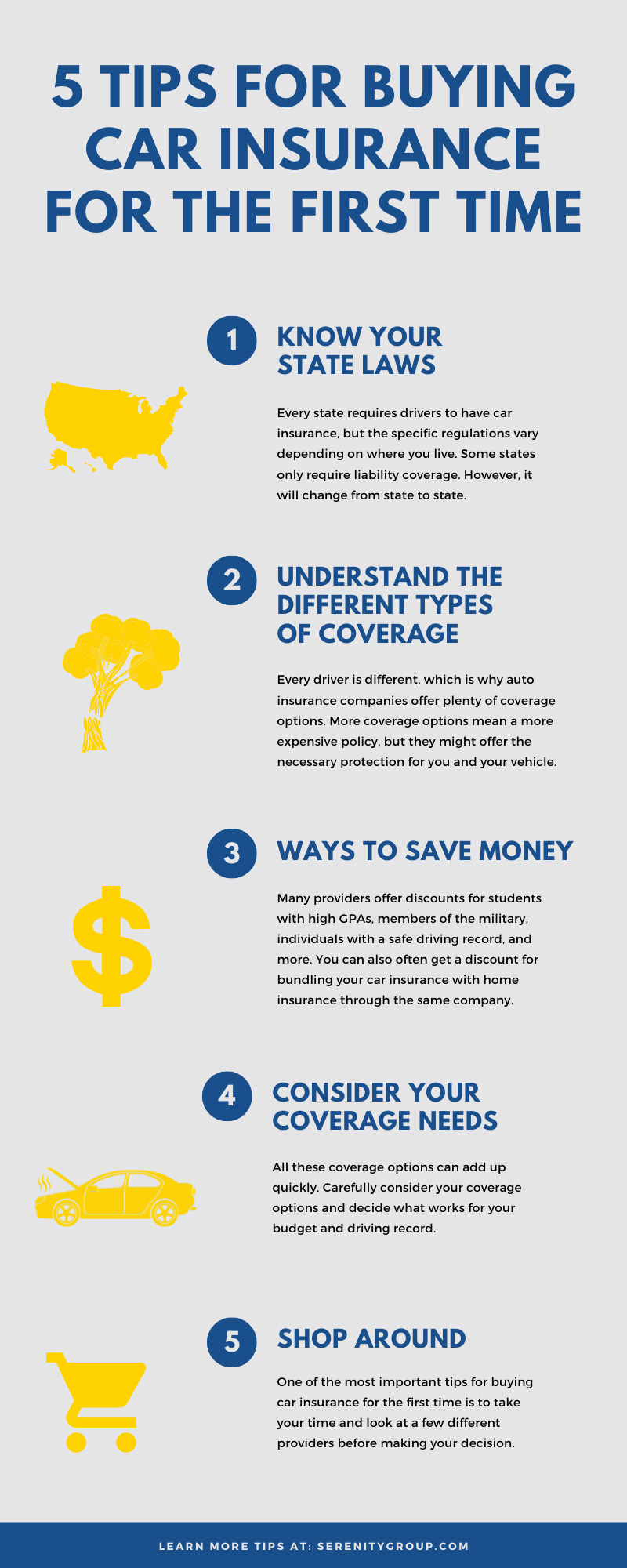
With your budget and coverage needs established, it is time to enter the marketplace. The goal here is to use data-driven decision-making to find the most competitive rate.
Gathering Necessary Documentation
To get an accurate quote, you need to provide specific data points that insurers use to calculate your risk profile. Have the following ready:
- Driver’s License Number: Your driving record is the biggest factor in your rate.
- Vehicle Identification Number (VIN): This tells the insurer about the car’s safety features and theft rates.
- Address where the car is parked: Geography influences risk (urban vs. rural).
- Mileage Estimates: How many miles you drive annually impacts the likelihood of an accident.
Leveraging Comparison Tools and Independent Agents
Never settle for the first quote. The insurance industry is highly competitive, and different companies weight risk factors differently. Use online comparison tools to get a broad view of the market. Additionally, consider speaking with an independent insurance agent. Unlike “captive agents” who work for one company, independent agents can shop your profile across multiple carriers to find the best value for your specific financial situation.
The Underwriting and Application Phase
Once you choose a provider, you will submit a formal application. This is where the company “underwrites” your policy—verifying your credit score, driving history, and claims record. Be honest during this process. Any discrepancies found during the underwriting phase could lead to a premium hike or even a cancellation of the policy, which would leave you financially vulnerable.
Strategies for Minimizing Premiums for First-Time Drivers
First-time policyholders often face higher rates due to a lack of “insurance history.” However, there are several strategic ways to lower these costs without sacrificing coverage.
Utilizing Discounts: Education and Safety
Insurers love low-risk clients. If you are a student, many companies offer a “Good Student Discount” for those maintaining a B average or higher, as data suggests responsible students are responsible drivers. Furthermore, completing a certified defensive driving course can often result in a 5% to 10% discount on your liability and collision premiums.
The Role of Credit Scores in Insurance Pricing
In many regions, insurance companies use a “credit-based insurance score.” Statistically, individuals who manage their credit responsibly tend to file fewer insurance claims. Therefore, maintaining a high credit score is not just important for loans and credit cards; it is a direct way to lower your car insurance premiums. If your credit is currently low, improving it over the next six months could lead to a significant rate reduction upon your policy renewal.
Telematics: Trading Data for Savings
Many modern insurers offer telematics programs (often through a mobile app or a device plugged into your car). These programs track your driving habits—braking, acceleration, and time of day driven. For a first-time driver with a clean but short record, this is an excellent way to prove you are a safe driver. High scores in these programs can lead to discounts of up to 30%, making it a powerful tool for reducing fixed monthly expenses.
Strategic Long-Term Management of Your Policy
Securing your first policy is just the beginning. To maintain financial efficiency, you must treat your car insurance as a dynamic part of your portfolio that requires regular review.
Conducting Annual Policy Audits
Your life changes, and your insurance should reflect that. Every year, or after major life events (moving, getting married, or paying off a car loan), you should review your policy. If your car has aged significantly, you might decide to drop collision coverage if the cost of the premium exceeds the actual cash value of the vehicle. This “self-insuring” for small losses can save you hundreds of dollars annually.
Building a Continuous Insurance History
One of the most important factors for future low rates is “continuous coverage.” Even a short lapse in insurance can cause your rates to spike when you try to get a new policy, as insurers view a lapse as a high-risk indicator. Even if you sell your car, if you plan to drive again soon, consider a “non-owner’s policy” to maintain your insurance history and keep your future premiums low.
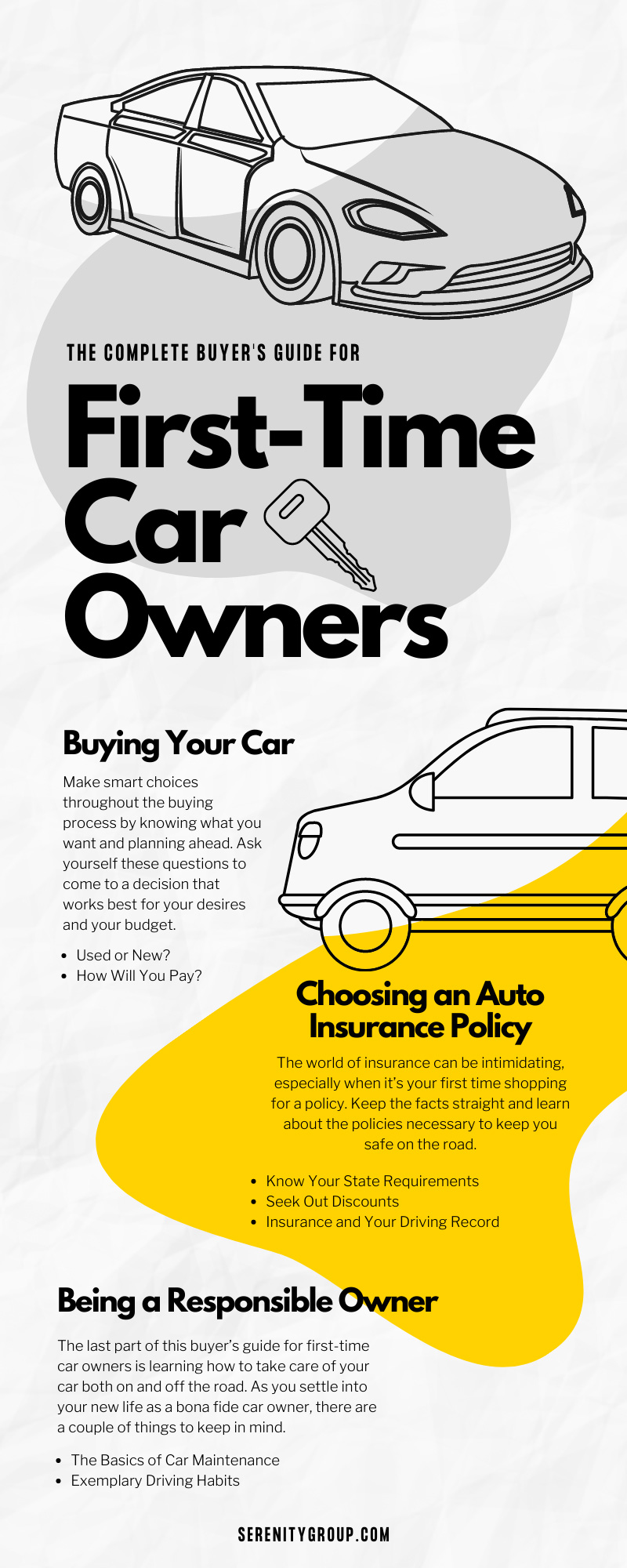
The Importance of a Clean Record
Finally, the most effective financial strategy for car insurance is simple: drive safely. Avoiding tickets and at-fault accidents is the single best way to ensure your premiums remain low. Over time, as you build a history of responsible driving and responsible financial management, you will transition from a high-risk “first-timer” to a preferred tier driver, unlocking the lowest rates the market has to offer.
By approaching car insurance through the lens of personal finance, you transform a required expense into a strategic asset. Understanding your coverage, budgeting for your deductible, and aggressively seeking discounts will ensure that your first experience with car insurance is a cornerstone of a solid financial future.
aViewFromTheCave is a participant in the Amazon Services LLC Associates Program, an affiliate advertising program designed to provide a means for sites to earn advertising fees by advertising and linking to Amazon.com. Amazon, the Amazon logo, AmazonSupply, and the AmazonSupply logo are trademarks of Amazon.com, Inc. or its affiliates. As an Amazon Associate we earn affiliate commissions from qualifying purchases.