
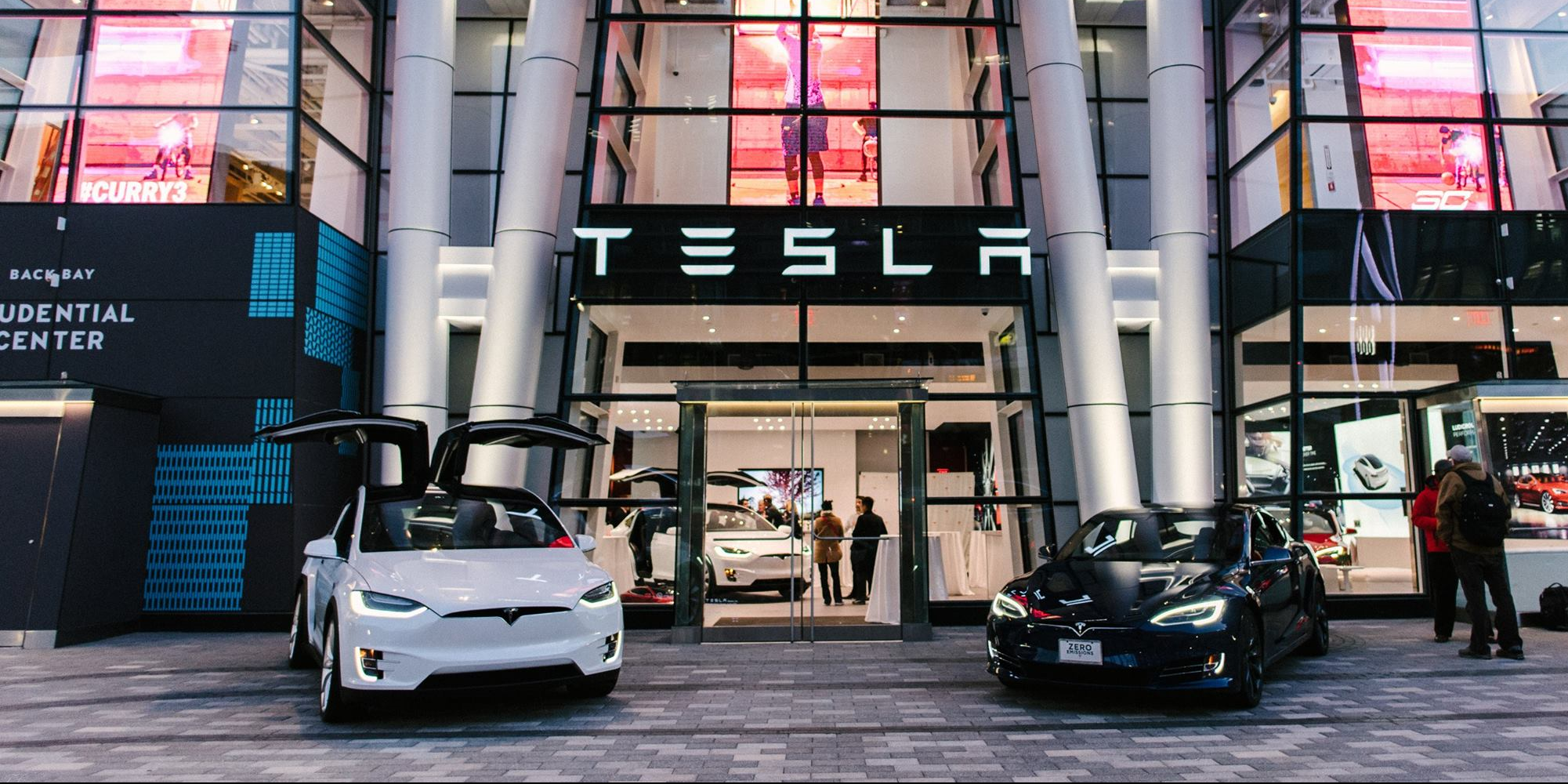
Acquiring a Tesla is no longer merely a statement of technological affinity; it has evolved into a complex financial decision that requires a sophisticated understanding of asset depreciation, tax optimization, and long-term cash flow management. Unlike traditional internal combustion engine (ICE) vehicles, the path to Tesla ownership is paved with unique fiscal variables—ranging from federal tax credits to significantly altered operating expenses. For the fiscally conscious individual, the question is not just “how to buy a car,” but how to integrate a high-value electric vehicle (EV) into a broader wealth-building strategy.
Evaluating the Total Cost of Ownership (TCO)
The primary mistake many prospective owners make is focusing solely on the “sticker price” or the monthly loan payment. To truly understand how to get a Tesla without compromising your financial health, you must perform a Total Cost of Ownership (TCO) analysis. This involves looking past the initial capital outlay and examining the net impact on your net worth over a five-to-seven-year horizon.
The Fuel-to-Electricity Arbitrage
One of the most compelling financial arguments for a Tesla is the dramatic reduction in energy costs. On average, charging a Tesla at home costs significantly less per mile than refueling a gasoline vehicle. To calculate your specific savings, you must compare the local price of a kilowatt-hour (kWh) against the local price of a gallon of premium gasoline. In many jurisdictions, this “fuel arbitrage” can result in savings of $1,000 to $2,500 annually, depending on mileage. Over a five-year ownership period, this represents $5,000 to $12,500 in recovered cash flow that can be redirected toward investments or debt reduction.
Maintenance and Resilience
Traditional vehicles require a relentless schedule of oil changes, transmission flushes, spark plug replacements, and timing belt adjustments. A Tesla’s drivetrain has approximately twenty moving parts, compared to the hundreds or thousands found in an ICE vehicle. This mechanical simplicity translates to a lower “sinking fund” requirement for repairs. While tires and cabin air filters remain standard expenses, the long-term maintenance curve of a Tesla is significantly flatter, providing more predictability in your monthly budget.
The Insurance Premium Variable
Conversely, insurance for a Tesla often commands a premium. Due to the high cost of specialized aluminum bodywork and the sophisticated sensor suites (cameras and ultrasonic sensors), repair costs after an accident can be high. When budgeting for your Tesla, it is imperative to secure insurance quotes beforehand. In some regions, Tesla Insurance—an internal product that uses real-time driving behavior to determine premiums—can offer a more competitive rate than traditional carriers, potentially saving owners 20% to 40% on their monthly premiums.
Navigating the Landscape of EV Financing
Once the TCO is established, the next hurdle is the acquisition strategy. How you finance a Tesla can have a more significant impact on your long-term wealth than the price of the car itself. With fluctuating interest rates, the decision between cash, traditional financing, or leasing requires a deep dive into opportunity costs.
The Opportunity Cost of Cash
While paying cash for a Tesla eliminates interest expenses, it also ties up a significant amount of liquid capital. If that capital could earn an 8% return in a diversified index fund while a vehicle loan costs 5%, the mathematically superior choice is to finance the vehicle and keep your capital invested. However, this must be balanced against the psychological benefit of being debt-free. In a high-interest-rate environment, the “spread” between loan costs and investment returns narrows, making cash purchases or large down payments more attractive to the risk-averse investor.
Specialized EV Loans and Credit Unions
Traditional “big bank” financing is rarely the most efficient route for an EV purchase. Many credit unions offer “Green Auto Loans,” which provide discounted interest rates specifically for electric vehicles. These institutions often view EV owners as lower-risk borrowers with higher-than-average credit profiles. By shopping for a specialized EV loan, a buyer can often shave 0.5% to 1.5% off the standard APR, resulting in thousands of dollars saved over the life of the loan.
The Lease vs. Buy Equation
Leasing a Tesla has historically been viewed as less optimal because Tesla did not always allow lessees to buy out the vehicle at the end of the term. However, the leasing landscape has changed with the reintroduction of federal incentives. For many, leasing is now a strategic way to “bypass” certain tax credit restrictions. Furthermore, in an era of rapid technological advancement, a three-year lease serves as a hedge against technological obsolescence, allowing the driver to upgrade to the latest battery chemistry or self-driving hardware without worrying about the resale value of an older model.
Maximizing ROI Through Tax Incentives and Government Credits
The “true price” of a Tesla is often thousands of dollars lower than the MSRP once government incentives are factored in. Understanding the nuances of the Internal Revenue Code (IRC) Section 30D is essential for any prospective buyer looking to optimize their purchase.
Federal Tax Credits and Income Limits
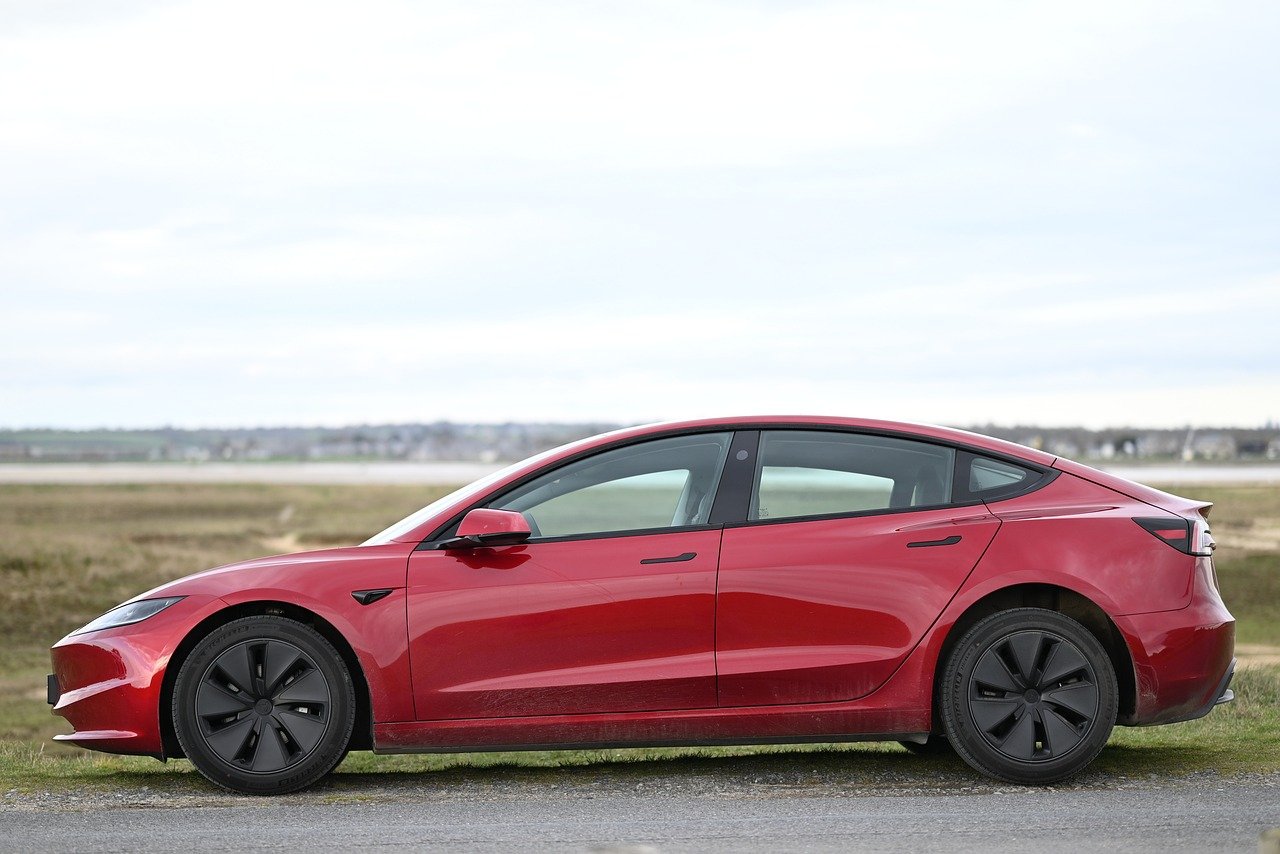
Under current regulations, certain Tesla models (most notably the Model 3 and Model 1) qualify for a federal tax credit of up to $7,500. However, this is subject to strict “Modified Adjusted Gross Income” (MAGI) caps and vehicle MSRP limits. For a single filer, the income limit is $150,000; for heads of households, $225,000; and for joint filers, $300,000. Navigating these limits requires precise tax planning. If you are near the threshold, contributing to a 401(k) or a traditional IRA might lower your MAGI enough to qualify for the credit, effectively making the car $7,500 cheaper through strategic retirement saving.
Point-of-Sale Rebates
A recent and significant shift in how these credits are applied allows buyers to transfer the credit to the dealer (Tesla) at the time of purchase. This transforms a future tax credit into an immediate “down payment” at the point of sale. This reduces the total amount financed, which in turn reduces the monthly interest paid over the life of the loan. For the buyer, this is a massive win for immediate cash flow.
State and Local Incentives
Beyond the federal level, many states offer additional rebates, tax exemptions, or utility credits. For example, some states offer sales tax exemptions on EVs, which can save a buyer $3,000 to $5,000 instantly. Others provide rebates for installing a Level 2 home charging station. When calculating the “how-to” of getting a Tesla, one must audit their specific zip code for every available incentive, as these can collectively reduce the effective cost of the vehicle by 15% to 20%.
The Business Case: Section 179 and Corporate Ownership
For business owners and freelancers, getting a Tesla can be a sophisticated tax-shielding maneuver. Using the vehicle for business purposes opens the door to accelerated depreciation schedules that are not available to standard W-2 employees.
Section 179 and the “Heavy Vehicle” Deduction
The Model X, due to its Gross Vehicle Weight Rating (GVWR) exceeding 6,000 pounds, often qualifies for more aggressive depreciation under Section 179 of the tax code. This allows business owners to deduct a significant portion of the vehicle’s purchase price in the first year of ownership, provided the vehicle is used more than 50% for business. This can result in a massive reduction in taxable income, essentially allowing the government to “subsidize” a large portion of the vehicle through tax savings.
Operating Lease for Businesses
If a business does not want the vehicle on its balance sheet, an operating lease can be an effective tool. The monthly lease payments are generally fully deductible as a business expense. This simplifies accounting and ensures that the business is always utilizing a modern, high-functioning fleet that projects a brand image of innovation and sustainability.
Long-Term Wealth Impact: Depreciation and Resale Value
Finally, one must consider the exit strategy. A car is a depreciating asset, but not all depreciation curves are created equal. Historically, Teslas held their value better than almost any other luxury vehicle. While the market has stabilized recently, the resale value of a Tesla remains a critical component of its financial profile.
Software Updates and Value Retention
Tesla’s “Over-the-Air” (OTA) software updates mean that a five-year-old Tesla often has more features than it did when it was new. This is a radical departure from traditional cars, which become technologically stagnant the moment they leave the lot. This feature-set expansion helps support higher resale values in the used market, reducing the “net cost” of ownership when it comes time to sell or trade in the vehicle.

Battery Longevity and the 200,000-Mile Horizon
The fear of battery degradation is often overstated in financial models. Data suggests that Tesla batteries retain the vast majority of their capacity even after 100,000 to 150,000 miles. For the long-term owner, this longevity means the vehicle can be kept for a decade or more, amortizing the initial cost over a much longer period than a traditional car that might require a new engine or transmission at the ten-year mark. By extending the ownership cycle, the “cost per year” of a Tesla becomes incredibly competitive, reinforcing its position as a savvy financial choice for those who plan their purchases with a multi-decade mindset.
aViewFromTheCave is a participant in the Amazon Services LLC Associates Program, an affiliate advertising program designed to provide a means for sites to earn advertising fees by advertising and linking to Amazon.com. Amazon, the Amazon logo, AmazonSupply, and the AmazonSupply logo are trademarks of Amazon.com, Inc. or its affiliates. As an Amazon Associate we earn affiliate commissions from qualifying purchases.