
Cruising represents a popular vacation choice, offering the allure of multiple destinations with the convenience of a single floating hotel. However, the question “how much does the average cruise cost?” is akin to asking “how much does the average car cost?”—the answer is multifaceted, depending heavily on a myriad of variables. From the moment you begin considering a cruise, understanding the true financial commitment is crucial for sound personal finance planning. This guide aims to deconstruct the various cost components, helping you budget effectively and avoid unwelcome financial surprises, ensuring your sea-faring adventure aligns perfectly with your financial goals.
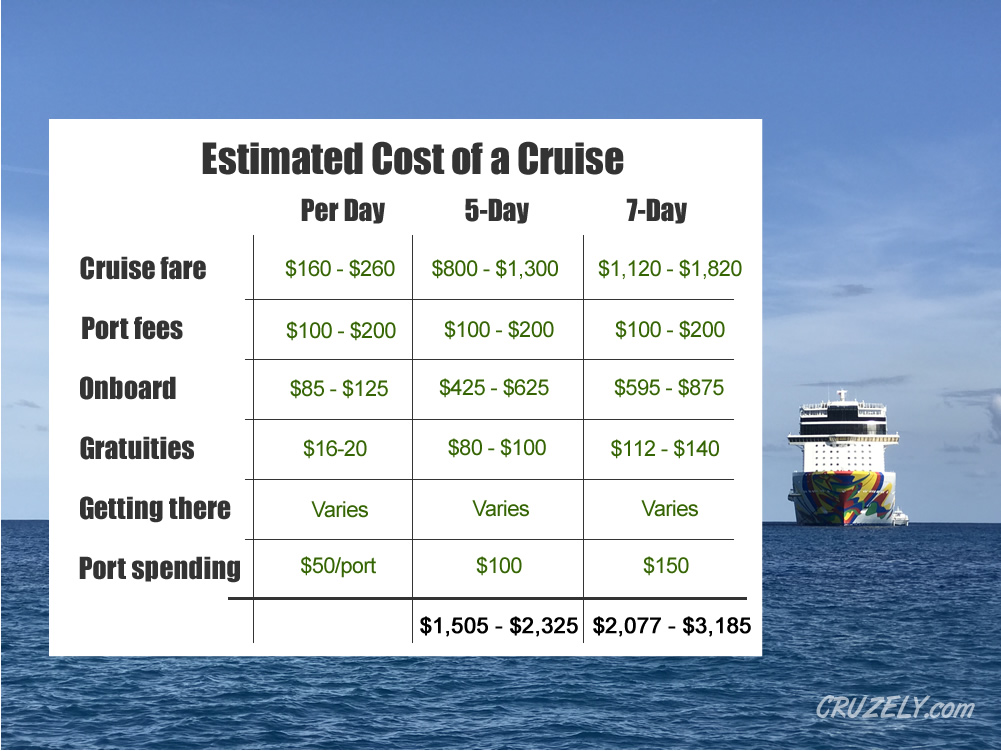
There isn’t a single, universal “average” cruise price. Instead, costs fluctuate wildly based on the cruise line, ship, itinerary, cabin category, time of year, and your personal spending habits onboard and ashore. What might seem like an incredible upfront deal can quickly escalate with additional expenses. By meticulously examining each facet of a cruise’s cost, from the initial base fare to often-overlooked ancillary charges, you can gain a clear financial picture and make informed decisions to optimize your vacation budget.
Deconstructing the Base Fare: What You’re Really Paying For
The base fare is the advertised price for your cabin and access to the ship’s general amenities, but even this seemingly straightforward cost is influenced by several critical factors. It’s the foundational element of your cruise budget, setting the stage for all subsequent expenses.
Cruise Line and Ship Class: A Spectrum of Value
The choice of cruise line is perhaps the most significant determinant of your base fare. The market segments into distinct tiers, each catering to different preferences and price points.
-
Budget-Friendly Lines: Companies like Carnival or MSC Cruises often provide competitive pricing, focusing on lively atmospheres and a broad appeal. These are excellent for first-time cruisers or those prioritizing cost efficiency.
-
Mainstream Lines: Royal Caribbean, Norwegian Cruise Line, and Princess Cruises occupy the mid-range, offering a balance of amenities, dining options, and destinations. They provide a step up in terms of ship size, entertainment, and variety.
-
Premium Lines: Celebrity Cruises, Holland America Line, or Disney Cruise Line typically offer a more refined experience, often with a higher staff-to-guest ratio, elevated dining, and more sophisticated entertainment. Their base fares reflect this enhanced service.
-
Luxury Lines: Regent Seven Seas, Seabourn, Silversea, and Viking Ocean Cruises are at the pinnacle, with significantly higher base fares that usually include nearly everything: specialty dining, unlimited drinks, gratuities, Wi-Fi, and even some shore excursions.
Newer ships, regardless of the line, often command higher prices due to their state-of-the-art facilities, innovative attractions, and contemporary design. Conversely, older, refurbished ships can offer excellent value for budget-conscious travelers.
Itinerary and Duration: The Destination’s Price Tag
Where you go and for how long profoundly impacts the base fare.
-
Duration: Short cruises (3-5 nights) are generally less expensive per trip but can sometimes be more costly per day than longer voyages (7-14 nights). Week-long cruises are the most common and often provide the best balance of time and value. Extended sailings or world cruises represent a significant financial commitment, often costing tens of thousands.
-
Destination: Popular routes like the Caribbean or Mexican Riviera frequently have competitive pricing due to high demand and numerous departures. Niche or exotic itineraries such as Alaska, the Galapagos, Antarctica, or trans-oceanic voyages typically come with a higher price tag due to their unique experiences and logistical complexities. Peak travel seasons for specific regions (e.g., summer in Alaska, winter in the Caribbean) will also drive up prices.
Cabin Category: Your Home at Sea
Your choice of cabin significantly impacts the base fare, ranging from the most economical to the most luxurious.
-
Inside Cabins: These windowless rooms are the most affordable option, ideal for budget travelers who plan to spend most of their time outside the cabin.
-
Oceanview Cabins: Featuring a porthole or window, these offer natural light and a glimpse of the outside world without the added expense of a private balcony.
-
Balcony Cabins: Providing a private outdoor space, balcony cabins are highly sought after and command a premium. They are perfect for enjoying sea breezes and scenic views in privacy.
-
Suites: The most luxurious and expensive option, suites offer more space, often separate living areas, enhanced amenities, and sometimes exclusive perks like priority boarding or concierge services.
Time of Year and Booking Window: Strategic Savings
When you book and when you sail are critical financial considerations.
-
Off-Peak Travel: Cruising during the “shoulder season” (e.g., late spring/early fall for the Caribbean) or the “off-season” (e.g., hurricane season for the Caribbean, though with risks) can yield substantial savings. Traveling during major holidays or school breaks invariably increases prices.
-
Booking Strategy: Booking very early (6-18 months out) can secure good prices and cabin choices, often with early bird discounts or added perks. Conversely, last-minute deals (within 90 days of sailing) can sometimes emerge if ships aren’t fully booked, though cabin choices may be limited. For popular itineraries, waiting for last-minute deals is a gamble.
Beyond the Base Fare: Unmasking Hidden and Optional Expenses
While the base fare forms the foundation, a significant portion of your total cruise cost will come from expenses incurred before, during, and after your voyage. Ignoring these can lead to a substantial budget overrun, impacting your personal finance stability.
Onboard Spending: The A La Carte Experience
Many cruise lines operate on a “pay-as-you-go” model for numerous amenities beyond the basics. These add-ons are often where budgets get stretched.
-
Specialty Dining: While main dining rooms and buffets are usually included, most ships feature upscale specialty restaurants (e.g., steakhouses, Italian, sushi) that charge a per-person cover fee or à la carte pricing.
-
Drink Packages: Alcoholic beverage packages can range from $50-$80+ per person, per day, while non-alcoholic soda or coffee packages are also available. For heavy drinkers, these can offer value, but for light drinkers, paying per drink is often more economical.
-
Shore Excursions: These organized tours in port can range from $50 for a simple city tour to several hundred dollars for unique experiences like helicopter rides or private guided adventures. You can often save money by researching independent local operators or exploring on your own, but consider the potential risks and logistical challenges.
-
Spa Treatments and Salon Services: Massages, facials, hair styling, and other pampering services are premium experiences and can be quite expensive, comparable to high-end spas on land.
-
Gambling and Shopping: The casino, duty-free shops, and onboard boutiques are designed to entice spending. Setting a clear budget for these activities is essential.
-
Internet/Wi-Fi Packages: Connectivity at sea is a premium. Packages can be expensive, often ranging from $15-$30 per day, or more for unlimited, high-speed access.
-
Other Services: Laundry, medical services, and certain fitness classes (e.g., yoga, Pilates) typically incur additional charges.
Mandatory Charges and Gratuities: Non-Negotiable Additions
These costs are often separate from the advertised base fare but are unavoidable parts of your cruise’s financial blueprint.
-
Port Fees and Taxes: These government-imposed charges are almost always added to your base fare. They vary widely by itinerary and duration, often ranging from $100-$300+ per person for a week-long cruise. Be wary of advertised prices that do not clearly state whether these are included.
-
Crew Gratuities: Standard practice on nearly all cruise lines, these are daily charges (typically $14-$18 per person, per day) for the hard work of the cabin stewards, dining staff, and other service personnel. While you can sometimes adjust them onboard, they are a significant and expected part of the cruise experience, and many passengers pre-pay them for convenience.
Pre- and Post-Cruise Expenses: The Travel Logistics
Your cruise vacation isn’t just about the time spent on the ship; getting to and from the port and other travel-related necessities also contribute significantly to the total cost.
-
Flights: Unless you live near a major cruise port, airfare to your embarkation city is a primary expense. Factor in potential luggage fees.
-
Hotel Stays: Many cruisers opt for a pre-cruise hotel stay to mitigate flight delays and enjoy the port city. Post-cruise stays are also common.
-
Transfers: Costs for shuttles, taxis, or ride-shares between the airport, hotel, and cruise terminal need to be budgeted.
-
Travel Insurance: A critical personal finance tool, travel insurance protects your investment against unforeseen events like trip cancellation, medical emergencies, or lost luggage. The cost varies based on age, trip cost, and coverage level, but it’s a wise expenditure for peace of mind.
-
Passports and Visas: Ensure your travel documents are up-to-date. Renewing a passport or acquiring visas for specific international destinations adds to the cost.
Budgeting Strategies for Your Cruise Vacation
Effective budgeting is paramount to enjoying your cruise without financial stress. A well-planned financial approach can transform an expensive-looking trip into an attainable and highly enjoyable experience.
Setting a Realistic Budget: Know Your Limits
Before even looking at cruise options, determine your total vacation spending limit. Be honest about what you can comfortably afford, considering your savings, income, and other financial obligations. Once you have a total figure, you can allocate portions to airfare, the cruise fare, onboard spending, and pre/post-cruise incidentals. This top-down approach helps to frame your choices.
Prioritizing Your Spending: Needs vs. Wants
Distinguish between essential expenses and optional splurges. Is a balcony cabin non-negotiable, or would an oceanview suffice if it frees up funds for an exciting shore excursion? Do you need a premium drink package, or can you enjoy complimentary water, tea, and coffee, perhaps buying an occasional alcoholic beverage? Prioritizing allows you to direct your money towards the experiences that matter most to you.
Leveraging Deals and Discounts: Savvy Shopping
Smart shoppers can significantly reduce cruise costs.
-
Early Booking Perks: Booking far in advance can lock in lower rates and offer incentives like onboard credit, free gratuities, or cabin upgrades.
-
Last-Minute Deals: For spontaneous travelers with flexible schedules, waiting for close-in discounts can be rewarding, especially for less popular sailings or routes.
-
Off-Peak Travel: As mentioned, sailing during the shoulder seasons is a reliable way to save money.
-
Loyalty Programs: If you cruise frequently with the same line, their loyalty programs can offer discounts, exclusive access, or onboard credits.
-
Travel Agents: Experienced cruise travel agents often have access to group rates, exclusive promotions, and can bundle packages (e.g., flight + cruise) for better value. They can also provide insights into which “all-inclusive” claims are truly comprehensive.
-
Promotional Offers: Look out for promotions like “kids sail free,” “free drink packages,” or “free specialty dining.” Always read the fine print, as these often come with conditions or may simply shift costs elsewhere.
Understanding “All-Inclusive” Claims: Read the Fine Print
The term “all-inclusive” can be misleading in the cruise industry. While luxury lines truly offer a comprehensive package, mainstream lines’ “all-inclusive” promotions often refer to specific bundles (e.g., drinks, Wi-Fi, and gratuities included for a limited time). Always scrutinize what is actually covered versus what remains an extra charge. Don’t assume anything; clarify with the cruise line or your travel agent exactly what your fare encompasses to avoid financial surprises.
Average Cruise Costs: A Range, Not a Fixed Number
Given the myriad of variables, providing a single “average” cost for a cruise is impossible. Instead, it’s more helpful to think in terms of ranges, understanding that the “all-in” cost will always be higher than the advertised base fare.
Budget-Friendly Cruises: Accessible Adventures
For a 3- to 5-day cruise on a mainstream line (e.g., Carnival, MSC, Royal Caribbean) in an inside cabin, expect base fares to start around $75 – $150 per person, per day.
-
Total Base Fare (3-day): $225 – $450
-
Total Base Fare (7-day): $525 – $1050
Adding port fees, taxes, and a conservative estimate for gratuities and minimal onboard spending, the all-in cost for a budget-friendly cruise could range from $150 – $250 per person, per day, bringing a 7-day trip to $1,050 – $1,750 per person. This often assumes limited specialty dining, no drink packages, and perhaps one or two modest shore excursions.
Mid-Range Cruises: Popular Choices
For a 7-day cruise on a mainstream or premium line (e.g., Princess, Norwegian, Celebrity) in an oceanview or balcony cabin, base fares typically range from $120 – $250 per person, per day.
- Total Base Fare (7-day): $840 – $1,750
Factoring in port fees, taxes, gratuities, a drink package, a few specialty meals, and a couple of decent shore excursions, the all-in cost for a mid-range cruise could be in the range of $250 – $450 per person, per day. A 7-day mid-range cruise could realistically cost $1,750 – $3,150 per person. This provides a comfortable experience with some indulgences.
Luxury and Expedition Cruises: The Premium Experience
For a 7-day luxury or expedition cruise (e.g., Regent Seven Seas, Viking, Seabourn) in a suite, where most amenities are included, base fares start around $400 – $1,000+ per person, per day.
- Total Base Fare (7-day): $2,800 – $7,000+
Because so much is included (drinks, gratuities, some excursions, Wi-Fi), the gap between the base fare and the all-in cost is narrower. However, higher-end excursions, extensive spa treatments, or significant purchases can still add to the total. Expect the all-in cost to hover around $500 – $1,200+ per person, per day, translating to $3,500 – $8,400+ per person for a week. These cruises represent a significant investment but offer unparalleled service and inclusions.
The “All-In” Cost Estimation: A Prudent Rule of Thumb
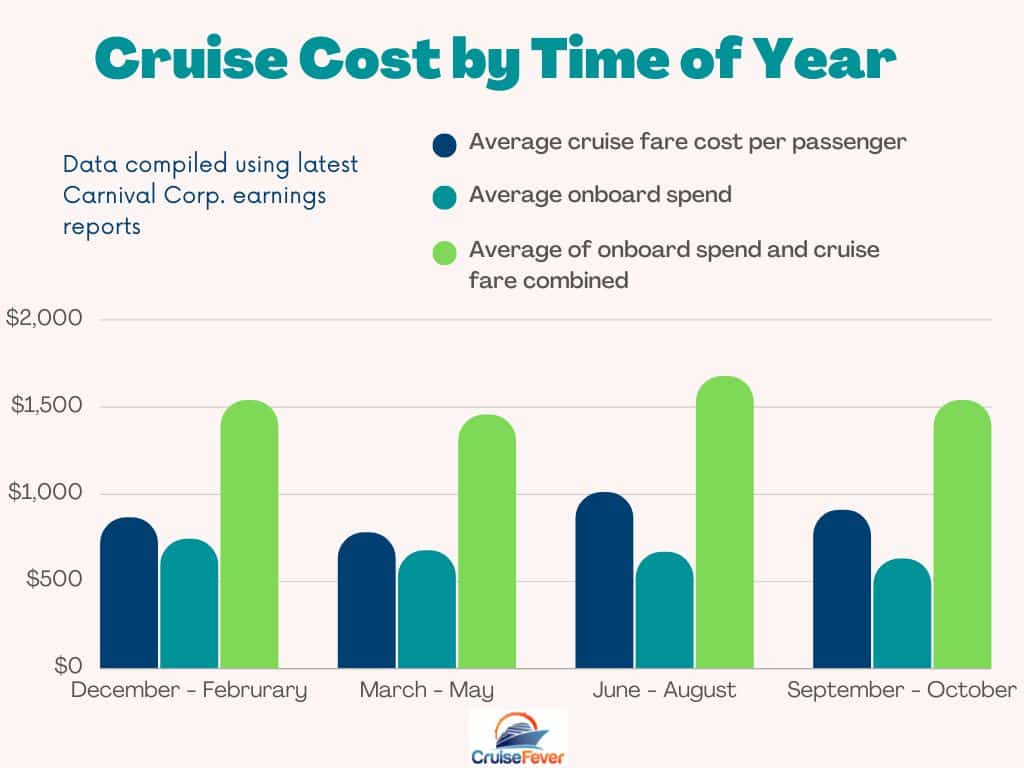
As a general rule for mainstream and premium cruises, it’s prudent to budget an additional 50% to 100% of your base fare for all other expenses (flights, pre/post hotels, port fees, gratuities, onboard spending, excursions, insurance). So, if your base fare for a 7-day cruise is $1,000, plan for a total budget of $1,500 to $2,000 per person. This flexible range accounts for different spending habits and unexpected incidentals, offering a more realistic financial outlook.
In conclusion, while the average cruise cost remains an elusive number, a thorough understanding of its constituent parts empowers you to make financially savvy choices. By carefully researching cruise lines, itineraries, cabin categories, and anticipating both mandatory and optional expenses, you can craft a budget that ensures your dream vacation doesn’t become a financial nightmare. A cruise can indeed offer exceptional value for money, but only when approached with a professional and insightful financial strategy. Happy sailing and smart budgeting!
aViewFromTheCave is a participant in the Amazon Services LLC Associates Program, an affiliate advertising program designed to provide a means for sites to earn advertising fees by advertising and linking to Amazon.com. Amazon, the Amazon logo, AmazonSupply, and the AmazonSupply logo are trademarks of Amazon.com, Inc. or its affiliates. As an Amazon Associate we earn affiliate commissions from qualifying purchases.