
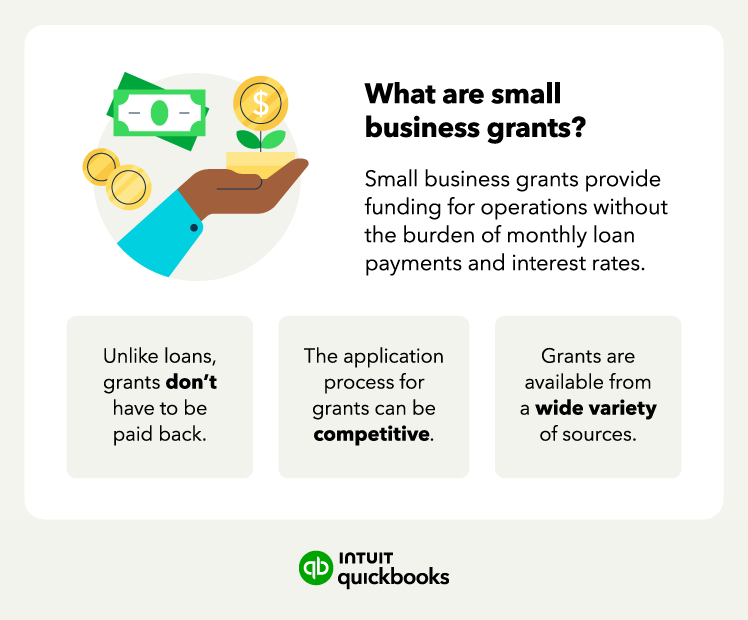
In the world of business finance, the term “free money” is often met with skepticism. However, small business grants represent one of the few legitimate avenues for entrepreneurs to secure capital without the burden of repayment or the sacrifice of equity. Unlike venture capital, which demands a piece of your company, or traditional bank loans, which require monthly interest payments, grants provide non-dilutive funding that can accelerate growth, fund research, or bridge a critical cash flow gap.
Yet, the path to securing these funds is paved with rigorous competition and administrative complexity. To successfully navigate the landscape of small business grants, an entrepreneur must view the process not as a lottery, but as a strategic financial operation. This guide explores the mechanisms of the grant ecosystem, how to prepare your financial infrastructure for scrutiny, and the tactical steps required to submit a winning proposal.
Understanding the Landscape of Small Business Grants
Before diving into applications, it is essential to understand that not all grants are created equal. They are categorized by their source, their intent, and their eligibility requirements. In the “Money” niche of business finance, grants are viewed as a specific type of asset that requires a high “cost of acquisition” in terms of time, even if the capital itself is interest-free.
Federal vs. State-Level Opportunities
The federal government is the largest purveyor of small business grants, primarily through agencies like the Small Business Administration (SBA). Programs such as the Small Business Innovation Research (SBIR) and Small Business Technology Transfer (STTR) are designed to support R&D that has a high potential for commercialization.
On a more localized level, state and municipal governments offer grants aimed at economic development. These are often more accessible than federal grants because they focus on keeping businesses within a specific geographic area. State grants may be tied to job creation, revitalizing a specific neighborhood, or supporting industries critical to the local economy, such as manufacturing or agriculture.
Private Foundations and Corporate Grant Programs
Beyond government entities, the private sector is an increasingly fertile ground for funding. Large corporations like FedEx, Visa, and Amazon frequently run annual grant competitions. These programs serve dual purposes: they fulfill corporate social responsibility (CSR) goals and integrate small businesses into the corporation’s ecosystem.
Private foundations also offer grants, though these are typically more mission-driven. If your business solves a specific social problem—such as environmental sustainability or financial literacy—you may find success targeting foundations that prioritize those specific outcomes.
The Difference Between Grants and Loans
From a financial management perspective, it is vital to distinguish grants from debt. A loan is a liability on your balance sheet; a grant is essentially “other income” that increases your equity without increasing your debt-to-income ratio. However, grants often come with “strings attached” in the form of restricted use. While a loan can often be used for any general business purpose, a grant might be restricted strictly to purchasing equipment, hiring a specific consultant, or conducting a specific feasibility study.
Preparing Your Business for the Application Process
Securing a grant is a test of your business’s organizational maturity. Grantors are looking for “investable” entities—businesses that have their financial house in order and can prove they will use the funds effectively.
Developing a Robust Business Plan
No serious grantor will provide funding without a comprehensive business plan. This document should serve as your financial roadmap. It needs to clearly articulate your value proposition, your target market, and your revenue model. In the context of a grant application, your business plan must also emphasize the “need.” You must demonstrate why this specific injection of capital is the missing piece that will allow your business to reach its next milestone.
Financial Transparency and Documentation
Transparency is the currency of the grant world. You will need to provide detailed financial statements, including balance sheets, income statements, and cash flow projections. If your business is already operational, you must show a history of fiscal responsibility.
Ensure you have your essential legal and financial identifiers ready:
- EIN (Employer Identification Number): Your federal tax ID.
- UEI (Unique Entity Identifier): Required for federal grants via SAM.gov.
- Tax Returns: Usually the last two to three years of business and/or personal returns.
- Bank Statements: To verify current liquidity and cash management habits.
Defining Your Social or Economic Impact
In the “Money” niche, we often focus on ROI (Return on Investment). For a grantor, the “return” isn’t a dividend; it’s the impact. To prepare for a grant, you must quantify your impact. Will this grant allow you to hire three more people from an underserved community? Will it reduce carbon emissions in your manufacturing process? Being able to attach hard numbers to your social or economic contributions makes your application significantly more attractive.
Where to Find the Best Grant Opportunities
Finding the right grant is a matter of alignment. You want to find an organization whose goals overlap perfectly with your business’s activities.
Grants.gov and Federal Agencies
Grants.gov is the centralized database for all federal grant opportunities. It is a massive, sometimes overwhelming resource, but it is the gold standard for high-value funding. Success here requires setting up a profile early and using the “Search” function to filter by “Small Business” and “Eligibility.” Specialized agencies like the Department of Energy (DOE) or the National Institutes of Health (NIH) have their own specific portals for technical and scientific grants.
Industry-Specific and Niche Funding
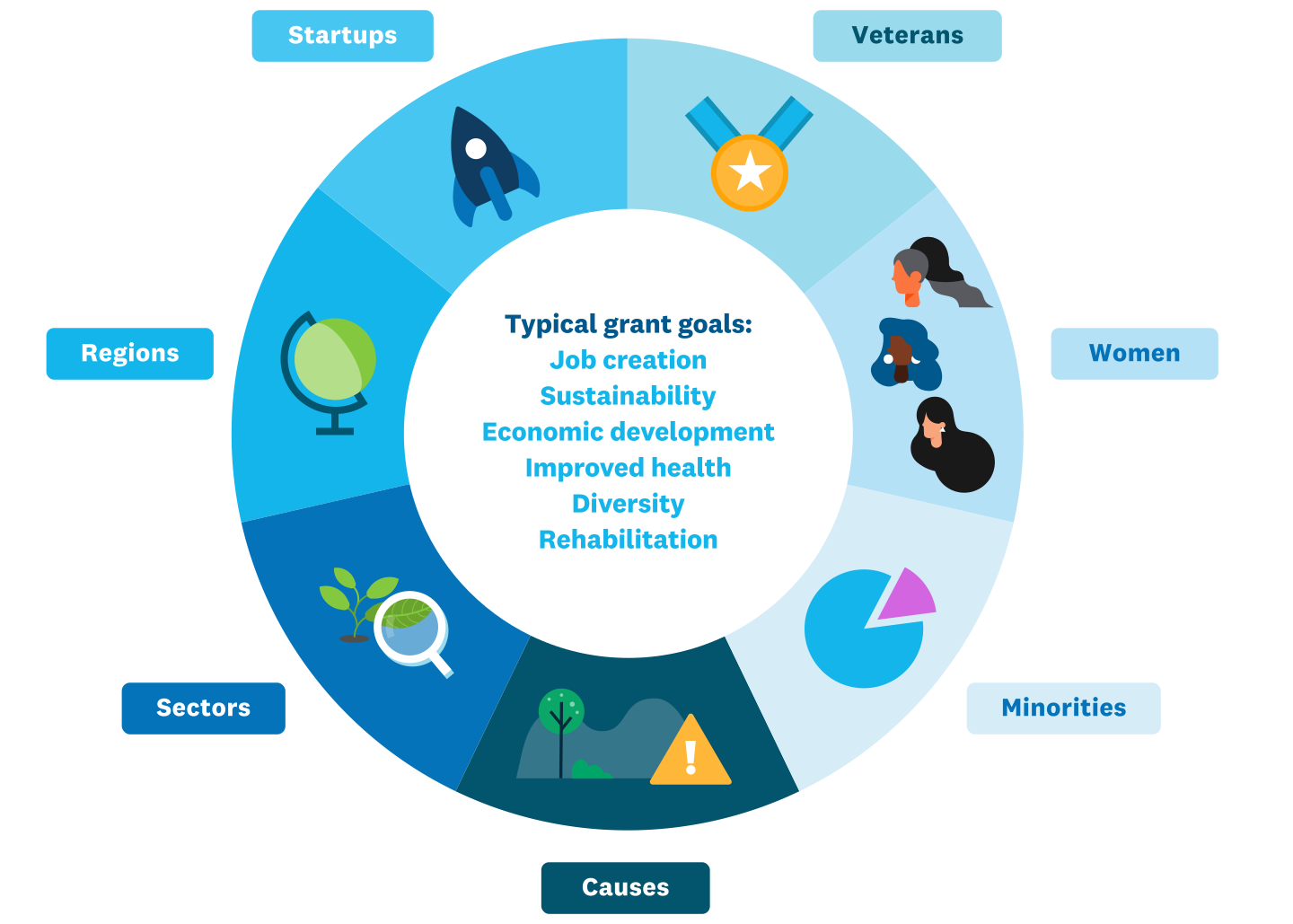
General grants are the most competitive. To increase your odds, look for industry-specific funding. For example, there are grants specifically for women in technology, veterans starting agricultural businesses, or minority-owned firms in the construction sector. Organizations like the National Association for the Self-Employed (NASE) offer “Growth Grants” to their members, which are often less competitive than broad national programs.
Support for Underrepresented Founders
There is a growing movement in business finance to bridge the funding gap for underrepresented founders. Organizations like the Amber Grant (for women) and the Minority Business Development Agency (MBDA) provide targeted resources and capital. These programs recognize that systemic barriers often prevent these groups from accessing traditional venture capital or bank loans, making grants a vital tool for equity.
Crafting a Winning Grant Proposal
Once you’ve identified a grant and prepared your documentation, the final hurdle is the proposal itself. This is where you move from financial data to persuasive narrative.
Aligning with the Grantor’s Mission
Every grant has a “Why.” Before writing a single word, read the grantor’s mission statement and the specific “Request for Proposal” (RFP) guidelines. If the grantor focuses on “innovation,” use that language. If they focus on “sustainability,” highlight your green initiatives. Your proposal should mirror the values of the organization giving the money.
Budgeting and Resource Allocation
A common mistake in grant writing is being vague about the money. A winning proposal includes a line-item budget that accounts for every dollar requested. If you are asking for $50,000, show exactly how much goes to payroll, how much to software, and how much to raw materials. This level of detail builds trust and proves that you have a disciplined approach to financial management.
The Importance of Post-Award Compliance
Winning the grant is only half the battle. Most grants require periodic reporting. You will likely need to submit reports showing how the money was spent and what outcomes were achieved. In your proposal, mention your ability to track these metrics. Demonstrating that you have the accounting systems in place to handle “restricted funds” shows a level of professional sophistication that sets you apart from less-prepared applicants.
Common Pitfalls and How to Avoid Them
Even with a great business idea, simple errors can lead to a rejection. Treating the application with the same seriousness as a tax audit or a legal contract is necessary.
Ignoring Eligibility Requirements
This is the most frequent cause of rejection. If a grant is for businesses with fewer than 10 employees and you have 11, do not apply. If it requires you to be in business for two years and you’ve been open for 18 months, wait for the next cycle. Grant reviewers use eligibility as a primary filter to reduce the pile of applications; don’t give them a reason to discard yours in the first five minutes.
Missing Deadlines and Submission Errors
The “Money” world moves on strict timelines. A federal grant application submitted one minute past the deadline is automatically disqualified—no exceptions. Furthermore, ensure all attachments are in the correct format (usually PDF) and that all required signatures are present. Utilizing a “Grant Calendar” to track deadlines and internal milestones (like “Budget Draft Due” or “Executive Summary Review”) is a hallmark of a professional operation.

Falling for Grant Scams
Finally, a warning on the darker side of business finance. Real grants do not require an “application fee” or a “processing fee.” If a website asks for money upfront to “guarantee” you a grant, it is a scam. Legitimate grants are competitive and never guaranteed. Always verify the source of the grant and look for “.gov” or “.org” extensions or well-known corporate domains.
By treating the pursuit of small business grants as a disciplined financial strategy rather than a desperate search for cash, you position your business for long-term stability. Grants provide the foundation upon which sustainable, profitable, and impactful enterprises are built. In the complex world of money and business, they remain the ultimate tool for the savvy entrepreneur.
aViewFromTheCave is a participant in the Amazon Services LLC Associates Program, an affiliate advertising program designed to provide a means for sites to earn advertising fees by advertising and linking to Amazon.com. Amazon, the Amazon logo, AmazonSupply, and the AmazonSupply logo are trademarks of Amazon.com, Inc. or its affiliates. As an Amazon Associate we earn affiliate commissions from qualifying purchases.