
In the rapidly evolving landscape of distributed ledger technology, the “wallet” is the fundamental gateway to the blockchain. However, the term is somewhat of a misnomer. Unlike a physical leather wallet that holds paper currency, a crypto wallet does not store your digital assets. Instead, it stores the cryptographic keys that allow you to access and manage your data on the blockchain.
Acquiring a crypto wallet is the first and most critical technical step for anyone looking to interact with decentralized applications (dApps), non-fungible tokens (NFTs), or cryptocurrency protocols. This guide provides a deep dive into the technical architecture of wallets and a step-by-step roadmap to setting one up securely.
Understanding the Architecture of Crypto Wallets
Before downloading software or purchasing hardware, it is essential to understand the underlying mechanics of how a wallet functions. At its core, a crypto wallet is a tool for managing asymmetric cryptography.
Public vs. Private Keys: The Foundation of Digital Ownership
Every crypto wallet consists of a pair of keys: a public key and a private key.
- The Public Key: This is comparable to an email address or a bank account number. It is safe to share and is used to generate the “address” where others can send you assets. In technical terms, the public key is derived from the private key using a mathematical algorithm (such as the Elliptic Curve Digital Signature Algorithm or ECDSA), but it is computationally impossible to reverse the process.
- The Private Key: This is the equivalent of a digital signature and a password combined. It allows you to “sign” transactions, proving to the network that you are the owner of the assets associated with your public address. If a third party gains access to your private key, they have full control over your assets.
How the Blockchain Interacts with Your Wallet
When you “get” a crypto wallet, you are essentially generating a unique identifier on the blockchain. The assets themselves live on the decentralized ledger (like Ethereum, Bitcoin, or Solana). Your wallet software or hardware simply provides the interface to view those balances and the cryptographic tools to move them. This distinction is vital for understanding that if you lose your phone or your hardware device, your assets are not lost—provided you have the backup information (the recovery phrase) to recreate your keys on a new interface.
Choosing the Right Type: Hot Wallets vs. Cold Wallets
The “how” of getting a wallet depends largely on your technical needs and your security risk profile. Wallets are generally categorized into two main types: Hot and Cold.
Software Wallets: Convenience and Connectivity
Hot wallets are software-based applications that remain connected to the internet. These are the most common entry points for beginners because they are often free and offer a seamless user experience.
- Browser Extensions: Tools like MetaMask or Phantom install directly into your web browser, allowing you to interact with Web3 websites instantly.
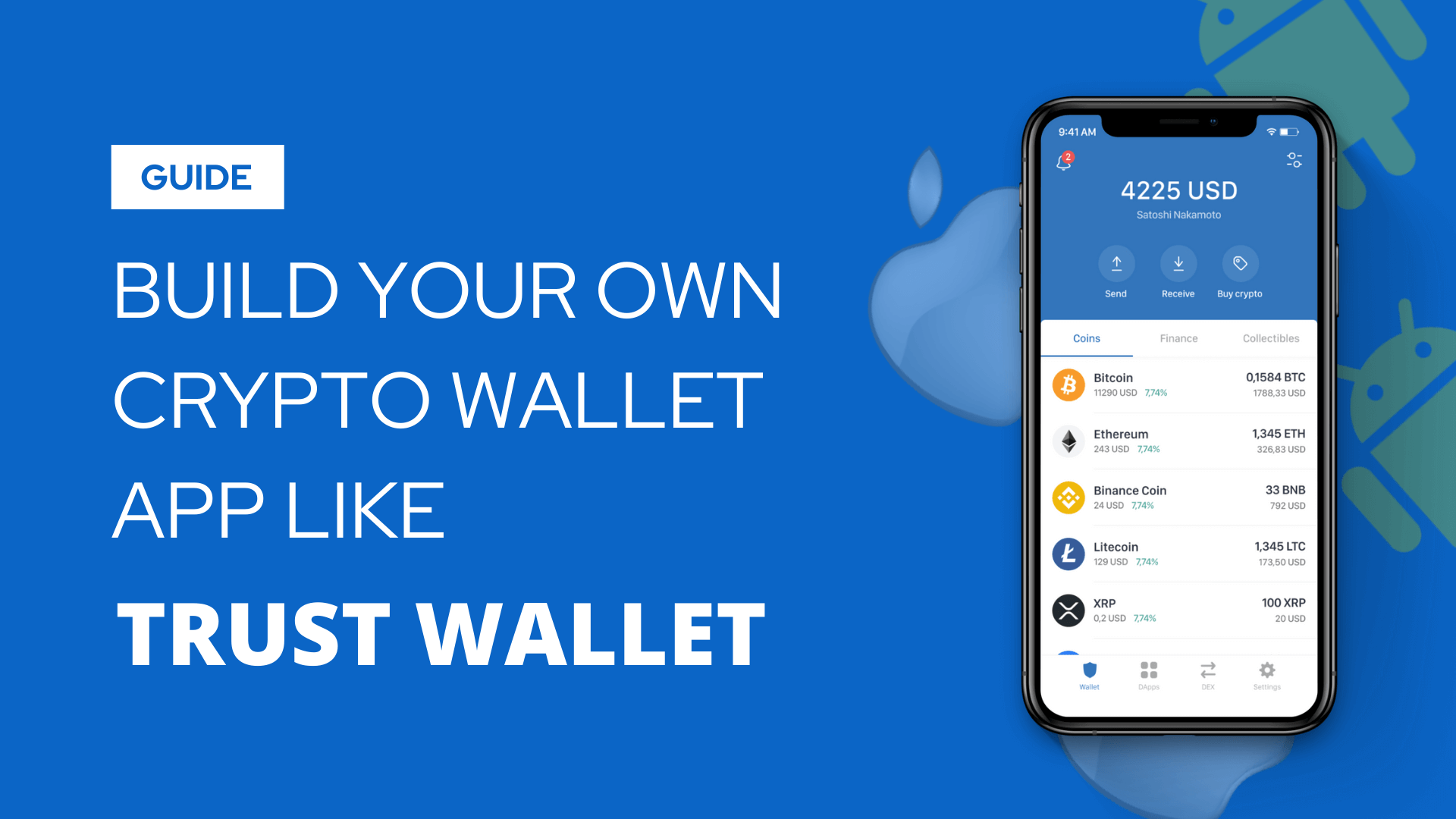
- Mobile Apps: Wallets like Coinbase Wallet (self-custodial) or Trust Wallet offer the convenience of managing assets via a smartphone.
While convenient, hot wallets are technically more vulnerable to malware, phishing attacks, and “hot” exploits because the private keys are stored on a device that is online.
Hardware Wallets: The Gold Standard of Security
Cold wallets, or hardware wallets, are physical devices designed to store private keys in an “air-gapped” environment—meaning they are never exposed to the internet.
- The Technical Edge: When you initiate a transaction using a hardware wallet (like a Ledger or Trezor), the transaction data is sent to the device. The device signs the transaction internally using the private key and sends only the signed data back to the computer. Your private key never leaves the secure element of the hardware.
For anyone holding significant value, acquiring a hardware wallet is a technical necessity rather than an optional luxury.
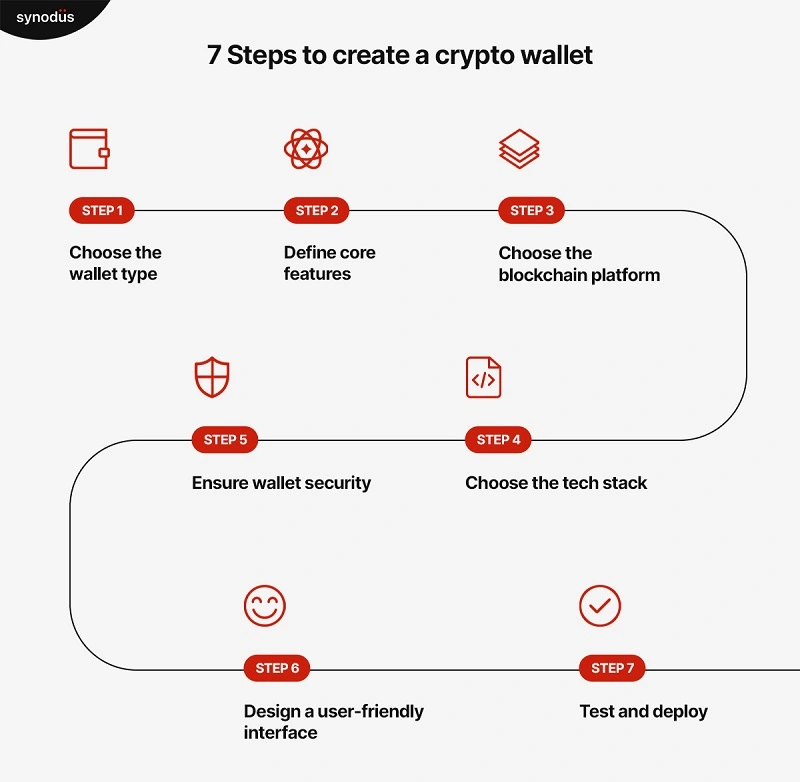
Step-by-Step Technical Setup for a Software Wallet

If you are looking for the most immediate way to get a crypto wallet, a non-custodial software wallet is the standard choice. Here is the technical workflow for a standard installation.
Selecting a Reputable Provider
The first step is identifying the correct software for the specific blockchain you intend to use. For the Ethereum Virtual Machine (EVM) ecosystem, MetaMask is the industry standard. For the Solana ecosystem, Phantom is the leading choice. It is crucial to download these tools only from official websites or verified app stores to avoid “spoofing” attacks where malicious actors create fake versions of wallets to steal keys.
Installation and Initial Configuration
Once the extension or app is installed, you will be prompted to “Create a New Wallet.” During this process, the software generates a new master private key. You will be asked to create a local password. It is important to note that this password only unlocks the software on that specific device; it is not your private key and cannot be used to recover your wallet on a different computer.
Securing the Recovery Phrase (Seed Phrase)
This is the most critical stage of the setup. The wallet will generate a “Secret Recovery Phrase”—usually a 12 or 24-word string of random words. This phrase is a human-readable representation of your master private key, following the BIP-39 technical standard.
- Technical Best Practice: Never store this phrase in a digital format (no screenshots, no cloud storage, no emails). Write it down on physical paper or engrave it in metal and store it in a secure location. If your device breaks or is stolen, this phrase is the only way to regenerate your keys and access your funds.
Advanced Security Protocols and Best Practices
Once the wallet is generated, the technical management of that wallet determines the safety of your assets. Simply “having” a wallet is not enough; you must secure it.
Implementing Multi-Factor Authentication (MFA) and Multisig
While standard software wallets rely on a single signature, advanced users often opt for Multi-signature (Multisig) wallets. A Multisig wallet (such as Gnosis Safe) requires two or more private keys to sign a transaction before it can be executed. This is a common technical setup for DAOs (Decentralized Autonomous Organizations) or individuals with high-security requirements, as it eliminates the single point of failure.
Cold Storage and Air-Gapping
For those utilizing hardware wallets, the setup involves connecting the device via USB or Bluetooth to a dedicated application (like Ledger Live). The device will generate the seed phrase on its own internal screen, ensuring the words never touch a computer screen where they could be logged by spyware.
Navigating the Interface: Sending, Receiving, and Connecting to dApps
After the technical setup is complete, you must understand how to utilize the wallet’s interface to interact with the broader digital ecosystem.
Executing Transactions Safely
To receive assets, you will copy your “Public Address”—a long string of alphanumeric characters starting with symbols like 0x (for Ethereum). When sending assets, you will paste the recipient’s address.
- Technical Tip: Always use the “copy/paste” function or a QR code. Manually typing a 42-character hex code is prone to error, and transactions on the blockchain are immutable; there is no “undo” button once a transaction is confirmed by the network.
Integrating with the Web3 Ecosystem
One of the primary functions of a modern crypto wallet is acting as a “digital passport.” When you visit a decentralized finance (DeFi) platform or an NFT marketplace, you will see a “Connect Wallet” button. Technically, this does not give the website access to your funds. Instead, it allows the website to read your public address and request your signature for specific actions. Every time a site wants to move funds or interact with your assets, your wallet will trigger a pop-up window requiring your manual approval and cryptographic signature.
Conclusion
Getting a crypto wallet is a transition from the traditional custodial model of finance to a self-sovereign technical model. By understanding the relationship between public and private keys, choosing between hot and cold storage, and strictly adhering to recovery phrase security protocols, you can navigate the decentralized web with confidence. The technical barrier to entry may seem high, but the control and security offered by a properly configured wallet are the cornerstones of the digital asset revolution.
aViewFromTheCave is a participant in the Amazon Services LLC Associates Program, an affiliate advertising program designed to provide a means for sites to earn advertising fees by advertising and linking to Amazon.com. Amazon, the Amazon logo, AmazonSupply, and the AmazonSupply logo are trademarks of Amazon.com, Inc. or its affiliates. As an Amazon Associate we earn affiliate commissions from qualifying purchases.