
In an increasingly digital financial world, managing your money effectively is paramount. While traditional bank accounts and credit cards have long been the pillars of personal finance, prepaid debit cards have emerged as a versatile and accessible tool for a broad spectrum of individuals. Whether you’re navigating budgeting challenges, seeking an alternative to conventional banking, or simply looking for a secure way to manage discretionary spending, understanding how to acquire and utilize a prepaid debit card can empower your financial journey. This comprehensive guide will demystify the process, from selecting the right card to mastering its use, all within the context of sound personal financial management.
Understanding Prepaid Debit Cards: A Primer on Financial Flexibility
Before diving into the acquisition process, it’s crucial to grasp what a prepaid debit card is, how it functions, and who stands to benefit most from its features. Far from being a niche product, prepaid cards offer a unique blend of convenience, control, and accessibility that can be a game-changer for many.
What Exactly is a Prepaid Debit Card?
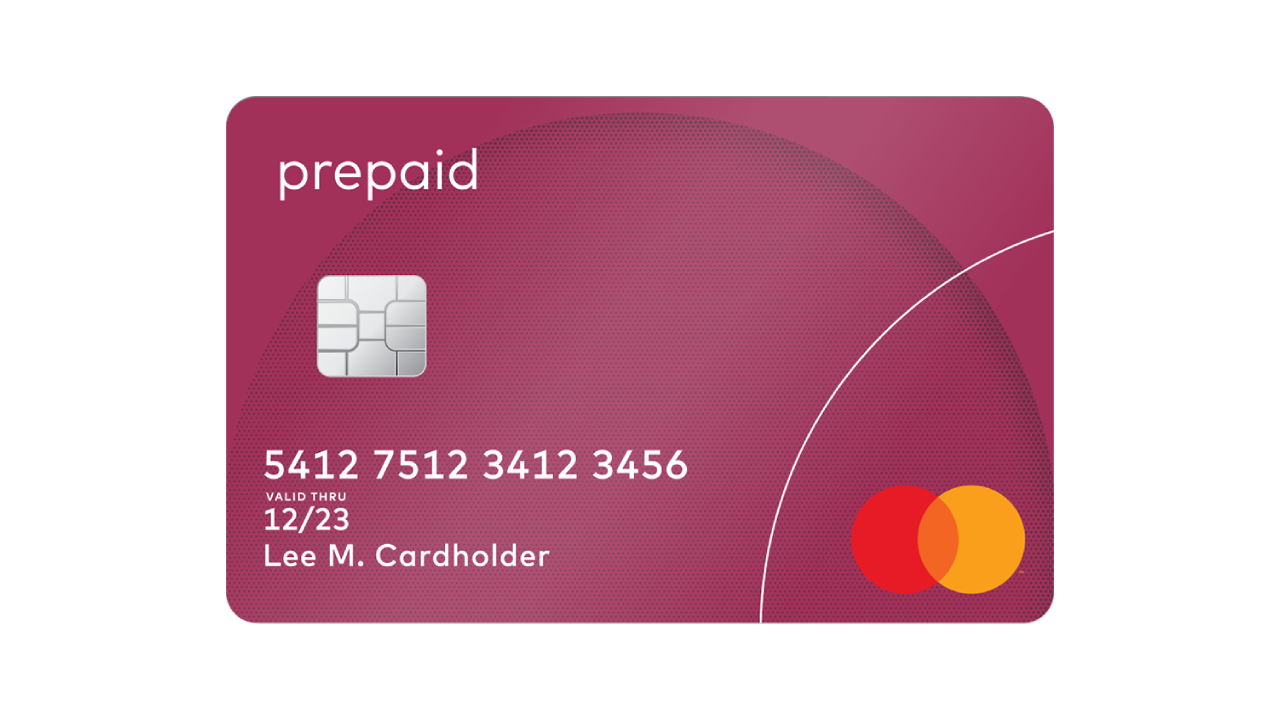
At its core, a prepaid debit card is a payment card that allows you to spend only the money you have pre-loaded onto it. Unlike a traditional debit card, which is linked directly to a checking account, a prepaid card is a standalone financial product. And distinctly different from a credit card, it doesn’t allow you to borrow money, meaning there’s no debt involved and no impact on your credit score. Think of it as a digital wallet that you top up with funds, and then use those funds for purchases wherever major credit and debit cards are accepted, both online and in physical stores. The card typically carries a Visa, MasterCard, Discover, or American Express logo, granting it widespread usability. This “load-and-spend” model is fundamental to its appeal, offering a clear boundary to your spending.
Who Benefits Most from Prepaid Debit Cards?
Prepaid debit cards serve a diverse demographic, each finding unique value in their structure:
- The Unbanked and Underbanked: For individuals without traditional bank accounts, prepaid cards provide a vital entry point into the financial system, allowing them to participate in online commerce, direct deposit paychecks, and avoid costly check-cashing services.
- Budget-Conscious Consumers: They are excellent tools for strict budgeting. By loading a specific amount for categories like groceries or entertainment, users can prevent overspending and stick to their financial plans.
- Teens and Young Adults: Parents often use prepaid cards to give their children financial independence while maintaining control. It’s a safe way for teens to learn money management without the risks associated with credit cards or traditional checking accounts.
- Travelers: Prepaid cards offer a secure alternative to carrying large amounts of cash while traveling, providing a convenient way to manage foreign currency expenses.
- Those Avoiding Debt: For individuals committed to staying out of debt, a prepaid card offers the convenience of plastic without the temptation or risk of borrowing.
- Recipients of Government Benefits: Many government agencies and employers use prepaid cards for benefit disbursements or payroll, offering a fast and secure way to receive funds.
Key Advantages and Disadvantages
Like any financial tool, prepaid debit cards come with their own set of pros and cons, which are important to weigh against your personal financial situation and goals.
Advantages:
- No Debt Accumulation: You can only spend what you load, eliminating the possibility of accumulating debt.
- Accessibility: Easy to obtain, often requiring no credit check or traditional bank account.
- Budgeting Control: Excellent for managing specific spending categories and preventing overspending.
- Security: Safer than carrying cash, and many cards offer fraud protection similar to traditional debit cards.
- Widespread Acceptance: Usable almost anywhere major credit/debit cards are accepted.
- Direct Deposit: Many cards allow direct deposit of paychecks or government benefits, bypassing check-cashing fees.
Disadvantages:
- Fees: This is often the biggest drawback. Cards can carry activation fees, monthly maintenance fees, ATM fees, reload fees, foreign transaction fees, and even inactivity fees.
- No Credit Building: Since you’re not borrowing, using a prepaid card will not help build your credit score.
- Limited Features: They typically lack advanced banking features like interest earnings, overdraft protection, or linked savings accounts.
- FDIC Insurance Variation: While many reputable cards are FDIC-insured, some smaller providers might not offer this protection for your funds. Always check.
- Fund Recovery: While better than cash, recovering funds on a lost or stolen card can sometimes be a more involved process than with traditional bank accounts, depending on the provider.
Navigating the Application Process: Your Step-by-Step Guide
Once you’ve determined that a prepaid debit card aligns with your financial needs, the next step is to acquire one. The process is generally straightforward, but a little preparation can ensure you choose the best card for your circumstances.
Identifying Your Needs and Card Features
Before you even look at specific cards, take a moment to assess how you plan to use it. This will help you narrow down the options based on critical features:
- Fee Structure: This is paramount. Look for cards with low or no monthly fees, free reload options (if possible), and reasonable ATM withdrawal fees. Some cards waive monthly fees if you meet certain direct deposit thresholds.
- Reload Options: How will you add money to the card? Common methods include direct deposit, cash reloads at retail locations (e.g., Walmart, CVS, 7-Eleven), bank transfers, or even mobile check deposit. Ensure the available options are convenient and affordable for you.
- ATM Access: Do you need to withdraw cash frequently? Check the network (e.g., Allpoint, MoneyPass) and associated fees.
- Online Account Management: Look for cards with robust online portals or mobile apps for checking balances, transaction history, and managing alerts.
- FDIC Insurance: Crucial for protecting your funds. Ensure the card is issued or sponsored by a bank that is FDIC-insured.
- Bill Pay: If you plan to use the card for paying bills, confirm it offers an online bill payment feature.
- International Use: If traveling, inquire about foreign transaction fees.
Where to Acquire a Prepaid Debit Card
Prepaid cards are widely available through several channels:
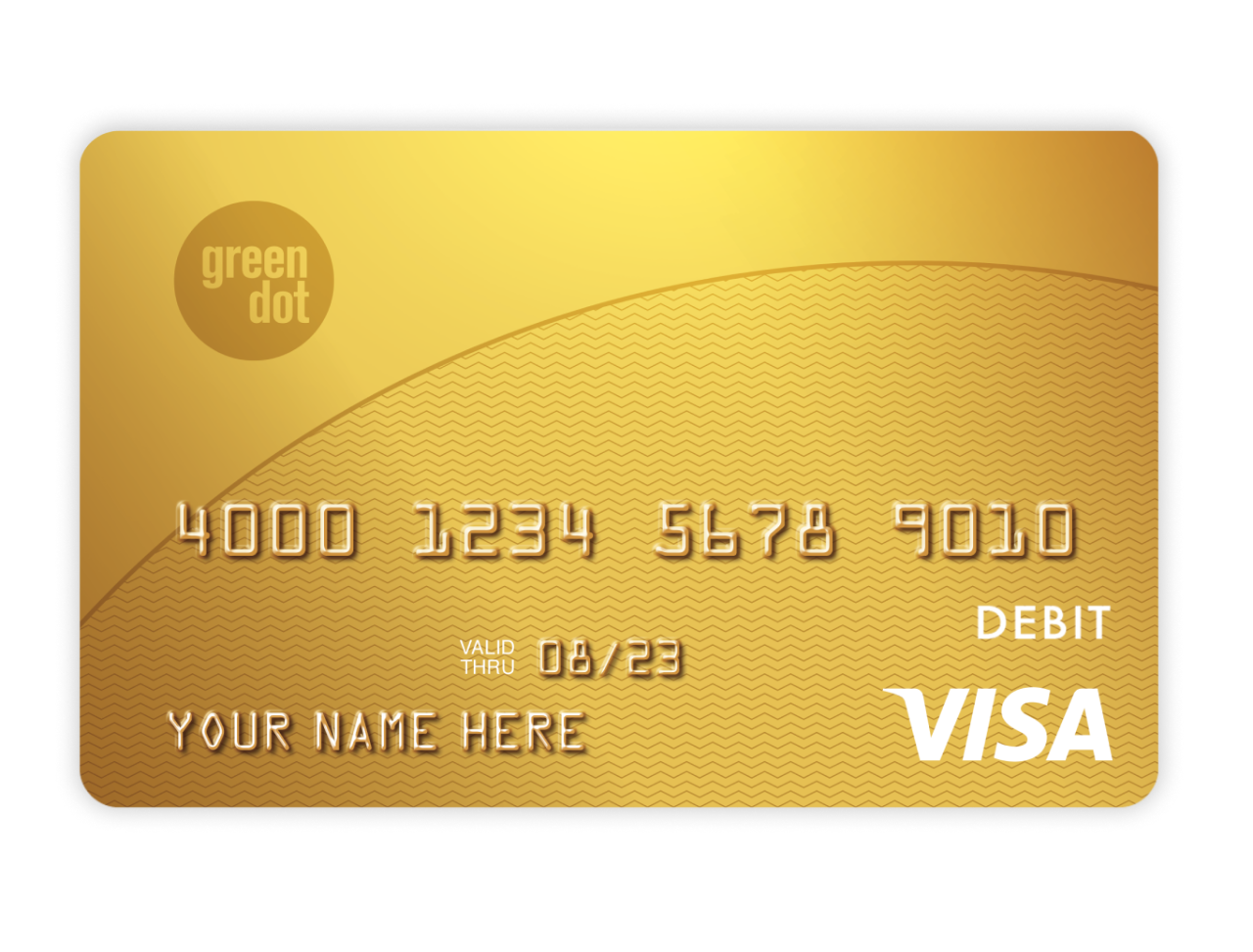
- Online Providers: Many popular prepaid card brands (e.g., Green Dot, NetSpend, PayPal Prepaid) allow you to apply and receive your card by mail directly from their websites. This is often the most convenient way to compare features and fees.
- Retail Stores: You can purchase starter kits for prepaid cards at major retailers, convenience stores, and pharmacies. These kits usually include a temporary card you can load immediately, with a personalized permanent card mailed to you later. Examples include Walmart, CVS, Walgreens, and 7-Eleven.
- Banks and Credit Unions: Some traditional financial institutions offer their own branded prepaid debit cards, which can sometimes come with lower fees for existing customers.
- Payroll Providers/Government Agencies: As mentioned, employers and government entities may issue prepaid cards for payroll or benefit disbursements.
Required Documentation and Information
While prepaid cards require less stringent checks than traditional bank accounts or credit cards, you will still need to provide certain information to comply with federal regulations designed to prevent fraud and money laundering (e.g., the USA PATRIOT Act).
Typically, you’ll need:
- Proof of Identity: A valid government-issued photo ID (driver’s license, state ID, passport).
- Social Security Number (SSN): Many providers require an SSN or Individual Taxpayer Identification Number (ITIN) to verify your identity. If a card claims it doesn’t require an SSN, proceed with caution, as it might lack proper consumer protections.
- Date of Birth: To confirm you meet age requirements (usually 18+ for primary cardholders, though some allow secondary users as young as 13).
- Residential Address: To receive your card and for identity verification.
The application usually involves filling out a short online form or a physical form at a retail location. The approval process is typically instant, as there’s no credit check involved.
Understanding Activation and Initial Funding
Once you receive your card, the final steps are activation and initial funding:
- Activation: Most cards require activation before use. This usually involves calling a toll-free number or visiting the card provider’s website and entering the card number and security code. You’ll also likely set a Personal Identification Number (PIN) for ATM withdrawals and point-of-sale purchases.
- Initial Funding: You’ll need to load money onto the card. If you bought a starter kit at a retailer, you might have loaded funds at the time of purchase. Otherwise, you can use direct deposit, link a bank account for electronic transfers, or use a cash reload service (e.g., Green Dot MoneyPak, VanillaDirect Load) at participating retailers. Be aware of minimum initial load requirements and any associated fees.
Managing Your Prepaid Debit Card Effectively
Acquiring a prepaid debit card is just the first step. To truly leverage its benefits for your personal finance, effective management is key. This involves understanding how to reload, monitor spending, ensure security, and navigate potential fees.
Reloading Your Card: Keeping Funds Available
The “prepaid” aspect means you must actively add funds to your card to continue using it. Convenient and cost-effective reloading methods are crucial for seamless financial management:
- Direct Deposit: This is often the most economical and convenient method. You can set up direct deposit of your paycheck or government benefits directly to your prepaid card account. Many providers offer this for free.
- Cash Reload Networks: Services like Green Dot MoneyPak, VanillaDirect Load, and others allow you to add cash to your card at thousands of participating retail locations (e.g., Walmart, 7-Eleven, CVS). Be aware that these services usually charge a fee, typically around $4.95 per transaction.
- Bank Transfers: If you have a traditional bank account, you can often link it to your prepaid card account to transfer funds electronically. This method is usually free but may take a few business days for funds to clear.
- Mobile Check Deposit: Some advanced prepaid card apps allow you to deposit checks by taking a picture with your smartphone. Fees and holding periods may apply.
- Online Transfers from Other Cards: Some providers allow transfers from other debit or credit cards, though this is less common and may incur fees.
Monitoring Your Spending and Balances
One of the greatest strengths of a prepaid card for budgeting is the ability to closely track your spending. Regular monitoring helps prevent overspending and keeps you informed of your financial status:
- Online Portals: Most prepaid card providers offer a secure online account management portal where you can view your current balance, transaction history, and account statements.
- Mobile Apps: Many providers have dedicated mobile apps that offer real-time balance checks, transaction alerts, and even budgeting tools.
- SMS/Email Alerts: Set up notifications for low balances, large transactions, or when your direct deposit hits, keeping you constantly aware of your account activity.
- Transaction Receipts: Always keep your receipts and reconcile them with your online statement to catch any discrepancies.
Protecting Your Funds: Security Best Practices
While generally safer than carrying cash, prepaid cards still require diligent security practices to protect your funds from fraud and theft:
- PIN Protection: Choose a strong, unique PIN and never share it. Avoid writing it down.
- Treat Like Cash: Remember, the money on the card is your cash. If the card is lost or stolen, report it immediately to the card provider.
- Review Statements Regularly: Check your transaction history frequently for any unauthorized activity.
- Beware of Scams: Be cautious of phishing emails, texts, or calls asking for your card details or PIN. Legitimate providers will never ask for your PIN.
- Utilize Fraud Protection: Understand the card’s fraud liability policies. Many prepaid cards offer similar protections to traditional debit cards, but the extent can vary. Look for Zero Liability policies.
- FDIC Insurance: Ensure your card is FDIC-insured. This protects your funds up to $250,000 in the unlikely event the issuing bank fails.
Common Fees to Watch Out For
Fees are the primary consideration when choosing and managing a prepaid card. A clear understanding can save you a significant amount of money:
- Activation Fee: A one-time fee charged when you initially purchase or activate the card.
- Monthly Maintenance Fee: A recurring fee charged just for having the card. Some cards waive this fee if you meet certain criteria (e.g., direct deposit a minimum amount).
- ATM Withdrawal Fees: Can be charged by the card provider, the ATM owner, or both. Look for cards with free ATM networks.
- Reload Fees: Fees for adding cash to your card at retail locations. Direct deposit is usually free.
- Foreign Transaction Fees: Charged when you use your card outside your home country.
- Inactivity Fees: Some cards charge a fee if you don’t use them for a certain period.
- Balance Inquiry Fees: Fees for checking your balance at an ATM (usually free online or via app).
- Customer Service Fees: Some providers charge for calling customer service for certain inquiries.
Always read the cardholder agreement carefully to understand the full fee schedule before committing to a card.
Choosing the Right Prepaid Debit Card for Your Financial Goals
With numerous options available, selecting the ideal prepaid debit card requires careful comparison and an understanding of how each card’s features align with your unique financial habits and objectives.
Comparing Top Providers and Their Offerings
The prepaid debit card market is competitive, with providers constantly refining their offerings. While specific recommendations can change, prominent players often include:
- Green Dot: One of the most recognized names, Green Dot offers various cards with different fee structures, widely available at retailers, and known for accessible cash reload options.
- NetSpend: Offers a range of prepaid cards with varying fee plans, including a “Pay-As-You-Go” option for infrequent users and monthly plans for frequent use. They also boast extensive reload networks.
- PayPal Prepaid MasterCard: Integrates seamlessly with PayPal accounts, making it convenient for online shoppers and those who frequently send or receive money via PayPal.
- Brinks Money Prepaid MasterCard: Often marketed for its security features and competitive fee structure, backed by a strong brand name.
- FamZoo Prepaid Debit Card (for families/teens): A highly specialized option designed for parents to manage allowances, track spending, and teach financial literacy to their children with multiple sub-cards.
When comparing, look beyond just the brand name to the specific card products they offer, as a single provider might have several options with distinct fee schedules and features.
Essential Questions to Ask Before Committing
To ensure you make an informed decision, ask yourself (and verify with the card’s terms and conditions) these critical questions:
- What is the total cost of ownership? Calculate estimated monthly fees, reload fees, and ATM fees based on your anticipated usage.
- How easy and affordable is it to load money onto the card? Do the reload options fit your lifestyle and budget?
- Is the card FDIC-insured? This is non-negotiable for the safety of your funds.
- What are the customer service options? Can you reach them by phone, email, or chat, and during what hours?
- Are there any benefits or rewards? While less common than with credit cards, some prepaid cards offer small perks or cashback on certain purchases.
- What are the limits for loading and spending? Ensure they align with your financial needs.
- How robust are the online and mobile tools? Easy access to your balance and transaction history is crucial.
Leveraging Prepaid Cards for Budgeting and Financial Discipline
Beyond mere transaction processing, prepaid cards can be powerful tools for enhancing your financial discipline:
- “Envelope System” Digitized: Allocate specific funds for different spending categories by loading separate prepaid cards (e.g., one for groceries, one for entertainment). Once a card is empty, that budget for the month is exhausted.
- Emergency Fund Isolation: Keep a small emergency fund on a separate prepaid card, making it accessible but distinct from your daily spending.
- Travel Budgeting: Load a specific amount for your trip to avoid overspending and easily track travel expenses.
- Teaching Financial Literacy: For parents, using a prepaid card for allowance or chores teaches children about budgeting, responsible spending, and the value of money in a controlled environment.
By intentionally integrating prepaid cards into your financial strategy, they can become more than just a payment method; they can be instruments for achieving greater financial awareness and control.
Prepaid Debit Cards in the Broader Financial Landscape
While undeniably useful for specific financial needs, it’s also important to understand where prepaid debit cards fit within the broader spectrum of financial tools and when alternative solutions might be more appropriate.
Beyond Basic Spending: Advanced Uses
Although their primary function is spending, prepaid cards can offer features that extend their utility:
- Online Bill Payments: Many cards allow you to pay bills online, whether by setting up automatic payments or using the card number for one-time transactions. This can be critical for those without a traditional checking account.
- Subscription Services: Prepaid cards are excellent for managing subscriptions (e.g., streaming services, gym memberships). You can load just enough for the subscription, preventing unexpected charges or overspending if you forget to cancel.
- Security for Online Purchases: Using a prepaid card for online shopping can add a layer of security, limiting your exposure if a vendor’s system is compromised, as only the loaded funds are at risk.
- Gifting: Prepaid gift cards are a popular and flexible gift option, allowing recipients to choose what they want.
When to Consider Alternatives
While prepaid cards offer significant benefits, they are not a universal solution. Certain financial goals are better served by other products:
- Building Credit: If your goal is to build a credit history, a secured credit card or a traditional credit card (used responsibly) is essential, as prepaid cards do not report to credit bureaus.
- Earning Interest: If you have significant savings and want them to grow, a high-yield savings account or investment account will offer interest, something prepaid cards typically do not.
- Advanced Banking Features: For features like personal loans, mortgages, overdraft protection, or linked investment accounts, a traditional checking and savings account with a bank or credit union is necessary.
- Low-Fee Banking: If you can qualify for a free or very low-fee checking account at a bank or credit union, this might offer more features and potentially lower overall costs than some prepaid cards, especially those with high monthly fees.
The Future of Prepaid: Innovation and Accessibility
The prepaid debit card market continues to evolve, driven by technological advancements and the ongoing need for accessible financial services. We can expect to see:
- Enhanced Mobile Integration: More sophisticated mobile apps with budgeting tools, personalized insights, and seamless digital wallet integration.
- Lower Fees: Increased competition and consumer demand for transparency may lead to more cards with lower or no monthly fees, especially for those who utilize direct deposit.
- More Value-Added Features: Potential for rewards programs, linked savings pockets, or partnerships that offer discounts, further enhancing their appeal.
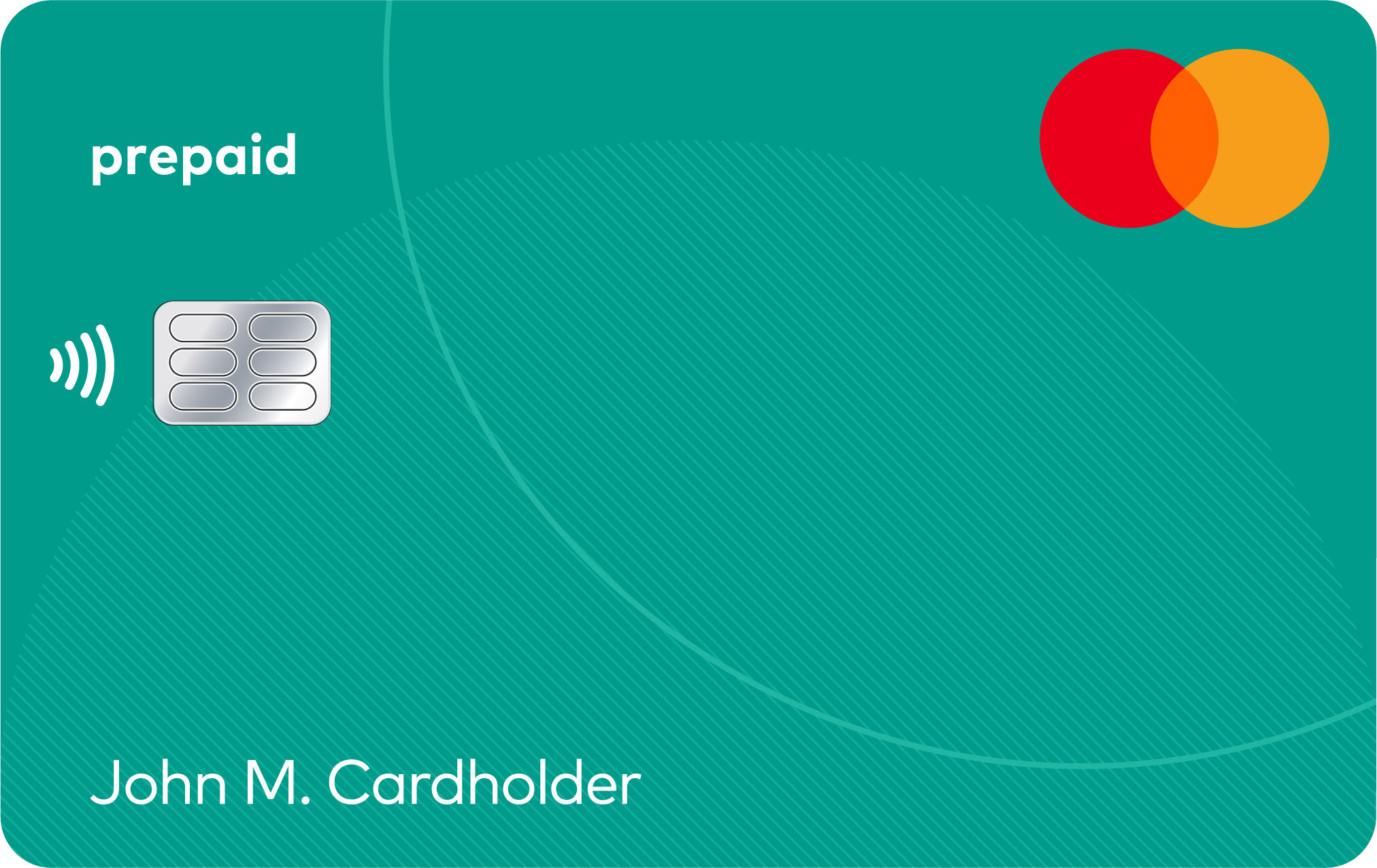
- Broader Acceptance for Emerging Technologies: Integration with contactless payments, QR code payments, and other innovative transaction methods.
In conclusion, a prepaid debit card can be an invaluable financial tool, offering control, accessibility, and security for managing your money. By understanding its functions, carefully navigating the acquisition process, and practicing effective management, you can harness the power of prepaid cards to achieve greater financial flexibility and confidence in your personal finance journey. Always prioritize understanding the fees and ensuring the card aligns perfectly with your individual needs and broader financial aspirations.
aViewFromTheCave is a participant in the Amazon Services LLC Associates Program, an affiliate advertising program designed to provide a means for sites to earn advertising fees by advertising and linking to Amazon.com. Amazon, the Amazon logo, AmazonSupply, and the AmazonSupply logo are trademarks of Amazon.com, Inc. or its affiliates. As an Amazon Associate we earn affiliate commissions from qualifying purchases.