
Turning 16 often marks a significant milestone, ushering in new freedoms and responsibilities. For many, it’s the age when they start earning their own money through part-time jobs, allowances, or entrepreneurial endeavors. With this newfound financial independence comes the practical need for managing money effectively, and a debit card is often the first tangible step into the world of banking. While the idea of having a card can feel empowering, the process of obtaining one at 16 involves specific considerations, primarily due to legal age requirements for entering financial contracts.
This comprehensive guide will demystify the process of getting a debit card as a 16-year-old, outlining the necessary steps, potential account options, and crucial aspects of financial responsibility. We’ll delve into why a debit card is more than just a piece of plastic – it’s a powerful tool for learning money management, budgeting, and preparing for a financially secure future.
The Financial Landscape for 16-Year-Olds: Why a Debit Card Matters
At 16, individuals are at a pivotal stage of development, transitioning from childhood to young adulthood. This period is ripe for cultivating essential life skills, and financial literacy is paramount among them. A debit card serves as an excellent practical instrument for this education.
Stepping Stones to Financial Independence
For a 16-year-old, having a debit card is often their first independent interaction with the financial system. It moves them beyond cash transactions, which can be less secure and harder to track, into the realm of digital money management. This experience is invaluable for:
- Learning Budgeting: Seeing transactions debited directly from an account can make the concept of finite funds more concrete than cash. It encourages mindful spending and helps teens visualize where their money goes.
- Tracking Expenses: Most bank accounts come with online banking and mobile apps, allowing 16-year-olds to easily monitor their balances and transaction history. This transparency is a cornerstone of responsible financial management.
- Safe Online Transactions: As the world becomes increasingly digital, the ability to make online purchases safely and effectively is crucial. A debit card provides a secure way to shop online or pay for subscription services without needing to borrow a parent’s card.
- Preparing for the Future: Understanding how debit cards work, maintaining a positive balance, and using banking services responsibly lays the groundwork for more complex financial products like credit cards, loans, and investments in the future. It’s a low-risk environment to make early financial decisions and learn from them.
Understanding Different Account Types
While the goal is a debit card, it’s important to understand that a debit card is linked to a bank account. For a 16-year-old, there are typically two primary types of accounts that would issue a debit card:
- Teen Checking Accounts / Student Accounts: Many banks offer specific checking accounts tailored for teenagers, often requiring a parent or guardian as a co-owner. These accounts typically have low or no monthly fees, limited transaction capabilities (to prevent overdrafts), and parental monitoring features. The debit card associated with these accounts functions like a standard debit card but might have daily spending limits.
- Joint Checking Accounts: This is a standard checking account opened by an adult (parent/guardian) and the 16-year-old together. Both parties have access to the funds and transaction history, and both are equally responsible for the account. This offers more flexibility but also requires a higher degree of trust and oversight.
- Prepaid Debit Cards: While not directly linked to a traditional bank account, prepaid debit cards can be an option. These cards are loaded with funds beforehand, and you can only spend what’s on the card. They don’t require a bank account or credit check and can be a good starting point for learning money management, though they often come with various fees (loading, ATM, inactivity). However, for the purpose of truly integrating into the banking system, a bank-linked debit card is generally preferred.
The choice between these options often depends on the bank’s offerings, the parent’s comfort level with oversight, and the teenager’s readiness for financial responsibility.
Navigating the Application Process: What You Need to Know
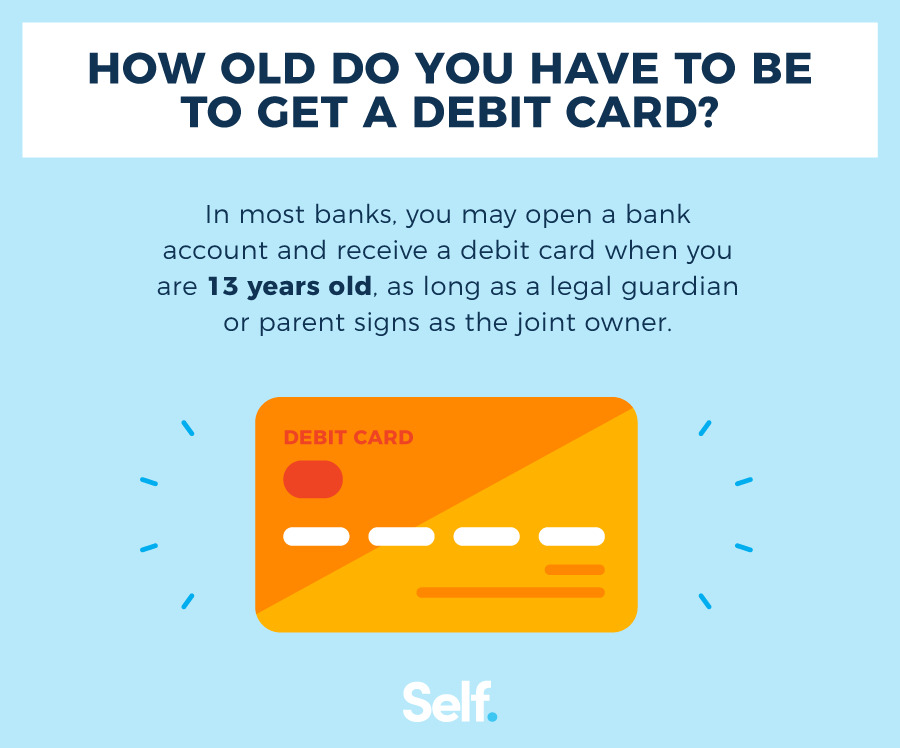
Getting a debit card at 16 isn’t as simple as walking into a bank alone and asking for one. Due to legal requirements, minors cannot independently enter into contracts, which includes opening a bank account. This is where parental or guardian involvement becomes essential.
Parental/Guardian Involvement: The Key Requirement
For a 16-year-old to obtain a debit card linked to a traditional bank account, a parent or legal guardian will almost certainly need to be involved. This typically means:
- Co-Ownership of the Account: The most common scenario is opening a joint checking account where the parent/guardian is the primary account holder and the 16-year-old is a secondary holder. This allows both parties to manage the account, and the parent assumes legal responsibility.
- Parent-Sponsored Teen Accounts: Some banks offer specific “teen accounts” or “youth accounts” where the parent opens the main account and then links a sub-account or card for the teen, often with specific parental controls and monitoring features.
- Legal Responsibility: Regardless of the specific account type, the parent or guardian will be legally responsible for the account. This means they are liable for any overdrafts or fees incurred. This shared responsibility is a key reason why direct parental involvement is mandatory.
Parents and guardians should use this opportunity to educate their teens about the implications of having a bank account and debit card, fostering a strong foundation of financial trust and accountability.
Essential Documents for Application
When applying for a debit card (and the associated bank account) for a 16-year-old, both the parent/guardian and the teen will need to provide specific documentation. While requirements can vary slightly between institutions, generally you will need:
- For the Parent/Guardian:
- Government-Issued Photo ID: Such as a driver’s license, state ID card, or passport.
- Social Security Number (SSN): For identity verification and tax reporting purposes.
- Proof of Address: Utility bill, lease agreement, or other official mail showing current residence.
- For the 16-Year-Old:
- Proof of Identity: While some banks may accept a school ID for younger teens, a government-issued ID (like a state ID card or passport) is often preferred or required. If not available, a birth certificate in conjunction with a school ID might be accepted.
- Social Security Number (SSN): This is mandatory for any bank account.
- Proof of Address: Can often be the same as the parent’s address, as the teen typically resides with them.
It’s highly advisable to call the bank or visit their website beforehand to confirm the exact documents required to avoid multiple trips.
Choosing the Right Bank or Financial Institution
Selecting the right bank is an important decision. Consider the following factors when making your choice:
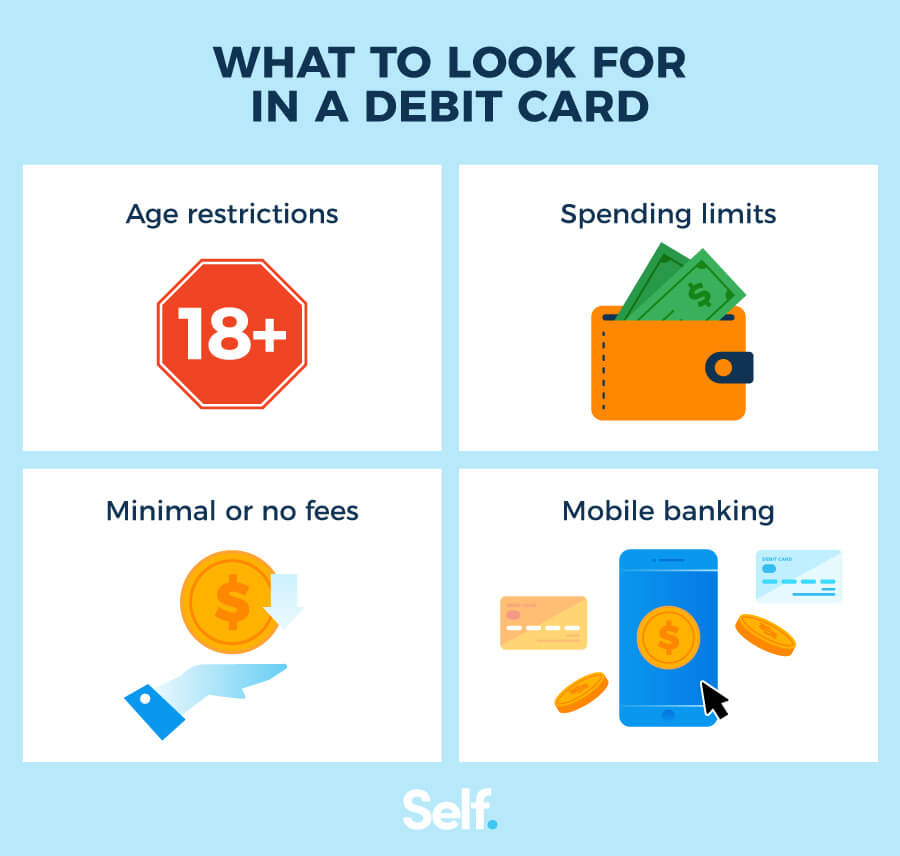
- Teen-Friendly Accounts: Does the bank offer specific accounts designed for minors with features like parental controls, low fees, and educational resources?
- Fees and Minimum Balances: Look for accounts with no monthly maintenance fees or easily waivable fees, and realistic minimum balance requirements.
- ATM Access: Consider the availability of fee-free ATMs near home, school, or work.
- Online and Mobile Banking: Robust, user-friendly online and mobile banking platforms are crucial for modern money management, allowing the teen to track spending and balances easily.
- Customer Service: Good customer support is important, especially for first-time bankers who might have questions.
- Branch Locations: While much banking is digital, having convenient branch access can be helpful for deposits or in-person assistance.
Many traditional banks (e.g., Chase, Bank of America, Wells Fargo) and credit unions offer excellent options for teens. Online-only banks might also be an option, but ensure they have robust features and support suitable for a young user.
Benefits and Responsibilities: More Than Just a Card
A debit card is a tool, and like any tool, its value is maximized when used effectively and responsibly. For a 16-year-old, understanding the advantages and the accompanying duties is crucial for building a healthy financial relationship.
Practical Advantages of a Debit Card
Beyond the initial thrill, a debit card offers numerous tangible benefits:
- Convenience: No more carrying large amounts of cash. A debit card is accepted almost everywhere, making transactions quick and easy, whether buying lunch, shopping for clothes, or paying for entertainment.
- Online Shopping: The ability to make online purchases opens up a world of convenience for teens, from buying games and music to school supplies or gifts, all while learning about secure online transactions.
- Budgeting Aid: Unlike cash, every debit card transaction leaves a digital trail. This makes it easier to track spending via banking apps, understand spending habits, and stick to a budget.
- Direct Deposit: For teens with part-time jobs, a debit card linked to a checking account allows for direct deposit of paychecks, eliminating the need to visit a bank to deposit a physical check. This is a standard practice in the modern workforce.
- Emergency Access: In an unexpected situation, a debit card provides instant access to funds, which can be invaluable.
- Safer Than Cash: If a debit card is lost or stolen, it can be quickly canceled, and funds are often protected by fraud liability policies, reducing the risk compared to losing cash.
Cultivating Financial Responsibility
With great power comes great responsibility. A debit card is a powerful tool for financial independence, but it also demands discipline:
- Avoiding Overdrafts: A critical lesson is to never spend more money than is available in the account. Overdraft fees can be substantial and can quickly deplete savings. Teen-specific accounts often have features to prevent overdrafts, but understanding the concept is key.
- Regular Monitoring: Encourage the 16-year-old to regularly check their account balance and review transactions. This proactive approach helps them stay within budget and quickly spot any unauthorized activity.
- Budget Adherence: Help them create a simple budget. How much money do they have? How much do they need for fixed expenses (e.g., phone bill contribution)? How much can they spend on wants? The debit card makes it easier to adhere to and adjust this budget.
- Saving and Spending Balance: A debit card primarily facilitates spending. It’s essential to balance this with a focus on saving. Encourage setting aside a portion of income for specific goals, reinforcing the idea that money isn’t just for immediate gratification.
Security Measures and Best Practices
Security is paramount when using a debit card. Educating a 16-year-old on these practices is vital:
- Safeguard Your PIN: Emphasize that the Personal Identification Number (PIN) is private and should never be shared with anyone, not even friends or family. It should not be written down or stored with the card.
- Protect Your Card: Treat the debit card like cash. Keep it in a secure wallet or purse. Report loss or theft immediately to the bank.
- Online Security: Teach them to only use their debit card on secure websites (look for “https://” in the URL and a padlock icon). Be wary of phishing emails or suspicious links asking for card details.
- ATM Awareness: Advise them to use ATMs in well-lit, public areas and to be aware of their surroundings. Never share their PIN with anyone at an ATM.
- Review Statements: Regularly checking bank statements (online or paper) for unauthorized transactions is a critical fraud prevention measure.
Beyond the Card: Building a Strong Financial Foundation
While getting a debit card is an excellent starting point, it’s just one piece of the puzzle in building comprehensive financial literacy. The lessons learned through managing a debit card can springboard into broader financial concepts.
Budgeting Basics for Teens
The most fundamental skill alongside using a debit card is budgeting. A budget is simply a plan for how to spend and save money. For a 16-year-old, this can be simplified:
- Income vs. Expenses: Help them list all sources of income (job, allowance, gifts) and all regular expenses (phone bill, subscriptions, entertainment).
- The 50/30/20 Rule (Adapted): A classic budgeting rule can be simplified for teens:
- “Needs”: A smaller percentage (e.g., 20%) for essential contributions or necessary school items.
- “Wants”: A larger percentage (e.g., 50%) for discretionary spending on fun activities, clothes, etc.
- “Savings”: A consistent percentage (e.g., 30%) put aside for future goals.
- Tracking: Encourage using a budgeting app, a simple spreadsheet, or even a notebook to track spending against their budget. The debit card transaction history makes this much easier.
Saving for Short-Term and Long-Term Goals
A debit card enables spending, but a comprehensive financial strategy must include saving. Help your 16-year-old differentiate between different types of savings goals:
- Short-Term Goals: These are typically achievable within a few weeks to a year (e.g., new video game, concert tickets, specific clothing item). The debit card allows them to monitor progress towards these goals.
- Medium-Term Goals: These might take 1-3 years (e.g., saving for a driver’s license, car insurance, a specific trip).
- Long-Term Goals: These are future-focused (e.g., college expenses, a down payment for a first apartment, building an emergency fund). Introducing the concept of a separate savings account (often linked to their checking) can be beneficial here, teaching them the discipline of transferring funds away from immediate access.

Understanding Digital Banking and Financial Tools
Today’s banking is predominantly digital. Familiarizing a 16-year-old with these tools is crucial:
- Mobile Banking Apps: Most banks have powerful mobile apps that allow users to check balances, view transactions, transfer funds, pay bills, and even deposit checks using their phone camera.
- Online Bill Pay: If they have recurring expenses (like a phone bill), teach them how to set up online bill payments through the bank’s portal.
- Peer-to-Peer Payment Apps: Services like Venmo, Zelle, or PayPal are common among teens for splitting costs with friends or receiving money. Explain the security features and responsible use of these platforms.
- Financial Literacy Resources: Point them towards reputable online resources, blogs, or even short courses that explain topics like interest, inflation, investing basics, and credit scores.
In conclusion, obtaining a debit card at 16 is much more than just gaining access to money; it’s a foundational step towards financial literacy and independence. With proper guidance from parents or guardians, and a commitment to understanding the benefits and responsibilities, a debit card can empower a young person to manage their money wisely, set goals, and build the confidence needed for a financially secure future. It’s an investment not just in their immediate spending power, but in their lifelong journey as responsible adults.
aViewFromTheCave is a participant in the Amazon Services LLC Associates Program, an affiliate advertising program designed to provide a means for sites to earn advertising fees by advertising and linking to Amazon.com. Amazon, the Amazon logo, AmazonSupply, and the AmazonSupply logo are trademarks of Amazon.com, Inc. or its affiliates. As an Amazon Associate we earn affiliate commissions from qualifying purchases.