
The Economic Appeal of a Life at Sea
Embarking on a career aboard a cruise ship presents a unique financial opportunity for individuals seeking to accelerate their savings, reduce living expenses, and build a substantial income stream. Beyond the allure of global travel, the core proposition of cruise ship employment lies in its distinct economic model, offering a robust pathway to financial stability and, for many, significant wealth accumulation. For those with an eye on their bottom line, understanding the financial architecture of a cruise ship career is the first step toward leveraging this powerful income-generating environment.
The fundamental financial advantage stems from the “all-inclusive” nature of the employment package. Unlike land-based jobs where a significant portion of income is allocated to rent, utilities, food, and transportation, cruise ship employees typically receive free accommodation, meals, and often basic medical care. This drastically reduces monthly outgoings, transforming gross income into a much higher net disposable income. For an individual earning, for example, $2,000-$4,000 per month, the effective savings rate can be exceptionally high, far surpassing what might be achievable in many conventional jobs on land, particularly in high-cost-of-living areas.
This model is particularly beneficial for debt reduction, a primary financial goal for many. With minimal fixed expenses, a substantial portion of earnings can be directed towards student loans, credit card debt, or other financial obligations, significantly shortening repayment timelines. Furthermore, the concentrated nature of contracts – often 4 to 9 months with short breaks – allows for intense periods of earning and saving, providing a disciplined environment conducive to financial growth.
Understanding Income Potential Across Roles
Cruise ship jobs span a vast array of departments, each with its own income potential. Roles range from hospitality and entertainment to technical operations and medical services.
- Entry-Level Roles: Positions such as restaurant stewards, cabin attendants, or junior bar staff typically offer a base salary, often supplemented by tips. While base pay might seem modest, the combination of tips and zero living expenses can result in a surprising net income.
- Skilled Trades and Professional Roles: Engineers, IT specialists, medical staff, chefs, and officers often command significantly higher salaries. These roles require specialized certifications and experience but offer competitive wages that rival or even exceed land-based equivalents, especially when factoring in the cost savings.
- Sales and Retail: Commission-based roles in shops, spas, or shore excursion desks can provide highly variable but potentially lucrative income, directly tied to performance.
- Entertainment: Musicians, dancers, and production staff often earn salaries reflective of their specialized talents, with all living costs covered.
The key is to research average salaries for different positions and align them with your financial goals and skill set. Many companies operate on a tax-free income basis for crew members who spend a significant portion of the year outside their home country, which can further enhance net earnings, though individuals must understand and comply with their national tax obligations.
Strategic Steps to Secure Your Income Stream
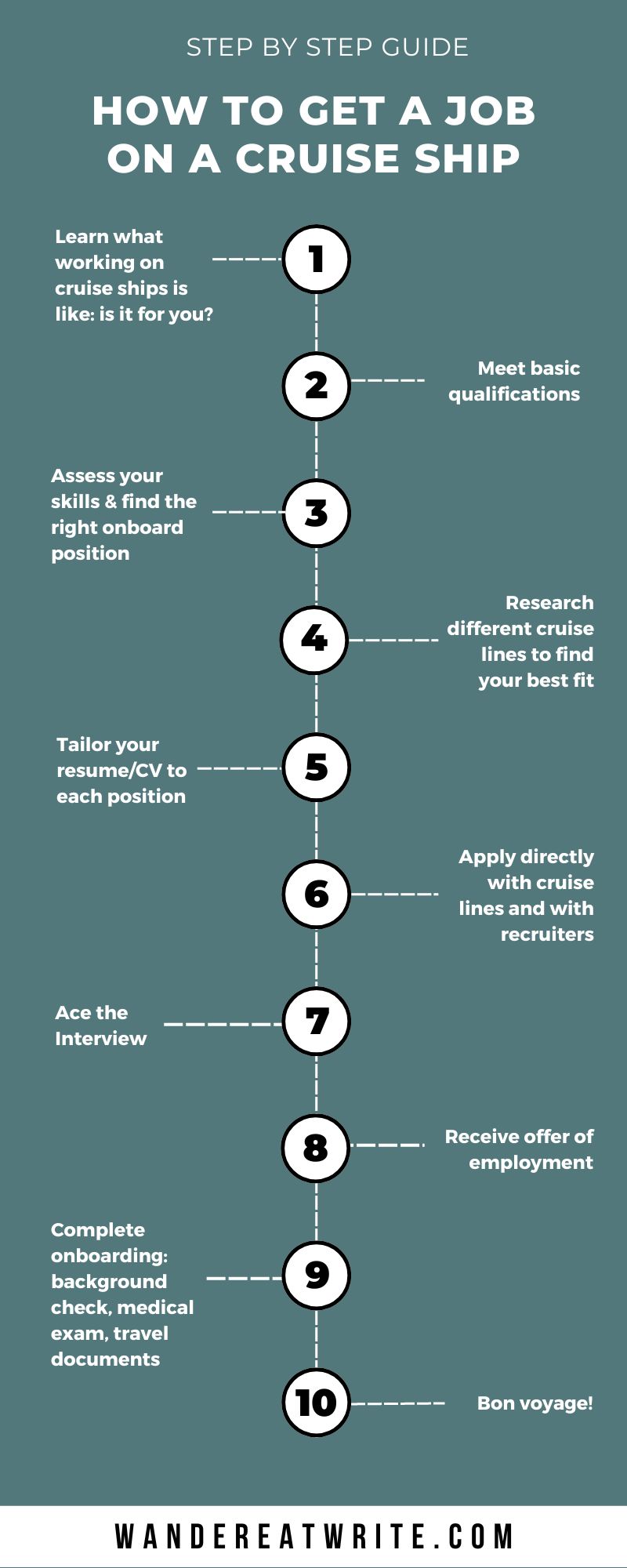
Securing a cruise ship job is a deliberate process that requires strategic planning, particularly when viewed through the lens of maximizing financial return. It’s not merely about finding a job, but finding the right job that aligns with your earning potential and long-term financial objectives.
Identifying High-Demand, High-Value Roles
Begin by researching the cruise industry’s needs. Certain roles consistently experience high demand and often come with more competitive compensation packages. These typically include:
- Engineers and Technical Officers: Specialized maritime qualifications are essential, but the financial rewards are substantial.
- IT Professionals: With increasingly complex onboard networks, IT support and management are critical.
- Medical Staff: Doctors, nurses, and paramedics are always in demand for onboard clinics.
- Chefs and Culinary Experts: High-volume, high-quality food service demands experienced culinary professionals.
- Hotel Management: Supervisors and managers across various departments (front desk, housekeeping, food & beverage) can command strong salaries.
Focus your efforts on acquiring the necessary certifications, training, and experience for these higher-paying positions. Investing in specific skills, such as STCW certifications (Standards of Training, Certification and Watchkeeping), advanced culinary degrees, or specialized IT qualifications, directly translates into increased earning power and broader employment opportunities within the industry.
Crafting an Application That Converts to Income
Your application is your financial prospectus to a cruise line. It must clearly articulate your value proposition, highlighting how your skills and experience will contribute to their operations and, by extension, justify your compensation.
- Tailored Resumes: Customize your resume for each specific role, using keywords from the job description. Emphasize achievements and quantifiable results that demonstrate your financial impact in previous roles (e.g., “managed a budget of $X,” “increased sales by Y%,” “reduced operational costs by Z”).
- Highlighting Relevant Experience: Focus on experience gained in fast-paced, customer-service-oriented, or international environments. Demonstrate adaptability, problem-solving skills, and a strong work ethic – traits highly valued in an environment where staff are always “on.”
- Professional Online Presence: Many recruiters check social media. Ensure your online presence is professional and aligns with the image of a reliable and dedicated employee.
- Cover Letters with Financial Acumen: Use your cover letter to explicitly link your aspirations to the benefits of a cruise ship career. Mention your understanding of the unique working environment and your readiness to contribute effectively.
Navigating the Interview Process
Interviews for cruise ship jobs often involve multiple stages, including video interviews and sometimes in-person assessments. Throughout this process, maintain a professional demeanor and articulate your commitment. Be prepared to discuss your understanding of the demanding lifestyle and your readiness to thrive in it. Highlight your stability and reliability, assuring potential employers that you are a sound investment. Demonstrate your financial literacy by asking thoughtful questions about compensation structure, contract length, and opportunities for advancement, showing you are serious about your career and financial trajectory.
Maximizing Your Earnings and Financial Stability Onboard
Once employed, the focus shifts from securing an income stream to maximizing its potential and ensuring long-term financial stability. A cruise ship job is not just a job; it’s a launchpad for significant financial growth if managed prudently.
Strategic Saving and Budgeting
With living expenses virtually eliminated, the potential for saving is immense. Develop a rigorous budget that prioritizes saving a substantial portion of your income, ideally 70% or more.
- Automated Savings: Set up automatic transfers to a savings account in your home country as soon as your paycheck clears. This “pay yourself first” strategy ensures consistent contributions to your financial goals.
- Minimize Onboard Spending: While cruise ships offer amenities like crew bars, shops, and internet access, these can quickly erode your savings. Be mindful of discretionary spending. Prioritize essential purchases and limit luxuries.
- Track Every Dollar: Use a budgeting app or spreadsheet to meticulously track your spending. This provides visibility into where your money is going and identifies areas for further cost reduction.
- Emergency Fund: Establish an emergency fund equivalent to 3-6 months of your land-based expenses. This provides a crucial financial safety net during contract breaks or unexpected periods of unemployment.
Performance-Driven Income Enhancement
For many roles, especially in hospitality and sales, performance directly correlates with income.
- Exceptional Service: In roles that receive tips (e.g., waiters, bartenders, cabin stewards), providing outstanding service directly translates to higher gratuities, significantly boosting your overall earnings.
- Sales and Commission: For positions in retail, spa services, or shore excursions, proactive selling and achieving targets can lead to substantial commission payments. Understand the commission structure and strive to exceed expectations.
- Skill Development: Actively seek opportunities for cross-training or acquiring new skills relevant to higher-paying positions. Learning a new language, for example, can open doors to guest-facing roles with better financial prospects.
Career Progression and Promotion
The cruise industry offers clear pathways for career advancement, which directly impacts earning potential.
- Demonstrate Leadership: Show initiative, take on additional responsibilities, and lead by example. Supervisors are always looking for individuals ready to step up.
- Continuous Learning: Leverage onboard training programs or online courses during downtime. Acquiring new certifications or qualifications can accelerate your promotion timeline.
- Networking: Build professional relationships with senior officers and management. A strong internal network can provide insights into advancement opportunities and support your career trajectory.
- Seek Feedback: Proactively ask for feedback on your performance and identify areas for improvement. Showing a commitment to growth makes you a more attractive candidate for promotion.
Navigating the Financial Realities and Future Planning
While highly lucrative, a cruise ship career also comes with specific financial realities that require careful consideration and planning to ensure long-term wealth building and security.
Understanding Tax Implications
One of the most complex financial aspects for cruise ship employees is tax liability. While many crew members may be exempt from income tax in their home country due to the “Foreign Earned Income Exclusion” (FEIE) in the U.S. or similar rules in other nations (often requiring a certain number of days outside the country or non-residency), it is crucial to seek professional tax advice. Rules vary significantly by country of citizenship, residency status, and the flag state of the vessel. Failure to correctly manage tax obligations can lead to significant penalties. Consider setting aside a portion of your income to cover potential tax liabilities, even if you anticipate being exempt, until you have clear guidance from a tax professional.
Managing Contract Cycles and Time Off
Cruise ship employment typically involves contracts of varying lengths (e.g., 4-8 months) followed by an unpaid vacation period (e.g., 1-2 months). This cyclical nature of income requires careful financial planning.
- Budgeting for Time Off: Ensure your savings account is robust enough to cover all your expenses during your unpaid leave. Create a “land-based budget” for your time off that accounts for travel, personal expenses, and any financial commitments.
- Strategic Investing: During your contract, consider investing a portion of your savings into diversified portfolios (e.g., low-cost index funds, ETFs). The compounding interest can significantly grow your wealth over time, especially during your long-term career at sea. Consult with a financial advisor to create an investment strategy aligned with your risk tolerance and financial goals.
- Alternative Income Streams: During extended periods of leave, some crew members explore temporary land-based employment or side hustles to supplement their income, further boosting their overall financial picture.
Long-Term Financial Security and Retirement
A cruise ship career can be a powerful vehicle for early retirement or substantial wealth accumulation, but it requires proactive planning.
- Retirement Planning: Research and contribute to retirement accounts (e.g., Roth IRA, 401k if applicable through an onshore employer during breaks, or international equivalent). Even small, consistent contributions can grow significantly over decades.
- Asset Accumulation: Consider using your increased savings to invest in income-generating assets such, as real estate or business ventures, that can provide passive income during contract breaks or after you transition away from sea life.
- Health and Insurance: While some basic medical care is provided onboard, consider supplementary health insurance or long-term disability insurance for when you are not on contract. Plan for your long-term health and financial security.
By approaching a cruise ship job with a clear financial strategy, employees can transform a unique career path into a highly effective tool for achieving significant monetary goals, from debt freedom to substantial wealth creation.
aViewFromTheCave is a participant in the Amazon Services LLC Associates Program, an affiliate advertising program designed to provide a means for sites to earn advertising fees by advertising and linking to Amazon.com. Amazon, the Amazon logo, AmazonSupply, and the AmazonSupply logo are trademarks of Amazon.com, Inc. or its affiliates. As an Amazon Associate we earn affiliate commissions from qualifying purchases.