
Securing your first credit card—or adding a new one to your wallet—is a significant milestone in your personal finance journey. Beyond the convenience of cashless transactions, a credit card is a powerful financial tool that, when used responsibly, helps build your credit history, offers consumer protections, and provides lucrative rewards. However, the process of getting approved is not always straightforward. It requires a strategic understanding of your financial standing, the lending landscape, and the specific requirements of financial institutions.
This guide provides an in-depth roadmap for navigating the application process, ensuring you select the right product for your needs and maximize your chances of approval.
1. Understanding the Prerequisites for Approval
Before you submit an application, it is essential to understand the criteria that lenders use to evaluate your creditworthiness. Banks and credit card issuers are essentially assessing the risk that you might default on your payments.
Decoding Your Credit Score
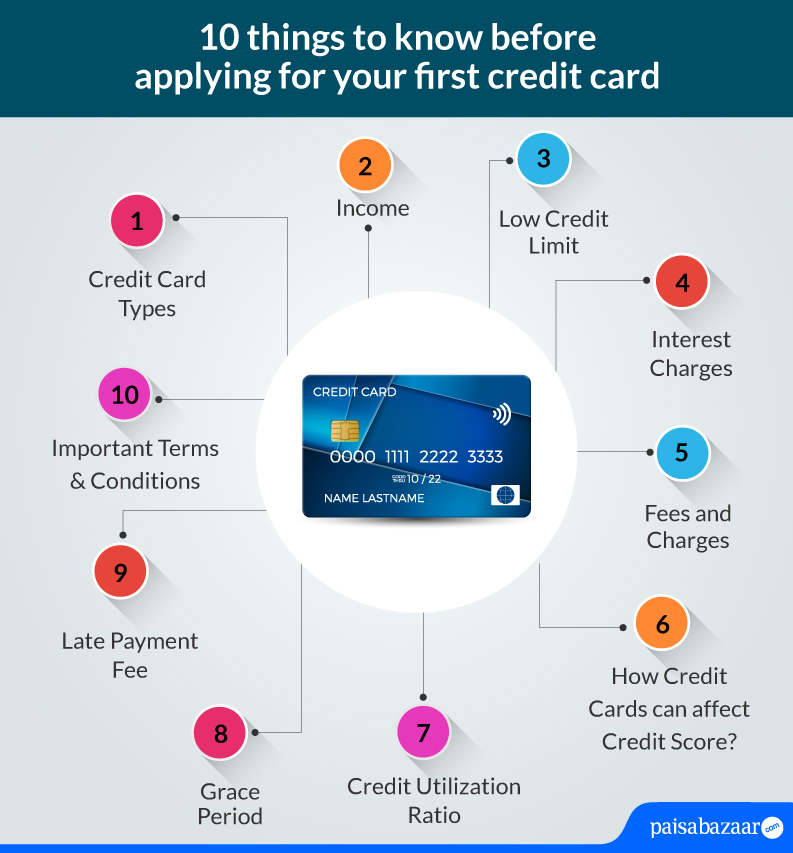
Your credit score—typically a FICO or VantageScore—is the most critical factor in the approval process. It is a numerical representation of your credit history, ranging from 300 to 850. Lenders categorize these scores into tiers: poor, fair, good, very good, and exceptional. If you have no credit history, you are “credit invisible,” which may require you to look at specialized entry-level products. Conversely, if you have a high score, you will have access to cards with the lowest interest rates and the most competitive rewards.
Income and Debt-to-Income Ratio
The Credit CARD Act of 2009 requires lenders to consider an applicant’s ability to make payments. This means you must have a steady source of income. For those over 21, “income” can often include household income to which you have a reasonable expectation of access. Lenders also look at your Debt-to-Income (DTI) ratio, which compares your monthly debt obligations to your gross monthly income. A lower DTI suggests you have the financial “breathing room” to take on a new line of credit.
Age and Legal Requirements
In the United States, you must be at least 18 years old to apply for a credit card. However, applicants under the age of 21 face stricter regulations; they must either demonstrate independent income or have a co-signer (though many major banks no longer allow co-signers). Additionally, you will need a valid Social Security Number (SSN) or Individual Taxpayer Identification Number (ITIN) and a residential address.
2. Researching the Right Credit Card for Your Profile
Not all credit cards are created equal. Applying for a high-tier travel card with a “fair” credit score is a recipe for rejection, which can unnecessarily ding your credit score through a “hard inquiry.” Matching the card to your profile is key.
Secured vs. Unsecured Cards
For those with limited or damaged credit, a secured credit card is often the best starting point. These require a refundable security deposit, which usually serves as your credit limit. This deposit acts as collateral, reducing the lender’s risk. Unsecured cards are the standard variety that do not require a deposit; these are generally reserved for those with at least “average” to “good” credit.
Categorizing Cards by Utility
Identify your primary goal for the card to narrow down your choices:
- Credit Builders: Designed for students or those new to credit, often featuring lower limits and higher interest rates but easier approval.
- Cashback Cards: Ideal for everyday spending, returning a percentage of every purchase to the user.
- Travel Rewards: Best for frequent flyers, offering points or miles that can be redeemed for flights and hotel stays.
- Balance Transfer Cards: Useful for those looking to consolidate debt, often featuring a 0% introductory APR period.
Analyzing the “Schumer Box”
By law, credit card issuers must provide a table known as the Schumer Box in their terms and conditions. This table transparently lists the Annual Percentage Rate (APR), annual fees, late fees, and grace periods. Always review this before applying to ensure the cost of owning the card does not outweigh the benefits.
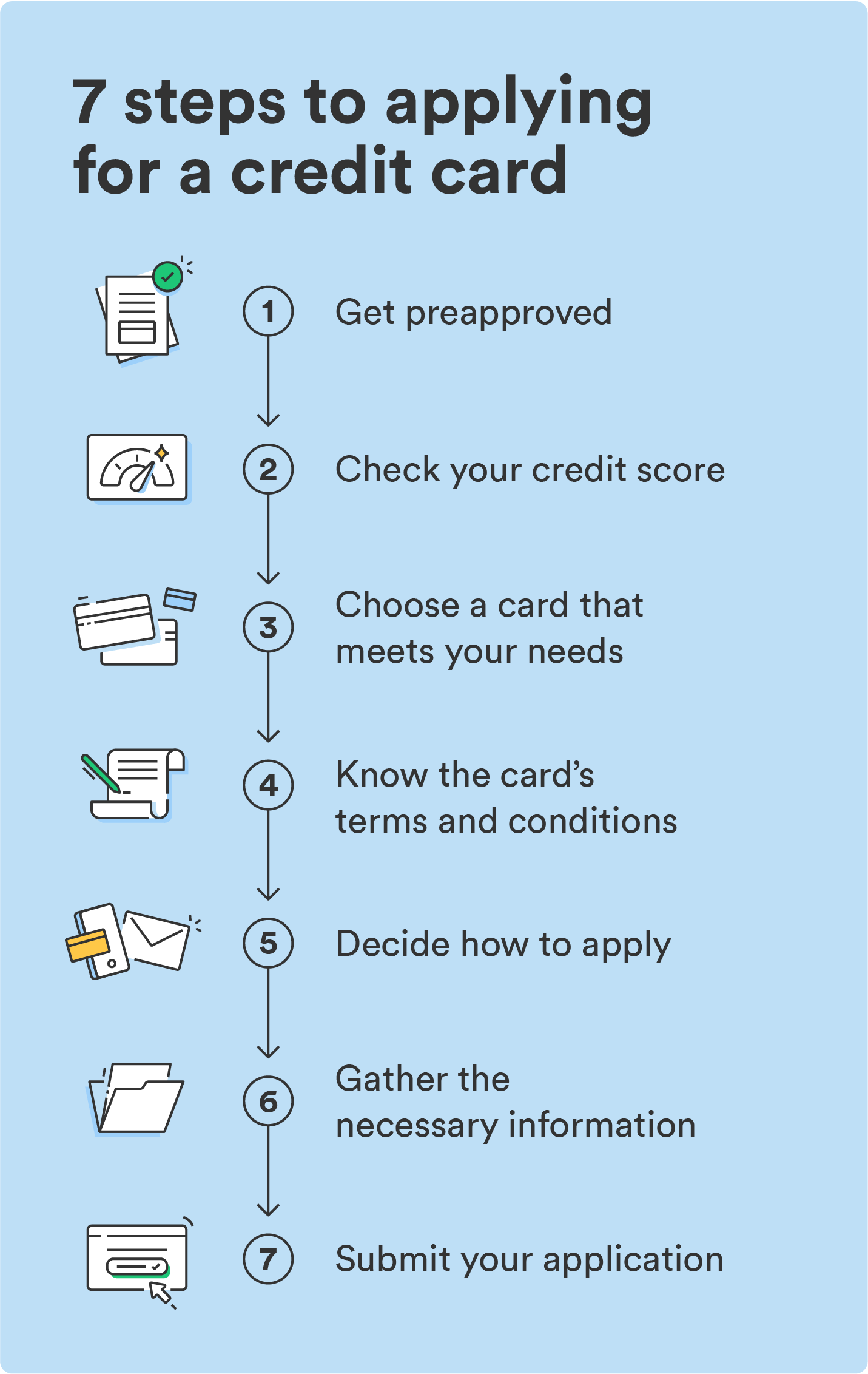
3. The Step-by-Step Application Process
Once you have identified the right card, the application process itself is relatively quick, often taking less than ten minutes online. However, the preparation you do beforehand is what determines the outcome.
Step 1: Check Your Credit Report
Before applying, pull your credit reports from the three major bureaus (Equifax, Experian, and TransUnion). You are entitled to a free report from each annually via AnnualCreditReport.com. Look for errors, such as accounts you didn’t open or incorrect payment statuses. Disputing these errors before applying can give your score a vital boost.
Step 2: Utilize Pre-Qualification Tools
Many major issuers offer “pre-qualification” or “pre-approval” tools on their websites. These tools use a “soft pull” on your credit, which does not impact your score, to tell you which cards you are likely to be approved for. While not a guaranteed approval, it significantly narrows the field to cards within your reach.
Step 3: Completing the Application
When you are ready, fill out the application accurately. You will need to provide:
- Full legal name and date of birth.
- Social Security Number or ITIN.
- Total gross annual income.
- Monthly housing payment (rent or mortgage).
Accuracy is paramount; discrepancies between your application and your credit report can trigger a manual review or an immediate denial.
Step 4: Dealing with the Decision
Most online applications provide an instant decision. If approved, your card will typically arrive by mail within 7–10 business days. If you receive a “pending” status, the bank may need to verify your identity or income. If denied, the lender is legally required to send you an “Adverse Action Notice” explaining why. Use this information to improve your profile before applying again.
4. Strategies to Improve Your Approval Odds
If you are concerned about your eligibility, there are several strategic moves you can make to strengthen your financial profile in the eyes of a lender.
The Authorized User Strategy
If you have a family member with a long history of responsible credit use, they can add you as an “authorized user” on their account. You don’t even need to use the physical card; their positive payment history and account age will be reflected on your credit report, potentially boosting your score enough to qualify for your own card.
Reducing Existing Credit Utilization
Credit utilization—the amount of credit you are using compared to your total limits—accounts for 30% of your FICO score. If your current cards are near their limits, pay them down below 30% (ideally below 10%) before applying for a new card. This signals to the lender that you are not over-leveraged.
Timing Your Applications
Avoid “shotgunning” applications. Every time you apply for a credit card, the lender performs a hard inquiry, which typically drops your score by a few points. Multiple inquiries in a short period can signal financial distress. Space out your applications by at least six months to allow your score to recover and to demonstrate stability.
5. Responsible Management After Approval
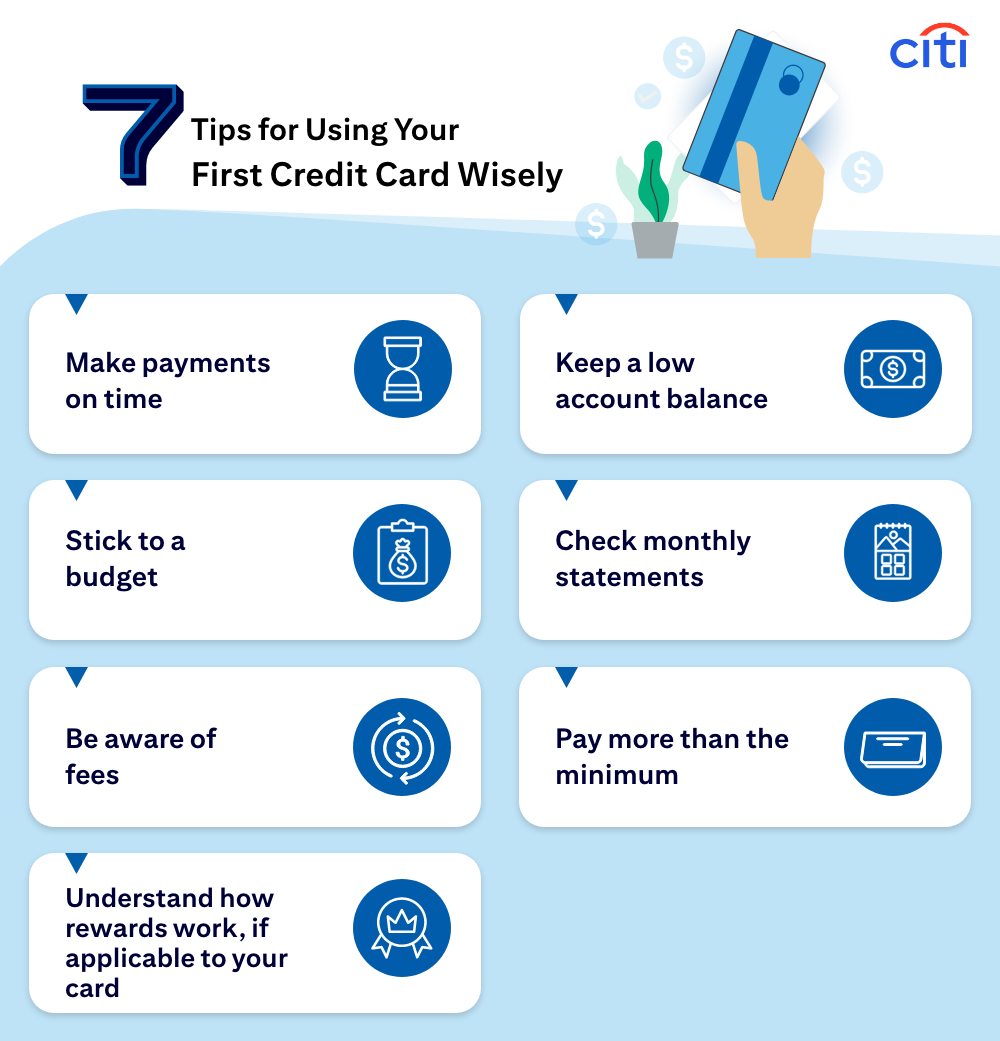
Getting the card is only the beginning. The goal is to use the card to enhance your financial health, not diminish it. Proper management is essential to maintaining your newly acquired line of credit.
The Golden Rule: Pay in Full and On Time
Payment history is the single most important factor in your credit score (35%). Set up autopay for at least the minimum amount to ensure you never miss a due date. However, to avoid interest charges and the “debt trap,” aim to pay the statement balance in full every month. This allows you to use the bank’s money for free during the grace period.
Monitoring Utilization and Increases
Even after you have the card, keep your utilization low. As you demonstrate responsible use over 6–12 months, you can request a credit limit increase. A higher limit with the same spending levels will further lower your utilization ratio, accelerating your credit score growth.
Leveraging Consumer Protections and Benefits
Credit cards offer protections that debit cards do not, such as zero-liability fraud protection and the ability to dispute charges for defective merchandise. Furthermore, keep an eye on your “perks,” such as extended warranties, rental car insurance, or purchase protection. Utilizing these features is part of sophisticated personal finance management, ensuring you get the maximum value out of your financial tools.
By following this structured approach—understanding the requirements, researching the market, and managing the account with discipline—you transform a simple piece of plastic into a cornerstone of your long-term financial success. In the world of money, a credit card is not just a way to spend; it is a way to build a foundation for future loans, mortgages, and financial security.
aViewFromTheCave is a participant in the Amazon Services LLC Associates Program, an affiliate advertising program designed to provide a means for sites to earn advertising fees by advertising and linking to Amazon.com. Amazon, the Amazon logo, AmazonSupply, and the AmazonSupply logo are trademarks of Amazon.com, Inc. or its affiliates. As an Amazon Associate we earn affiliate commissions from qualifying purchases.