
In an increasingly digital world, the humble paper check continues to hold significant relevance for a variety of personal and business financial transactions. While electronic payments offer speed and convenience, there are still numerous situations where a physical check—especially one from a reputable institution like Chase Bank—is the preferred, or even required, method of payment. Whether you’re paying rent, making a large purchase, or managing business expenses, understanding how to efficiently obtain the right type of check from Chase is a fundamental aspect of sound personal and business finance.
This guide will demystify the process, walking you through the various types of checks Chase offers, the steps to acquire them, and critical considerations regarding fees, security, and digital alternatives. Our aim is to provide you with the insights needed to make informed financial decisions, ensuring you always have the appropriate payment instrument at your fingertips.
Understanding Why and When You Need a Paper Check
While digital payment methods have surged in popularity, paper checks retain a vital role in the financial ecosystem. Understanding the specific scenarios where a physical check is necessary or advantageous is the first step in managing your payment strategies effectively.
Common Personal and Business Scenarios
For individuals, paper checks are often indispensable for:
- Rent or Mortgage Payments: Many landlords or property management companies still prefer or require paper checks, especially for consistent monthly payments.
- Contractor Payments: When hiring home contractors, landscapers, or service providers, a check provides a clear paper trail for tax purposes and can be easier to manage than cash for larger sums.
- Gifts: A personal check remains a traditional and thoughtful way to gift money for birthdays, weddings, or graduations, often accompanied by a personal message.
- Bill Payments Without Online Options: Some smaller businesses or service providers may not offer online payment portals, making a mailed check the only practical solution.
- Paying for College Tuition or Large Purchases: Certain educational institutions or sellers of high-value items (like a used car) might prefer or mandate a physical check for security and traceability.
For businesses, paper checks are crucial for:
- Vendor and Supplier Payments: Many established vendor relationships still rely on paper checks for invoice payments, providing a clear audit trail.
- Payroll: While direct deposit is common, some employees or contractors may still prefer or require paper paychecks.
- Reimbursements: Issuing checks for employee travel expenses, petty cash, or other reimbursements is a standard accounting practice.
- Tax Payments: Depending on the type of tax and governmental entity, paper checks are sometimes required or preferred for state and federal tax obligations.
The Enduring Role of Paper Checks in a Digital Age
Despite the rise of Zelle, Venmo, wire transfers, and online bill pay, paper checks offer unique advantages that keep them relevant:
- Detailed Records: Checks inherently create a tangible record of payment, including the payee, amount, date, and memo, which is invaluable for bookkeeping and dispute resolution.
- Security for Large Sums: For very large transactions, especially involving official bank checks, the guaranteed funds and specific issuing process offer a layer of security that digital methods might not always replicate perfectly or be accepted for.
- Broad Acceptance: Virtually every individual and business can accept a check, regardless of their technological sophistication or preferred banking apps.
- Privacy: Unlike some digital platforms that might expose sender/receiver names publicly or semi-publicly, a check transaction is private between the payer, payee, and banks.
Key Situations Requiring Official Bank Checks
Beyond personal checkbooks, specific financial situations demand a higher level of payment assurance, leading to the use of official bank checks:
- Real Estate Transactions: Buying a home often requires a cashier’s check for down payments, closing costs, or earnest money deposits, as these guarantee the funds are available.
- Car Purchases: Dealers frequently ask for a cashier’s check for the full payment of a vehicle to ensure the transaction is final and secure.
- Legal Settlements: In many legal contexts, a cashier’s check or attorney’s trust account check is used to disburse funds securely.
- Court Fees or Government Bonds: Official payments to governmental bodies or for certain financial instruments may require a certified bank check.
In these high-stakes scenarios, the security and guaranteed funds of a cashier’s check or similar bank-issued instrument are paramount, as they provide assurance to the recipient that the funds are legitimate and will not bounce.
Exploring Your Options: Types of Checks Available from Chase
Chase Bank, like most major financial institutions, offers several types of checks to meet diverse customer needs. Understanding the distinctions between these options is crucial for selecting the most appropriate payment method for your specific situation.
Personal and Business Checkbooks: The Everyday Solution
For the majority of day-to-day transactions, your standard personal or business checkbook is the go-to option. These checks are directly linked to your checking account, and funds are drawn from your available balance when the check is cashed or deposited.
- Ordering New Checkbooks (Online, Branch, Phone):
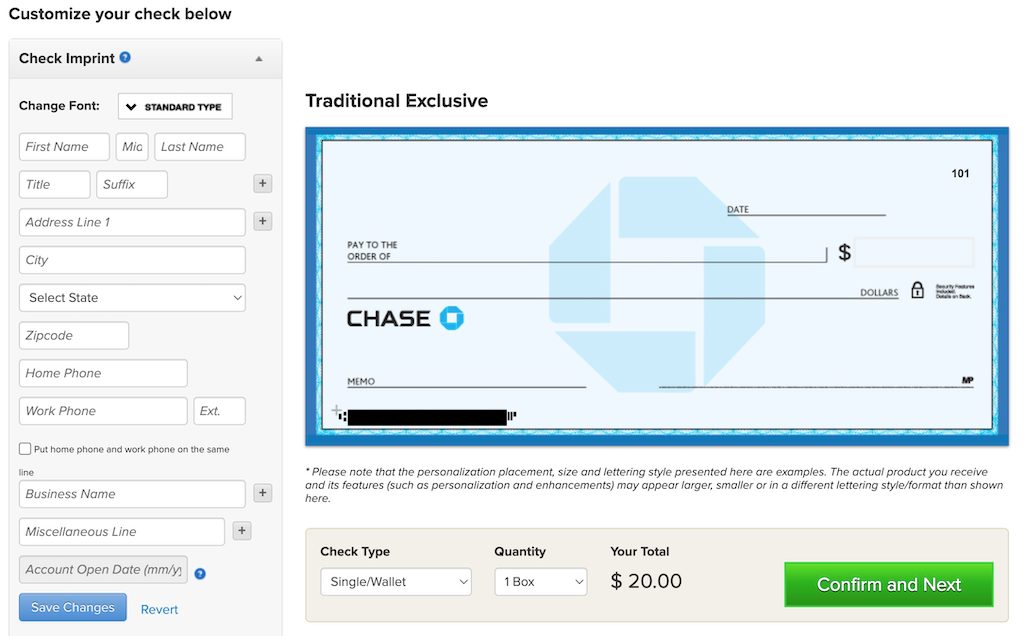
- Chase Online & Mobile Banking: The most convenient way to order new checks is through your Chase online account or mobile app. Navigate to the “Account Services” or “Order Checks & Supplies” section. You can typically reorder previous designs or select new ones.
- In-Branch: You can visit any Chase branch and request to order new checks. A personal banker will assist you with the process, verify your account details, and help you select designs.
- Phone: Call Chase customer service. After verifying your identity, a representative can place a check order for you over the phone.
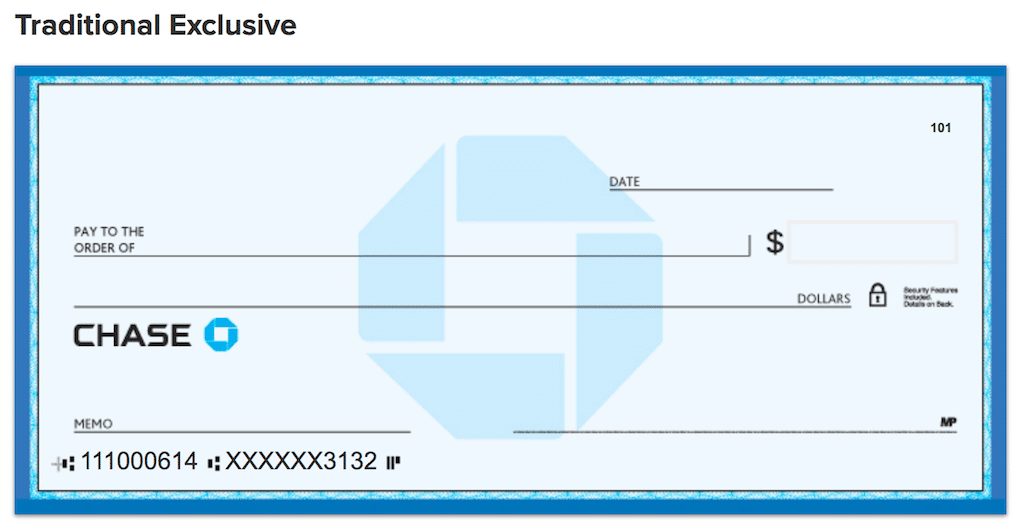
- Customization and Security Features: Chase offers a variety of check designs, from standard to more personalized options. Modern checks also incorporate several security features to deter fraud, such as microprinting, security warning boxes, chemical protective paper, and watermarks. Always ensure your checks include these features.
Cashier’s Checks: For Secure, Guaranteed Payments
A cashier’s check is a check guaranteed by the bank itself, rather than by your personal account. When you obtain a cashier’s check, the funds are immediately withdrawn from your account and held by the bank, which then issues the check. This makes it a highly secure form of payment, as the recipient is assured the funds are available.
- What They Are and When to Use Them: Cashier’s checks are ideal for large, critical payments where the recipient needs assurance of funds, such as purchasing a car, making a down payment on a house, or paying for significant services. They carry the bank’s guarantee, making them less susceptible to bouncing than a personal check.
- Obtaining a Cashier’s Check (Requirements and Process):
- In-Branch Only: Cashier’s checks must be obtained in person at a Chase branch. You cannot order them online or over the phone due to the security and verification requirements.
- Required Information: You will need to provide your Chase account number, a valid government-issued ID, the exact amount of the check, and the full name of the payee (the person or entity you are paying).
- Fees: Chase typically charges a fee for issuing a cashier’s check, which can vary but is usually a modest flat fee per check.
- Verification: The bank teller will verify your identity, confirm the availability of funds in your account, deduct the amount plus the fee, and then print the official cashier’s check.
Money Orders: A Lower-Cost Alternative for Smaller Payments
A money order is another guaranteed payment instrument, similar in principle to a cashier’s check but typically used for smaller amounts. They are generally less formal than cashier’s checks and often have lower maximum limits.
- Distinguishing Money Orders from Cashier’s Checks:
- Amount Limits: Money orders typically have lower maximum limits (e.g., $1,000) compared to cashier’s checks, which can be for much larger sums.
- Issuing Authority: While banks issue cashier’s checks, money orders can also be purchased from postal offices, convenience stores, and other financial service providers.
- Cost: Money orders generally have a lower issuance fee than cashier’s checks.
- How to Acquire a Money Order from Chase:
- Chase does offer money orders to its customers, primarily as an alternative for smaller guaranteed payments.
- In-Branch: Like cashier’s checks, you’ll need to visit a Chase branch to purchase a money order. You’ll provide your account details, ID, the amount, and the payee’s name.
- Fees: Expect a small fee for issuing a money order, usually less than that for a cashier’s check.
For transactions requiring a guaranteed payment but not reaching the high values that typically warrant a cashier’s check, a money order from Chase can be a convenient and cost-effective solution.
A Step-by-Step Guide to Obtaining Your Desired Chase Check
Navigating the process of obtaining checks from Chase can be straightforward once you understand the specific steps for each type. This section breaks down the procedures, ensuring you can acquire your payment instrument efficiently.
Streamlined Ordering for Personal/Business Checkbooks
Obtaining standard personal or business checkbooks from Chase is designed to be convenient, with multiple channels available.
- Utilizing Chase Online and Mobile Banking:
- Log In: Access your Chase online banking account via a web browser or through the Chase Mobile App.
- Navigate: Look for a section related to “Account Services,” “Customer Service,” or “Order Checks & Supplies.” The exact wording may vary slightly.
- Select Account: If you have multiple checking accounts, select the specific account for which you want to order checks.
- Choose Design & Quantity: You’ll typically be presented with options to reorder your last check design or choose a new one. Select the quantity (e.g., single or duplicate checks, number of boxes).
- Review and Confirm: Carefully review your shipping address, account information, and the total cost. Most standard check orders include the cost of the checks, plus any applicable shipping fees.
- Place Order: Confirm your order. You’ll usually receive an estimated delivery date. Standard delivery can take 7-10 business days, with expedited shipping options often available for an additional charge.
- In-Branch and Phone Ordering Processes:
- In-Branch: Visit any Chase branch during business hours. A banker will guide you through the check ordering process, confirm your details, and can help you with any special requests. This is a good option if you have questions or prefer in-person assistance.
- Phone: Call Chase customer service at the number provided on your debit card or statement. After a security verification process, a representative can place a check order for you. Have your account number and preferred shipping address ready.
The Process for Requesting Cashier’s Checks
Cashier’s checks, due to their guaranteed nature and higher security requirements, demand an in-person visit to a Chase branch.
- Required Documentation and Information:
- Valid ID: Bring a government-issued photo identification (e.g., driver’s license, passport) to verify your identity.
- Account Number: Know the account number from which the funds for the cashier’s check will be drawn.
- Exact Amount: You must know the precise dollar amount of the check you need.
- Payee Information: Provide the full and correct legal name of the person or entity you are paying (the payee). Ensure the spelling is accurate, as changes can be difficult to make once issued.
- Purpose (Optional but Recommended): While not always strictly required, knowing the purpose of the check (e.g., “Car Purchase,” “Down Payment”) can sometimes be helpful for bank records or your own tracking.
- Understanding Associated Fees and Limits:
- Fees: Chase typically charges a fee for issuing a cashier’s check, usually ranging from $5 to $15 per check. This fee is often waived for certain premium checking accounts.
- Limits: While cashier’s checks can be for substantial amounts, individual branches or your account type may have daily limits on the total value of cashier’s checks you can obtain. For extremely large sums, it’s wise to call your branch ahead of time to ensure they can accommodate your request and to confirm any specific requirements.
Getting a Money Order: Simplicity and Affordability
For smaller guaranteed payments, obtaining a money order from Chase is a straightforward process, also requiring an in-person visit.
- In-Branch Only: Just like cashier’s checks, money orders are issued at Chase bank branches.
- Provide Details: Inform the teller you wish to purchase a money order. You’ll need to provide your account number, a valid ID, the exact amount of the money order (within their limits, typically up to $1,000), and the payee’s name.
- Fee: A minimal fee, usually a few dollars, will be charged for issuing the money order.
- Receipt: You will receive a receipt for your money order. Keep this receipt in a safe place, as it contains tracking information and is essential if the money order is lost or needs to be traced.
By following these specific steps, you can confidently obtain the precise type of check you need from Chase, ensuring your payments are made securely and efficiently.
Navigating the Nuances: Fees, Limits, and Best Practices
Understanding the costs, limitations, and security measures associated with different types of checks from Chase is vital for responsible financial management.
Deconstructing Costs: Standard Fees and Expedited Options
When dealing with checks, be aware of potential costs:
- Personal/Business Checkbooks: The cost varies significantly based on the design, quantity, and whether you opt for duplicate checks. Basic checks are less expensive, while premium designs or expedited shipping will increase the total. Some Chase checking accounts may include free standard check orders as a perk.
- Cashier’s Checks: As mentioned, there’s usually a flat fee per cashier’s check, often in the range of $5-$15. Always confirm the current fee with a banker.
- Money Orders: These typically have the lowest issuance fee, often just a few dollars.
- Stop Payment Fees: If you need to stop payment on a personal check you’ve issued (e.g., if it’s lost or you’ve changed your mind), Chase will charge a stop payment fee, which can be substantial (e.g., $30-$35). This reinforces the importance of careful check management.
- Expedited Shipping: For personal checkbooks, if you need them quickly, expedited shipping is available for an extra charge. Factor this into your budget if time is a critical factor.
Understanding Transaction Limits and Availability
- Personal Checkbooks: There are generally no explicit daily transaction limits on how many personal checks you can write, but you are limited by your account balance. Your bank may monitor unusual check-writing activity as a fraud prevention measure.
- Cashier’s Checks and Money Orders: While cashier’s checks can be for very large sums, individual Chase branches may have limits on the maximum amount they can issue on a given day without prior arrangement. It’s always best to call ahead if you need a cashier’s check for an exceptionally large amount (e.g., six figures or more). Money orders typically have a hard cap, often around $1,000.
- Funds Availability: For cashier’s checks and money orders, the funds are debited from your account immediately. For personal checks you deposit from others, Chase’s funds availability policy dictates how quickly you can access the funds, which varies based on the check type, amount, and your banking history.
Essential Security Tips for Paper Checks
Safeguarding your checks is paramount to prevent fraud and financial loss:
- Store Securely: Keep your unused checkbooks in a locked drawer or safe place where they are not easily accessible.
- Never Pre-Sign: Do not sign blank checks. Only sign a check once all other fields (payee, amount, date) are filled out.
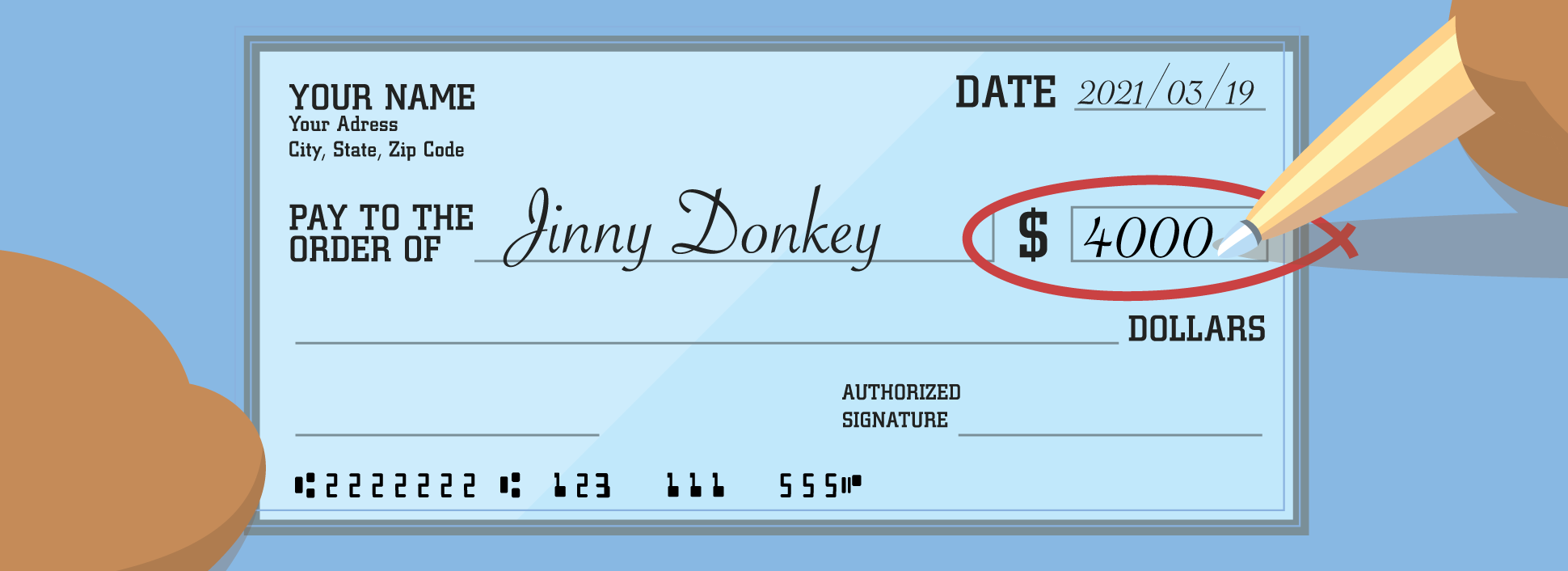
- Fill Out Completely: Always fill in the payee’s name, date, and amount (both numerical and written) completely, leaving no blank spaces for alteration. Draw a line through any unused space after the written amount.
- Monitor Your Account: Regularly review your Chase bank statements and online transaction history for any unauthorized or suspicious check clearings.
- Shred Old Checks: When checks are no longer needed, shred them to prevent criminals from obtaining your account information.
- Report Lost/Stolen Checks: If your checkbook is lost or stolen, immediately contact Chase to report it. You may need to place a stop payment on any missing checks.
Tracking and Reconciliation for Financial Clarity
Maintaining accurate records of your check transactions is crucial for personal and business finance:
- Use a Check Register: Whether paper or digital, consistently record the check number, date, payee, and amount for every check you write.
- Reconcile Regularly: Compare your check register to your monthly Chase bank statements. This process helps identify errors, missed payments, or potential fraud, ensuring your records match the bank’s.
- Keep Copies: For important payments (especially cashier’s checks), make a copy of the check for your records before handing it over. For money orders, retain the receipt.
Diligent attention to these details will significantly enhance your financial security and management when dealing with checks from Chase.
Beyond Paper: When Digital Alternatives Shine
While paper checks serve specific and important purposes, modern banking offers a suite of digital payment tools that often provide greater speed, convenience, and sometimes lower costs for certain transactions. Understanding when to use these alternatives can optimize your financial efficiency.
Leveraging Chase Online Bill Pay for Recurring Expenses
Chase’s Online Bill Pay service is an excellent digital alternative for managing regular payments:
- How it Works: You can set up one-time or recurring payments to virtually any biller, from utilities and credit card companies to rent (if your landlord accepts electronic payments). Chase will either send an electronic payment or mail a physical check on your behalf.
- Benefits:
- Convenience: Manage all your bills from one platform, eliminating the need for stamps, envelopes, and trips to the mailbox.
- Scheduling: Schedule payments in advance, ensuring you never miss a due date.
- Record-Keeping: A digital record of all payments is easily accessible within your Chase account.
- Cost-Effective: Typically free for Chase customers, saving you on postage and check costs.
- When to Use: Ideal for recurring monthly bills, subscriptions, credit card payments, and any situation where the recipient accepts electronic payments or a bank-generated check is acceptable.
Zelle®: Instant Payments for Friends and Family
Zelle is a peer-to-peer (P2P) payment service integrated directly into the Chase Mobile App and online banking platform, allowing for fast transfers between bank accounts.
- How it Works: You can send money directly from your Chase checking account to another person’s bank account (even if they bank elsewhere) using only their email address or U.S. mobile phone number.
- Benefits:
- Speed: Funds are typically available in minutes, making it ideal for splitting bills, paying back friends, or making quick payments to service providers who accept Zelle.
- Security: As it’s integrated directly with your bank, Zelle offers a high level of security.
- Cost-Free: Chase does not charge fees for using Zelle.
- When to Use: Best for sending money to people you know and trust, such as family, friends, small businesses, or independent contractors for relatively smaller, immediate payments. Be cautious, as Zelle payments are irreversible.
Wire Transfers and ACH Payments for Larger or International Transactions
For high-value or international transfers, wire transfers and Automated Clearing House (ACH) payments are professional-grade digital solutions.
- Wire Transfers:
- How it Works: Funds are electronically transferred directly from one bank to another, often across different financial institutions and even countries. They are generally irreversible once sent.
- Benefits: Extremely fast (often same-day for domestic, 1-3 days for international) and highly secure for large sums.
- When to Use: Ideal for large purchases (e.g., real estate closing, vehicle purchase from a private seller, international business transactions) where speed and guaranteed funds are critical.
- Fees: Wire transfers typically incur significant fees (e.g., $25-$50 for domestic, higher for international).
- ACH Payments (Automated Clearing House):
- How it Works: ACH transfers are electronic funds transfers between banks. They are commonly used for direct deposits (payroll), direct debits (recurring bill payments from your account), and electronic checks.
- Benefits: Lower cost than wire transfers, reliable for recurring payments, and widely used for business-to-business and consumer-to-business transactions.
- When to Use: Often used by businesses for payroll and vendor payments, and by consumers for setting up automatic bill payments. While slower than Zelle or wire transfers (typically 1-3 business days), they are highly efficient for routine transactions.
Making Informed Choices: Paper vs. Digital Payment Strategy
The best payment strategy often involves a hybrid approach, leveraging the strengths of both paper and digital methods:
- For high-assurance, large, or formal payments (real estate, car purchase): Cashier’s checks remain a strong choice.
- For recurring bills and general expenses where convenience is key: Chase Online Bill Pay is excellent.
- For quick, person-to-person payments to trusted contacts: Zelle is ideal.
- For very large, time-sensitive, or international transactions: Wire transfers are often necessary.
- For routine business payments and automatic debits/credits: ACH payments are highly efficient.
- For situations where a physical, traceable record is paramount, or the recipient prefers it: Your personal/business checkbook or a money order (for smaller amounts) is the answer.
By understanding the distinct advantages and limitations of each payment method, you can confidently choose the right tool for every financial scenario, ensuring efficiency, security, and peace of mind in managing your funds with Chase.
aViewFromTheCave is a participant in the Amazon Services LLC Associates Program, an affiliate advertising program designed to provide a means for sites to earn advertising fees by advertising and linking to Amazon.com. Amazon, the Amazon logo, AmazonSupply, and the AmazonSupply logo are trademarks of Amazon.com, Inc. or its affiliates. As an Amazon Associate we earn affiliate commissions from qualifying purchases.