
Car insurance is a non-negotiable expense for most drivers, a crucial financial safety net that protects against the often-devastating costs of accidents, theft, and other unforeseen events. However, the premium payments can weigh heavily on a household budget, sometimes feeling like an ever-increasing drain. While the core purpose of insurance remains vital, there are numerous strategies and financial insights that can help consumers significantly reduce their monthly or annual outlay without compromising essential protection. This article delves into the multi-faceted world of car insurance pricing, offering a comprehensive guide to understanding what influences your premiums and, more importantly, actionable steps to secure more affordable coverage. From immediate savings tactics to long-term financial habits, we’ll explore how a strategic approach can lead to substantial reductions in your car insurance costs, freeing up valuable funds for other financial goals.
Understanding Car Insurance Costs: What Drives Premiums?
Before you can effectively lower your car insurance premiums, it’s essential to understand the complex array of factors that insurance companies consider when calculating your rate. These factors are designed to assess risk – the higher the perceived risk, the higher your premium will generally be. By grasping these underlying drivers, you can identify areas where you might be able to make changes.
Factors Related to You: Driver Profile
Your personal profile is a primary determinant of your insurance rate. Insurers look at various aspects of your life and driving history to gauge your likelihood of filing a claim.
-
Driving Record: This is arguably the most significant factor. A history of accidents, traffic violations (speeding tickets, DUIs), or reckless driving indicates a higher risk, leading to much higher premiums. A clean driving record, conversely, can lead to significant discounts.
-
Age and Gender: Younger, less experienced drivers (especially teenagers and those in their early twenties) typically face higher premiums due to statistical data showing they are more prone to accidents. Gender can also play a role, with young male drivers often paying more than their female counterparts.
-
Credit Score (in most states): Many insurers use a credit-based insurance score as a strong predictor of future claims. A higher credit score often correlates with more responsible financial behavior, which insurers interpret as a lower risk. Poor credit can significantly increase your premiums.
-
Location: Where you live, park your car, and typically drive affects your rates. Urban areas with higher traffic density, greater rates of theft, vandalism, or uninsured motorists often have higher premiums than rural or suburban areas.
-
Marital Status: Married individuals often receive lower rates than single, divorced, or widowed drivers, as statistics suggest they are less likely to be involved in accidents.
-
Occupation and Education: Some insurers offer discounts based on certain professions (e.g., teachers, engineers, first responders) or higher education levels, again correlating with statistical risk profiles.
Factors Related to Your Car: Vehicle Profile
The vehicle you drive also plays a substantial role in your insurance costs. Insurers consider how likely your car is to be stolen, damaged, or cause damage in an accident, as well as the cost to repair or replace it.
-
Make, Model, and Year: Luxury cars, sports cars, and high-performance vehicles typically cost more to insure due to their higher repair costs, greater likelihood of theft, and potential for speed-related accidents. Conversely, older, more common, and safer vehicles often have lower premiums.
-
Safety Features: Cars equipped with advanced safety features like anti-lock brakes, airbags, adaptive cruise control, lane departure warning, and anti-theft devices can qualify for discounts, as these features reduce the risk of accidents or theft.
-
Repair Costs: Vehicles with expensive parts or specialized repair requirements will generally have higher collision and comprehensive premiums. The availability of parts can also influence costs.
-
Theft Rates: If your particular make and model is a frequent target for thieves, your comprehensive coverage premium will likely be higher.
Factors Related to Your Policy: Coverage Choices
The specific coverages you select and the parameters you set for your policy directly influence your premium.
-
Type of Coverage: Liability, collision, comprehensive, personal injury protection (PIP), uninsured/underinsured motorist (UM/UIM) – each adds to your total premium. State minimum requirements dictate the base, but additional coverages offer greater financial protection.
-
Coverage Limits: Higher liability limits (e.g., $100,000/$300,000 vs. state minimums) provide more protection in an accident but also increase your premium.
-
Deductibles: Your deductible is the amount you pay out-of-pocket before your insurance kicks in for collision and comprehensive claims. A higher deductible typically means a lower premium, as you’re taking on more initial risk.
-
Add-Ons: Roadside assistance, rental car reimbursement, gap insurance, and other optional coverages add convenience but also increase the overall cost.
Proactive Strategies to Lower Your Premiums Immediately
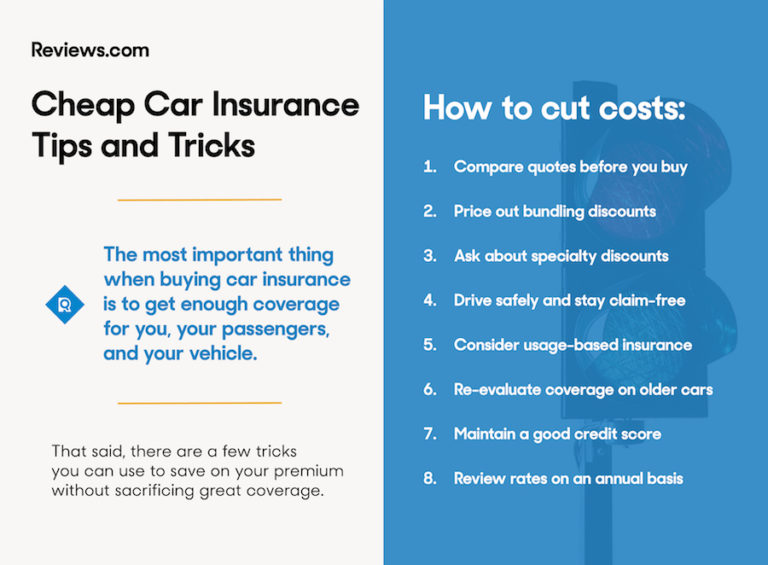
Understanding the cost drivers is the first step; the next is to take concrete actions to reduce your current or prospective premiums. Many of these strategies can yield immediate savings.
Shop Around and Compare Quotes Diligently
This is perhaps the single most effective strategy. Insurance rates vary significantly between providers for the exact same coverage because each company uses its own proprietary algorithm to assess risk and set prices.
-
Get Multiple Quotes: Don’t settle for the first quote you receive or simply renew with your existing provider. Obtain quotes from at least 3-5 different insurance companies, including large national carriers, smaller regional insurers, and online-only providers.
-
Use Comparison Websites (with caution): Online comparison tools can be a good starting point, but always verify quotes directly with the insurer. Some aggregators may not include all available discounts or the most up-to-date pricing.
-
Compare Apples to Apples: Ensure that when you’re comparing quotes, you’re looking at identical coverage limits, deductibles, and endorsements across all providers. A lower premium might simply mean less coverage.
Leverage Discounts: Don’t Leave Money on the Table
Insurance companies offer a myriad of discounts, and it’s your responsibility to ask about them and ensure you qualify.
-
Multi-Policy/Bundling Discount: One of the most common and significant discounts. If you have homeowners, renters, life, or other insurance policies, bundle them with the same provider as your car insurance.
-
Good Driver Discount: For drivers with a clean record over a specified period (e.g., 3-5 years).
-
Safe Vehicle Discount: For cars with specific safety features like anti-lock brakes, airbags, anti-theft systems, or daytime running lights.
-
Multi-Car Discount: Insuring multiple vehicles under the same policy with the same company.
-
Good Student Discount: For young drivers who maintain a certain GPA.
-
Defensive Driving Course Discount: Completing an approved defensive driving course can often lead to a discount, especially for older drivers or those with minor infractions.
-
Payment Discounts: Paying your premium in full, setting up automatic payments, or opting for paperless billing can all net small but cumulative savings.
Adjust Your Coverage Levels Wisely
While adequate coverage is crucial, you might be over-insured in certain areas, particularly for older vehicles.
-
Re-evaluate Collision and Comprehensive for Older Cars: If your car is more than 10-12 years old or its market value is low (e.g., under $3,000-$5,000), the cost of collision and comprehensive coverage might exceed the car’s actual cash value. In such cases, dropping these coverages could save you a significant amount, though it means you’d pay for repairs/replacement out-of-pocket.
-
Review Liability Limits: While state minimums are often too low for adequate protection, you might not need the absolute highest limits. Consult with a financial advisor or insurance professional to determine a comfortable balance between protection and cost.
-
Consider Optional Coverages: Assess whether add-ons like rental car reimbursement or roadside assistance are truly necessary if you have other means of transportation or a separate AAA membership.
Increase Your Deductible Strategically
Your deductible is the amount you pay out-of-pocket for a collision or comprehensive claim before your insurance pays the rest.
-
Higher Deductible, Lower Premium: Choosing a higher deductible (e.g., raising it from $500 to $1,000 or $2,500) will lower your premium because you’re accepting more of the initial financial risk.
-
Assess Your Emergency Fund: Only choose a higher deductible if you have sufficient savings in an emergency fund to cover that amount comfortably if you need to file a claim. An uncovered deductible can negate any premium savings if you can’t afford it.
Long-Term Habits for Sustainable Savings
Beyond immediate actions, cultivating certain financial and driving habits can lead to sustained reductions in your car insurance costs over many years.
Maintain a Clean Driving Record
This is foundational. Avoiding accidents and traffic violations is the most impactful way to keep your premiums low. Insurers reward responsible drivers.
-
Drive Safely: Practice defensive driving, adhere to speed limits, avoid distractions, and never drive under the influence.
-
Address Minor Infractions: In some cases, attending traffic school for a minor moving violation might prevent points from being added to your record, which could keep your rates from increasing.

Improve Your Credit Score
Since credit scores are often used in calculating premiums, improving yours can translate to lower insurance costs over time.
-
Pay Bills on Time: Payment history is a major component of your credit score.
-
Reduce Debt: Lowering your credit utilization ratio can positively impact your score.
-
Monitor Your Credit: Regularly check your credit report for errors that could be negatively affecting your score.
Consider Telematics Programs
Many insurers offer telematics programs (also known as usage-based insurance or “drive safe” programs) that monitor your driving habits through a device plugged into your car or a smartphone app.
-
How it Works: These programs track mileage, speed, braking habits, acceleration, and time of day driven.
-
Potential Savings: Safe drivers can earn significant discounts (up to 30% or more) for demonstrating responsible driving behavior.
-
Be Aware: While primarily designed to offer discounts, extremely poor driving habits might theoretically lead to higher rates or non-renewal, though most programs promise not to increase rates based solely on monitored data for current policies.
Review Your Policy Annually and Update Information
Life changes constantly, and your insurance policy should reflect those changes to ensure you’re getting the best rate.
-
Annual Check-up: Don’t just let your policy automatically renew. Each year, revisit your coverage needs and shop around for quotes.
-
Update Personal Information: Inform your insurer about major life events such as getting married, moving to a new address, changing jobs (if it affects your commute or profession), or your children leaving home. These changes could lead to new discounts or lower rates.
-
Mileage Changes: If you start working from home or your commute significantly shortens, your annual mileage will decrease, potentially lowering your premium.
Specific Scenarios and Advanced Tips
Beyond the core strategies, certain specific situations and advanced financial planning can further refine your approach to cheaper car insurance.
Bundling Policies for Maximum Savings
While mentioned as a discount, bundling extends beyond just car and home. Many insurers offer packages that combine auto, home, renters, life, and even umbrella policies. The deeper the relationship you have with one insurer, the more valuable you become to them, often unlocking higher multi-policy discounts than simply having two types of insurance. This consolidated approach not only simplifies your financial management but also maximizes your negotiation power.
Reconsidering Your Vehicle Choice
For those in the market for a new or used car, insurance costs should be a significant factor in your budget calculations, not just the purchase price.
-
Research Insurance Costs Before Buying: Before you fall in love with a car, get insurance quotes for it. A seemingly affordable car could have prohibitively high insurance premiums due to its theft rate, repair costs, or safety ratings.
-
Opt for Safer, Less Expensive-to-Repair Models: Generally, sedans, family-friendly SUVs, and vehicles with strong safety ratings from organizations like the IIHS (Insurance Institute for Highway Safety) will be cheaper to insure than high-performance sports cars, luxury vehicles, or certain trucks prone to higher accident rates.
Dropping Unnecessary Coverage for Older Cars
Revisiting the concept of dropping collision and comprehensive for older, low-value vehicles, it’s a financial calculation. If the annual premium for these coverages is, for example, $500, and your car’s market value is $2,000, you’d effectively be paying 25% of the car’s value every year just for these two coverages. Over a few years, you’d pay more in premiums than the car is worth. By self-insuring for these risks (i.e., saving the premium money in an emergency fund), you could be in a better financial position if a loss occurs.
Exploring Usage-Based Insurance (UBI)
Beyond the discount programs, some insurers offer full UBI policies where your premium is directly tied to how much you drive. This can be particularly beneficial for:
-
Low-Mileage Drivers: If you work from home, use public transport, or only drive occasionally, a “pay-per-mile” or low-mileage discount plan could dramatically reduce your costs.
-
Careful Drivers: Even if you drive regularly, if you consistently demonstrate safe driving habits (smooth braking, no excessive speeding, driving during low-risk hours), these policies can be much cheaper than traditional plans.
Navigating the Renewal Process and Avoiding Pitfalls
The annual insurance renewal is a prime opportunity to either secure savings or fall into the trap of passively accepting higher rates. Approaching it strategically is key.
Don’t Settle for Automatic Renewal
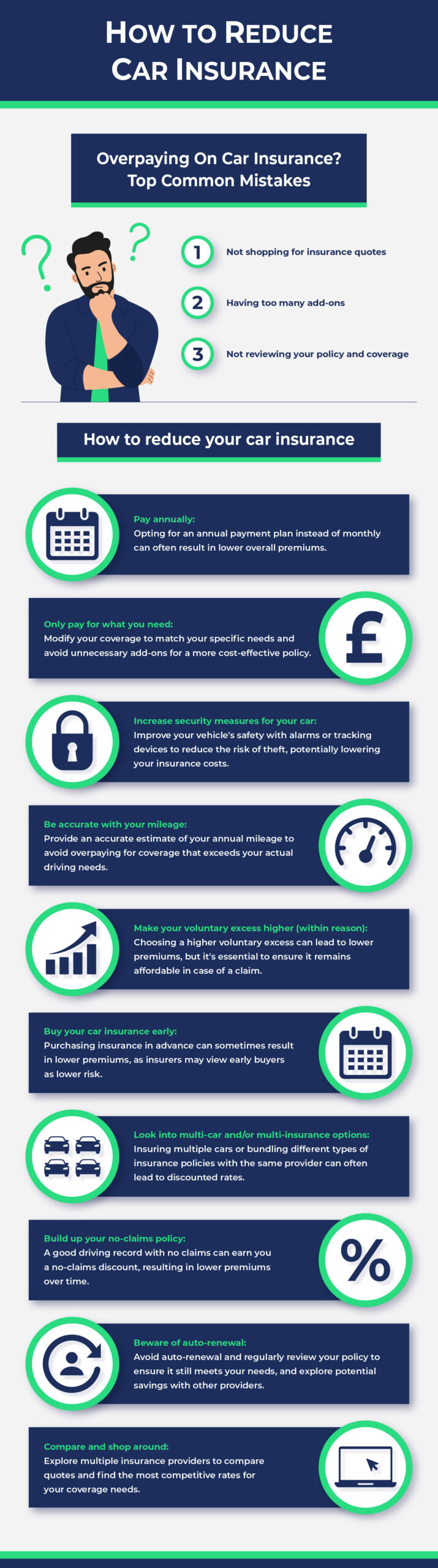
Many people let their policies automatically renew without a second thought. This is a common financial mistake. Insurers often introduce new discounts or adjust their risk assessments, and a company that was competitive last year might not be this year.
-
Start Early: Begin shopping for new quotes 3-4 weeks before your current policy expires. This gives you ample time to compare, make a decision, and switch if necessary without a lapse in coverage.
-
Negotiate: Once you have a few competitive quotes, don’t hesitate to call your current insurer and ask if they can match or beat them. Loyalty can sometimes be rewarded, especially if you present them with tangible evidence of lower rates elsewhere.
Understand the Impact of Claims
Filing a claim, even a minor one, can affect your premium at renewal, especially if you were at fault.
-
Weigh the Cost vs. Benefit: For very minor damage that might only slightly exceed your deductible, consider paying for repairs out-of-pocket rather than filing a claim. A small claim might raise your premiums by more than the cost of the repair over the next few years.
-
Accident Forgiveness: Some policies offer “accident forgiveness” after a certain period of claim-free driving, meaning your first at-fault accident won’t increase your rates. If you have this, understand its terms.
Seek Professional Advice When Needed
While DIY research is valuable, a professional insurance agent or financial advisor can offer tailored guidance.
-
Independent Agents: These agents work with multiple insurance companies and can often find the best policies and rates that fit your specific needs, doing the shopping around for you. They can also explain complex coverage options.
-
Financial Planners: For a holistic financial view, a planner can help you integrate your insurance decisions into your broader budget and risk management strategy.
In conclusion, achieving cheaper car insurance is less about finding a secret loophole and more about diligent financial management, informed decision-making, and proactive engagement with the market. By understanding the factors that influence your premiums, strategically adjusting your coverage, diligently seeking discounts, and maintaining responsible driving and financial habits, you can significantly reduce this essential expense. Remember, the goal is not merely to find the cheapest policy, but the cheapest policy that still provides the robust financial protection you and your vehicle deserve.
aViewFromTheCave is a participant in the Amazon Services LLC Associates Program, an affiliate advertising program designed to provide a means for sites to earn advertising fees by advertising and linking to Amazon.com. Amazon, the Amazon logo, AmazonSupply, and the AmazonSupply logo are trademarks of Amazon.com, Inc. or its affiliates. As an Amazon Associate we earn affiliate commissions from qualifying purchases.