
In the landscape of modern finance, where digital transactions often dominate, certain situations still call for the robust security and guaranteed funds of a traditional banking instrument: the cashier’s check. For individuals and businesses alike, a cashier’s check represents a secure and reliable method for making significant payments, offering peace of mind to both the payer and the payee. As one of the largest financial institutions in the United States, Chase Bank is a common go-to for many seeking this service. This comprehensive guide will walk you through everything you need to know about obtaining a cashier’s check from Chase, from understanding its benefits to navigating the precise steps involved, ensuring a smooth and successful transaction.
What is a Cashier’s Check and Why Do You Need One?
Before diving into the “how-to,” it’s crucial to understand what a cashier’s check is and why it remains a preferred payment method in specific scenarios. Unlike a personal check, which is drawn on your personal account and relies on your account having sufficient funds, a cashier’s check is guaranteed by the bank itself.
Defining the Cashier’s Check
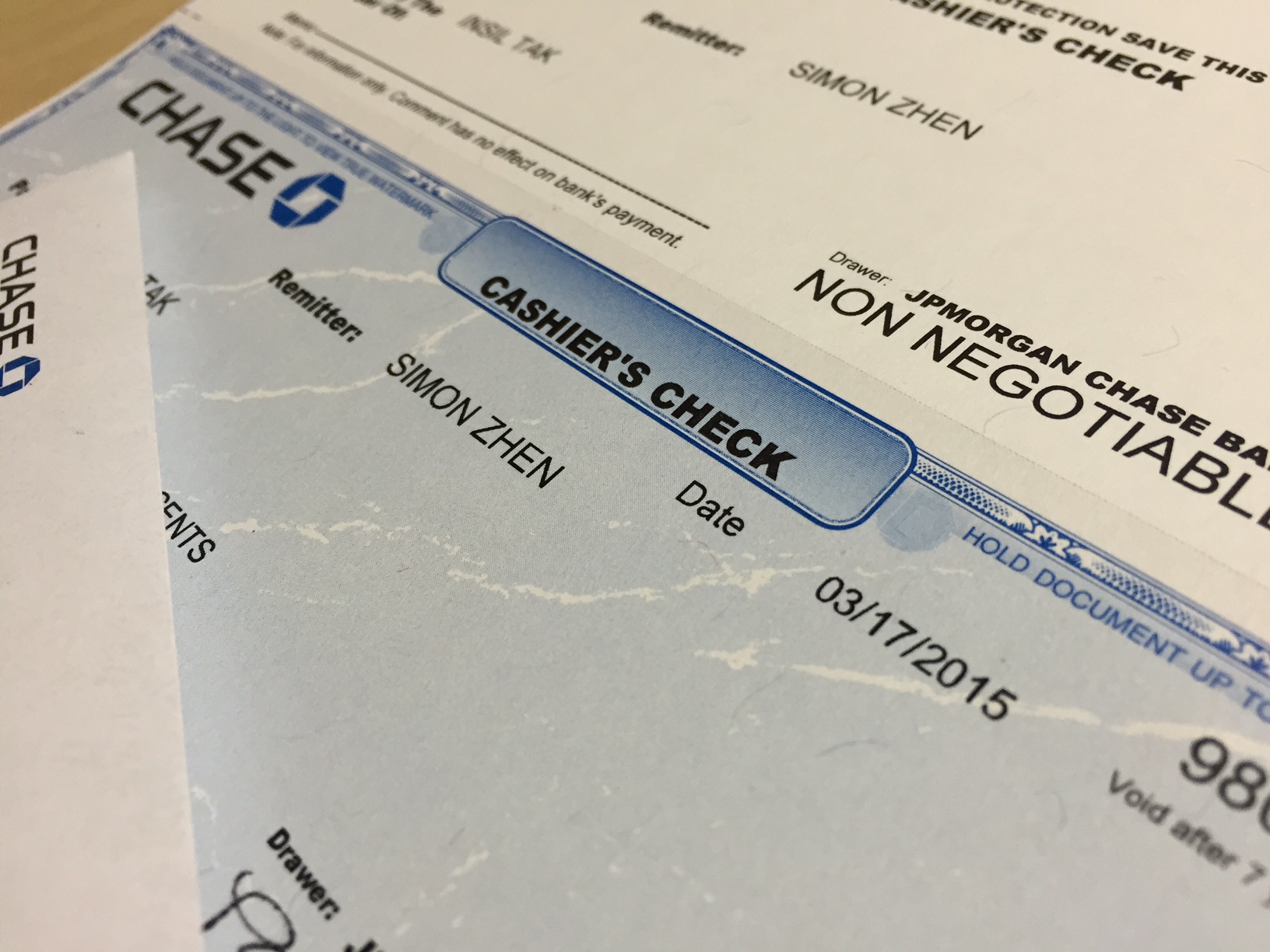
A cashier’s check is a check issued by a bank or credit union and drawn against the bank’s own funds. When you request a cashier’s check, the bank debits the requested amount directly from your account (plus any applicable fees) and then issues a check from its own corporate account. This process effectively transfers the liability for payment from you to the bank, making it a highly secure form of payment. The bank’s guarantee means the funds are assured, assuming the check itself is legitimate.
Key Benefits and Use Cases
The inherent security of a cashier’s check makes it indispensable for various large transactions where the recipient requires guaranteed funds.
- Real Estate Transactions: Buying or selling a home often involves down payments or closing costs paid via cashier’s check.
- Vehicle Purchases: When purchasing a car, boat, or RV from a private seller or dealership, a cashier’s check offers the necessary assurance.
- Large Down Payments: For loans, leases, or significant deposits, this method minimizes risk.
- International Transactions: While wire transfers are common, cashier’s checks can sometimes be used for international payments, though this requires careful verification of the recipient’s ability to deposit it.
- Situations Requiring Guaranteed Funds: Any scenario where a recipient is wary of a personal check bouncing will likely request a cashier’s check.
Compared to a personal check, which can take days to clear and may be subject to insufficient funds, a cashier’s check is typically processed quickly and offers immediate assurance of funds. It also provides more security than a money order for very large sums, as money orders usually have lower maximum limits.
Security and Reliability
The primary advantage of a cashier’s check lies in its security. Because the bank guarantees the payment, the risk of the check bouncing due to insufficient funds is virtually eliminated. This makes it a trusted form of payment for high-value transactions, providing confidence to both the issuer and the recipient. However, it’s vital for recipients to verify the authenticity of a cashier’s check, as sophisticated scams involving fake cashier’s checks do exist.
Preparing for Your Chase Cashier’s Check Request
Obtaining a cashier’s check from Chase is a straightforward process, but being prepared can save you time and ensure a smooth transaction. Gathering all necessary information and documentation beforehand is key.
Essential Information You’ll Need
When you visit a Chase branch to request a cashier’s check, you’ll need to provide several pieces of crucial information to the bank representative:
- Payee’s Full Name: The exact legal name of the individual or entity to whom the check is being made out. Double-check spelling to avoid delays or issues.
- Exact Amount: The precise dollar amount of the check. It’s crucial to know this figure before you arrive.
- Purpose of the Check (Optional but Recommended): While not always mandatory, having the purpose documented can be helpful for your own records or if the bank requires it for large sums.
- Your Chase Account Details: The checking or savings account from which the funds will be drawn.
Funds Availability and Account Requirements
Before heading to the bank, ensure you have sufficient funds available in your designated Chase checking or savings account. The bank will debit the full amount of the check, plus any service fees, directly from this account. If you’re trying to draw from an account with pending deposits, confirm they have cleared and are available for withdrawal. Generally, most standard checking and savings accounts with Chase are eligible for issuing cashier’s checks. If you have a less common account type, it’s wise to confirm eligibility with Chase beforehand.
Required Identification
To protect both you and the bank from fraud, Chase will require proper identification. You should always bring:
- Valid Photo ID: A government-issued ID such as a driver’s license, state ID card, or passport. Ensure it is current and not expired.
- Chase Debit Card or Account Information: While your photo ID helps verify your identity, having your Chase debit card or knowing your account number will help the teller quickly locate your account.
The Step-by-Step Process at a Chase Branch
Unlike some other banking services that have moved online, obtaining a cashier’s check typically requires an in-person visit to a Chase branch. This allows for direct verification of identity and immediate funding of the check from your account.
Locating Your Nearest Chase Branch
The first step is to find a convenient Chase branch. You can do this easily using the Chase mobile app, the Chase website’s branch locator, or by a quick online search. Most branches have similar operating hours, but it’s a good idea to check specific times, especially during holidays.
Initiating the Request
Upon arriving at the branch, head to a teller window or, for larger or more complex transactions, request to speak with a personal banker. Inform them that you wish to obtain a cashier’s check.
Providing Details and Verification
The teller or personal banker will ask for the essential information you prepared: the payee’s name, the exact amount, and your Chase account details. You will also need to present your valid photo identification. The bank representative will use this information to verify your identity and confirm the availability of funds in your account.
Funding the Check
Once all details are confirmed and verified, the bank will deduct the total amount of the cashier’s check plus any associated fees directly from your specified Chase account. This ensures that the funds are secured by the bank before the check is issued.

Receiving and Verifying Your Cashier’s Check
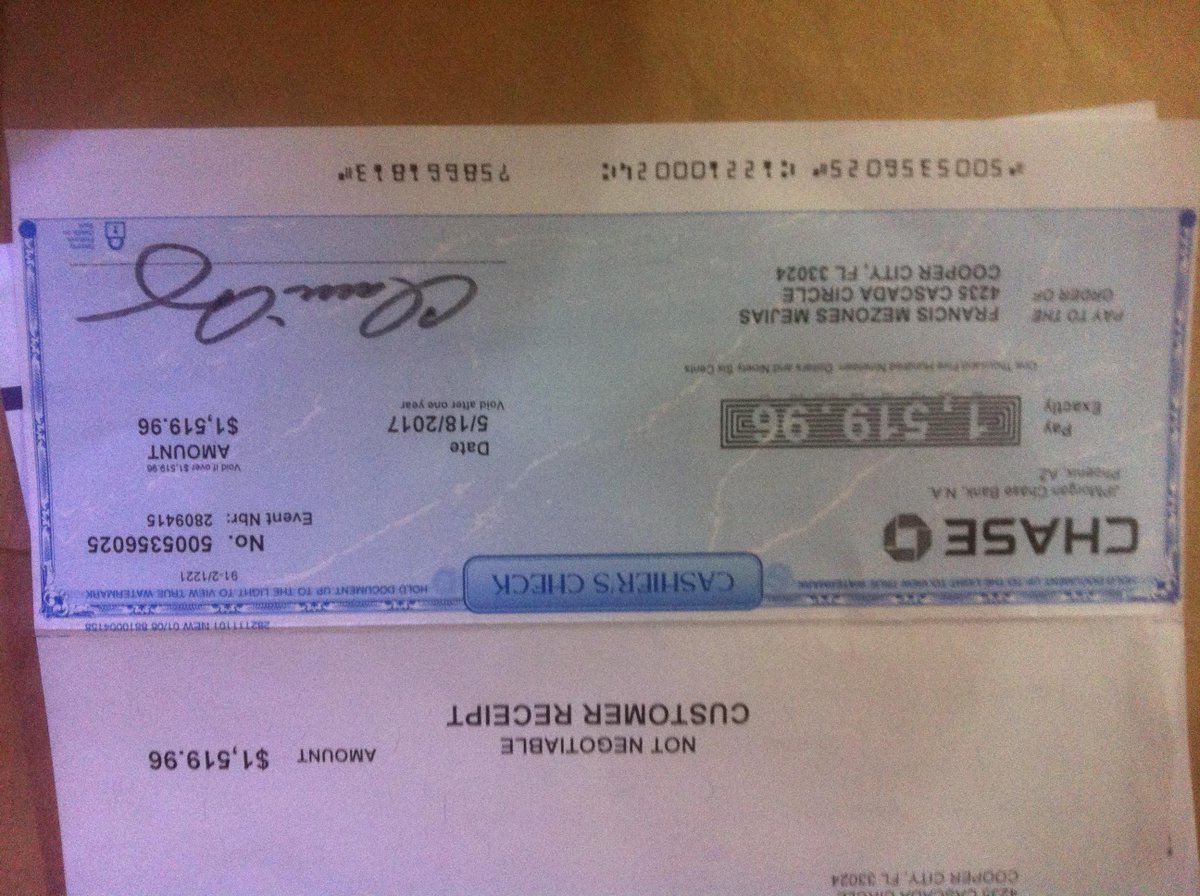
After the transaction is processed, the teller will print out the cashier’s check. Before leaving the branch, carefully review all the details on the check:
- Payee’s Name: Is it spelled correctly and exactly as intended?
- Amount: Is the numerical and written amount correct?
- Date: Is the current date accurate?
- Bank Information: Ensure it clearly shows Chase as the issuer.
If everything is correct, the check is ready. In some cases, depending on the payee’s requirements or the bank’s internal policy, you might be asked to sign the back of the check, though this is less common for cashier’s checks compared to personal checks. Keep the receipt provided by the bank as proof of purchase.
Fees, Limits, and Important Considerations for Chase Cashier’s Checks
While cashier’s checks offer unparalleled security, it’s important to be aware of the practical aspects, including costs, potential limits, and procedures for dealing with issues.
Understanding the Associated Fees
Like many specialized banking services, there is typically a fee for issuing a cashier’s check. At Chase, this fee is usually around $10 to $15 per check. However, this fee can sometimes be waived for customers who hold certain premium Chase accounts (e.g., Chase Sapphire Banking, Chase Private Client) or specific business accounts. It’s always a good idea to confirm the current fee schedule with your branch or check Chase’s official fee disclosures.
Daily Limits and Large Sums
While there isn’t usually a strict “limit” on the amount a cashier’s check can be issued for in terms of a single transaction, very large sums (e.g., six figures or more) might trigger additional scrutiny or require special approval from a branch manager. For exceptionally large transactions, the bank might need to verify the source of funds or comply with anti-money laundering regulations. It’s advisable to call ahead to your branch if you plan to request a cashier’s check for an unusually high amount to ensure they are prepared.
What if You Lose a Cashier’s Check?
Losing a cashier’s check can be a significant concern, given the guaranteed funds it represents. If you lose a cashier’s check, contact Chase immediately. The process for stopping payment and obtaining a replacement can be lengthy and complex. Typically, you will need to:
- Report the Loss: Inform Chase as soon as possible.
- Sign an Indemnity Agreement: The bank will likely require you to sign an indemnity agreement. This is a legal document where you agree to protect the bank from any loss if the original check is later cashed.
- Wait Period: There is often a mandatory waiting period (e.g., 90 days) before a replacement check can be issued or the funds returned to your account. This is to allow time for the original check to surface or be confirmed as uncashed.
Because of this cumbersome process, treat a cashier’s check with the same care you would treat cash.
Verifying a Cashier’s Check
If you are on the receiving end of a cashier’s check, it’s crucial to verify its authenticity, especially given the prevalence of fraud. The safest way to do this is to contact the issuing bank (in this case, Chase) directly using a phone number obtained from their official website, not from the check itself. Provide the check number, amount, and payee information, and ask them to confirm its legitimacy. Never rely solely on the appearance of the check or funds appearing in your account quickly, as fraudulent checks can sometimes appear to clear before being identified as fake.
Record Keeping
Always keep a detailed record of your cashier’s check transaction. This includes:
- The receipt provided by Chase.
- A photocopy or digital image of the front and back of the check.
- The exact date, amount, and payee.
- The purpose of the payment.
These records are invaluable for your personal finance management, tax purposes, and as proof of payment in case of any future disputes.
Alternative Secure Payment Methods to Consider
While cashier’s checks are excellent for specific situations, other secure payment methods might be more suitable depending on your needs for speed, international reach, or recurring payments.
Wire Transfers
For immediate, often international, and high-value transactions, wire transfers are a powerful alternative. Funds are transferred electronically from one bank account to another, typically within hours, and sometimes minutes, if it’s a domestic transfer. They are generally more expensive than cashier’s checks but offer unparalleled speed and certainty of delivery once sent. Chase offers both domestic and international wire transfer services.
ACH Transfers (Electronic Funds Transfers)
Automated Clearing House (ACH) transfers are electronic transfers between banks that are less immediate than wire transfers but are often free or have very low fees. They are commonly used for direct deposits, bill payments, and person-to-person transfers within the U.S. While not suitable for urgent, large, one-time payments requiring immediate guaranteed funds (like a down payment on a house), they are excellent for recurring payments or less time-sensitive transfers.
Certified Checks (Brief Mention)
A certified check is similar to a cashier’s check but with a key difference: it is a personal check on which the bank has verified that sufficient funds exist in the payer’s account and has “certified” the check, typically by stamping and signing it. The funds are then typically moved to a bank’s internal account. While also offering guaranteed funds, they are less common than cashier’s checks today and may not be accepted by all recipients who require the ultimate security of a bank-issued instrument.
Escrow Services
For very large, complex transactions, especially in real estate, an escrow service can be the most secure option. An impartial third party (the escrow agent) holds funds and documents until all conditions of a contract are met, providing protection for both buyer and seller. While not a direct payment method, it facilitates secure transfers of large sums.
Conclusion
Obtaining a cashier’s check from Chase is a secure and reliable way to make significant payments that require guaranteed funds. By understanding what a cashier’s check is, gathering the necessary information, and following the straightforward in-branch process, you can easily secure this powerful financial instrument. Always remember to verify all details, be mindful of fees and potential limits, and treat the check with care to avoid the complexities of replacement. While other secure payment methods exist, the cashier’s check remains an invaluable tool in your financial toolkit for its unmatched security and widespread acceptance in crucial transactions.
aViewFromTheCave is a participant in the Amazon Services LLC Associates Program, an affiliate advertising program designed to provide a means for sites to earn advertising fees by advertising and linking to Amazon.com. Amazon, the Amazon logo, AmazonSupply, and the AmazonSupply logo are trademarks of Amazon.com, Inc. or its affiliates. As an Amazon Associate we earn affiliate commissions from qualifying purchases.