
In the landscape of personal and business finance, certain transactions demand a higher level of security and assurance than a personal check can provide. For these critical moments, a cashier’s check often becomes the instrument of choice. Issued directly by a bank, a cashier’s check guarantees the funds are available, making it a trusted method for significant payments. For customers of Chase Bank, understanding the process of obtaining this financial tool is crucial for smooth and secure transactions.
Understanding Cashier’s Checks: What They Are and Why They Matter
A cashier’s check is a check guaranteed by the bank that issues it, drawn on the bank’s own funds, not on the funds in a depositor’s account. This fundamental difference is what lends it such significant credibility compared to a standard personal check. When you request a cashier’s check, the funds are immediately withdrawn from your account and held by the bank. The bank then issues a check, signing it as the payer, thereby taking responsibility for the payment.
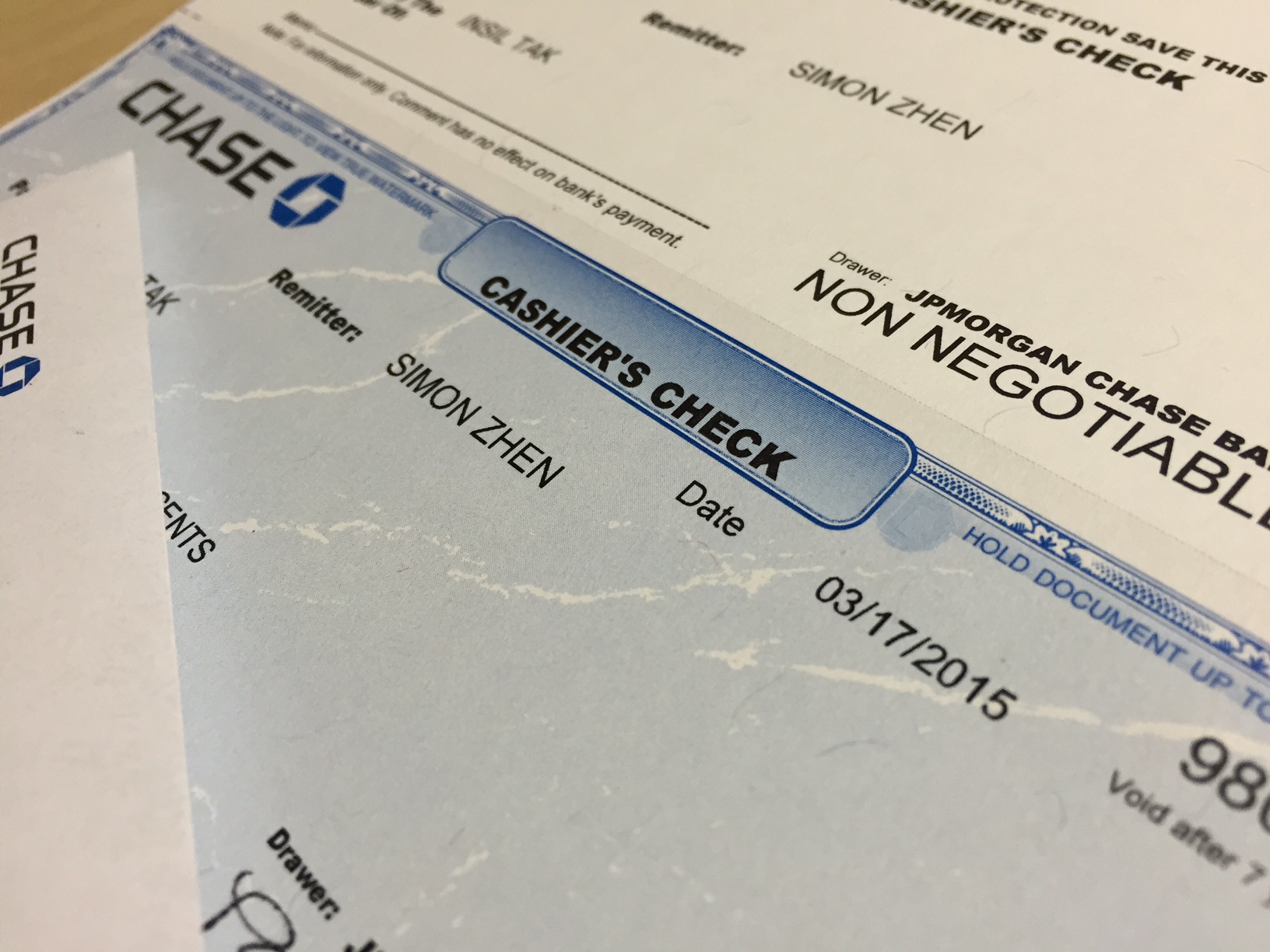
Defining a Cashier’s Check
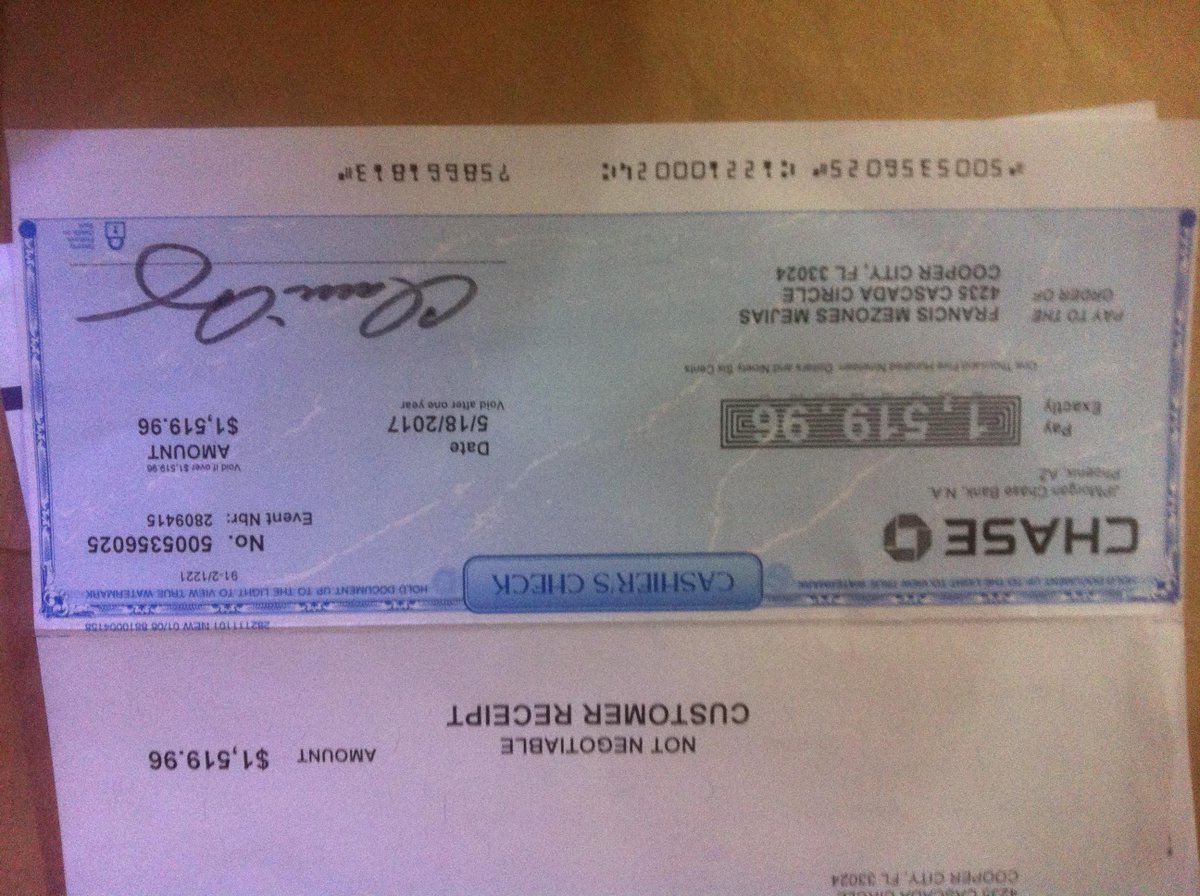
At its core, a cashier’s check represents a bank’s promise to pay. It is typically printed on special paper with security features similar to standard checks, but it clearly indicates “Cashier’s Check” or “Official Check” and bears the bank’s name as the drawer. The amount is guaranteed, and the check is signed by an authorized bank representative. This guarantee mitigates the risk of the check bouncing due to insufficient funds, which is a common concern with personal checks.
When a Cashier’s Check is Required
Cashier’s checks are commonly requested for large-value transactions where the recipient requires absolute assurance that the payment will clear. Common scenarios include:
- Real Estate Transactions: Purchasing a home often requires a cashier’s check for down payments, closing costs, or earnest money deposits.
- Vehicle Purchases: Buying a car, especially from a private seller, frequently involves a cashier’s check to ensure the seller receives guaranteed funds.
- Large Personal Loans: Repaying a significant personal loan, particularly if it’s from an individual, might necessitate a cashier’s check.
- Legal Settlements: In some legal cases, settlement payments are made via cashier’s checks to ensure prompt and guaranteed payment.
- International Transactions (specific cases): While wire transfers are more common, some international payments, especially to non-bank entities, might still prefer a cashier’s check for its security.
- Security Deposits for High-Value Rentals: Landlords for high-end properties might request a cashier’s check for security deposits.
The common thread among these scenarios is the need for a payment method that inspires confidence and eliminates the risk associated with a personal check.
Key Benefits and Security Features
The primary benefit of a cashier’s check is the guarantee of funds. Since the money is drawn from the bank’s own account (after being debited from yours), the risk of the check being returned due to insufficient funds is virtually eliminated. This makes them highly desirable for recipients.
Beyond the guarantee, cashier’s checks often incorporate several security features to deter fraud:
- Watermarks: Visible when held up to light.
- Microprinting: Tiny text, often in the signature line, that is difficult to replicate.
- Security Thread: A metallic strip embedded in the paper.
- Chemical Alteration Protection: Paper designed to show stains or discoloration if altered with chemicals.
- Unique Serial Numbers: For tracking and verification.
These features, combined with the bank’s backing, make cashier’s checks one of the most secure non-digital payment methods available for significant sums.
The Process: Obtaining a Cashier’s Check at Chase Bank
Obtaining a cashier’s check from Chase Bank is a straightforward process, primarily conducted in person at a branch. While online banking provides many conveniences, the nature of a guaranteed check requires a direct interaction to ensure proper verification and issuance.
Prerequisites Before You Visit
Before heading to a Chase branch, ensure you have the following readily available:
- Sufficient Funds: The most critical prerequisite is having enough money in your Chase checking or savings account to cover the full amount of the cashier’s check, plus any associated fees. Chase will not issue a cashier’s check if the funds are not immediately available.
- Account Information: Know your Chase account number or have your debit card or online banking login handy to easily access your account details.
- Recipient’s Information: You will need the exact name of the payee (the person or entity you are paying) as it should appear on the check. Double-check the spelling to avoid issues.
- Exact Amount: Know the precise amount of the check. Cashier’s checks cannot be written for “up to” a certain amount; they must be for a specific, fixed sum.
- Valid Photo ID: A government-issued photo identification, such as a driver’s license, state ID, or passport, is typically required for verification purposes. This is standard procedure for many bank transactions, especially those involving the withdrawal of significant funds or the issuance of official documents.
Step-by-Step at a Chase Branch
- Locate a Chase Branch: Use the Chase mobile app or website to find the nearest branch. Check their operating hours before you go.
- Approach a Teller or Customer Service Representative: Inform them that you wish to obtain a cashier’s check.
- Provide Account and Identification: Present your Chase account information and your valid photo ID. The bank representative will verify your identity and account details.
- Specify Payee and Amount: Clearly state the full name of the payee and the exact dollar amount for which the check should be issued.
- Confirm Funds and Fees: The representative will confirm that you have sufficient funds and will inform you of any associated fees. The funds for the check and the fee will be debited from your account.
- Review and Receive: Once the check is printed, carefully review all details—the payee’s name, the amount, and your information (if applicable)—to ensure accuracy before leaving the branch. The representative may ask you to sign a receipt.
It’s always a good practice to keep the receipt provided by Chase as proof of purchase.
Required Information and Documentation
To reiterate, the core information needed includes:
- Your Chase Account Number (checking or savings)
- Your Government-Issued Photo ID
- The Full Legal Name of the Payee
- The Exact Dollar Amount of the Check
While not always required, having the payee’s address can sometimes be helpful, especially if there are multiple entities with similar names. It’s always best to be over-prepared.
Fees, Limits, and Important Considerations
Understanding the financial implications and security aspects beyond the issuance process is vital for managing your finances effectively.
Chase Bank’s Fee Structure

Like most banks, Chase typically charges a fee for issuing a cashier’s check. This fee can vary, so it’s advisable to check Chase’s current fee schedule on their website or inquire with a representative at the branch. As of typical practices, these fees can range from $5 to $10, though they might be waived for certain premium checking accounts or for customers who meet specific balance requirements. Always confirm the fee upfront.
Daily Limits and Large Transactions
While cashier’s checks offer a high level of security, banks generally have internal policies regarding the maximum amount for which they will issue a single cashier’s check. While there isn’t a strict legal limit imposed by regulators, individual banks set their own thresholds, often in the hundreds of thousands or even millions of dollars. For extremely large transactions that exceed typical limits (e.g., multi-million dollar real estate deals), you might need to coordinate in advance with the bank to ensure they can accommodate the request, potentially involving multiple checks or alternative payment methods like wire transfers. For most common large transactions, however, Chase will be able to issue a single cashier’s check.
Safeguarding Your Cashier’s Check
Once you receive the cashier’s check, treat it as you would cash. It represents guaranteed funds, and if it falls into the wrong hands, it could be fraudulently deposited.
- Keep it Secure: Store the check in a safe place until you are ready to deliver it to the payee.
- Avoid Endorsing Until Necessary: Do not endorse the back of the check unless you are the payee and are about to deposit or cash it.
- Deliver Promptly: Aim to deliver the check to the payee as soon as possible after obtaining it.
What If It’s Lost or Stolen?
Losing a cashier’s check is a serious concern because the funds have already been debited from your account. If your cashier’s check is lost, stolen, or destroyed, contact Chase Bank immediately. The process for replacement or refund can be complex and typically involves:
- Reporting the Loss: Inform Chase as soon as possible.
- Indemnity Agreement: You will likely be required to sign an “indemnity agreement” (also known as a “declaration of loss”). This is a legal document stating that if the original check surfaces and is cashed, you agree to reimburse the bank.
- Waiting Period: Banks often impose a waiting period (e.g., 90 days) before issuing a replacement or refund to allow sufficient time for the original check to clear or be returned if it was fraudulently deposited. This is to protect the bank from paying out twice.
This process underscores the importance of safeguarding the check once it’s in your possession.
Alternatives to Cashier’s Checks for Various Transactions
While cashier’s checks are excellent for many situations, other financial instruments might be more suitable depending on the specific needs of your transaction. Understanding these alternatives can help you choose the most efficient and appropriate method.
Certified Checks
A certified check is similar to a cashier’s check in that the bank guarantees the funds. However, with a certified check, the funds remain in your account until the check is cashed. The bank “certifies” that the funds are available and earmarks them, preventing you from spending them. The check is drawn on your account, not the bank’s. Certified checks offer less security than cashier’s checks for the recipient because the funds are not drawn from the bank’s own account, making it slightly easier for fraudsters to alter the check itself. They are typically issued for smaller amounts than cashier’s checks.
Money Orders
Money orders are generally used for smaller transactions, often under $1,000. They can be purchased at banks, post offices, and some retail stores. Like cashier’s checks, the funds are paid upfront, guaranteeing the payment. They are a good alternative for mailing payments where a personal check isn’t accepted, but they lack the robust security features and high-value capacity of cashier’s checks.
Wire Transfers
Wire transfers are an electronic method of sending funds directly from one bank account to another. They are fast, secure, and ideal for very large or time-sensitive transactions, especially internationally. The funds are typically available within hours, sometimes even minutes. While highly secure, they are also irreversible once sent, making careful verification of recipient details paramount. Wire transfers often incur higher fees than cashier’s checks.
Digital Payment Platforms
Platforms like Zelle, PayPal, and Venmo offer convenient ways to send money electronically. They are excellent for person-to-person payments, splitting bills, or paying small businesses. However, they are generally not suitable for large-value transactions like buying a home or car due to daily limits, potential fees, and a lack of the same legal or institutional guarantees offered by banks for instruments like cashier’s checks or wire transfers.
Best Practices for Financial Transactions Involving Cashier’s Checks
Whether you are issuing a cashier’s check or receiving one, adhering to best practices can protect your financial interests.
Verifying the Check’s Authenticity (if receiving one)
If you are the recipient of a cashier’s check, especially from an unfamiliar party, exercise caution. Unfortunately, counterfeit cashier’s checks are a common tool for scammers.
- Bank Verification: The safest way to verify a cashier’s check is to take it directly to the issuing bank (e.g., a Chase branch if the check is from Chase) and have them confirm its authenticity. Do not rely on phone numbers printed on the check, as these can be fake.
- Hold for Clearance: Even if a check appears legitimate, wait until the funds have fully cleared your account before releasing goods or services. Just because funds are “available” doesn’t mean the check has fully cleared. It can take several business days for a check to fully process and for any fraud to be detected.
Keeping Records
Maintain meticulous records of all transactions involving cashier’s checks. If you issue one, keep your receipt, a copy of the check (if possible), and any related correspondence. If you receive one, keep records of the check itself and the transaction details. These records are invaluable for dispute resolution, tax purposes, or simply tracking your financial movements.
Communicating with the Recipient
Always communicate clearly with the recipient regarding the payment method. Confirm their exact legal name for the payee line and ensure they are prepared to accept a cashier’s check. This proactive communication can prevent delays and misunderstandings.
By understanding the intricacies of cashier’s checks and adhering to best financial practices, Chase Bank customers can confidently navigate significant transactions, ensuring security and peace of mind.
aViewFromTheCave is a participant in the Amazon Services LLC Associates Program, an affiliate advertising program designed to provide a means for sites to earn advertising fees by advertising and linking to Amazon.com. Amazon, the Amazon logo, AmazonSupply, and the AmazonSupply logo are trademarks of Amazon.com, Inc. or its affiliates. As an Amazon Associate we earn affiliate commissions from qualifying purchases.