
Starting a business is a dream for many, a path to independence, innovation, and impact. However, the initial hurdle often proves to be the most daunting: capital. The conventional wisdom dictates that you need money to make money, and a significant personal investment is typically a prerequisite for securing traditional business loans. But what if you’re brimming with entrepreneurial spirit, a brilliant idea, and a meticulously crafted business plan, but lack the personal funds to kickstart your venture? The phrase “no money” can sound like a death knell for aspirations, yet it doesn’t have to be.
This article delves into the strategies, options, and critical preparations required to secure a business loan even when your personal savings account is bare. It’s a journey that demands ingenuity, resilience, and a deep understanding of alternative financing avenues and what lenders truly value beyond a hefty bank balance. While securing a loan with absolutely no personal investment or collateral presents significant challenges, it is not impossible. It requires presenting a compelling case built on a robust business model, an undeniable market opportunity, and a clear path to profitability that mitigates lender risk.
Understanding the “No Money” Dilemma and Lender Perspectives
The notion of “no money” can be interpreted in various ways, both by aspiring entrepreneurs and by financial institutions. For the former, it often means a lack of liquid personal capital. For the latter, it signals potential risk and a question mark over the applicant’s commitment and ability to repay. Bridging this perception gap is crucial for success.
What “No Money” Truly Means to Lenders
When you approach a lender with “no money,” they don’t just see an empty bank account. They infer a few key things:
- Lack of Personal Investment/Stake: Lenders often look for entrepreneurs to have “skin in the game.” A personal financial contribution, no matter how small, demonstrates commitment and belief in the venture. Without it, the perception can be that the entrepreneur is unwilling to take personal risk, potentially signaling a lack of confidence in their own business.
- Higher Risk Profile: Less personal investment often translates to a higher risk profile from a lender’s perspective. It suggests that if the business faces difficulties, the entrepreneur might be less motivated to keep it afloat if their personal finances aren’t on the line.
- No Collateral: Often, “no money” also implies a lack of significant personal assets that could be used as collateral to secure a loan. This limits the options for traditional secured loans.
- Limited Financial History: Startups, by definition, lack a financial track record. This absence of past performance makes lenders heavily reliant on the founder’s personal financial history and the strength of the business plan.
Why Lenders Are Hesitant (and How to Address It)
Lenders are inherently risk-averse institutions. Their primary goal is to ensure the repayment of funds with interest. Hesitation arises when:
- Unproven Business Models: New businesses lack historical data to demonstrate profitability and stability.
- Inexperience: First-time entrepreneurs, despite their passion, might be perceived as having a higher learning curve.
- High Debt-to-Equity Ratio: If the business relies entirely on borrowed money from day one, it starts with a high debt burden, making it more fragile.
To address this hesitation, an entrepreneur with “no money” must strategically mitigate these perceived risks. This involves meticulous planning, leveraging non-financial assets, and exploring alternative funding sources that prioritize potential over existing capital. It’s about demonstrating value, capability, and a solid path to repayment, even without upfront cash.
Exploring Non-Traditional Funding Avenues
While traditional bank loans often require collateral or a substantial personal investment, a range of non-traditional funding avenues have emerged, specifically catering to entrepreneurs who might lack initial capital but possess strong ideas and plans. These options often focus more on the potential of the business or the social impact it can create, rather than solely on the founder’s existing wealth.
Microloans and Community Development Financial Institutions (CDFIs)
Microloans are small loans, typically under $50,000, designed to support small businesses and underserved communities. Often facilitated by non-profit organizations or CDFIs, these loans can be a lifeline for entrepreneurs with limited access to conventional credit. CDFIs are mission-driven financial institutions that provide financial services to low-income communities and individuals who lack access to financing from mainstream commercial lenders.
- Focus: They often prioritize the social impact and job creation potential of the business, alongside financial viability.
- Requirements: While still requiring a robust business plan, their lending criteria can be more flexible, sometimes considering factors like personal character, entrepreneurial drive, and community benefit more heavily than traditional banks. They might also offer lower interest rates and provide business support services.
- Examples: Kiva, Accion, Grameen America.
Crowdfunding Platforms: A Public Approach
Crowdfunding allows entrepreneurs to raise small amounts of money from a large number of people, typically via the internet. This model is particularly effective for businesses that have a compelling story, a unique product, or a strong community appeal.
- Types:
- Reward-based crowdfunding (e.g., Kickstarter, Indiegogo): Backers receive a product, service, or unique experience in exchange for their contribution. This is essentially pre-selling your product, demonstrating market demand, and generating capital simultaneously.
- Equity crowdfunding (e.g., SeedInvest, StartEngine): Backers receive a small ownership stake in the company. This is regulated and often requires more detailed financial disclosures.
- Debt crowdfunding/P2P lending (e.g., Funding Circle, Prosper): Individuals lend money to businesses with the expectation of repayment with interest.
- Advantages: It can validate your business idea, build a community of early adopters, and generate buzz without giving up significant equity (in the case of reward-based).
Grants for Specific Industries or Demographics
Unlike loans, grants do not need to be repaid. They are typically awarded by government agencies, foundations, or corporations to businesses that meet specific criteria or are pursuing activities aligned with the grantor’s mission.
- Eligibility: Grants are highly competitive and often target specific industries (e.g., technology, scientific research, sustainable energy), minority-owned businesses, women-owned businesses, veteran-owned businesses, or businesses located in economically distressed areas.
- Application Process: The application process can be rigorous, requiring detailed proposals, budgets, and demonstrations of impact.
- Research: Extensive research is needed to identify suitable grants. Resources like Grants.gov (for federal grants), state economic development agencies, and private foundation databases can be invaluable.
Leveraging What You Do Have (Beyond Cash)
Even if you lack immediate cash, you likely possess other valuable assets that can strengthen your loan application and convince lenders of your viability. These non-financial resources are often overlooked but are critical in demonstrating your commitment, capability, and the potential for your business’s success.
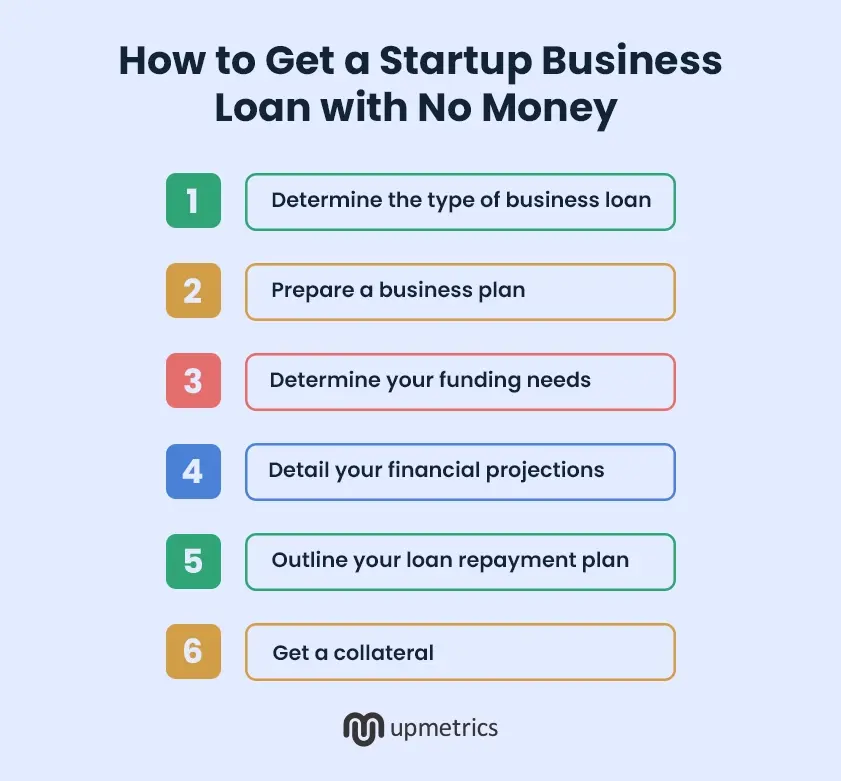
The Power of a Robust Business Plan and Financial Projections
A comprehensive and well-researched business plan is arguably your most crucial asset when seeking funding without money. It’s your blueprint, your roadmap, and your compelling narrative.
- Clarity and Detail: It must clearly articulate your business concept, market opportunity, target audience, competitive advantage, operational strategy, management team, and, most importantly, a clear path to profitability and scalability.
- Realistic Financial Projections: Even without current revenue, your plan must include realistic and conservative financial forecasts (revenue, expenses, cash flow, profit and loss statements, balance sheet) for at least the next 3-5 years. These projections should be backed by market research and logical assumptions, demonstrating how the business will generate sufficient income to repay the loan.
- Executive Summary: A powerful executive summary can grab the attention of a potential lender and make them want to delve deeper.
Personal Assets and Collateral (When Applicable)
While the premise is “no money,” some individuals might still possess personal assets that can serve as collateral, even if they don’t have liquid cash for an upfront investment. This isn’t always an option, but it’s worth considering.
- Home Equity: If you own a home, a home equity line of credit (HELOC) or a second mortgage could provide capital, though it involves significant personal risk.
- Vehicle or Other Valuables: Some lenders might accept paid-off vehicles, equipment, or other significant valuables as collateral for smaller loans.
- Accounts Receivable (Invoice Factoring): If your business model involves invoicing clients, factoring your invoices (selling them to a third party at a discount for immediate cash) can provide working capital. This isn’t a loan but a way to convert assets (receivables) into cash.
Good Personal Credit: Your Hidden Asset
Your personal credit score is an incredibly valuable asset, especially for new businesses seeking financing. Lenders often rely heavily on the founder’s personal credit history to gauge their financial responsibility, as the business itself doesn’t have a credit history yet.
- Demonstrates Reliability: A strong personal credit score (typically 680+) indicates a history of responsible borrowing and repayment, which directly translates to a lower perceived risk for the lender.
- Access to Personal Loans/Credit Cards: While not ideal for large business capital, a good personal credit score can help you secure personal loans or credit cards with favorable terms, which can be used for initial startup costs if managed very carefully.
- Guarantor Role: Even if the loan is in the business’s name, lenders will almost always require a personal guarantee from the owner, making your personal credit score a critical factor.
The Value of Experience, Skills, and Industry Knowledge
Lenders invest in people as much as they invest in ideas. Your background, expertise, and understanding of your industry are non-monetary assets that significantly enhance your credibility.
- Demonstrates Capability: Highlight relevant professional experience, specialized skills, and a deep understanding of the market you’re entering. This shows you have the practical knowledge to execute your business plan.
- Strong Management Team: If you have co-founders or key team members with complementary skills and relevant experience, emphasize their contributions. A well-rounded team reduces the perceived risk of a single point of failure.
- Mentors and Advisors: Even if they aren’t directly part of your team, mentioning a strong network of mentors or advisors can signal access to valuable guidance and expertise.
Strategies for Securing “No Money Down” Financing
Beyond traditional lending and leveraging non-cash assets, several specific financing strategies can help you secure capital without needing to put down your own money upfront. These often involve creative structuring or leveraging vendor relationships.
Vendor Financing and Supplier Credit
This involves negotiating extended payment terms with your suppliers or vendors. Instead of paying cash upfront for inventory or supplies, you might be granted 30, 60, or even 90 days to pay.
- How it Works: Your supplier effectively acts as a short-term lender, allowing you to use their goods or services to generate revenue before you have to pay them.
- Benefits: It frees up your cash flow for other operational expenses and reduces your immediate capital requirements.
- Building Relationships: Establishing good relationships and a track record of timely payments with suppliers can open doors to more flexible terms.
Equipment Financing and Leasing
If your business requires specific equipment, you might not need to buy it outright. Equipment financing and leasing options allow you to acquire necessary machinery, vehicles, or technology without a large upfront capital outlay.
- Equipment Loans: These are typically secured by the equipment itself, meaning the equipment serves as collateral. This reduces the risk for the lender, making them more willing to offer financing without additional personal collateral.
- Leasing: You essentially rent the equipment for a set period, making regular payments. This can be more affordable in the short term, preserving cash flow. Many leases offer an option to purchase the equipment at the end of the term.
- Advantages: Preserves working capital, often requires little to no down payment, and can be easier to obtain than general business loans.
Invoice Factoring and Merchant Cash Advances (Use with Caution)
These options provide quick access to capital but come with higher costs and should be used judiciously.
- Invoice Factoring: As mentioned before, you sell your accounts receivable (invoices) to a third-party factor at a discount. The factor then collects the payment from your clients.
- Pros: Immediate cash injection, useful for businesses with long payment cycles.
- Cons: High fees (can be 1-5% or more of the invoice value), you effectively give up control of your collections, and it can signal financial distress to clients if not handled carefully.
- Merchant Cash Advances (MCAs): A lump sum is provided to a business in exchange for a percentage of future credit card or debit card sales.
- Pros: Fast access to funds, flexible repayment (tied to sales volume), easier to qualify for than traditional loans.
- Cons: Extremely high effective interest rates (often much higher than traditional loans), can create a debt trap, repayment automatically deducted from daily sales.
- Recommendation: These are generally considered last resort options due to their high cost, suitable for very short-term cash flow gaps rather than long-term capital needs.
Friends, Family, and Angel Investors (Early Stage Capital)
Often, the first source of capital for “no money” entrepreneurs comes from their immediate network or early-stage investors willing to take on higher risk for potentially high returns.
- Friends and Family: This is frequently the most accessible and least formal source of funding. They might be willing to lend money based on trust and belief in you, often with more flexible terms than institutional lenders.
- Caution: Formalize the agreement with a written contract to avoid potential strain on relationships.
- Angel Investors: High-net-worth individuals who provide capital for business startups, usually in exchange for equity ownership.
- Focus: Angels often invest in sectors they understand, looking for innovative ideas, strong management teams, and significant growth potential. They can also bring valuable mentorship and connections.
- Finding Angels: Networking events, pitch competitions, and platforms like AngelList can connect entrepreneurs with angel investors.
Building Lender Confidence and Mitigating Risk
Even with the right strategies, securing a loan without personal capital boils down to one fundamental principle: building confidence. Lenders need to believe in your ability to succeed and repay. This goes beyond numbers and into demonstrating commitment, foresight, and a well-thought-out approach to risk management.
Demonstrating Commitment and Sweat Equity
Since you can’t show financial commitment, you must demonstrate “sweat equity” – the value you bring through your hard work, time, and intellectual input.
- Full-Time Dedication: Show that you are fully committed to the business, ideally working on it full-time.
- Pre-Launch Progress: Highlight any progress made without external funding, such as market research, product development (even prototypes), securing letters of intent from potential customers, or assembling a preliminary team. This shows initiative and capability.
- Personal Sacrifice: While not explicitly required, lenders appreciate seeing that an entrepreneur is making personal sacrifices (e.g., working a part-time job to cover living expenses while building the business) to fuel their venture.
Developing a Solid Exit Strategy or Repayment Plan
Lenders are interested in how they will get their money back. A clear and credible repayment plan is paramount.
- Detailed Financial Projections: Reiterate the importance of conservative, realistic financial projections that clearly show when and how the business will generate sufficient cash flow to cover loan repayments.
- Contingency Planning: What happens if sales are slower than expected? Have alternative repayment scenarios or contingency plans in place. This demonstrates foresight and reduces perceived risk.
- Market Understanding: Show that you understand your market deeply and have a strategy for capturing and retaining customers, ensuring revenue stability.
The Role of Mentorship and Business Incubators
Surrounding yourself with experienced professionals and leveraging support networks can significantly boost your credibility and chances of success.
- Mentorship: Having experienced mentors who believe in your business and can offer guidance is a huge asset. Lenders see this as a form of “smart capital” that reduces risk.
- Business Incubators/Accelerators: These programs provide resources, office space, mentorship, and sometimes even seed funding in exchange for equity. Being accepted into a reputable incubator or accelerator is a strong validation of your business idea and team, significantly increasing your attractiveness to lenders.
- Networking: Actively network within your industry and with other entrepreneurs. These connections can lead to advice, partnerships, and even investor introductions.

Conclusion
Obtaining a business loan with “no money” is undeniably a challenging endeavor, but it is far from an impossible one. It requires a paradigm shift from traditional financing models, focusing instead on a blend of non-traditional funding sources, meticulous preparation, and the strategic leveraging of every non-financial asset at your disposal.
The journey demands a robust business plan, impeccable personal credit, a compelling narrative of commitment and capability, and a willingness to explore innovative funding avenues like microloans, crowdfunding, grants, and vendor financing. Crucially, it involves building an unshakeable case for your business’s viability and your ability to execute, demonstrating to lenders that your potential far outweighs your current cash reserves.
While the path is arduous, success in securing capital without initial personal funds is a testament to an entrepreneur’s resilience, creativity, and the undeniable strength of their vision. Remember, investors and lenders primarily invest in people and promising ideas. By focusing on mitigating their perceived risks, clearly articulating your value, and relentlessly pursuing every available option, you can turn the dream of starting a business with no money into a tangible reality. Always seek professional financial advice to tailor these strategies to your specific situation and ensure compliance with all regulations.
aViewFromTheCave is a participant in the Amazon Services LLC Associates Program, an affiliate advertising program designed to provide a means for sites to earn advertising fees by advertising and linking to Amazon.com. Amazon, the Amazon logo, AmazonSupply, and the AmazonSupply logo are trademarks of Amazon.com, Inc. or its affiliates. As an Amazon Associate we earn affiliate commissions from qualifying purchases.