
Embarking on the journey to found a company is one of the most significant financial undertakings an individual or team can pursue. It’s an act of transforming an idea into a revenue-generating entity, requiring meticulous planning, strategic capital allocation, and unwavering financial discipline. Far from being a mere creative exercise, founding a company is an intricate dance of budgeting, investment, risk assessment, and profit maximization. This comprehensive guide will navigate the essential financial pillars necessary to successfully establish and grow your venture, ensuring a solid financial footing from day one.
Laying the Financial Foundation: From Idea to Viability
Before any legal paperwork or product development begins, the nascent company exists primarily as a financial hypothesis. Validating this hypothesis and understanding its monetary implications is paramount. This initial phase dictates whether your idea holds the promise of commercial viability and financial return.

Validating Your Business Model for Profitability
The first financial hurdle is to prove that your proposed business model isn’t just a good idea, but a profitable one. This involves rigorous market research to understand demand, pricing strategies, and potential revenue streams. Will customers pay for your product or service? What is the maximum they are willing to pay, and at what price point does your company become profitable? Analyzing competitors’ financial models can offer valuable insights, helping you benchmark pricing, cost structures, and operational efficiencies. Critically, you must define how your company will generate revenue – through sales, subscriptions, advertising, licensing, or a hybrid model – and project potential income based on realistic market penetration rates. A clear understanding of your value proposition and its perceived monetary worth to customers is fundamental to designing a financially sound business.
Estimating Startup Costs and Operational Expenses
Founding a company inevitably requires capital, and a detailed breakdown of how that capital will be spent is crucial. Startup costs include one-time expenditures necessary to launch, such as legal fees for incorporation, initial product development or inventory purchases, equipment acquisition, brand identity development (even if outsourced, it has a cost), and initial marketing campaigns. Beyond these upfront investments, you must project ongoing operational expenses. This includes salaries, rent, utilities, software subscriptions, marketing spend, and supplies. Develop a comprehensive budget that forecasts these costs over at least the first 12 to 24 months. Overestimating costs and underestimating revenue are common pitfalls; adopt a conservative approach to ensure you have sufficient seed capital and a realistic financial runway – the period your business can operate before running out of money.
Crafting a Robust Financial Plan
A financial plan is the blueprint for your company’s economic future, essential for internal guidance and for attracting external investment. This plan typically includes several key components:
- Revenue Projections: Detailed forecasts of sales and income over several years, broken down by product, service, or customer segment.
- Expense Budgets: Itemized lists of all expected costs, both fixed and variable.
- Cash Flow Statement: A crucial document tracking the actual movement of money in and out of your business. Positive cash flow is the lifeblood of any company.
- Profit and Loss (P&L) Statement: Also known as an income statement, this shows your revenues, costs, and ultimately, your net profit or loss over a period.
- Balance Sheet: A snapshot of your company’s financial health at a specific point in time, detailing assets, liabilities, and owner’s equity.
- Break-Even Analysis: Identifying the point at which your total revenues equal your total costs, signifying when your business starts to make a profit.
This plan should be dynamic, revisited and updated regularly as market conditions and business performance evolve. It serves as your financial compass, guiding decisions and demonstrating preparedness to potential investors.
Securing Capital: Funding Your Vision
With a solid financial plan in hand, the next critical step is to secure the necessary capital to transform your vision into a tangible company. Funding strategies vary widely, each with its own advantages, disadvantages, and implications for ownership and control.
Bootstrapping and Personal Investment
Bootstrapping involves funding your company primarily through personal savings, revenue generated from early sales, and minimal external investment. This approach offers maximum control and avoids diluting equity, forcing founders to be extremely resourceful and financially disciplined. It emphasizes lean operations, rapid revenue generation, and proving market traction before seeking significant outside capital. While challenging, bootstrapping can be a powerful way to build a sustainable business with a strong financial foundation, as every dollar invested is scrutinized for its return. Personal investment, often the initial seed capital, demonstrates a founder’s commitment and skin in the game, which is often attractive to future investors.
Exploring Debt Financing Options
Debt financing involves borrowing money that must be repaid, typically with interest, within a specified timeframe. This preserves ownership equity but incurs regular repayment obligations. Common forms include:
- Small Business Loans: Offered by banks and other financial institutions, often requiring collateral and a solid business plan.
- Lines of Credit: Flexible borrowing options that allow a company to draw funds as needed, up to a certain limit, and repay them.
- Government Grants: Non-repayable funds often available for businesses in specific industries, or those focused on innovation or social impact. These are highly competitive but offer capital without equity dilution or repayment burdens.
- SBA Loans: Backed by the U.S. Small Business Administration, these loans often have more favorable terms and are easier for startups to obtain than traditional bank loans.
The key to debt financing is ensuring that your projected cash flow can comfortably cover the principal and interest payments.
Attracting Equity Investment
Equity investment involves selling a portion of your company’s ownership in exchange for capital. This is a common route for high-growth startups and can bring not only funds but also valuable expertise and networks. However, it means relinquishing a share of future profits and decision-making power.
- Angel Investors: High-net-worth individuals who invest their own money, often in early-stage companies, in exchange for equity. They often bring mentorship and industry connections.
- Venture Capital (VC) Firms: Professional investors who manage funds from limited partners and invest in companies with significant growth potential, typically in later stages or larger rounds. VCs often take a more active role in guiding the company.
- Crowdfunding: Platforms like Kickstarter or SeedInvest allow a large number of individuals to invest small amounts in exchange for equity, rewards, or donations.
- Friends and Family: Often the first source of external equity, though it’s crucial to formalize these investments to avoid future complications.

Understanding valuation (how much your company is worth) and dilution (the percentage of ownership you give up) is critical when seeking equity investment. Negotiating terms that balance capital needs with preserving founder control and future upside is a delicate but essential skill.
Legal and Structural Considerations: Protecting Your Financial Future
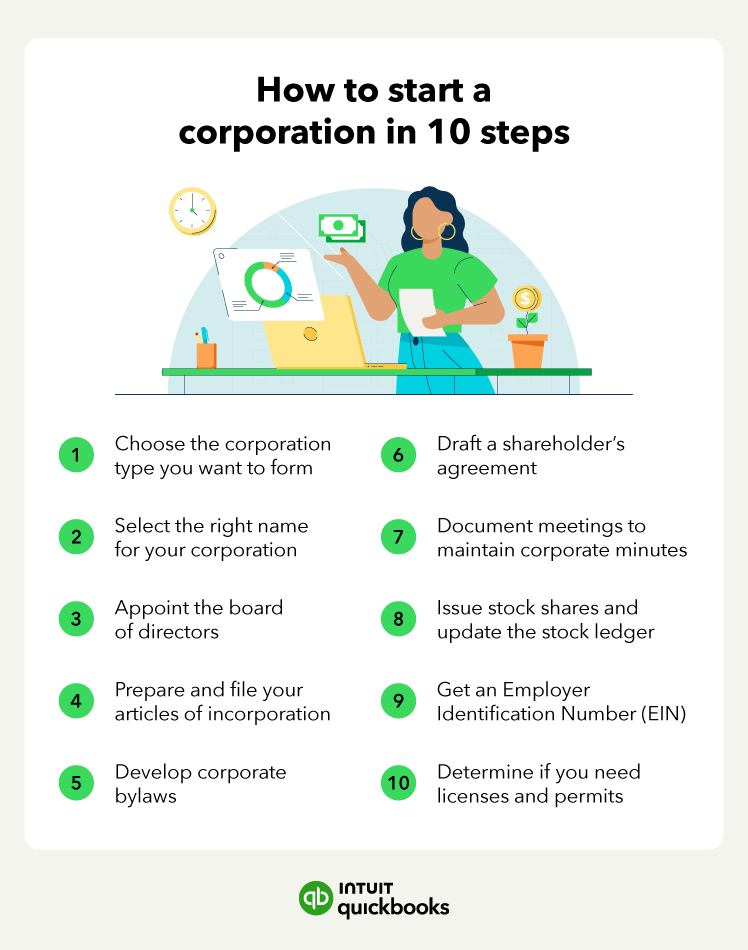
The legal framework of your company directly impacts its financial liabilities, tax obligations, and operational flexibility. Selecting the appropriate structure and ensuring compliance are fundamental to protecting your personal and business finances.
Choosing the Right Business Structure
The choice of legal entity has profound financial implications, particularly concerning liability and taxation:
- Sole Proprietorship: Simple to set up, but the owner is personally liable for all business debts. Income and expenses are reported on the owner’s personal tax return.
- Partnership: Similar to a sole proprietorship for liability and taxation, but involves two or more owners.
- Limited Liability Company (LLC): Offers personal liability protection (separating personal and business assets) while allowing for pass-through taxation (profits and losses are reported on owners’ personal tax returns). This is a popular choice for many startups.
- Corporation (C-Corp or S-Corp): C-corps offer strong liability protection and are suited for companies seeking significant external investment, but are subject to “double taxation” (corporate profits are taxed, and then dividends paid to shareholders are taxed again). S-corps avoid double taxation by passing profits and losses directly to shareholders’ personal income without being subject to corporate tax rates, while still providing liability protection.
Consulting with a legal and financial advisor is crucial to choose the structure that best aligns with your financial goals, risk tolerance, and growth projections.
Navigating Registrations and Compliance
Founding a company involves a series of mandatory registrations and ongoing compliance requirements, each with financial implications:
- Employer Identification Number (EIN): A federal tax ID number, required for most business structures, used for tax purposes.
- Business Licenses and Permits: Depending on your industry and location, various federal, state, and local licenses are required. Failure to obtain these can result in fines and legal issues.
- Tax Obligations: Understanding and fulfilling federal, state, and local tax requirements (income tax, sales tax, payroll tax, property tax) is critical. Setting up proper accounting systems from the outset simplifies tax preparation and avoids costly errors.
- Banking: Establishing separate business bank accounts is non-negotiable for financial clarity, legal compliance, and ease of accounting. It strictly segregates personal and business finances.
Essential Financial Systems Setup
Efficient financial management hinges on robust systems. This includes:
- Accounting Software: Tools like QuickBooks, Xero, or FreshBooks automate bookkeeping, track income and expenses, generate financial reports, and simplify tax preparation. Investing in a good system early saves time and money.
- Payment Processing: Secure and efficient methods for accepting customer payments (e-commerce gateways, point-of-sale systems, invoicing tools) are vital for revenue collection. Evaluate transaction fees and processing times.
- Payroll System: If hiring employees, a reliable payroll system ensures timely and accurate salary payments, tax withholdings, and compliance with labor laws.
- Budgeting and Forecasting Tools: Beyond initial planning, continuous budgeting and forecasting help monitor financial performance against projections and adjust strategies as needed.
Sustaining Growth: Financial Management and Scaling
Founding a company is not a one-time event; it’s an ongoing commitment to financial stewardship. As your company grows, so do the complexities of its financial management, demanding strategic foresight and agile decision-making.
Monitoring Financial Performance and KPIs
Continuous financial monitoring is essential for sustained success. Regularly reviewing key performance indicators (KPIs) provides critical insights into your company’s health:
- Revenue Growth Rate: Tracks the increase in income over time.
- Gross Profit Margin: The percentage of revenue remaining after subtracting the cost of goods sold, indicating pricing efficiency and cost control.
- Net Profit Margin: The percentage of revenue left after all expenses, showing overall profitability.
- Burn Rate: For startups, this is how quickly your company is spending its cash reserves, especially before becoming profitable.
- Customer Acquisition Cost (CAC): The average cost to acquire one new customer, crucial for assessing marketing efficiency.
- Customer Lifetime Value (CLTV): The total revenue a customer is expected to generate over their relationship with your company, vital for understanding long-term profitability.
- Cash Flow: The movement of money into and out of the business, a constant focus for liquidity.
Regularly comparing these metrics against your financial plan and industry benchmarks allows for timely adjustments and informed strategic decisions.
Strategic Financial Planning for Expansion
Growth brings new financial demands. Strategic financial planning for expansion involves:
- Reinvestment Strategies: Deciding how to allocate profits back into the business – whether for product development, market expansion, hiring, or infrastructure improvements.
- Debt Management: As the company scales, managing existing debt and considering new lines of credit or loans for expansion purposes requires careful analysis of interest rates, repayment schedules, and impact on cash flow.
- Capital Raises for Growth: Future funding rounds may be necessary to fuel aggressive expansion. This involves preparing updated financial projections, demonstrating scalability, and engaging with investors for larger equity investments.
- International Expansion: If applicable, this introduces complexities related to foreign exchange rates, international tax laws, and market-specific pricing strategies.
Each growth initiative must be backed by a clear financial justification and a thorough risk assessment to ensure it contributes positively to the company’s long-term financial health.
Managing Risk and Building Reserves
Every company faces financial risks, from market downturns and unexpected expenses to competitive pressures. Proactive risk management and building financial reserves are non-negotiable:
- Contingency Planning: Setting aside an emergency fund (typically 3-6 months of operating expenses) to weather unforeseen challenges without jeopardizing operations.
- Insurance: Adequate business insurance (general liability, property, professional liability, cyber insurance, etc.) protects against financial losses from various incidents.
- Diversifying Revenue Streams: Reducing reliance on a single product, service, or customer segment can mitigate revenue volatility.
- Hedging Strategies: For businesses with international exposure, hedging can protect against adverse currency fluctuations.
By rigorously managing finances, continuously monitoring performance, strategically planning for growth, and proactively mitigating risks, founders can transform their initial idea into a financially robust and sustainable enterprise. Founding a company is ultimately about building a valuable asset, and that value is inextricably linked to its financial strength and future profitability.
aViewFromTheCave is a participant in the Amazon Services LLC Associates Program, an affiliate advertising program designed to provide a means for sites to earn advertising fees by advertising and linking to Amazon.com. Amazon, the Amazon logo, AmazonSupply, and the AmazonSupply logo are trademarks of Amazon.com, Inc. or its affiliates. As an Amazon Associate we earn affiliate commissions from qualifying purchases.