
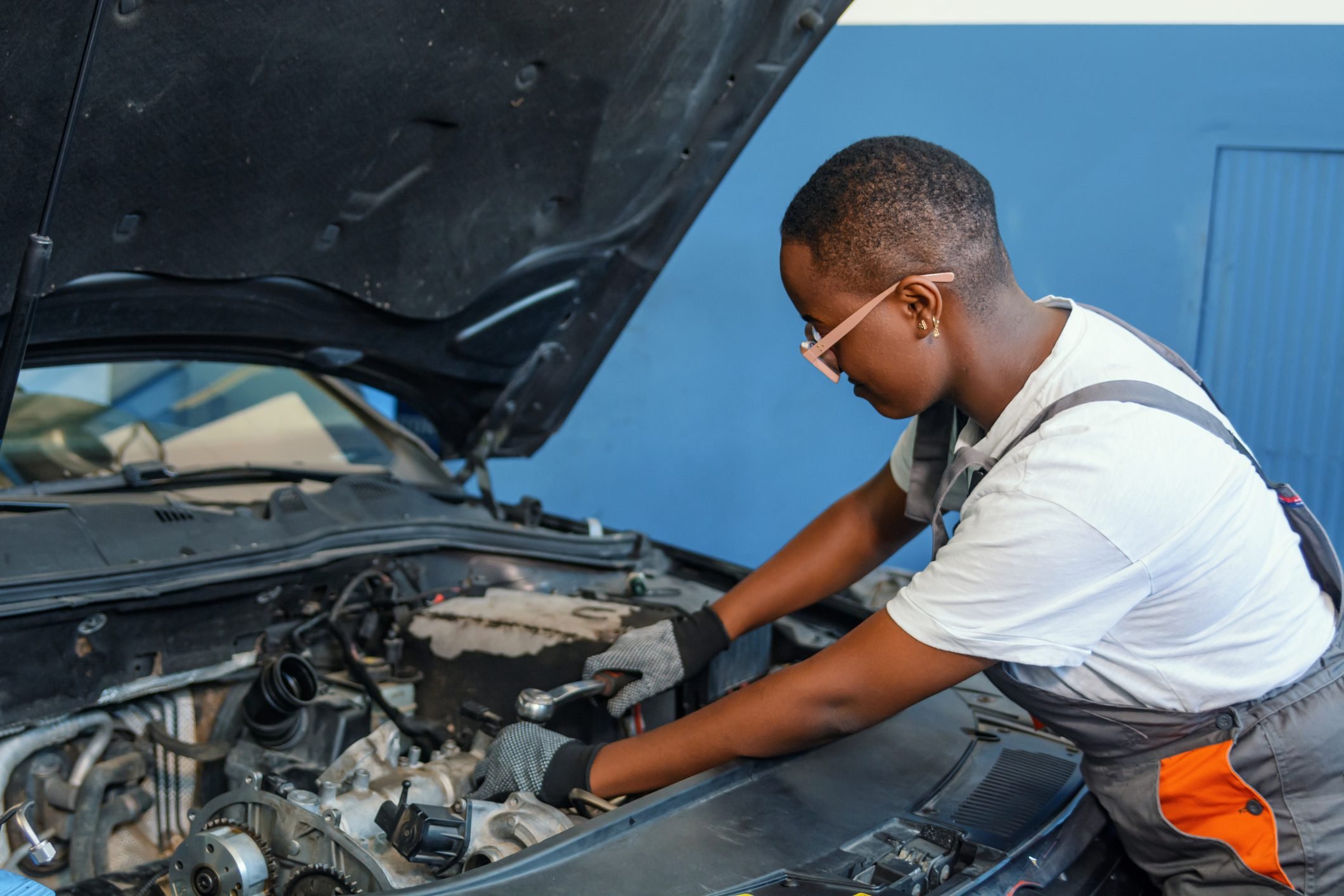
The venerable act of “fixing cars” has undergone a profound transformation, evolving from a purely mechanical art to a sophisticated science heavily reliant on technology. Gone are the days when a wrench, a keen ear, and a general understanding of internal combustion were sufficient for most repairs. Today’s vehicles are complex ecosystems of interconnected computers, sensors, and actuators, making effective repair an exercise in digital diagnostics and data interpretation as much as mechanical prowess. For both professional technicians and the ambitious DIY enthusiast, embracing the technological frontier of automotive repair is no longer an option, but a necessity for accurate, efficient, and lasting solutions. This article delves into the indispensable technological tools, methodologies, and trends shaping how we diagnose, maintain, and ultimately fix cars in the 21st century.
The Digital Diagnostics Revolution
At the heart of modern automotive repair lies the ability to communicate with a vehicle’s intricate electronic control units (ECUs). This capability has revolutionized how problems are identified, turning guesswork into precise data analysis.
On-Board Diagnostics (OBD-II) Systems and Scanners
The introduction of On-Board Diagnostics, particularly the second generation (OBD-II) standard in the mid-1990s, was a monumental leap forward. OBD-II mandates a standardized communication port and protocol for all vehicles sold in the US (and similar standards exist globally, like EOBD in Europe). This system continuously monitors critical vehicle systems for malfunctions, triggering a “Check Engine Light” (MIL – Malfunction Indicator Lamp) when an issue is detected.
Diagnostic scanners are the primary interface for accessing this vital information. These tools range from inexpensive consumer-grade code readers, which simply display Diagnostic Trouble Codes (DTCs), to professional-grade scan tools that offer extensive functionality. Professional scanners can perform bidirectional controls (commanding components to activate), display live sensor data in real-time, generate graphical representations of data streams, perform system tests, and access manufacturer-specific codes and enhanced parameters not available through basic readers. Understanding how to interpret DTCs—which pinpoint a specific circuit, component, or system error—and correlating them with live data is the foundational skill for digital diagnostics. A DTC like P0420 (Catalyst System Efficiency Below Threshold) doesn’t just mean “catalytic converter is bad”; it directs the technician to investigate the efficiency of the catalyst system, potentially involving O2 sensors, exhaust leaks, or engine combustion issues.
Advanced Diagnostic Software and Telematics
Beyond the universal OBD-II standard, vehicle manufacturers employ proprietary diagnostic software and hardware for their specific models. These advanced systems delve much deeper than generic scanners, offering dealership-level capabilities. They allow for intricate module programming, flashing ECUs with updated software, performing specialized calibrations (e.g., for ADAS – Advanced Driver-Assistance Systems), and accessing detailed internal fault memories. Examples include BMW’s ISTA, Mercedes-Benz’s XENTRY, and Ford’s IDS. Access to these sophisticated tools, often cloud-based and requiring subscriptions, is crucial for complex repairs that involve replacing electronic modules or updating vehicle software.
The rise of telematics further enhances diagnostic capabilities. Modern cars are increasingly connected, allowing for remote monitoring of vehicle health, proactive maintenance alerts, and even over-the-air (OTA) software updates. Telematics systems transmit data on driving habits, vehicle performance, and diagnostic codes directly to manufacturers or service providers. This allows for predictive maintenance, where potential issues are identified before they manifest as failures, improving reliability and reducing unexpected breakdowns. Integrating this data into repair workflows allows technicians to arrive at a diagnosis even before the car reaches the shop, streamlining the repair process significantly.
Essential Tech Tools for the Modern Mechanic (and DIYer)
While sophisticated diagnostic equipment forms the brain of modern repair, a suite of specialized tech tools serves as its extended senses, allowing for detailed inspection and precise measurements.
Multimeters and Electrical Testers
The electrical system is the nervous system of any modern car. With an increasing number of sensors, actuators, and control modules, electrical diagnostics have become paramount. A digital multimeter (DMM) is an indispensable tool for measuring voltage, current, and resistance. It’s used to check battery voltage, test alternator output, diagnose parasitic draws, check continuity in wiring harnesses, and verify the resistance of sensors like oxygen sensors or crankshaft position sensors.
Beyond basic multimeters, more advanced electrical testers include oscilloscopes, which graphically display electrical signals over time. An oscilloscope can reveal intermittent faults, signal noise, and timing issues that a standard multimeter might miss. It’s crucial for diagnosing problems with complex waveforms from components like fuel injectors, ignition coils, and various sensors. Fuse testers, circuit breakers, and specialized wire-piercing probes also fall into this category, allowing for safe and accurate testing of circuits without causing damage. Understanding electrical schematics and using these tools effectively is critical for troubleshooting everything from a non-functioning headlight to a complex engine misfire.
Boroscopes and Inspection Cameras
Many critical components within a vehicle are hidden from plain sight, making visual inspection challenging or impossible without significant disassembly. Boroscopes, or inspection cameras, offer a non-invasive solution. These slender, flexible probes with a camera and light at the tip can be inserted into tight spaces—engine cylinders through spark plug holes, behind dashboards, inside door panels, or deep within exhaust systems—to provide a clear view of internal components.
High-quality boroscopes can capture images and video, allowing for detailed documentation of findings. They are invaluable for identifying issues like piston damage, valve carbon buildup, corrosion in hidden areas, fluid leaks, or even locating dropped nuts and bolts. Some advanced models feature articulating tips, allowing the user to change the viewing angle, enhancing their utility significantly. This technology saves countless hours of labor by preventing unnecessary teardowns, making diagnostics faster and more efficient.
Programming and Flashing Tools
Modern vehicles are essentially “software on wheels.” When a component like an ECU, a body control module, or even a new key fob is replaced, it often needs to be “programmed” or “flashed” to communicate correctly with the vehicle’s other systems. Programming involves writing specific software parameters or configuration files to a new module, ensuring it’s calibrated for that specific vehicle’s VIN and options. Flashing, on the other hand, involves updating the existing software on an ECU to the latest version, often to resolve bugs, improve performance, or address recalls.
Specialized programming tools, often integrated into professional diagnostic scan tools or standalone J2534 passthrough devices, are required for these tasks. They connect the vehicle to a computer with access to manufacturer-specific software updates and configuration files. Without these tools, replacing a faulty module can result in a car that won’t start, or a new component that simply doesn’t function correctly. This aspect of automotive repair highlights the growing convergence of IT and traditional mechanics, requiring technicians to possess strong computer literacy alongside their mechanical skills.
Leveraging Digital Resources and AI for Repair Information

Beyond specialized tools, the sheer volume of information required to repair modern vehicles necessitates sophisticated digital resources. The internet and emerging AI technologies have become invaluable partners in the diagnostic and repair process.
Online Repair Databases and Service Manuals
Gone are the days of relying solely on thick, greasy paper manuals. Today, comprehensive online repair databases provide instant access to an unparalleled wealth of information. Services like Alldata, Mitchell 1, and Identifix compile vast libraries of manufacturer-specific repair procedures, wiring diagrams, technical service bulletins (TSBs), recall information, diagnostic trouble code (DTC) descriptions, and component locations. These platforms are constantly updated, ensuring technicians have the most current and accurate data at their fingertips.
Accessing genuine OEM (Original Equipment Manufacturer) service information portals, often through subscription, is also critical for specific complex repairs, module programming, and adhering to factory-recommended procedures. These digital resources allow technicians to quickly pinpoint exact torque specifications, step-by-step removal and installation guides for complex assemblies, and intricate circuit diagrams for electrical troubleshooting. Their intuitive search functions and hyperlinked content drastically reduce research time and improve diagnostic accuracy.
Automotive Forums and Communities
While official databases provide structured information, the collective intelligence of online automotive forums and communities offers an invaluable complementary resource. Platforms like Reddit’s r/MechanicAdvice, dedicated vehicle-specific forums (e.g., VWVortex, Honda-Tech), and professional technician forums (e.g., iATN – International Automotive Technicians’ Network) provide a space for mechanics and enthusiasts to share experiences, troubleshoot complex problems, and offer solutions that might not be found in official documentation.
These communities are particularly useful for diagnosing intermittent issues, sharing real-world “gotchas,” and discussing common failures specific to certain makes and models. The ability to post symptoms, share diagnostic data, and receive feedback from a global network of experienced individuals can be incredibly powerful, often leading to quicker and more accurate resolutions for challenging problems. While information from forums should always be cross-referenced with official sources, they remain a vibrant hub for collaborative problem-solving.
AI-Powered Troubleshooting and Predictive Maintenance Apps
The frontier of digital repair information is increasingly being shaped by Artificial Intelligence. AI-powered troubleshooting apps and platforms are emerging, capable of analyzing vast datasets of vehicle symptoms, diagnostic codes, and repair histories to suggest potential causes and solutions. These tools can identify patterns that humans might miss, offering diagnostic insights with remarkable speed.
Predictive maintenance applications, often leveraging machine learning, analyze telematics data (engine parameters, sensor readings, driving patterns) to anticipate component failures before they occur. By continuously monitoring vehicle health, AI can alert owners or service centers to potential issues (e.g., battery degradation, brake wear, impending sensor failure) allowing for proactive repair. This not only minimizes unexpected breakdowns but also helps optimize maintenance schedules, extending vehicle lifespan and reducing overall repair costs. As AI models become more sophisticated and integrate with more vehicle data streams, they promise to transform diagnostics from reactive problem-solving to proactive, intelligent vehicle management.
Future of Automotive Repair: Connectivity and Automation
The automotive industry is in a state of rapid evolution, with connectivity and automation at the forefront. These trends are not only changing how cars operate but also fundamentally reshaping the future of how they are repaired and maintained.
Over-the-Air (OTA) Updates and Remote Diagnostics
The concept of “software-defined vehicles” means that more and more aspects of a car’s functionality are controlled by its embedded software. This paradigm shift enables Over-the-Air (OTA) updates, where manufacturers can wirelessly push software updates to a vehicle’s ECUs. Similar to how smartphones receive updates, OTA updates can fix bugs, introduce new features, improve performance, and even address safety recalls without the vehicle ever needing to visit a service center. This minimizes downtime for owners and drastically reduces the logistical burden of recalls.
Complementing OTA updates, remote diagnostics allow technicians or manufacturers to access a vehicle’s diagnostic data remotely, sometimes even performing basic tests or resetting modules from afar. This capability is particularly beneficial for fleet management, emergency roadside assistance, and even for initial troubleshooting before a physical inspection. As vehicle connectivity becomes standard, the ability to diagnose and even apply certain fixes without physical contact will become a cornerstone of modern automotive repair services.
Augmented Reality (AR) and Virtual Reality (VR) in Training and Repair
Augmented Reality (AR) and Virtual Reality (VR) technologies are poised to revolutionize both technician training and the repair process itself. In training, VR can immerse aspiring mechanics in virtual workshops, allowing them to practice complex procedures on virtual engines and systems without the risk of damaging expensive components. This provides a safe, repeatable, and highly effective learning environment.
For active repair, AR overlays digital information onto a real-world view. Technicians wearing AR glasses could see step-by-step instructions projected onto the engine bay, identify components with labels, view torque specifications directly on bolts, or even see virtual X-ray views of hidden parts. Imagine scanning a specific part and having its repair history, manufacturer specs, and relevant wiring diagrams instantly appear in your field of vision. This hands-free access to information significantly streamlines complex tasks, reduces errors, and speeds up the repair process, especially for new or intricate vehicle systems.
Robotics and Automation in Garages
While full automation of complex repairs is still some way off, robotics is already making inroads into specific tasks within the automotive service industry. Automated vehicle inspection systems, utilizing robotic arms with cameras and sensors, can rapidly scan a car for damage, tire wear, and even some diagnostic issues. Robotic tire changers, wheel alignment systems, and even some fluid changing machines are becoming more prevalent, reducing manual labor and improving consistency.
Looking further ahead, highly specialized robotic systems could assist with repetitive or dangerous tasks, such as welding, painting, or handling heavy components. While human expertise will remain crucial for complex diagnostics and bespoke repairs, robotics and automation will increasingly handle the routine, laborious, and precision-intensive aspects of car maintenance and repair, enhancing efficiency and safety in the modern workshop.

Conclusion
The journey of “how to fix cars” has brought us from mechanical intuition to digital mastery. Technology is no longer an ancillary tool but the central nervous system of automotive repair. From sophisticated diagnostic scanners that speak to a car’s myriad computers, to specialized electrical testers and boroscopes that reveal hidden truths, to vast online databases and AI-powered insights that guide every step, technology underpins every accurate and efficient repair. As vehicles become more connected and intelligent, the future promises even deeper integration of telematics, augmented reality, and robotics, transforming the garage into a high-tech hub. For anyone involved in automotive repair, embracing this technological evolution is not just about keeping pace; it’s about staying relevant, delivering superior service, and ensuring the continued reliability of the complex machines that keep our world moving.
aViewFromTheCave is a participant in the Amazon Services LLC Associates Program, an affiliate advertising program designed to provide a means for sites to earn advertising fees by advertising and linking to Amazon.com. Amazon, the Amazon logo, AmazonSupply, and the AmazonSupply logo are trademarks of Amazon.com, Inc. or its affiliates. As an Amazon Associate we earn affiliate commissions from qualifying purchases.